
You step off the plane, and the first thing you notice is how softly everything is arranged: slippers lined up at a doorway, a coin purse heavy with yen, a train car where nobody is on a phone call. Japan runs on small habits that are easy to learn and pleasant to follow. A handful of them, from paperwork to payment to shoes, are worth knowing before you land.
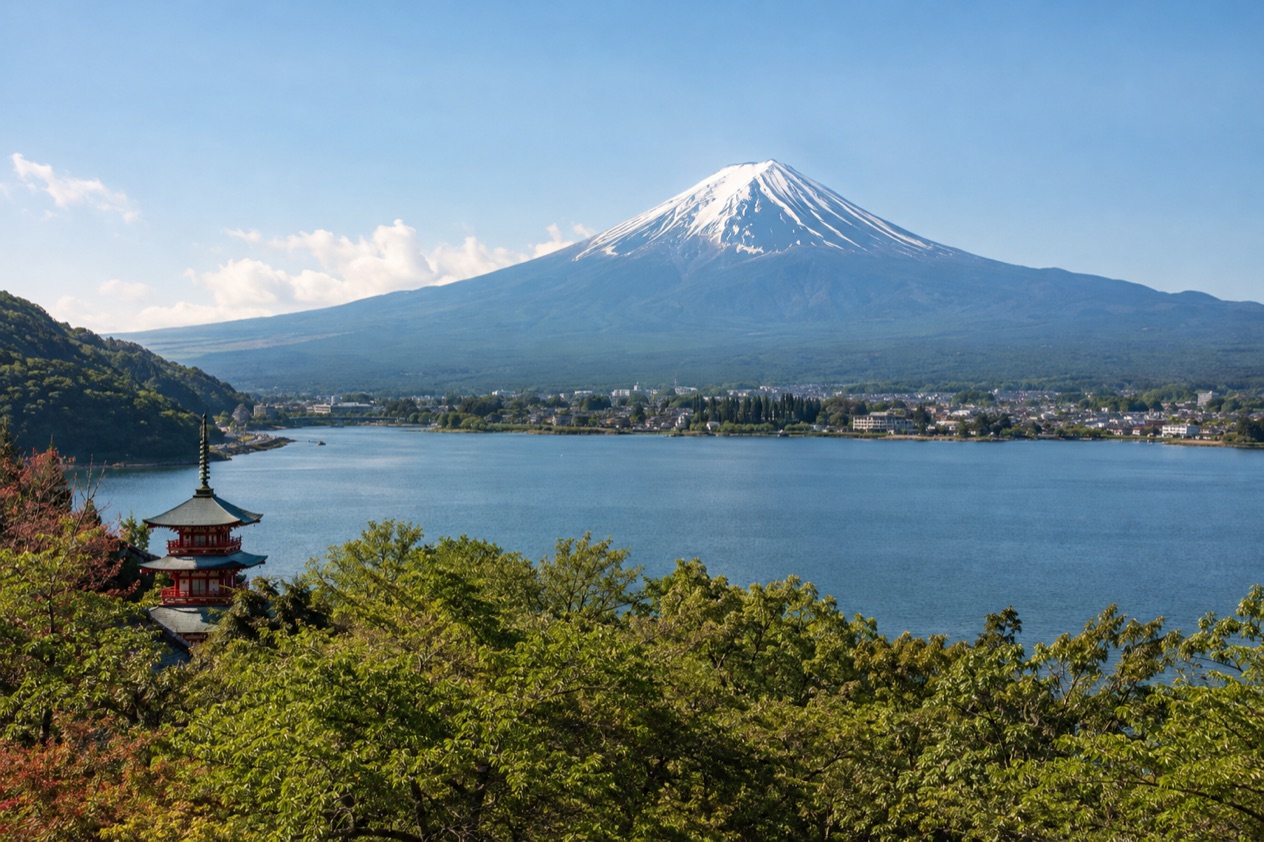
What should you know before visiting Japan?
Four things matter most: a passport that stays valid for your whole stay, a mix of cards and cash in your wallet, a quiet and courteous manner on public transportation, and the habit of taking your shoes off whenever a doorway asks for it. Get those right and most of the rest sorts itself out as you go.
What surprises first-time visitors is usually how much the small gestures matter. Cards work in many places, yet a coin purse becomes a real companion because coins pile up fast and the heavy ones are worth a lot. Phones go silent on trains and buses, and conversations drop to a murmur.
Shoes come off at the entrance of homes, ryokan (traditional inns) and many other buildings, and a pair of slippers waits for you. Even the bathroom can have its own pair. None of this is stern. It is a shared way of keeping shared spaces pleasant, and travelers who follow along are noticed and appreciated.
Another surprise is how much is simply handled for you, from the vending machines to the tidy ticket gates.
Entry, customs and paperwork
According to the U.S. State Department, U.S. citizens visiting for tourism or business can enter on a visa-free stay of up to 90 days. You need a valid passport and should have proof of a return or onward ticket. The passport must remain valid for the entire time you are in Japan, so check its expiration date against your plans before you book anything.
A visa-free stay does not include work. U.S. citizens cannot work on the local economy while in Japan under this arrangement, so a trip built around a paid job or freelance gig needs a different footing.
Once you are in the country, keep your identification with you. The State Department notes that you must always carry your U.S. passport or a Japanese Residence Card (Zairyu Kado), and that you may be questioned or detained if you cannot show proof of identity and status. Many travelers tuck the passport into a zipped pocket of a daypack so that it travels with them to the temple, the train station and the restaurant alike.
A few items to leave at home are worth a mention too. CBD may be illegal in Japan depending on the amount of THC it contains, so wellness products that are routine elsewhere deserve a second look before they go into a suitcase.
Money, cards and tipping
The currency is the yen (JPY). Bills come in 1000, 2000, 5000 and 10,000 yen, and coins in 1, 5, 10, 50 and 500 yen. The 10,000 yen bill, worth about 100 US dollars or 88 euros, is generally accepted even for small purchases, so you will not be turned away for paying a modest bill with a large note.
International credit, debit and prepaid cards are generally accepted throughout Japan, and cards can pay for Narita Express and shinkansen tickets on JR. Some shops do not display the symbols of the cards they take, so a quick question to the seller settles it before you reach the register.
Coins are where the weight builds. The 500 yen coin is the largest, and small change collects in your pocket after a day of vending machines, snacks and shrine offerings. A coin purse is the traveler’s answer, and it makes counting out change at a counter feel unhurried.
Tipping is not part of the daily rhythm in Japan, and a cheerful thank-you does the job in restaurants, taxis and shops. Service is offered as a matter of pride rather than as something to be rewarded afterward, and that is part of why the meal or the ride feels so relaxed.
Getting around and staying connected
For long distances, the shinkansen (the JR bullet train) and the Narita Express are the two rail services the Japan National Tourism Organization names as payable by international card. That is handy to know when you are standing at a ticket counter with a card in hand and not much cash.
Public transportation is also where Japan’s manners are easiest to see. In Tokyo, as in all public places and especially on public transportation, visitors are asked to set their phones to silent mode and to avoid using them. You will notice the calm right away: people read, doze or look out of the window, and announcements carry across the car without competition.
If you want to keep your phone useful for maps and messages, plan your connection before you go, since that is the moment you will want directions most. Silent mode and texting rather than talking is the habit that fits the trains.
Walking is part of the experience too. Smoking while walking on the street is prohibited and can result in a fine, and designated outdoor smoking areas are limited, so smokers should look for the nearest designated zone. That keeps sidewalks clear of smoke and ash, and it is one reason the streets feel so tidy.
Health, water and the weather
The U.S. State Department advises U.S. citizens to always exercise caution when traveling abroad, and that holds for Japan as anywhere. Pack any prescription medicine you rely on, in its original container, and keep it in your carry-on.
One caution concerns driving. The blood-alcohol limit is 0.03%, and driving under the influence can lead to immediate jail, fines up to $10,000 and up to 5 years in prison. Many travelers never drive at all, which makes this easy to sidestep, but anyone behind the wheel should take it seriously.
Weather shapes the trip more than any other single factor, though it changes by region and by season. Japan stretches from snowy north to subtropical south, so the clothing that suits one city in one month may not suit another.
Summers can be hot and humid, winters cold in the mountains and the north, and spring and autumn bring the soft light that travelers often plan around. Rain can arrive in any season, and a compact umbrella earns its place in a daypack. Dress in layers you can add or remove as you move between outdoor streets and heated or air-conditioned interiors.
Local customs and etiquette
At the door, shoes come off. In a home, a ryokan or many traditional spaces, it is customary to take your shoes off at the entrance, slip into indoor slippers and set your shoes in a shoe box or neatly to the side.
On tatami mats the slippers come off too, and in the bathroom a separate pair of toilet slippers is often waiting. Swapping them back at the right moment is a small ritual you pick up quickly.
At the table, chopsticks are the norm, but travelers who are not comfortable with them can ask the staff for alternative utensils. They may not always be available, especially in traditional places, so a little practice before the trip pays off. Sushi is friendly to fingers: you can take a piece, dip it in soy sauce and eat it by hand.
Public space has its own gentle code. Voices drop on trains, phones go silent, and people wait their turn in lines that form without being asked. Streets are remarkably clean even though public trash cans can be few, and many people simply carry their wrapper until they find a bin. Littering cigarette butts is prohibited and can bring a fine, which is part of why the pavements stay so tidy.
A light bow, a quiet thank-you and a smile go a long way when words run short. Nobody expects perfection from a visitor, and a willingness to follow the room is what people notice and remember.
Good to know before you go
The U.S. State Department rates Japan Level 1: Exercise Normal Precautions.
Japan has a rainy season and a typhoon season, and both can reshape a day of sightseeing, so plan an indoor option such as a museum, a market hall or a long lunch for gray days. Keep your passport or residence card within reach, since you must carry one of them at all times.
Carry a coin purse, keep a little cash beside your cards, and let your phone ride silent on the train. Those three habits cover most of what a first week in Japan asks of you.
Sources
- U.S. Department of State, Japan travel information, local laws and special circumstances (https://travel.state.gov/content/travel/en/international-travel/International-Travel-Country-Information-Pages/Japan.html), checked October 11, 2026
- Japan National Tourism Organization, manners, etiquette, shoes, bowing, chopsticks, public behavior (https://www.japan.travel/en/guide/understanding-and-mastering-japanese-manners-and-etiquette/), checked October 11, 2026
- Japan National Tourism Organization, credit cards and cash, where cards are accepted (https://www.japan.travel/en/plan/credit-cards/), checked October 11, 2026
- Japan National Tourism Organization, yen, coins, bills, exchanging money, ATMs (https://www.japan.travel/en/plan/currency/), checked October 11, 2026
- Japan National Tourism Organization, manners and customs (https://www.japan.travel/en/plan/custom-manners/), checked October 11, 2026
- U.S. Department of State, Japan travel advisory (https://travel.state.gov/content/travel/en/international-travel/International-Travel-Country-Information-Pages/Japan.html), checked October 11, 2026
- U.S. Department of State, Japan travel information, entry and exit requirements (https://travel.state.gov/content/travel/en/international-travel/International-Travel-Country-Information-Pages/Japan.html), checked October 11, 2026
To plan your stay
- Best Time to Visit Japan: Cherry Blossoms, Autumn Colors, Weather and Festivals
- Things to Do in Japan: Kyoto Temples, Onsen, Street Food and Day Trips
- Where to Stay in Japan: Ryokan, Temple Stays, Capsule Hotels and the Best Cities to Base In
- Sending Luggage from the Airport in Japan: Hands-Free Travel, Hotel Delivery and Coin Lockers