
Somewhere between the last bowl of ramen and the walk to the departure gate, travelers start wondering what the small charge tied to leaving Japan actually is. It has an official name, the International Tourist Tax, and it is a departure tax paid by people visiting the country. Its job is to help fund the places and services you spent your trip using.
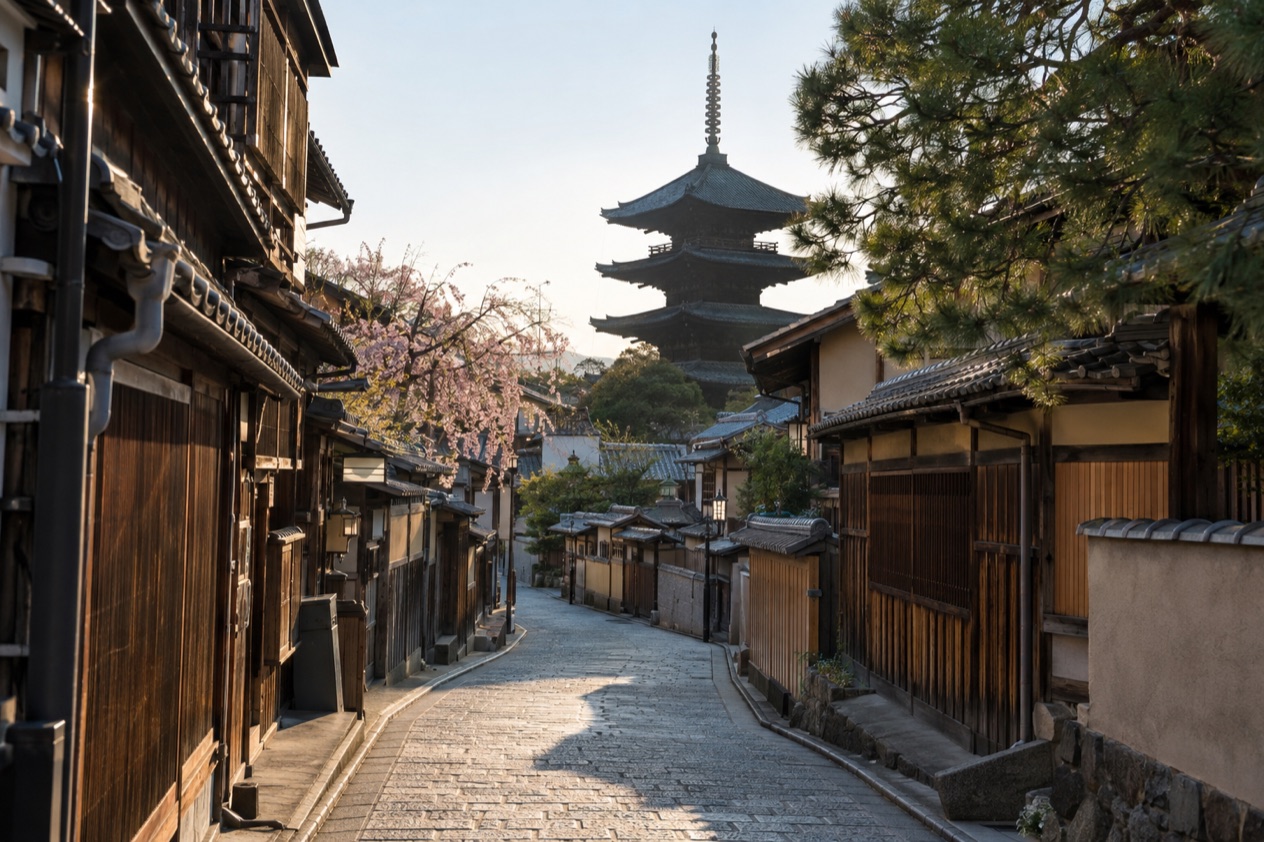
What is Japan’s international tourist tax?
It is a departure tax that Japan charges people visiting the country, and its official name is the International Tourist Tax. The Japan National Tourism Organization describes its purpose in plain terms: it contributes to the development and improvement of tourism infrastructure in Japan. In other words, it is meant to pay for the machinery behind a trip, not for any single attraction.
The same source says the tax will be increased to a new amount, which is shown in the section on cost. For a traveler, the useful point is that this is a national charge tied to leaving the country. It has nothing to do with a hotel bill, a temple entrance or a rail ticket, which are separate things with their own prices.
What the money is meant to support
Tourism infrastructure is a wide phrase, and the picture is easy to fill in from what visitors meet on the ground. Think of the stations and signs that guide a first-time traveler, the paths and facilities around temples and shrines, and the services that let a country handle a steady flow of guests. The tax is described as contributing to the development and improvement of that kind of infrastructure.
Tourism is a large part of the economy. Total tourism consumption within Japan in 2024 amounted to 34.3 trillion yen. That figure helps explain why a country with so visitors would want a dedicated contribution toward the systems that carry them around.
Where visitors actually go
The most visited prefectures are Tokyo, Osaka, Chiba, Kyoto and Fukuoka, and that list shows how concentrated the pressure on infrastructure can be. Tokyo brings Sensoji temple, with its lantern gate and the shopping lane that leads to the main hall. Kyoto brings the Fushimi Inari shrine, with its tunnels of red torii gates, and Kinkakuji, the golden pavilion beside its pond.
Nikko is another name that comes up again and again among the most popular sites, and Japan counts 26 World Heritage Sites, among them Himeji Castle and the Historic Monuments of Ancient Kyoto and Nara. Walking through these places, you are using the very kind of infrastructure that the tax is meant to support.
A tax with a name worth recognizing
Because the official name is International Tourist Tax, you may see it written that way in travel news and on official tourism pages. People also call it a departure tax, which is simply a description of what it is. Both labels point to the same charge. Keeping the two names in mind makes it easier to recognize the topic when it comes up in conversation or reading before you fly.
Who pays it?
People visiting Japan pay it. That is the wording the Japan National Tourism Organization uses, and it frames the tax as something that falls on the traveler rather than on the businesses that host them. If you are a visitor to the country, this is a charge that belongs to your trip.
The source does not go further than that. It does not list categories of travelers who are exempt, and it does not describe the mechanics of how the money is collected. So the safest reading is the plain one: the tax is aimed at visitors, and the sources name it as a departure tax tied to leaving Japan.
What the word visitor means here
In everyday travel talk, a visitor is someone who comes for a stretch of sightseeing, food and rest, whether that means a week among the temples of Kyoto or a long weekend of eating through Osaka. The tax is built around that kind of traveler. It is described as a charge on people visiting Japan, which fits the way the country thinks about its tourism economy.
Visitors come from many places. Tourists from South Korea have made up the largest number of inbound tourists to Japan several times in the past, and travelers from China were the highest spenders by country in 2011, with an estimated 196.4 billion yen, almost a quarter of total foreign visitor expenditure. Those numbers show how varied the traveling public is, and the tax is framed for visitors as a whole.
Why visitors are asked to contribute
A heavily visited country feels the strain in small ways. In Fujikawaguchiko, in Yamanashi Prefecture, a mesh barrier was set up to block a view of Mount Fuji behind a Lawson convenience store because of disturbances caused by tourists. It is a small, very concrete example of what a crowd of photographers can do to a quiet corner of town.
A tourism-focused tax answers that kind of pressure in a general way. The stated purpose is the development and improvement of tourism infrastructure, so the contribution is meant to go toward the systems that visitors rely on. Seen this way, it is a modest share of the cost of hosting a very large number of guests.
When you meet it in your trip
Because it is a departure tax, it belongs to the end of the journey, the moment you leave the country, and not to the days you spend sightseeing. That timing is why the question tends to surface late, often after the packing is done and the souvenirs have been bought. Knowing the name and the amount ahead of time means there is no surprise at that point in the trip.
How much is it?
The departure tax is 3,000 yen. The Japan National Tourism Organization states it in those words: people visiting Japan pay a departure tax of 3,000 yen, and the International Tourist Tax is described as being increased to that amount.
| Tax | Amount | Who pays |
|---|---|---|
| International Tourist Tax (departure tax) | JPY 3,000 | People visiting Japan |
Reading the amount
The figure is given in yen, and yen is how it should be read. It is a single flat amount, with no scale by destination, season or length of stay in the source. That keeps the picture simple: one tax, one figure, one group of payers.
The wording about an increase matters for one reason. It tells you the amount has been raised, so older figures you may have seen in past articles or forum posts can differ from the current one. When in doubt, the amount that the tourism organization gives is the one to keep in mind.
What the amount sits next to
A tax like this is one small line next to everything else a trip to Japan involves. The country draws visitors to its temples and shrines, its castles and gardens, its cities and mountains, and total tourism consumption within Japan in 2024 reached 34.3 trillion yen. Against that backdrop, the departure tax is a modest, fixed charge, and its purpose is to contribute to the infrastructure that makes the rest of the trip run.
Where it falls in the budget is easy to plan for because it does not vary. Japan ranked 3rd out of 141 countries overall in the 2024 Travel and Tourism Competitiveness Report, which is a reminder of how much of the visitor experience rests on well-developed tourism systems.
Keeping the tax in perspective
It helps to separate this charge from the things that fill a travel day. Temple admission, a bowl of noodles, a ticket to a castle and a night in a ryokan all have their own pricing, and none of them is this tax. The International Tourist Tax is its own item, tied to leaving Japan and aimed at tourism infrastructure.
Think of it as a small thank-you note attached to the end of the trip. You will already have walked through Kyoto, seen the red gates of Fushimi Inari, or wandered the lanes around Sensoji in Tokyo. The tax is a fixed, defined contribution toward keeping such places open and working for the next traveler.
Good to know before you go
Money in Japan is counted in yen, and the tourism organization states the tax in yen, so it is worth thinking in that currency when you plan your budget. The tax is one fixed item among the many costs of a trip, and it belongs to the end of your stay, when you leave the country. Beyond that, Japan’s popular places draw visitors, as the mesh barrier behind a convenience store in Fujikawaguchiko shows, so a considerate attitude toward neighborhoods, shrines and photo spots is part of traveling there well.
Sources
- Japan National Tourism Organization, the international tourist tax paid when leaving Japan, amount, who pays, how it is collected (https://www.japan.travel/en/plan/international-tourist-tax/), checked October 11, 2026
- Wikipedia, Tourism in Japan (https://en.wikipedia.org/wiki/Tourism_in_Japan), checked October 11, 2026
To plan your stay
- Best Time to Visit Japan: Cherry Blossoms, Autumn Colors, Weather and Festivals
- Where to Stay in Japan: Ryokan, Temple Stays, Capsule Hotels and the Best Cities to Base In
- Sending Luggage from the Airport in Japan: Hands-Free Travel, Hotel Delivery and Coin Lockers
- Know Before You Go to Japan: Entry, Money, Etiquette and Getting Around