
A traveler stands at a clinic counter in Japan, a sore ankle or a stubborn fever in tow, and the receptionist asks how the bill will be paid. That moment is when the question of insurance stops being abstract. The Japan National Tourism Organization strongly recommends travel insurance for every visitor, and the reasons come down to how care is paid for here.
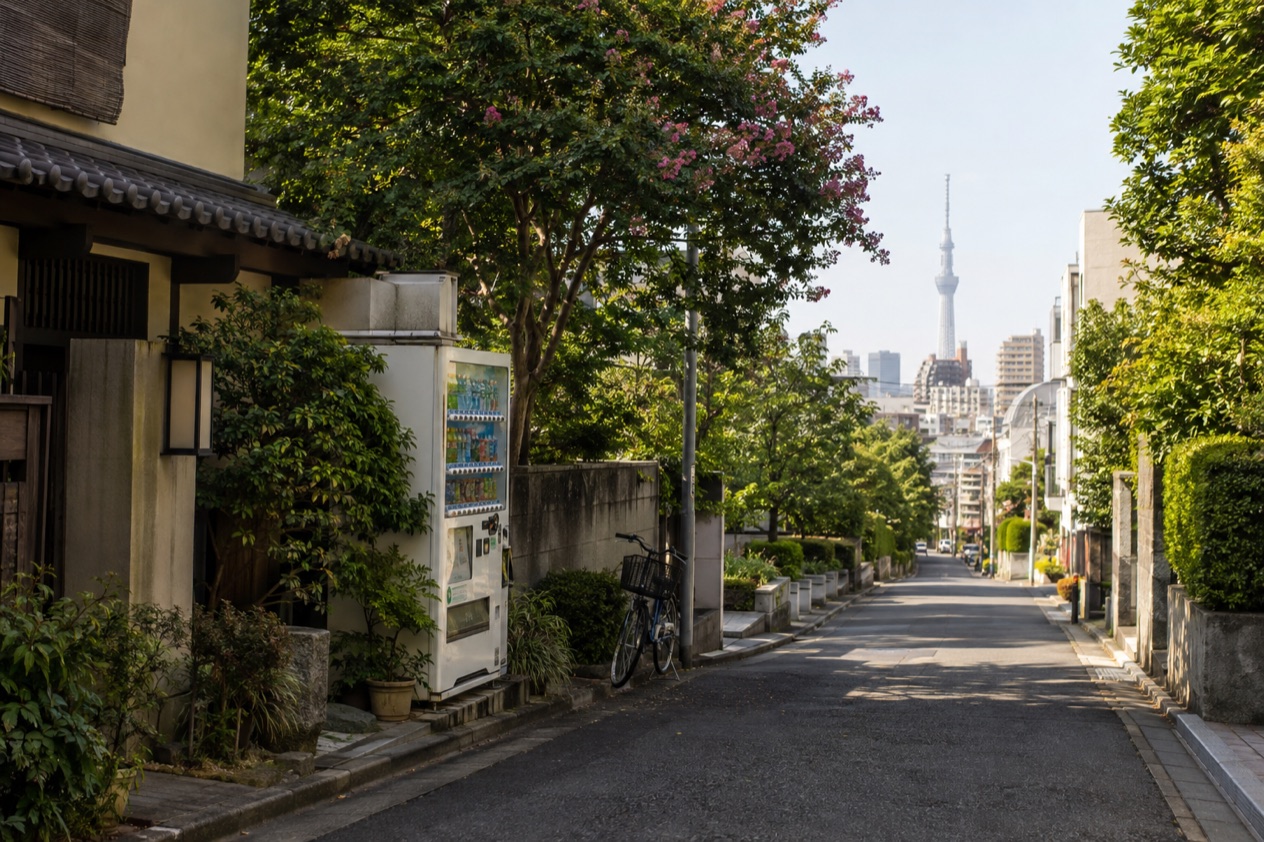
Do you need travel insurance for Japan?
The advice rests on a simple fact: a visitor is not part of the national system, so an illness or an accident turns into a bill that you settle yourself.
Timing is flexible. Travel insurance can be purchased after arriving in Japan, which helps a traveler who forgot to arrange it at home. The Japan Tourism Agency also runs a dedicated travel safety website where visitors can buy a policy. Buying before departure still lets you read the terms at leisure, and it means the emergency phone number of your insurer is already in your pocket when you land.
Why the bill matters more than the illness
Hospitals in Japan may refuse patients who cannot show proof of funds to pay. The consequences of an unpaid bill reach beyond the clinic. If you don’t pay your medical bill, Immigration may prevent you from leaving Japan. Since 2021, foreigners with unpaid medical bills in Japan may also be restricted or denied entry on a later trip.
For a vacation, that is the real argument for a policy. A fall on a stairway at a temple or a night in a hospital after a bad meal is a small event in itself. Without a way to pay, it can become a problem that follows you to the departure gate and to your next visit.
What your other coverage does and does not do
Your health insurance at home is not a substitute. Travel insurance is a product distinct from any health insurance you have in your home country, and U.S. Medicare and Medicaid do not work overseas. The Department of State, U.S. embassies and U.S. consulates do not pay medical bills either.
Some banks offer travel insurance, so it is worth asking your credit card provider about coverage before you leave. Read what it actually includes, because a card benefit and a full travel policy are not always the same thing.
What should it cover?
A good policy covers medical expenses and compensation for damages occurring during the trip, and it should be written so that it works in Japan the way care is actually paid for there. Beyond that basic definition, a few points deserve a close look before you pay.
Evacuation and the gap in the national system
Japan’s national health insurance is only for foreigners with long-term visas, so a short-stay visitor is outside it. It also does not cover medical evacuation, even for those who do belong to it.
If a serious illness or injury would call for transport to another hospital or another country, that cost has to come from your own policy. When comparing plans, look for evacuation by name rather than assuming it is folded into the medical limit.
Mental health care is another point to think about. U.S.-style psychological and psychiatric care is hard to find outside major cities in Japan. A traveler who relies on regular support at home may want to know what the policy offers, and how care would be reached if the itinerary leaves the big cities.
Existing conditions and risky activities
Having a chronic illness will affect travel insurance coverage, so verify with your insurer how a condition is treated before you rely on the policy. The same goes for what you plan to do. Travelers should check that the policy covers their activities, as some particularly dangerous activities may not be covered. If your trip includes hiking, skiing or anything beyond sightseeing, read that clause line by line.
Paying the clinic: direct payment or reimbursement
Some insurance providers offer a third-party payment service, in which the insurance pays the medical provider directly on behalf of the traveler. That feature can spare you from putting a large sum on a card. Without it, you may need to pay upfront and seek reimbursement afterward, because some clinics in Japan do not accept credit cards. Most care providers overseas only accept cash payments, so keep receipts and records for the claim.
Always know how to contact your insurance provider, and keep the emergency phone number with you. A photo on your phone and a printed copy in your wallet or day bag cover both a dead battery and a lost phone.
How does health care work for visitors?
For a visitor, health care in Japan works as care you pay for at the time, with insurance reimbursing you or paying the provider afterward. The national health insurance is for foreigners with long-term visas, so a vacation traveler deals with clinics and hospitals as a self-paying patient.
Emergency numbers
In Japan, dial 119 for ambulance services and 110 for the police. Save both in your phone before you need them, along with your insurer’s emergency line, so that anyone traveling with you can make the call if you cannot.
Once care begins, expect to be asked about payment. Hospitals may refuse patients without proof of funds to pay, which is why a policy card, or a card and some cash, belongs in your day bag.
Prescriptions and medicines
U.S. prescriptions are not honored in Japan. If you travel with a prescription, check with the government of Japan’s Ministry of Health to make sure the medicine is legal there. Do this before the flight, not at the airport, since a medicine that is routine at home may be restricted.
Vaccines and health precautions
The CDC recommends that all international travelers, including those to Japan, be fully vaccinated against measles with the MMR vaccine. Hepatitis A vaccination is recommended for most travelers, especially those who will visit smaller cities, villages or rural areas, or who plan to eat street food. Hepatitis B vaccination is recommended for unvaccinated travelers younger than 60, and those 60 and older may also get vaccinated.
Japanese encephalitis is a narrower question. Vaccination is recommended for people moving to an affected area or spending a month or more there, and should be considered for shorter stays that involve rural areas, hiking, camping, or lodging without air conditioning, screens or bed nets. It is not recommended for short-term travel to urban areas. Yellow fever vaccine is not recommended, and Japan does not require it for entry.
Dogs infected with rabies are not commonly found in Japan, and if an exposure occurs, rabies vaccines are typically available throughout most of the country. For ticks and mosquitoes, the CDC recommends a repellent with 20% or more DEET. For the sun, it advises sunscreen of SPF 15 or higher and shade during the hottest hours, from 10 a.m. to 4 p.m.
Good to know before you go
Cash still matters when a clinic does not take cards, so keep some yen on hand alongside your insurance details. Traffic flows on the left, and pedestrians should look right for approaching cars when crossing. U.S. citizens who choose to drive in Japan must get an International Driving Permit and carry it with their U.S.-issued license at all times, a good thing to remember because an accident is one more situation where your policy and your papers need to be in order.
Sources
- U.S. Department of State, Japan travel information, health (https://travel.state.gov/content/travel/en/international-travel/International-Travel-Country-Information-Pages/Japan.html), checked October 11, 2026
- Japan National Tourism Organization, insurance and health care for visitors (https://www.japan.travel/en/plan/travel-insurance-in-japan/), checked October 11, 2026
- CDC Travelers' Health, Japan (https://wwwnc.cdc.gov/travel/destinations/traveler/none/japan), checked October 11, 2026
To plan your stay
- Best Time to Visit Japan: Cherry Blossoms, Autumn Colors, Weather and Festivals
- Where to Stay in Japan: Ryokan, Temple Stays, Capsule Hotels and the Best Cities to Base In
- Sending Luggage from the Airport in Japan: Hands-Free Travel, Hotel Delivery and Coin Lockers
- Know Before You Go to Japan: Entry, Money, Etiquette and Getting Around