
At a tiny ramen counter in Tokyo, the ticket machine by the door hums, takes your coins and bills, and spits out a paper stub for the cook. It is a small scene, but it is where most travelers first wonder how much yen to carry. The short answer is that cards work widely, cash still earns its place in your pocket, and ATMs at post offices and convenience stores fill the gap.
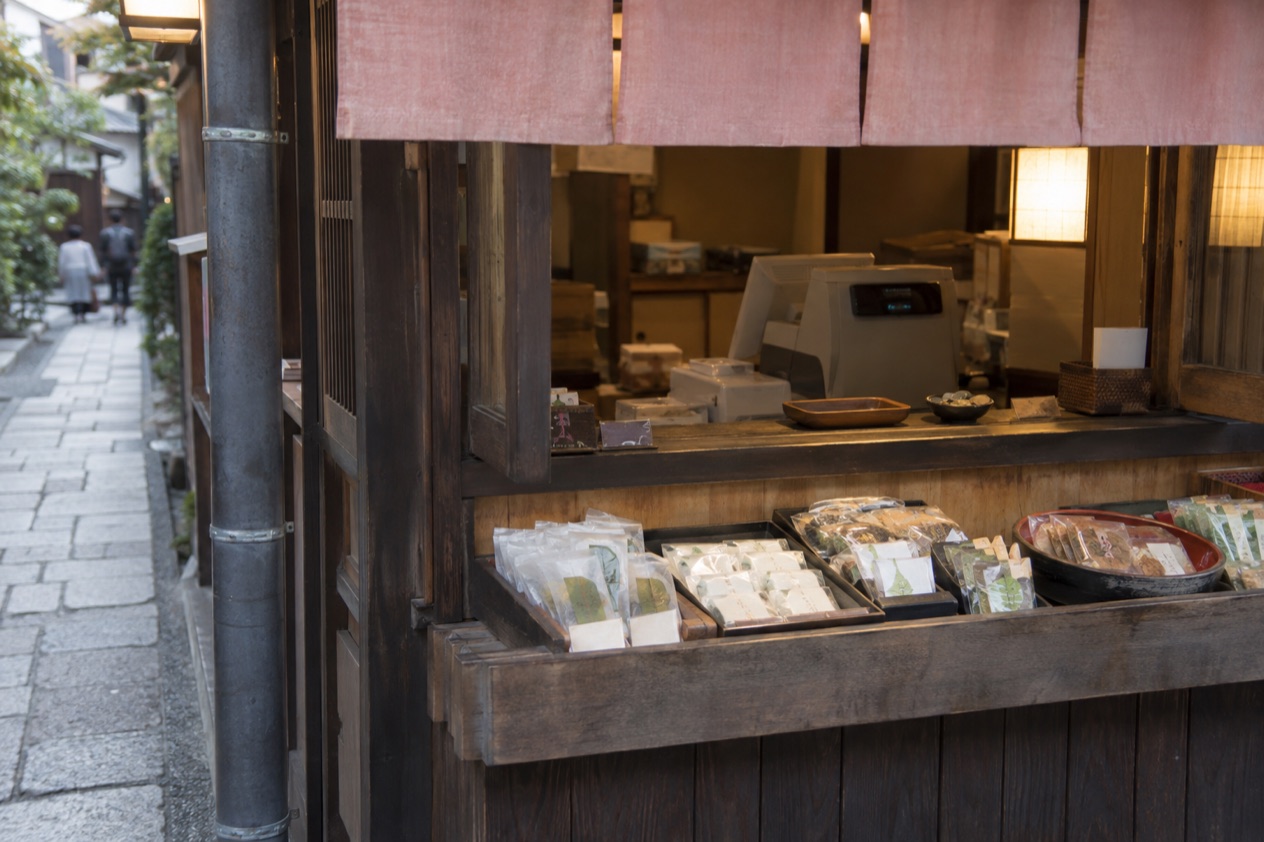
Do you need cash in Japan?
You need some, yes, because international credit, debit and prepaid cards are generally accepted throughout Japan, but not at every counter, ticket machine or small shop. Think of cards as your main tool and cash as the backup that keeps a day moving when a card reader is missing. A small stash of yen also makes the little purchases, the shrine offering or the drink from a street machine, feel unhurried.
Some stores do not display the logos of the cards they take. Rather than guess from the door, ask the person at the register whether your card works. A quick question and a raised card is a normal exchange, and it saves you from reaching the front of a line with nothing to pay with.
The bills and coins you will handle
The yen (JPY) is the official currency of Japan, issued by the Bank of Japan. Bills and coins come in the denominations below, and you will meet nearly all of them within a day or two of arriving.
| Type | Denominations (yen) |
|---|---|
| Bills | 1000, 2000, 5000, 10,000 |
| Coins | 1, 5, 10, 50, 500 |
The highest-value bill is generally accepted even for small purchases, so a fresh note from the ATM will not embarrass you at a bakery counter. The 2000 bill is the odd one out.
Few are in circulation, and the note is accepted but can easily be mistaken for the 1000 bill, so a glance at your change is a good habit. Notes of the Series F design were introduced on July 3, 2024, so you may see new and older bills side by side.
Coins add up fast
Japanese coins pile up quickly in a pocket, because the five most common values are all in circulation and a single meal can leave you with a handful of change. A coin purse is the sensible answer, and it is the kind of small purchase that pays for itself by the end of the first week. The 500 coin is the heaviest of the lot and comes in handy for lockers, machines and small counters.
Many travelers settle into a routine: bills in a wallet, coins in a separate pouch, and a quick count each evening so the pouch never becomes a brick. A coin purse also makes it easy to pay at a small stall without fumbling through a wallet in front of a waiting line.
Suica and Pasmo as a cash alternative
For anyone who does not want to carry a large amount of cash, a Suica or Pasmo card is a useful stand-in. You load the card with money, tap it at the gate, and the fare comes off the balance. It pays for train tickets and also works on many other public transportation options, in convenience stores and in a growing number of shops and restaurants.
These cards cannot be used everywhere, so they do not replace cash entirely. Treat them as a way to shrink the pile of coins and to skip the ticket machine at the station, with real yen still in your wallet for the places that do not read a tap. A stored-value card in the pocket also means one less thing to count at the end of a long day of sightseeing.
A typical day might begin with a tap through the gate in Tokyo, continue with a coffee paid by the same card at a convenience store, and end with a bowl of noodles paid in coins at a counter that has no reader at all. That mix of tap, card and cash is exactly what the page’s advice comes down to: a little of each.
Where can you withdraw cash?
Travelers can withdraw money at Japan Post Bank and Seven Bank ATMs, and the major banks with international-card machines add more options. In practice that means a post office, a train station, a supermarket or a Seven Eleven store, all places you pass on an ordinary day. The machines below differ in the cards they read, so it helps to know which name is on the one you stand in front of.
Seven Bank ATMs
Seven Bank ATMs sit mainly in Seven Eleven convenience stores. When you insert a foreign-issued card, the screen, the receipt and the voice guidance can be set to English, Chinese, Portuguese, Thai, Indonesian, Vietnamese, Tagalog, Spanish or Japanese. For an English speaker that means a menu you can follow from the first tap to the last.
The machine stands inside a store, which is a pleasant way to take out cash: grab a rice ball or a coffee while you are there, and use the new notes right away. Because the stores are part of ordinary neighborhoods, you are likely to run across one without planning for it.
Japan Post Bank ATMs
Japan Post Bank ATMs are located in post offices, train stations and supermarkets throughout Japan, and the service is available in English. Their operating hours vary from one location to the next, so a machine at a station may not keep the same schedule as the one in a post office downtown.
Post offices are easy to recognize by their red and white sign, which makes them handy landmarks as you walk. If a machine is closed when you arrive, another ATM of a different bank is usually the next thing to try, since the networks overlap in busy areas.
Bank branch ATMs
Three large banks also operate machines that read international cards. In each case you can withdraw cash, but deposits and transfers are not available, and at the Mitsubishi UFJ branches the accepted cards vary by machine.
| Bank | Cards named | What you can do |
|---|---|---|
| Mizuho Bank | MasterCard, Maestro, Cirrus | Withdraw cash |
| Mitsubishi UFJ Bank | Visa, MasterCard, Maestro, Cirrus, UnionPay, JCB, DISCOVER | Withdraw cash, check balance |
| Sumitomo Mitsui Banking Corporation (SMBC) | Visa, MasterCard, Maestro, Cirrus, UnionPay | Withdraw cash, check balance |
Look at the logos printed on the machine itself, since those tell you which networks it reads. A card that is turned away at one ATM may work at the one next door, and that is a normal part of using a foreign card abroad rather than a sign that something is wrong with it.
Airport ATMs and currency exchange
The four major airports, Narita International, Haneda, Chubu Centrair International and Kansai International, all have ATMs. Service fees may be charged depending on the time or day of withdrawal, so the same machine can cost more on a weekend than on a weekday. Taking out cash on arrival means you can pay for the first meal or fare right away.
Major banks also exchange foreign currency, among them Bank of Tokyo-Mitsubishi UFJ, Mizuho Bank, Sumitomo Mitsui Banking Corporation and Japan Post Bank, but many close at 3 p.m. A counter visit is therefore an early-afternoon errand, and it pairs well with a morning of sightseeing nearby.
Which cards are accepted?
International credit, debit and prepaid cards are generally accepted throughout Japan, which covers the networks most American travelers hold. The major card companies named by the Japan National Tourism Organization are American Express, JCB, Mastercard, Visa, Discover and Diners Club. A card from one of them is a sound thing to have in your wallet next to your yen.
Shops, restaurants and the question at the counter
At a department store, a hotel or a larger restaurant, paying with a card is the ordinary thing to do. At smaller places the picture can change, and some stores do not display the symbols of the cards they accept. That is the moment to hold up your card and ask the seller whether it works.
A good rhythm is to try the card first and keep the yen as the fallback. If the answer is no, you pay in cash and the day goes on, which is why a few bills and a coin purse are worth carrying even if you plan to tap for most things. A stall at a shrine fair or a tiny counter in a market alley is exactly where this comes up.
Train and subway tickets
Cards are accepted to pay for Narita Express (JR) and shinkansen (JR) train tickets, so the long rides between cities can be paid with plastic. For short-distance train or subway tickets, it is not always possible to use a card. This is where the Suica or Pasmo card earns its keep, since a tap replaces the ticket machine altogether.
If you arrive at a station without a stored-value card, the ticket machine will take coins and bills. Having small change on hand, which the coin purse makes easy, keeps you from holding up the people behind you at a busy gate.
If a card goes missing
If you lose your credit card, contact the issuer directly to have it replaced. It is advised to keep a list of the issuer’s toll-free numbers and not to store it with your cards, so a lost wallet does not take the phone numbers with it. A note on your phone, or a line in your hotel paperwork, does the job.
Carrying more than one card, from different networks, gives you a second option at an ATM that reads only some of them. Together with a pouch of yen, that is a sturdy setup for a trip that runs from a train platform to a temple gate to a small restaurant.
Good to know before you go
Money in Japan is a mix of tap, card and coin, and the people who handle it best are the ones who carry all three. Keep your cards and your issuer’s phone numbers apart, count your coins at the end of the day, and look twice at the bills in your change. If a typhoon or heavy rain interrupts a day, a little cash in hand keeps you flexible when a reader or a machine is down.
Sources
- Japan National Tourism Organization, credit cards and cash, where cards are accepted (https://www.japan.travel/en/plan/credit-cards/), checked October 11, 2026
- Japan National Tourism Organization, yen, coins, bills, exchanging money, ATMs (https://www.japan.travel/en/plan/currency/), checked October 11, 2026
- Wikipedia, Japanese yen (https://en.wikipedia.org/wiki/Japanese_yen), checked October 11, 2026
To plan your stay
- Best Time to Visit Japan: Cherry Blossoms, Autumn Colors, Weather and Festivals
- Where to Stay in Japan: Ryokan, Temple Stays, Capsule Hotels and the Best Cities to Base In
- Sending Luggage from the Airport in Japan: Hands-Free Travel, Hotel Delivery and Coin Lockers
- Know Before You Go to Japan: Entry, Money, Etiquette and Getting Around