
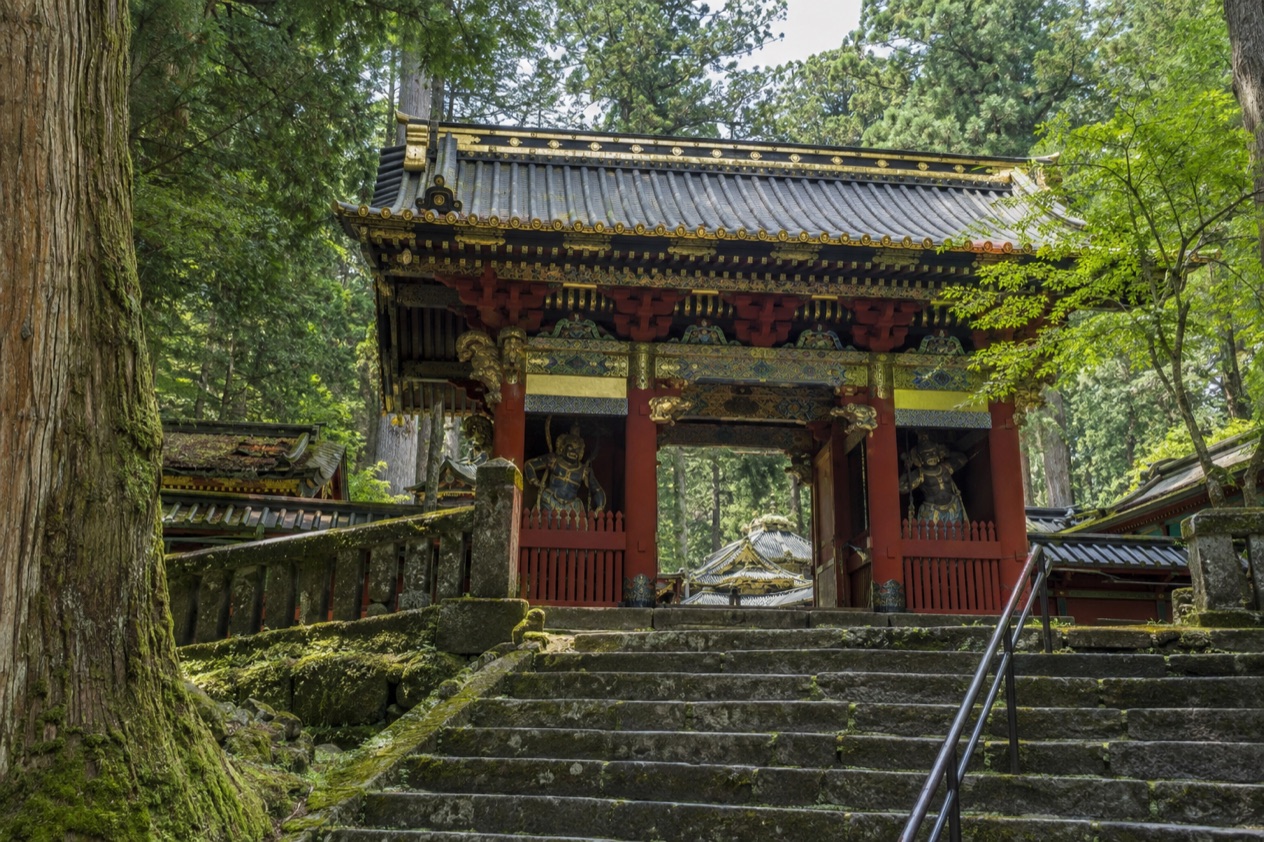
Step off the train at Tobu-Nikko Station and the air already feels different from Tokyo’s, cooler and scented with cedar from the forested slopes above the town. Lacquered shrine gates, stone lanterns and moss-covered steps wait up the hill, and a Japanese saying promises that you should never say kekkō, splendid, until you have seen Nikko. A few practical things about the weather, the shrines’ hours, paying and manners make the visit run more smoothly.
What should you know before visiting Nikko?
Four things matter most: Nikko sits in the mountains of Tochigi Prefecture, so its weather is its own; the great shrines keep seasonal hours; the trip from Tokyo is a real outing rather than a quick hop; and the usual Japanese habits, from shoes to quiet, apply at every threshold.
Nikko is a city in the Kanto region, on the Tochigi side, and its territory is large, stretching from the temple town up toward Lake Chuzenji and the high country around Oku-Nikko. Plan for the town and the lake country as different places, with different temperatures and a different feel underfoot.
What tends to surprise first-time visitors is the climate. Oku-Nikko, high above the town beside Lake Chuzenji, can be wintry while Tokyo is merely cool, and in summer it turns damp and cloudy.
The other surprise is the clock: Toshogu Shrine and Taiyuin close their gates earlier in the afternoon than people expect, and the hours shorten again from November. A morning start leaves room for everything, and a late arrival can mean standing outside a closed gate.
| Site | Open |
|---|---|
| Toshogu Shrine | 8:00-16:30 (April to October), 8:00-15:30 (November to March) |
| Taiyuin | 8:00-16:30 (April to October), 8:00-15:30 (November to March) |
| Toshogu Museum | 9:00-16:00 daily |
Entry, customs and paperwork
According to the U.S. State Department, U.S. citizens visiting Japan for tourism or business can stay without a visa for up to 90 days. They need a passport that is valid for the entire stay, and they should have proof of a return or onward ticket. Working on the local economy is not allowed during a visa-free stay.
Once in the country, visitors are expected to carry their U.S. passport with them at all times, since people who cannot show proof of identity and status may be questioned or detained. That habit is worth building from the first day, including on a day trip out of Tokyo to Nikko.
One more item concerns what you pack. CBD products may be illegal in Japan depending on how much THC they contain, so they are better left at home than carried through the airport and onto the train to the mountains.
Money, cards and tipping
International credit, debit and prepaid cards are generally accepted throughout Japan, and that includes the shops, restaurants and lodgings of a town like Nikko. Some stores do not display the symbols of the cards they take, so the simple move is to ask the seller whether your card works before you order or fill a basket.
In practice, small family-run places near the shrines, tea houses and stalls selling local sweets are the sort of spots where asking first saves an awkward moment at the register. A little cash in yen in your pocket keeps those stops relaxed, especially when you are heading up toward the lake country.
Tipping is not part of daily life in Japan. Restaurant staff, taxi drivers and ryokan hosts do not expect extra money, and a sincere thank you, often with a small bow, is the usual way to show appreciation. If someone runs after you with change you thought you had left behind, that is simply how things are done.
Getting around and staying connected
Nikko is reached by rail from Tokyo: Tobu-Nikko Station is about 2 hours from Asakusa Station and Shinjuku Station. That makes the town a full day out of the capital or a stop on a longer route, and it is worth thinking of the journey as part of the day rather than a detail.
Nikko lies about 87 miles north of Tokyo and about 22 miles west of Utsunomiya, the capital of Tochigi Prefecture. In the other direction, buses run from Oze to Nikko between mid-spring and mid-autumn, which links the town to the high marshlands of the Oze area during the warm months only.
Within the town, the shrines and temples are the heart of the visit, and the museum of Toshogu sits alongside the shrine. Beyond them lies the Oku-Nikko country around Lake Chuzenji, which is higher and noticeably colder than the town center, so dress for the destination rather than for the station where you arrived.
Health, water and the weather
The weather in Nikko depends on where you stand, and the figures here describe Oku-Nikko, high above the town near Lake Chuzenji. January there is truly wintry, with highs around freezing, lows in the teens, and snow or sleet on most days of the month. Expect icy paths and a landscape of white.
April is cool and damp, with highs around 50°F, frosty mornings, and a final dusting of snow on a handful of days. July brings the opposite mood: mild highs in the low 70s, the heaviest rainfall of the four months, humid air and little sunshine, so cloud often wraps the lake and the hills.
October is crisp, with highs in the mid-50s and lows in the low 40s, rain on about a third of the days and only a rare flake of snow. That is jacket weather in the mountains, and a waterproof layer is worth having in most months.
| Month | Avg high (°F) | Avg low (°F) | Precipitation (in) | Days with rain or melted snow | Sunshine (hours) |
|---|---|---|---|---|---|
| January | 31.5 | 17.8 | 2.26 | 6.4 | 165 |
| April | 50.2 | 32.4 | 6.08 | 10.7 | 187 |
| July | 71.8 | 58.8 | 11.04 | 16.4 | 110 |
| October | 56.7 | 42.3 | 9.48 | 11.1 | 123 |
Local customs and etiquette
In Japan it is customary to take off your shoes at the entrance of a building, step into indoor slippers and leave your shoes in a shoe box or neatly to the side. You will meet this routine at ryokan, at some restaurants and at certain temple halls, and it is a quiet pleasure once you fall into it.
Inside a home or a ryokan, slippers come off again on tatami mats, and a separate pair of slippers is often provided for the bathroom. Walking on tatami in socks or bare feet is the habit, and it is worth remembering that the toilet slippers stay in the toilet.
Beyond shoes, everyday manners are modest and considerate. People keep their voices low on trains and buses, line up in an orderly way, and carry their trash with them until they find a bin. Around shrines and temples, a slow pace, a hushed tone and a small bow at a gate fit the surroundings, and visitors tend to follow the lead of the people around them.
Good to know before you go
The U.S. State Department rates Japan Level 1: Exercise Normal Precautions.
In Nikko, July is the wettest and most humid of these months, so a rain layer belongs in the bag for a summer visit, and autumn is wet as well. Keep your passport in your day bag, since you are expected to have it on you, and keep your ticket and receipts from shrine visits handy for the gates. A last habit that serves in any season is to check the closing time for the shrines before you climb the hill, because the gates close earlier from November.
Sources
- Japan National Tourism Organization, Nikko (https://www.japan.travel/en/destinations/kanto/tochigi/nikko-area/), checked October 11, 2026
- Wikipedia, Nikkō, Tochigi (https://en.wikipedia.org/wiki/Nikk%C5%8D,_Tochigi), checked October 11, 2026
- Wikivoyage, Nikko (https://en.wikivoyage.org/wiki/Nikko), checked October 11, 2026
- U.S. Department of State, Japan travel information, local laws and special circumstances (https://travel.state.gov/content/travel/en/international-travel/International-Travel-Country-Information-Pages/Japan.html), checked October 11, 2026
- Japan National Tourism Organization, manners, etiquette, shoes, bowing, chopsticks, public behavior (https://www.japan.travel/en/guide/understanding-and-mastering-japanese-manners-and-etiquette/), checked October 11, 2026
- Japan National Tourism Organization, credit cards and cash, where cards are accepted (https://www.japan.travel/en/plan/credit-cards/), checked October 11, 2026
- U.S. Department of State, Japan travel advisory (https://travel.state.gov/content/travel/en/international-travel/International-Travel-Country-Information-Pages/Japan.html), checked October 11, 2026
- U.S. Department of State, Japan travel information, entry and exit requirements (https://travel.state.gov/content/travel/en/international-travel/International-Travel-Country-Information-Pages/Japan.html), checked October 11, 2026
- Japan Meteorological Agency (JMA), Normal values 1991-2020, monthly (https://www.data.jma.go.jp/stats/etrn/view/nml_sfc_ym.php?prec_no=41&block_no=47690), station Okunikko, elevation 1292 m, checked October 11, 2026
To plan your stay
- Best Time to Visit Nikko: Weather by Month, Cherry Blossoms, Autumn Color and Snow
- Things to Do in Nikko: Toshogu Shrine, Lake Chuzenji, Kegon Falls and Kinugawa Onsen
- Where to Stay in Nikko: Station Side, Shrine Precinct, Ryokan Stays and Heritage Stays
- Nikko from Tokyo: Tobu Railway Trains, Limited Express Names and a Day in Nikko