
You stand in a Tokyo train car with a puffy coat zipped to the chin, and the heating is so warm that your scarf suddenly feels like a mistake. Winter in Japan asks for clothes that can be added and removed quickly, with a few extra pieces if your route climbs into the mountains or heads north.
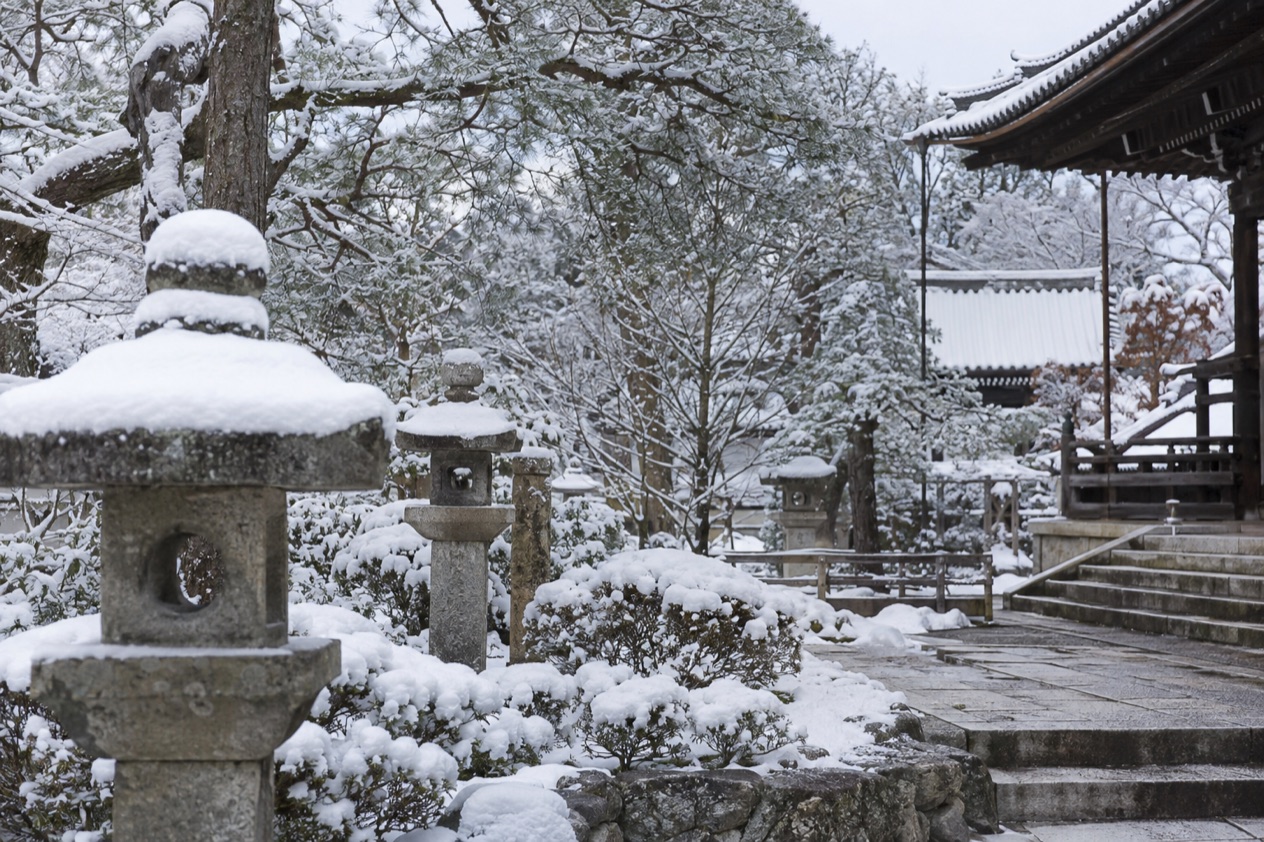
What should you pack for Japan in winter?
Pack layers you can peel off in a heated train or restaurant and add back on a cold street, plus one warm outer coat, and add snow-ready extras only if your trip includes the mountains or the north. That one idea shapes every bag. Japan’s cities, its shrines and its ski areas all call for different things, and a suitcase built around thin layers handles the swings between them.
So the core kit is the same for everyone, and the extras depend on where you are going.
The core layers for every trip
Start with a thin thermal base layer, the kind that sits against the skin and dries fast. Over it, wear a sweater or fleece, and over that a coat that blocks wind.
Choose wool or a wool blend for socks and sweaters, since they stay comfortable if you get a little damp. Bring a pair of long pants that you can wear over thermal leggings, and keep a lightweight scarf in your daypack so you can wrap up the moment you step outside.
Hats, gloves and the small things
A knit hat, a scarf and gloves take almost no room and change how a long day outdoors feels. Pick gloves thin enough to handle a phone screen or a transit card, because you will be tapping and fumbling for tickets constantly. A neck warmer does the job of a scarf and does not trail into your bowl of ramen.
Travelers also tuck disposable hand warmers in a pocket, a winter habit across Japan. They are small, cheap to carry and welcome when you line outside a shrine or wait for a train on an open platform.
Shoes that come off easily
Shoes come off at the entrance of a ryokan, at many temple halls and in some restaurants with raised tatami seating. Footwear that slips on and off without a long lacing session saves you a lot of small embarrassment. Pair it with socks that have no holes, since you will be standing in them in front of other people more often than you expect.
For city walking, choose comfortable waterproof shoes or boots with a grippy sole. Wet pavement, temple steps and shrine gravel all feel different on a cold day, and you will cover a lot of ground on foot.
Extras for snow country
If you plan to ski or visit snowy towns, the list grows. Nagano is a popular ski destination for travelers from Tokyo, the Hakuba Valley is a popular choice among its mountain areas, and on Hokkaido, Niseko and Rusutsu draw skiers and winter travelers. In these places you want insulated waterproof boots, waterproof pants or shell trousers, and gloves that stay warm when wet.
Add goggles or sunglasses for bright snow, a face covering for wind, and a spare pair of socks in your daypack. Even if you only walk through a snowy village without skiing, boots with real tread are the piece you will be glad to have.
How cold does it get?
It depends on where you stand: the mountains and the north get heavy, regular snow, while most major cities rarely see any. That split is the most useful thing to know when you decide what goes in the bag, because a trip to Tokyo, Osaka or Kyoto asks for a very different wardrobe than a week on Hokkaido.
The big cities
In the major cities you are dressing for cold, windy streets rather than deep snow. A good coat, a scarf and warm layers cover it, and you will often be indoors in places that are comfortably heated, such as department stores, museums, cafes and trains. The skill is not surviving the cold but managing the contrast between outside and inside.
Kansai travelers (Osaka, Kyoto, Nara, Kobe) can also take a day trip to Biwako Valley, in the mountains around Lake Biwa. That outing puts you in higher terrain, so a day pack with an extra layer, gloves and sturdier shoes makes sense even if you sleep in a city hotel.
Mountains and ski areas
In the mountains, heavy snow is a regular part of the season, and you should dress as though you will spend long stretches standing outside. Nagano’s slopes and the Hakuba Valley are where travelers from Tokyo go to ski, and the clothing there is built around waterproof outer layers over warm mid layers.
Keep a dry set of base layers for the evening. After a day in the snow, a hot bath at an onsen is the traditional reward, and dry clothes afterward feel like a small luxury.
Hokkaido and the north
The north is where winter feels most like winter. Niseko and Rusutsu are popular with skiers and winter travelers, and the island’s towns live with snow as a normal part of the season. Plan for insulated boots, a warm hat that covers the ears, and an outer layer that is both windproof and waterproof.
The Sapporo Snow Festival takes place during the first week of February, and its snow and ice sculptures attract nearly two million people each year. You will be standing outdoors among those sculptures for a while, so this is the moment for your warmest socks, your thickest gloves and boots with good grip.
New Year mornings at shrines
If your trip falls at the turn of the year, remember that hatsumode, the first shrine or temple visit, happens on January 1st, when many Japanese people pray for good luck and prosperity. The official New Year ceremony at Heian-jingu in Kyoto takes place at 6 a.m. on that day, which means standing outside in the cold before dawn.
Wear every layer you own for these visits. Meiji-jingu in Tokyo is one of the best destinations for hatsumode, with forest paths leading to the main building, and Sumiyoshi Taisha in Osaka welcomes more than two million visitors for the new year. Expect to move slowly among a crowd, so warm feet and gloves matter more than style.
What can you leave at home?
You can leave behind anything bulky that only makes sense for deep snow, plus most of the extra shoes, formal clothes and spare jackets that tempt you when you pack. Because the major cities rarely see snow, a city-only itinerary does not need ski pants, heavy snow boots or a sleeping-bag-style parka.
Heavy snow gear for city trips
If your route is Tokyo, Kyoto, Osaka and a few shrines, skip the insulated snow boots and waterproof shell pants. A warm coat, sweaters and a pair of comfortable waterproof shoes will cover you. That saves a large amount of suitcase room, and you will need it, because heavy items are the first to cause trouble on stairs and crowded trains.
The same goes for a very thick parka. A medium coat with good layers underneath is more flexible, since you can wear it outside and carry it comfortably when you step into a heated train or a restaurant.
Too many shoes and outfits
One pair of walking shoes or boots, one slip-on pair for indoor stops and perhaps a pair of comfortable sneakers is usually enough. Shoes are the heaviest part of any bag, and since you will take them off often, the fewer pairs you manage, the smoother your days go.
The same logic applies to outfits. Choose a small palette of colors that all mix together, then rely on layers and a scarf to change the look. You will wear the same coat in nearly every photo anyway.
Things to plan around rather than pack
During the New Year holidays, many restaurants and attractions are closed. Rather than packing snacks and extra supplies, plan your days around that pause, and spend those days at shrines, in a ryokan or in the snow. If you are headed to the slopes, the clothes you wear on them are the part you need to think about most, and the rest can stay simple.
A small daypack is more useful than a second large bag. It holds the layer you take off, a pair of gloves and a hand warmer, and it keeps your hands free on stairs and train platforms.
Good to know before you go
Winter travel in Japan rewards a flexible plan. The New Year holidays bring closures at many restaurants and attractions, so treat those days as a time for shrines, bathing and slow meals rather than a full sightseeing schedule. Keep a few layers in your daypack, wear shoes that come off easily, and match your outer gear to the place you are going: a city coat for the cities, and waterproof boots and snow clothing for Nagano, Hakuba, Niseko, Rusutsu and the other snowy areas.
Sources
- Japan National Tourism Organization, winter in Japan (https://www.japan.travel/en/guide/winter-guide/), checked October 11, 2026
To plan your stay
- Best Time to Visit Japan: Cherry Blossoms, Autumn Colors, Weather and Festivals
- Things to Do in Japan: Kyoto Temples, Onsen, Street Food and Day Trips
- Where to Stay in Japan: Ryokan, Temple Stays, Capsule Hotels and the Best Cities to Base In
- Sending Luggage from the Airport in Japan: Hands-Free Travel, Hotel Delivery and Coin Lockers