
Somewhere between the airport and the first chairlift, the question always comes up: which resort, exactly? Japan’s ski country stretches from the northern island of Hokkaido to the Japanese Alps and the slopes of Niigata, and each area has its own personality. Niseko, Hakuba, Rusutsu and Gala Yuzawa are the names that come up most, and the right one depends on the month you travel and how you like to get there.
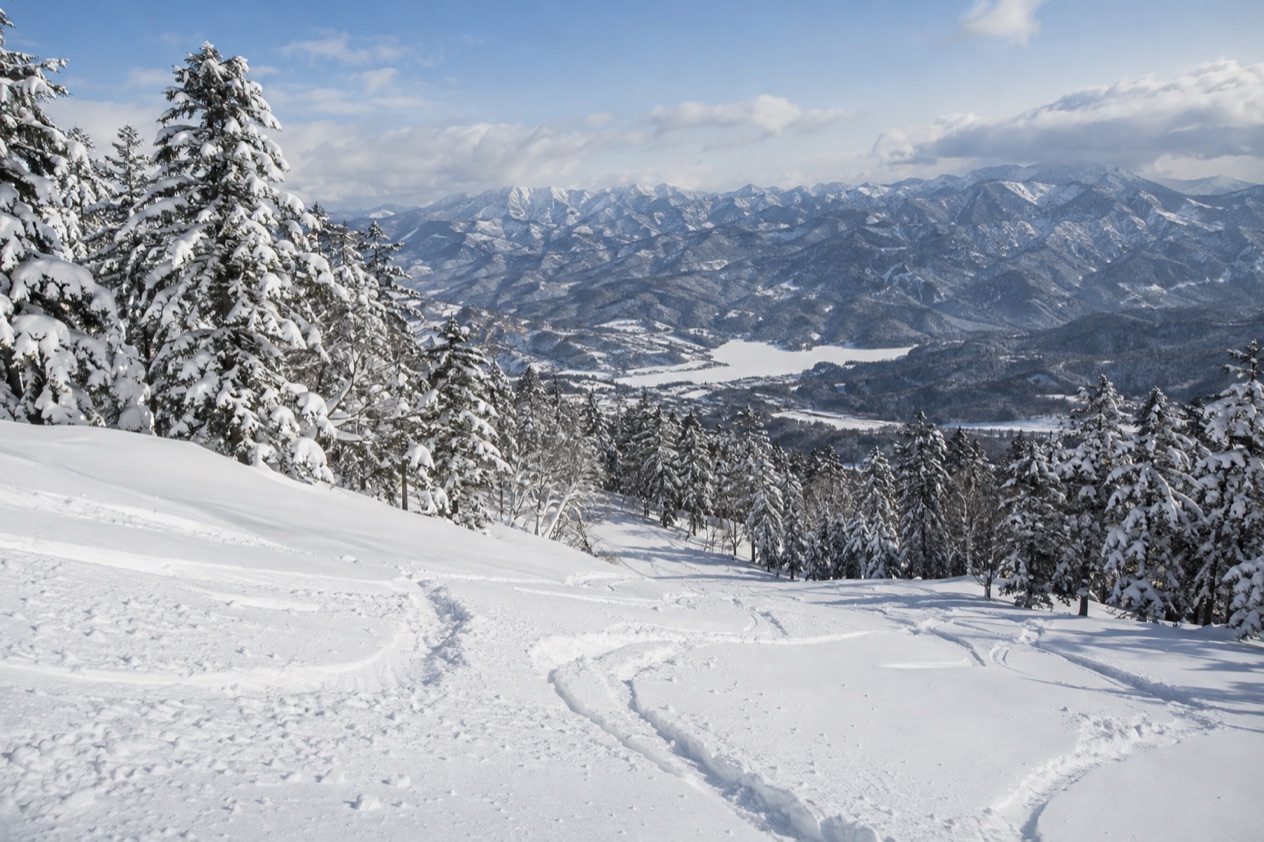
What should you know about Japan’s ski resorts?
Japan is an ideal destination for winter sports enthusiasts because of the quality of its snow, its infrastructure and its accommodations, and the season is long enough to plan around. It generally opens in December and runs until April, though each resort sets its own dates according to its location. The Japanese ski season lasts from early December to late April in broad terms, so a trip in either shoulder month can still work if you check the resort you have chosen.
Resorts come in very different shapes. Some are huge complexes with dozens of courses, some are small hill areas with a single gondola, and a few are indoor facilities near big cities. Knowing which kind you want saves a lot of time on the map.
Records worth knowing
Shiga Kogen in Nagano Prefecture is the largest ski resort complex in Japan, covering 4.25 square kilometres (1.64 sq mi) and featuring 85 courses. Yamagata Zao Onsen is the largest single ski resort, with an area of 1.86 square kilometres (0.72 sq mi). The names tell you something: Zao is a hot spring town, and Shiga Kogen is a string of linked areas rather than one village.
Naeba Ski Resort in Niigata Prefecture has the longest aerial lift in Japan, at 3.4 miles, which is a ride in itself. Suginohara Ski Area in Myoko Kogen has the longest ski run in the country, measuring 5.3 miles. Akakura Onsen Ski Area, also in Myoko Kogen, is the oldest ski resort in Japan, established in 1937.
Tree runs and how they are graded
Rusutsu is renowned for its excellent tree runs, and tree skiing is a big part of why people come to Japan. Grading varies by resort, but the numbers are typically numeric, starting from 1 as the easiest. Because the system is not shared, it pays to read each resort’s own explanation before you head in among the trunks.
Indoor options and changes at older resorts
Sayama Ski Resort in Saitama Prefecture offers indoor skiing only. Snova Mizonokuchi and Snova Shinyokohama, both in Kanagawa Prefecture, are indoor ski facilities, and Kamui Ryugasaki Snowboard Park in Ibaraki Prefecture is an indoor snowboard park. They suit a practice session before a trip.
Resorts also open, close and change hands. Arai Mountain Resort & Spa in Niigata Prefecture closed in April 2006 and re-opened in December 2017, Cupid Valley in Niigata came under new ownership in the 2020/21 season, and Madarao Kogen Sympathique Ski Area in Nagano Prefecture closed in 2018. A quick look at a resort’s current status before you plan around it is worthwhile.
Epic Pass resorts
The Epic Pass is valid at Hakuba and Rusutsu. For skiers who already carry that pass, those two names make a natural starting point.
Which resorts and seasons matter?
Niseko, Hakuba and Rusutsu lead the list for most visitors, with January and February as the heart of the season. Hokkaido in the north and the high-altitude mountains of Nagano typically have snow earlier than other regions, and peak season falls in January and February when snowfall is most frequent. On Hokkaido, you’ll want to aim for January and February for the most reliable powder.
Niseko
Niseko is the largest ski resort in Japan and also the most developed and popular. It offers the most English-language activities of any ski resort in the country, and on a clear day it has beautiful views of Mount Yotei. The area is spread across villages named Hirafu, Niseko Village and Annupuri, which is also how the direct bus stops are laid out.
Snow or sleet falls on nearly every day from December through February, and the town sits at a low elevation, so the mountains will differ. The table gives the monthly picture for the town.
| Month at Kutchan | Average high (°F) | Average low (°F) | Snowfall (inches) | Days of snow or sleet | Hours of sunshine |
|---|---|---|---|---|---|
| December | 32.0 | 19.8 | 99.6 | 28.9 | 39 |
| January | 28.4 | 14.7 | 99.6 | 30.7 | 47 |
| February | 30.2 | 15.1 | 73.6 | 27.0 | 65 |
| March | 37.4 | 21.7 | 48.0 | 24.4 | 121 |
Rusutsu and Hokkaido’s other resorts
Rusutsu sits right next to Niseko and is renowned for its tree runs, heavy snowfall and a very good lift system. It is one of the ski resorts recommended by the Japan National Tourism Organization, along with Sahoro Ski Resort and Hoshino Resorts Tomamu. Sapporo Teine ski resort is located less than an hour from the city of Sapporo, which makes it a way to fit a day on the slopes into a city stay.
Hakuba and the Nagano mountains
Hakuba, in the Japanese Alps of Nagano Prefecture, attracts winter sports enthusiasts through its easy access from Tokyo and the diversity of its ski area. Shiga Kogen, the largest resort complex, is in the same prefecture, and the high-altitude mountains of Nagano typically see snow earlier than other regions.
Niigata and the train-side resorts
Gala Yuzawa in Niigata is easily accessible because a gondola is directly connected to the train station. It holds the distinction of being Japan’s only ski resort with a dedicated Shinkansen station. Kagura, a ski resort higher up than Gala Yuzawa, can be reached by taking the Shinkansen to Jomo Kogen Station. Naeba, with its record-setting lift, is also in Niigata Prefecture.
A shorter season in the San’in region
The local season in the San’in region of Shimane and Tottori is a bit shorter than the rest of the country, running from late December to March. Daisen is the largest ski area in the Chugoku area, with 14 lifts along the slopes of Mt Daisen (1700m).
How do you plan?
Start with the month, then pick the resort by how you want to arrive. The Christmas and New Year holidays, as well as early February, attract the largest number of skiers to the slopes, so those weeks are the busiest, while January and February overall bring the most frequent snowfall.
Getting to Niseko
To get to Niseko from Tokyo, you can take a plane to New Chitose Airport (Shin-Chitose) in Hokkaido, a 1.5-hour flight, then a direct 3-hour bus to Niseko with stops in Hirafu, Niseko Village and Annupuri. Sapporo’s New Chitose Airport is the closest major airport to ski fields on Hokkaido, so it serves the whole island’s resorts.
Getting to Hakuba
Chuo Taxi offers a long-distance transfer service from Narita and Haneda airports to Hakuba, taking 4 to 5 hours. There are also long-distance buses from Tokyo direct to major ski resorts, particularly those around Nagano, with services operated by Nagano Snow Shuttle and other companies.
Getting to Gala Yuzawa and Kagura
Gala Yuzawa is the one resort where the Shinkansen station and the gondola connect directly, so you step from the train toward the slopes. Kagura is reached by taking the Shinkansen to Jomo Kogen Station.
Matching the resort to the trip
For English-language activities and a developed village, Niseko fits. For tree runs and heavy snowfall next door, Rusutsu. For a variety of terrain reached from Tokyo, Hakuba. For a day on snow from a city base, Sapporo Teine. For a lift station at the train platform, Gala Yuzawa.
Skiing carries real risk: 30-40 skiers are killed in Japan every year, around 40% from head trauma and another 40% from asphyxiation. Tree runs, where the snow can bury a fallen skier at the base of a trunk, are one more reason to read the resort’s own grading before you go in.
Good to know before you go
Winter in Hokkaido means snow on almost every day of the season, so waterproof layers matter more than anything else you pack. Resorts set their own opening dates, and early December and late April sit at the edges of the season, so confirm the dates for your chosen area. March in Kutchan brings noticeably more sunshine than the deep-winter months, with snow still falling on most days.
Sources
- Japan National Tourism Organization, skiing guide (https://www.japan.travel/en/guide/skiing/), checked October 11, 2026
- Japan National Tourism Organization, skiing and snowboarding in Japan: regions, resorts, seasons (https://www.japan.travel/en/sports/snow/), checked October 11, 2026
- Wikipedia, List of ski areas and resorts in Japan (https://en.wikipedia.org/wiki/List_of_ski_areas_and_resorts_in_Japan), checked October 11, 2026
- Wikivoyage, Skiing in Japan (https://en.wikivoyage.org/wiki/Skiing_in_Japan), checked October 11, 2026
- Japan Meteorological Agency (JMA), Normal values 1991-2020, monthly (https://www.data.jma.go.jp/stats/etrn/view/nml_sfc_ym.php?prec_no=16&block_no=47433), station Kutchan, elevation 176 m, checked October 11, 2026