
In the town of Furano, a ski bag leaning against a bench at the station is a common sight once winter sets in, and the question that follows is always the same: what is the mountain actually like? Furano Ski Resort sits in Nakagoryo, run by Prince Hotels, with a long vertical, two separate zones and a bus ride from town that is short by ski-resort standards. This is a Hokkaido ski area for a winter trip that runs from late November into spring.
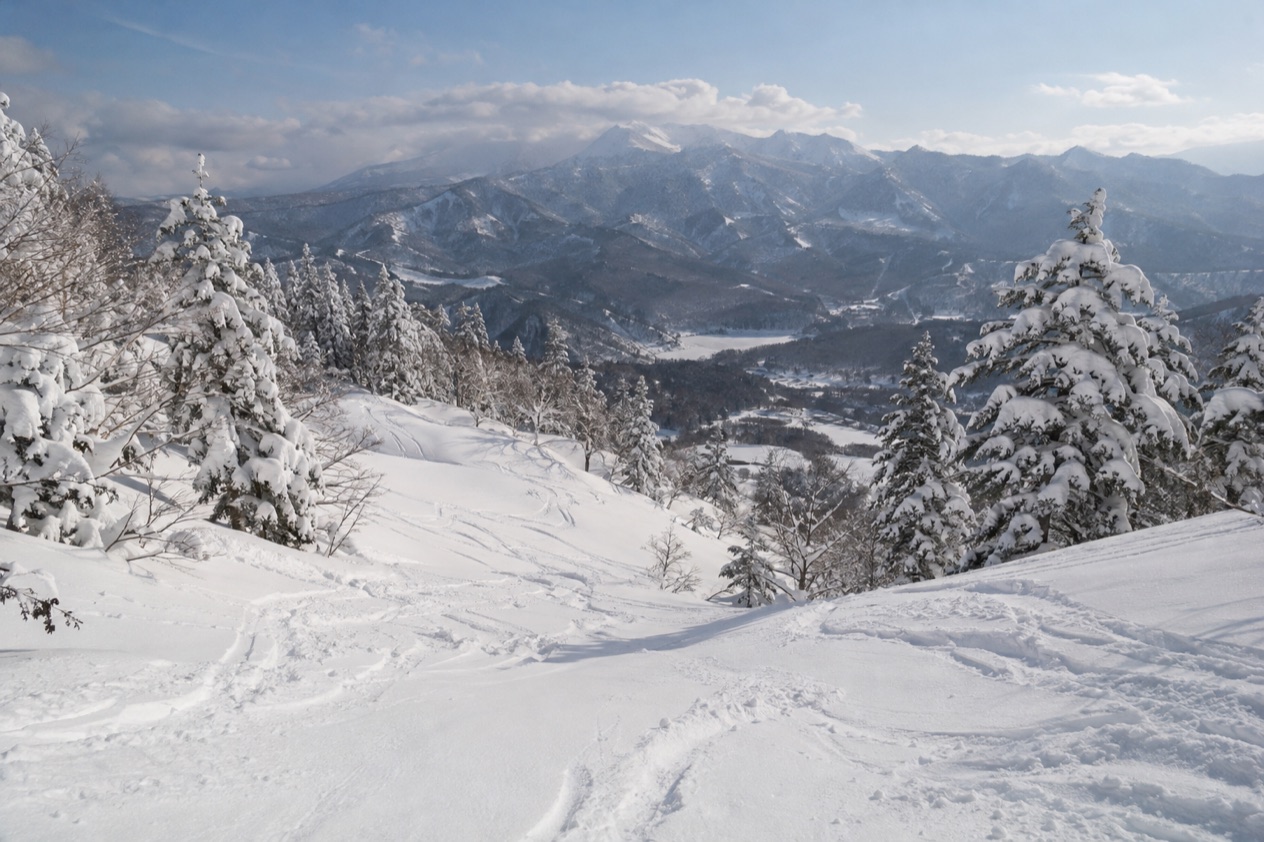
What is skiing like in Furano?
Furano is a big-mountain resort with a long fall line, split into two zones that give a ski week some variety. The ski area is owned and operated by Prince Hotels, the hotel group, and it lies in Nakagoryo, on the edge of the town of Furano in central Hokkaido. The Japan National Tourism Organization describes Japan as an ideal destination for winter sports because of the quality of its snow, its infrastructure and its accommodations, and Hokkaido is where much of that reputation is built.
A ski day here follows a rhythm familiar across Hokkaido. You gear up at the base, ride the lifts as the morning warms, break for a hot lunch in a lodge (a bowl of ramen, a plate of curry rice, a cutlet on rice), then ski again until the lifts wind down. The evening belongs to a hot bath, and a dinner built around Hokkaido ingredients such as dairy, potatoes, corn and seafood.
The mountain in numbers
| Feature | Furano Ski Resort |
|---|---|
| Vertical drop | 3,163 feet (964 meters) |
| Longest run | 2.5 miles (4.0 kilometers) |
| Ski lifts | 11 |
| Zones | Furano Zone and Kitanomine Zone |
A vertical drop of that size means you can spend a long time descending before you stand in a lift line again. The longest run is also long enough that a single descent feels like a small journey, with time to settle into a rhythm turn after turn. Eleven lifts is a modest count, which suits a resort that is spread across two zones rather than packed into one bowl.
Two zones: Furano and Kitanomine
The ski area is divided into the Furano Zone and the Kitanomine Zone, and the first practical decision of a visit is where to begin the day. Each zone has its own name, its own lifts and its own character on the trail map, so a stay of several days gives you a reason to alternate rather than repeat the same laps.
Treat the two zones as two halves of one trip. A skier who starts in one zone in the morning can look at the map over lunch and choose the other for the afternoon. Because the resort is run by a single operator, the zones share one identity and one set of facilities, which keeps the logistics of moving around the mountain straightforward to follow on a trail map.
After the lifts close
Winter in Hokkaido is built around warmth at the end of the day. An onsen, the Japanese hot spring bath, is the traditional answer to cold legs, and ryokan and resort hotels across Japan often have baths of their own. The habits are well known: you wash first, you enter the bath unclothed, and the small towel stays out of the water.
Dinner in Furano leans on local produce. Hokkaido is known for dairy, so cream stews, cheese and soft-serve ice cream turn up even in deep winter. Furano itself is also associated with melons, wine and vegetables grown on the plains around the town. A warm izakaya, the Japanese pub where plates arrive for sharing, is a good way to finish a long ski day.
When is the season?
Furano Ski Resort generally operates from late November to early May, a long stretch that covers early winter, the cold middle of the season and the softer light of spring. Opening dates and closing dates shift from one winter to the next, so those months are best read as the usual frame of the season rather than a fixed calendar.
Late November and December
The season opens in late November, when the first lifts start turning and the town starts to look like a ski town. The trails and the base area wake up gradually, and the hotels begin to fill with skiers who prefer the start of the winter to its middle. December in Hokkaido brings the shortest days of the year, so the light is low and the evenings come early, which suits long dinners and early baths.
If you want to be on snow as soon as the resort opens, this is the window. It is also a time of year when the mood around the lifts is one of anticipation, with skiers dusting off gear and lift crews finishing preparations.
January and February
These are the months at the heart of a Hokkaido winter. Cold is the defining condition, and the town takes on the look of a place built for it, with snow banked along the streets, steam rising from baths and warm lights in windows. Skiers dress in layers and keep goggles and neck warmers close.
A midwinter trip is the one to choose when you want the full sense of Hokkaido in the cold season. The days are still short, but the long vertical and the 2.5-mile run give you plenty to do between breakfast and the evening bath.
March, April and early May
As spring approaches, the days lengthen and the sun starts to carry more weight on the slopes. Many skiers like this part of the season for the gentler feel in the air and the longer afternoons. The resort generally keeps running into early May, so a spring trip is possible well after much of Japan has seen its cherry blossoms begin elsewhere.
Lunch outdoors on a terrace becomes more tempting, and the evening walk through town is less of a dash between doors. Closing weekend marks the end of the ski year, after which the hills turn toward their warm-weather life.
How do you get there and what does it cost?
You reach Furano Ski Resort through Asahikawa Airport, through New Chitose Airport, or by train from Asahikawa, and each route ends with a ten-minute bus ride from Furano Station to the ski area. The routes below each end at the same place, so the choice comes down to which airport or city you are starting from.
From Asahikawa Airport
Asahikawa Airport is the closest airport to Furano Ski Resort. Hokkaido Resort Liner operates a reserved-seat bus service between the airport and the Furano ski area, so you travel with a seat assigned to you rather than standing in a general line.
A direct link from the airport to the ski area keeps the arrival simple if you are coming with skis, boots and winter luggage. Your first look at Furano is through a bus window, with the snowy plains of central Hokkaido passing by before the mountain comes into view.
From New Chitose Airport
From New Chitose Airport, Hokkaido Resort Liner runs a bus service several times a day directly to Furano. This bus must be booked in advance and operates only during the winter, so it belongs to the ski season rather than the rest of the year.
Because the service is direct, it suits travelers who land at New Chitose and want to reach the ski area without changing vehicles along the way. The winter-only schedule fits neatly with the season, which runs from late November to early May.
By train and the last ten minutes
People coming from Asahikawa can take the Furano Line directly to Furano Station. From Furano Station, in the town below the resort, it is only ten minutes by bus to the ski area. That last stretch is what links the town, with its restaurants and lodgings, to the lifts above.
Staying in town and riding up for the day is one way to organize a trip, and it puts dinner options within reach in the evening. The town is also where you find the everyday side of Furano, with bakeries, cafés and shops selling local produce.
What the trip is made of, cost-wise
The cost of a Furano ski trip is built from separate pieces: the bus or train to Furano, the bus up to the ski area, the lift access, and your lodging. The resort is owned and operated by Prince Hotels, so the hotel group is part of the ski experience as well as of the stay.
Each of those pieces is priced by the operator that provides it, and the totals depend on the route you choose and the nights you spend. Thinking of the trip as a handful of building blocks makes it easier to compare one plan with another.
Good to know before you go
Prices in Japan are in yen, and it helps to carry some cash alongside a card for the small places in a ski town. Hokkaido winters are cold, so layers, warm gloves, a neck warmer and goggles are the habits of anyone heading to the slopes.
The winter-only airport bus from New Chitose is the one transport detail that depends on the season, since it runs only during the winter. Furano’s ski season stretches across several months, so there is no single right week to go, only the one that matches the kind of winter you are after.
Sources
- Japan National Tourism Organization, skiing and snowboarding in Japan: regions, resorts, seasons (https://www.japan.travel/en/sports/snow/), checked October 11, 2026
- Wikipedia, Furano Ski Resort (https://en.wikipedia.org/wiki/Furano_Ski_Resort), checked October 11, 2026
- Japan Meteorological Agency (JMA), Normal values 1991-2020, monthly (https://www.data.jma.go.jp/stats/etrn/view/nml_sfc_ym.php?prec_no=16&block_no=47433), station Kutchan, elevation 176 m, checked October 11, 2026