
The question usually surfaces over a map of Hokkaido and Nagano, with a flight search open in one tab and a resort webcam in the next. A ski trip to Japan is built from a handful of pieces: the flight, the ground transfer, a bed, lift access, meals and the after-ski soak. Where you go and when you go change how those pieces fit together, and that is what shapes the total.
What should you know about a ski trip to Japan?
The first thing to know is that the season is long but not uniform: skiing in Japan generally opens in December and runs until April, and each resort sets its own dates according to where it sits. A trip is therefore less about a single national season than about a choice of mountain and a choice of weeks.
Japan presents itself as a destination for winter sports because of the quality of its snow, its infrastructure and its accommodations. In practice that means a trip can be as simple as a resort town with a lift next to the station, or as involved as a flight, a bus and a village base far from any big city. Each choice changes the cost line by line, even before you look at a single room rate.
The pieces that make up the cost
Think of the budget as five blocks. The first is the long-haul flight to Tokyo or, for Hokkaido, a connection onward. The second is the ground leg between the airport and the slopes, which differs enormously from one resort to the next. The third is where you sleep, from a village lodge to a resort hotel with its own lifts.
The last two blocks are the day-to-day ones: lift access and equipment on the mountain, then meals and the evening. Japanese ski towns tend to reward the evening with bowls of ramen, hot pots, grilled skewers at an izakaya (a casual pub-style restaurant) and an onsen, a hot spring bath, to finish the day. Those pleasures add to the total, but they are also much of the reason people come.
Getting to the snow shapes the budget
Transfers deserve their own line, because the resorts differ so much. To reach Niseko from Tokyo, you fly to New Chitose Airport (Shin-Chitose) in Hokkaido, a flight of about an hour and a half, then take a direct bus of about three hours that stops in Hirafu, Niseko Village and Annupuri. Choosing a village matters, because those three stops are three different bases.
Hakuba, in the Japanese Alps of Nagano Prefecture, draws skiers with its easy access from Tokyo. Chuo Taxi runs a long-distance transfer from Narita and Haneda airports that takes four to five hours, so the ride itself is part of the day you land. In Niigata, Gala Yuzawa is easily accessible because a gondola connects directly to the train station, and Kagura is a higher-altitude resort in Niigata Prefecture.
Dates move the price of everything
The Christmas and New Year holidays, along with early February, bring the largest number of skiers to the slopes. Those are the weeks when a mountain feels busiest, the lifts and the village restaurants included, and the weeks to weigh carefully against your flexibility.
Outside those stretches, the season has plenty of room. December and the weeks into spring give you the same mountains with a different rhythm, and each resort’s own opening dates decide which weeks are actually on offer.
Which resorts and seasons matter?
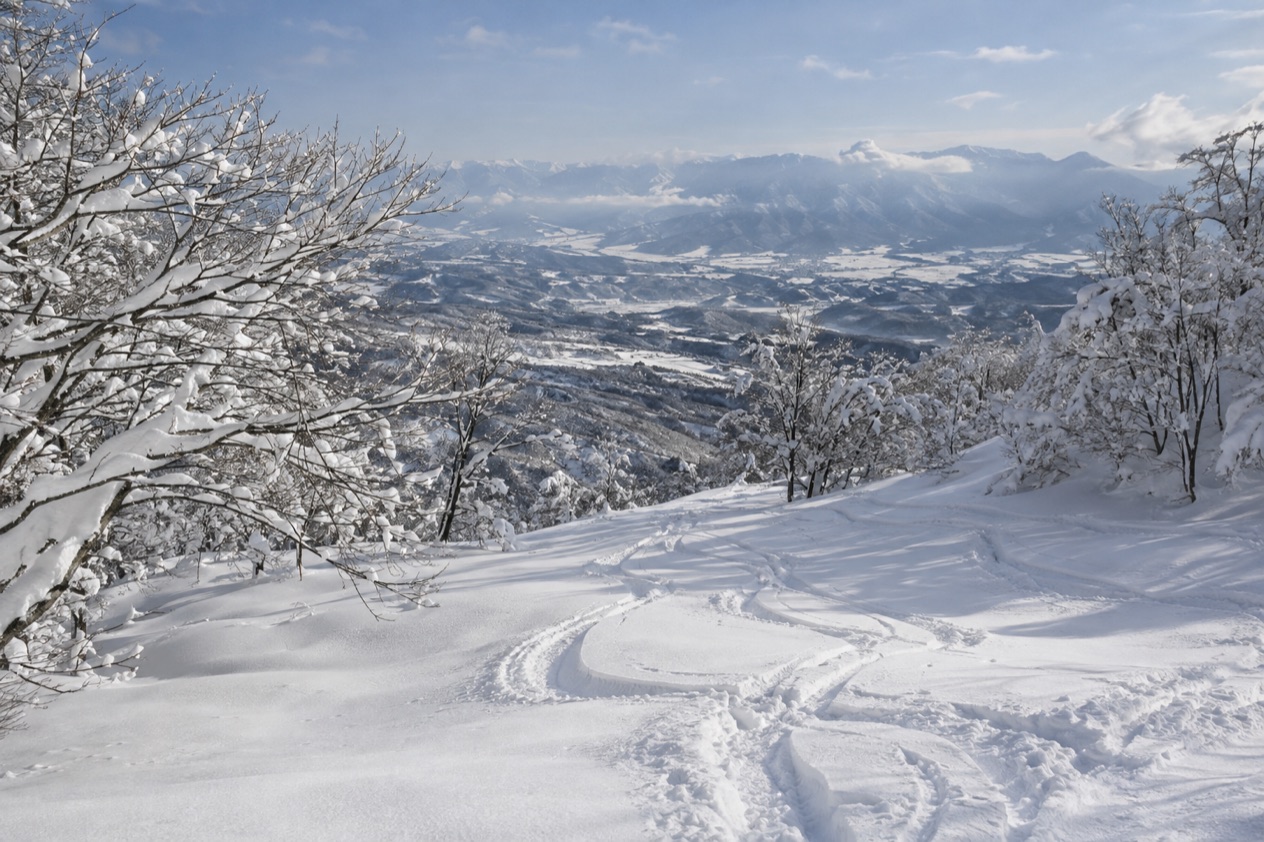
The resorts covered here are in Hokkaido, Nagano and Niigata, while January and February are the peak months for snowfall. Hokkaido in the north and the high mountains of Nagano typically get snow earlier than other regions, and their peak comes in those two months, when snowfall is most frequent.
Niseko and Rusutsu in Hokkaido
Niseko is the largest ski resort in Japan and also the most developed and popular. It offers the most English-language activities of any Japanese ski resort, and it has beautiful views of Mount Yotei. For a first trip where you want a lot around you, that mix of size and development is the draw.
Rusutsu sits right next to Niseko and is renowned for its excellent tree runs, heavy snowfall and a very good lift system.
Around Sapporo and the wider Hokkaido list
Sapporo Teine ski resort is located less than an hour from the city of Sapporo, which suits a trip that mixes city evenings with mountain days. Sapporo is known for its soup curry, its miso ramen and its beer, so a ski day here can end somewhere very different from a village lodge.
Japan’s national tourism organization also recommends Sahoro Ski Resort, Rusutsu Ski Resort and Hoshino Resorts Tomamu. They give you a longer shortlist than the best-known names, and each one is a reason to look at the map of Hokkaido beyond Niseko.
Hakuba in Nagano
Hakuba, in the Japanese Alps, attracts winter sports enthusiasts through its easy access from Tokyo and the diversity of its ski area. That variety means you can spread several days across different parts of the mountain instead of repeating the same runs.
Nagano’s high-altitude mountains are among the places that typically see snow earlier than other regions. A Hakuba trip, then, has its own early start to the season and its own January and February peak, with the long transfer from Tokyo’s airports as the price of the setting.
Gala Yuzawa and Kagura in Niigata
Gala Yuzawa is the resort where the gondola runs straight from the train station, which makes the logistics of a ski day unusually direct. You step off the train and you are in the lift system.
Kagura is higher up than Gala Yuzawa and is reached by taking the Shinkansen to Jomo Kogen Station. Together the two give a Niigata trip built around the rail line, in contrast with the bus and airport transfers of Hokkaido and Hakuba.
How do you plan?
You plan by choosing the region first, then the weeks, then the way you will travel between the airport and the slopes. Everything else, from the bed to the lift days, follows from those three decisions.
Step one: choose a region
Hokkaido is the choice if you want the big names, with Niseko, Rusutsu, Sapporo Teine, Sahoro and Tomamu all in play. It also fits a trip that includes a stay in Sapporo. Nagano and Hakuba suit a trip that begins in Tokyo and heads into the Alps, while Niigata suits one built around the Shinkansen and a gondola at the station.
If English-language activities matter to you, Niseko is the resort that offers the most of them. If tree runs and a very good lift system are the priority, Rusutsu is the one with that reputation. Match the resort to what you want from a day on the snow before planning the rest of the trip.
Step two: choose your weeks
Check each resort’s operating dates before booking, since they vary by location. January and February are the peak, when snowfall is most frequent, and the Christmas and New Year holidays and early February draw the largest crowds.
So the trade is clear. Snowfall is most frequent in January and February, while the Christmas and New Year holidays and early February draw the largest crowds. Decide which matters more to you before you look at flights.
Step three: plan the ground leg
Work out how you will cover the distance between the plane and the lift. For Niseko, that means the flight to New Chitose and the direct bus with its stops at Hirafu, Niseko Village and Annupuri. For Hakuba, it means a transfer of four to five hours from Narita or Haneda, or a trip from Tokyo of your own design.
For Niigata, the train does the work. Gala Yuzawa has its gondola at the station, and Kagura is reached through Jomo Kogen Station on the Shinkansen. Sapporo Teine, less than an hour from Sapporo, lets you keep a city base while you ski. With the region, the weeks and the route settled, the rest of the budget has something to attach to: the bed in the village you picked, the lift days you plan to use, and the dinners and onsen soaks that fill the evenings.
Good to know before you go
Japan prices everything in yen, so it helps to think of your budget in that currency and to keep the five blocks in mind: flight, transfer, bed, lifts and meals. The ski season runs through the winter months, so pack for a mountain winter and leave room for the onsen towel you will probably want. Resort dates differ from one mountain to the next, and the transfer you pick can take up most of a day, so build that into your arrival and departure plans.
Sources
- Japan National Tourism Organization, skiing guide (https://www.japan.travel/en/guide/skiing/), checked October 11, 2026
- Japan National Tourism Organization, skiing and snowboarding in Japan: regions, resorts, seasons (https://www.japan.travel/en/sports/snow/), checked October 11, 2026