
Snow falls sideways past the windows of a Hokkaido resort hotel, and by evening the roofs wear thick white caps while steam rises from an outdoor bath. That is the picture many travelers carry when they ask about skiing around Sapporo. Hokkaido has several named resorts, Rusutsu, Sahoro, Tomamu and the Niseko area among them, and this is a practical look at what each offers, when the snow is deepest and how to think about reaching them and paying for a stay.
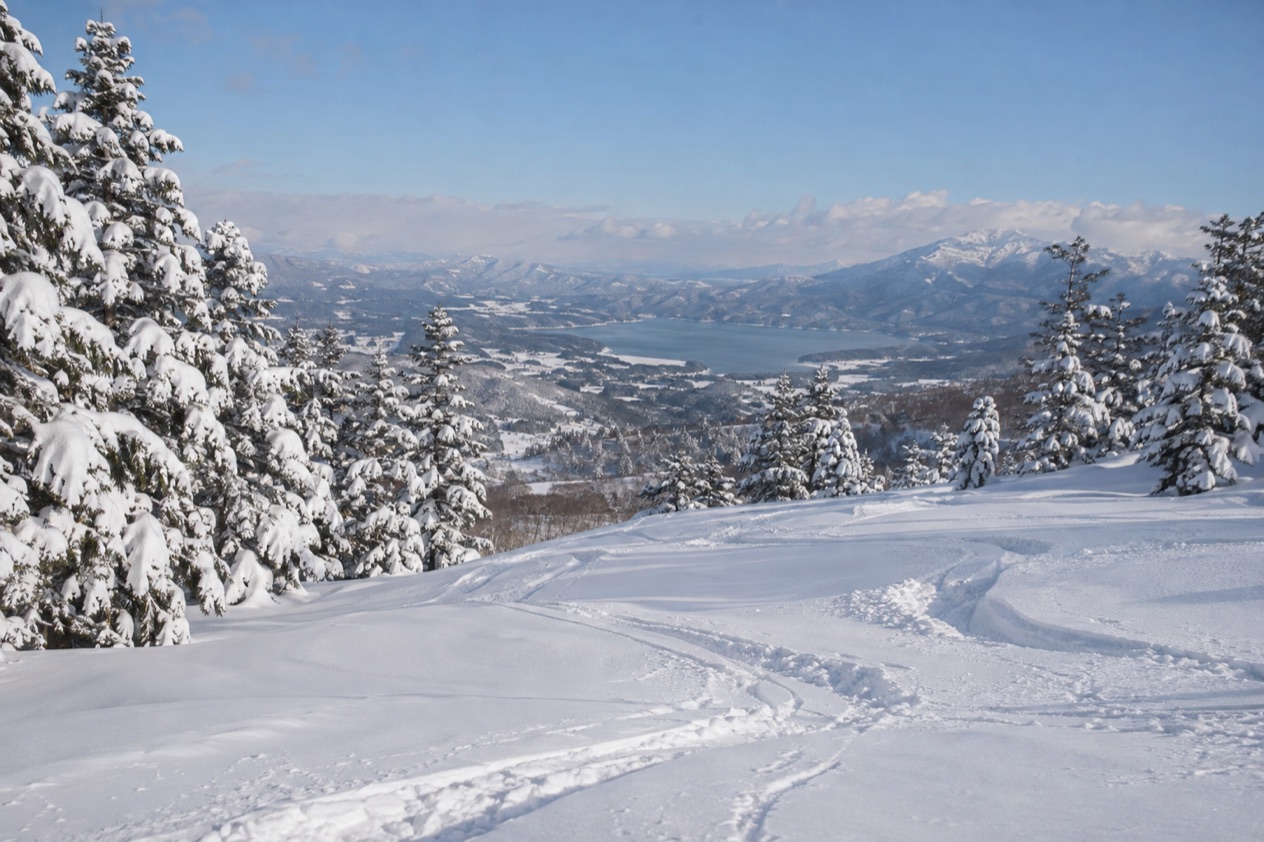
What is skiing like in the Sapporo ski areas?
Skiing in Hokkaido is built around heavy winter snow and resorts that double as places to stay, eat and soak afterward. The Japan National Tourism Organization calls Japan an ideal destination for winter sports because of the exceptional quality of its snow, its infrastructure and its accommodations, and it names Rusutsu, Sahoro and Hoshino Resorts Tomamu among its recommended ski resorts.
A ski trip here is rarely only about the runs. Days tend to run from the slopes to a hot bath to a long dinner, with the resort hotel at the center of it all. Choosing a resort is mostly choosing the kind of stay you want, so each name below comes with a sense of what it is.
Rusutsu
Rusutsu Ski Resort is one of the resorts the Japan National Tourism Organization recommends. It is a resort in the full sense, a mountain with lodging attached, so the whole trip can be organized around one base rather than a string of day outings.
It suits travelers who like to unpack once and let the days follow a rhythm: breakfast, snow, a bath, dinner. If you are weighing several resorts, Rusutsu is a good candidate for a stay of a few nights where the mountain is the main event of the trip.
Sahoro
Sahoro Ski Resort also appears on the list of recommended ski resorts in Japan. Like the others, it pairs the slopes with accommodation, so the evening matters as much as the daytime runs, and the snowy setting is part of the stay even when you are indoors.
Think of Sahoro as a choice for travelers who would rather settle into one resort than move around Hokkaido every day. The pleasures are the ones that go with any snow resort here: fresh air, a warm room, a hot meal and the sound of snow outside the window.
Hoshino Resorts Tomamu
Hoshino Resorts Tomamu is the third name on the same recommended list, and it carries the Hoshino Resorts brand, a company known for hotels. That says something about the style of the stay: lodging and skiing planned together, with the hotel as a destination in itself.
It fits travelers who want the resort experience from arrival to departure, including the meals and the unhurried evenings. When snow keeps you inside for a while, a resort of this kind gives you something to do besides waiting for the sky to clear.
The Niseko area and Kutchan
Niseko is the area where the winter climate is best described. At Kutchan, the nearest main weather point to Niseko, winter is wet and white: precipitation falls on most days from December through February, and snow or sleet shows up on nearly every day of January. Humidity stays high, and sunshine is scarce in midwinter.
What that means on a trip is simple. Expect snow to be part of the scenery on most days, with gray skies more common than sun, and plan your best-weather hopes around the later part of the season when the sun returns. Those who like the feel of a proper snowstorm will find the heart of winter suits them.
When is the season?
The snow is deepest from December through February, and it thins out and brightens in March. The air figures at Kutchan, the nearest main weather point to Niseko, show the whole arc, and they are a guide to the feel of the winter at that spot rather than a forecast for any one mountain.
| Month | Average high (°F) | Average low (°F) | Precipitation (inches) | Snowfall (inches) | Days with snow or sleet | Hours of sunshine |
|---|---|---|---|---|---|---|
| December | 32.0 | 19.8 | 8.57 | 99.6 | 28.9 | 39 |
| January | 28.4 | 14.7 | 7.26 | 99.6 | 30.7 | 47 |
| February | 30.2 | 15.1 | 5.09 | 73.6 | 27.0 | 65 |
| March | 37.4 | 21.7 | 3.87 | 48.0 | 24.4 | 121 |
December and January
These two months bring the same total snowfall at Kutchan, and both are among the snowiest stretches of the winter. December still has the look of early season, with snow arriving steadily and the days short and gray. Highs hover right around freezing, so the snow stays dry and cold.
January is the coldest month of the four, with lows well down in the teens and snow or sleet on almost every day. It is the month for travelers who want a deep-winter atmosphere: snow banked against buildings, steam over the outdoor baths and long evenings by the fire or at the dinner table.
February
February keeps the winter going, with snow or sleet on most days, but less of it overall than in the two months before. Precipitation drops noticeably, and the sun starts to show more, with a clear step up in hours of sunshine from January.
That mix of continuing snow and a little more light makes February an appealing middle ground. The cold is still sharp, with lows far below freezing, but the days feel a little less closed in, which helps when you want views as well as snow.
March
March is where the season turns. Highs climb above freezing, snowfall drops to about half of what December and January bring, and the number of sunshine hours roughly doubles from February. The snow is still falling on most days, but the sky opens up more often.
This is the month for travelers who prefer a brighter, milder day on the slopes and do not need the full storm of midwinter. The trade-off is a softer, wetter feel to the air compared with the dry cold of January, and a winter that is clearly beginning to loosen its grip.
How do you get there and what does it cost?
The practical answer starts with the resort you choose, because Rusutsu, Sahoro, Hoshino Resorts Tomamu and the Niseko area are separate destinations, each with its own way in and its own costs.
The costs of a ski stay fall into familiar groups: lodging, lift access, equipment if you do not bring your own, meals and getting between Sapporo and the mountain. Amounts vary from resort to resort and from one part of the winter to another, so the sensible step is to look up the current rates for the particular resort you pick rather than rely on a general figure.
Choosing between resorts
Start with what you want from the days. If the whole point is a resort hotel with the slopes close at hand, the three names recommended by the Japan National Tourism Organization are the place to begin. If you are drawn to the snowiest stretch of winter, the figures for the Niseko area at Kutchan show December and January at the top.
A trip built around one resort has a clear shape: you arrive, settle in and let the stay set the pace. A trip that tries to sample several resorts spends much of its time in transit, which is a different kind of vacation, so decide early which one you prefer.
Matching the month to the trip
The month changes what you get for the money you spend. In December and January you are paying for the heart of the Hokkaido winter, with snow on nearly every day and little sun. In March you are paying for a season in transition, with brighter days and a lighter snowfall, which suits a different kind of ski traveler.
Before booking, compare what each resort includes in its rates, since a stay that bundles meals and lodging is a different purchase from one that charges for everything separately. The right choice depends on whether you want a simple base or a fully organized stay.
Good to know before you go
Winter here is wet as well as cold, with precipitation on most days at Kutchan from December to February, so a ski trip is mostly a trip into snow, and a gray sky is the normal backdrop. Resorts are built for it, with lodging and meals on site, which keeps the days comfortable even when the weather stays closed in. The Niseko-area figures are those of Kutchan and describe that spot, not each mountain, so allow for some difference from one resort to the next.
Sources
- Japan National Tourism Organization, skiing and snowboarding in Japan: regions, resorts, seasons (https://www.japan.travel/en/sports/snow/), checked October 11, 2026
- Japan Meteorological Agency (JMA), Normal values 1991-2020, monthly (https://www.data.jma.go.jp/stats/etrn/view/nml_sfc_ym.php?prec_no=16&block_no=47433), station Kutchan, elevation 176 m, checked October 11, 2026