
Somewhere around the first cold snap of autumn, ski trips to Japan start to take shape: a group chat compares Niseko with Hakuba, someone asks whether February is too late for powder, someone else wonders about Tokyo on the way. The short answer is that the season runs from early winter into late spring, with the deepest, most dependable snow in the middle of it, and that the right resort depends on where you want to land and how you like to ride.
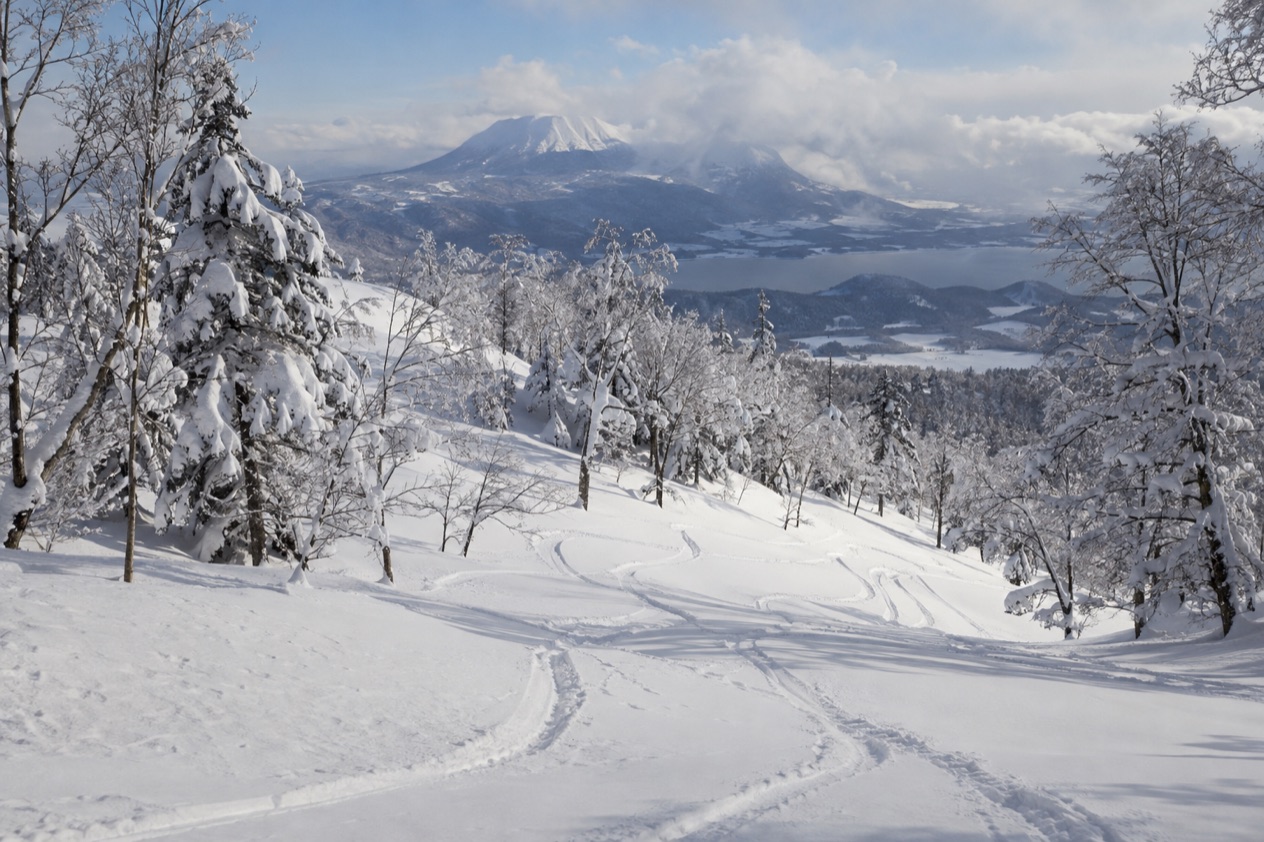
What should you know about the Japan ski season?
The Japanese ski season runs from early December to late April, and each resort sets its own opening and closing dates according to where it sits. Resorts with more elevation or a northern position tend to open sooner, and the lower, southern ones wrap up sooner. Think of the season as a long arc with a middle that is dependable and two ends that depend on the mountain you choose.
The shape of the season, from first lifts to spring skiing
Hokkaido in the north and the high mountains of Nagano usually see snow before other regions, so early-season skiing is best looked for there. December is a month of building a base, with the first runs opening and the villages settling into winter. Heavy flakes fall on most days at Niseko, and the sun is a rare guest.
January and February are the core of the season, when snowfall is most frequent. In Hokkaido this is the stretch to aim for if reliable powder is the goal. By March the days are brighter and the snow turns more varied, and into April the season thins out, with smaller or lower areas closing first.
One regional exception is worth knowing. In the San’in region of Shimane and Tottori the local season is a bit shorter than in the rest of the country, running from late December to March. Daisen, on the slopes of Mt Daisen, is the largest ski area in the Chugoku region.
The busiest weeks on the slopes
Two moments draw the biggest crowds: the Christmas and New Year holidays, and early February. These are the weeks when lift lines lengthen and village restaurants hum from lunch to late evening. Plenty of skiers still choose them for the festive feel, and the snow is generally in place by then.
If you have flexibility, the weeks around those peaks keep the same snowy season while changing the pace of the day. Mid-January and the second half of February sit inside the core months without the holiday rush, which is worth weighing against a fixed school break.
What winter looks like at Niseko
At Kutchan, close to Niseko in Hokkaido, the winter months give a clear picture of what the season feels like. Days stay below or near freezing from December through February, snow falls on nearly every day of the month, and sunshine is limited until March. That is the classic Hokkaido pattern: deep cold, steady snow and soft, dry flakes.
| Month | Average high (°F) | Average low (°F) | Snowfall (inches) | Days of snow or sleet |
|---|---|---|---|---|
| December | 32.0 | 19.8 | 99.6 | 28.9 |
| January | 28.4 | 14.7 | 99.6 | 30.7 |
| February | 30.2 | 15.1 | 73.6 | 27.0 |
| March | 37.4 | 21.7 | 48.0 | 24.4 |
What the table means on the hill: January is the coldest month, so layers and a good face covering earn their keep. March feels noticeably softer and brighter, with more hours of sun and a lighter snowfall, which suits skiers who want a milder day over maximum depth.
Which resorts and seasons matter?
Hokkaido in January and February, and the high mountains of Nagano and nearby Niigata, are the combinations that matter most for visitors. The country has resorts of every scale, from one big complex in Nagano to indoor halls near Tokyo, so the name of the resort and the month go hand in hand.
Hokkaido: Niseko, Rusutsu and the Sapporo area
Niseko is the most developed and popular resort in Japan, with the widest range of English-language activities and views of Mount Yotei. Its villages, Hirafu, Niseko Village and Annupuri, each have their own personality, and the whole area is built around the idea of visitors arriving from abroad for a week of snow.
Rusutsu sits right next to Niseko and is renowned for its excellent tree runs, heavy snowfall and very good lift system. Both Rusutsu and Hakuba accept the Epic Pass, which matters if you already hold one. Sapporo Teine lies less than an hour from the city of Sapporo, which suits anyone who wants to combine a city stay with a day on the snow.
Japan’s tourism board also recommends Sahoro Ski Resort and Hoshino Resorts Tomamu, two more Hokkaido names to look at if you want something beyond the Niseko area. Whichever you choose, aim for the core months for the most reliable powder.
Nagano and Niigata: Hakuba, Gala Yuzawa and Kagura
Hakuba lies in the Japanese Alps in Nagano Prefecture, and Japan’s tourism board points to its easy access from Tokyo and the variety of its ski area. Long-distance buses run from Tokyo direct to major ski resorts, particularly those around Nagano, with services operated by Nagano Snow Shuttle and other companies.
In Niigata, Gala Yuzawa is unusual because a gondola connects directly to the train station, and it is Japan’s only ski resort with a dedicated Shinkansen station. Kagura sits higher up the same valley and is reached by taking the Shinkansen to Jomo Kogen Station. These are the choices for skiers who prefer rails to roads.
Records, history and smaller areas
Japanese skiing has its own list of superlatives, and they point to places worth knowing beyond the famous names.
| Record | Resort | Measure |
|---|---|---|
| Largest single ski resort | Yamagata Zao Onsen Ski Resort | 1.86 square kilometres (0.72 sq mi) |
| Largest ski resort complex | Shiga Kogen Ski Resort, Nagano | 4.25 square kilometres (1.64 sq mi), 85 courses |
| Oldest ski resort | Akakura Onsen Ski Area, Myoko Kogen | Established 1937 |
| Longest ski run | Suginohara Ski Area, Myoko Kogen | 8.5 km |
| Longest aerial lift | Naeba Ski Resort, Niigata | 5.5 kilometres (3.4 miles) |
Areas come and go too. Arai Mountain Resort & Spa in Niigata closed in April 2006 and reopened in December 2017, and Madarao Kogen Sympathique in Nagano closed in 2018. When you are reading older trip reports, check that the resort still runs.
Indoor skiing near Tokyo
Not all Japanese skiing needs the mountains. Sayama Ski Resort in Saitama Prefecture offers indoor skiing only, and Snova Mizonokuchi and Snova Shinyokohama in Kanagawa Prefecture are indoor ski facilities. Kamui Ryugasaki Snowboard Park in Ibaraki Prefecture is an indoor snowboard park. They are options for a quick lesson or a practice session in the Tokyo region.
How do you plan?
Start with the month, then the region, then the way in. Pick January or February for Hokkaido powder, decide whether you can live with the holiday crowds, and let the transport you prefer narrow the field.
Choosing your month
For deep, cold snow, January and February are the months to build around, particularly in Hokkaido. For a calmer atmosphere at a resort, the weeks outside the Christmas and New Year holidays and early February take the edge off the crowds. A December trip suits people who like the feel of a season starting, and a March or April trip suits people who prefer a softer, sunnier mood on the mountain.
Dates at individual resorts are their own to set, so the opening and closing days of a specific hill are worth confirming with the resort when you draw up your itinerary. A season that runs through April on paper does not mean every slope is open that late.
Getting to Niseko and Hokkaido
New Chitose Airport near Sapporo is the closest major airport to the ski fields of Hokkaido. From Tokyo, the route to Niseko goes by plane to New Chitose, then by a direct bus to the resort villages.
The flight from Tokyo takes 1.5 hours. The direct bus to Niseko takes 3 hours and stops in Hirafu, Niseko Village and Annupuri, so you can match your stop to where you are staying.
Getting to Hakuba and the Nagano mountains
Chuo Taxi offers a long-distance transfer service from Narita and Haneda airports to Hakuba, which takes 4 to 5 hours. That option appeals to a group arriving on an international flight that wants to go straight to the mountains.
Direct long-distance buses from Tokyo serve the resorts around Nagano, with Nagano Snow Shuttle among the operators. Together with the transfer, they let you build a Hakuba trip without a stay in Tokyo.
Taking the train to Niigata
If you would rather ride the rails, Niigata offers two clear plans. Kagura lies higher up, and its approach is by Shinkansen to Jomo Kogen Station.
Reading the trail map
Tree runs, the glades between the pistes, get their own ratings at Japanese resorts. Grading varies by resort, but it is typically numeric and starts from 1 as the easiest. A number at one hill does not match the same number at another, so take the first tree run of the day at the low end of the scale before moving up.
Good to know before you go
Japan records 30 to 40 ski deaths each year, around 40 percent from head trauma and another 40 percent from asphyxiation, so a helmet and attention to terrain and snow conditions belong in every plan. Whichever resort you choose, read its own notices on open and closed slopes before you set out for the day.
Sources
- Japan National Tourism Organization, skiing guide (https://www.japan.travel/en/guide/skiing/), checked October 11, 2026
- Japan National Tourism Organization, skiing and snowboarding in Japan: regions, resorts, seasons (https://www.japan.travel/en/sports/snow/), checked October 11, 2026
- Wikipedia, List of ski areas and resorts in Japan (https://en.wikipedia.org/wiki/List_of_ski_areas_and_resorts_in_Japan), checked October 11, 2026
- Wikivoyage, Skiing in Japan (https://en.wikivoyage.org/wiki/Skiing_in_Japan), checked October 11, 2026
- Japan Meteorological Agency (JMA), Normal values 1991-2020, monthly (https://www.data.jma.go.jp/stats/etrn/view/nml_sfc_ym.php?prec_no=16&block_no=47433), station Kutchan, elevation 176 m, checked October 11, 2026