
Flakes drift sideways past the gondola window, the lift line has gone quiet under a white sky, and someone on the chair ahead is brushing a fresh layer off the seat before sitting down. That is an ordinary winter day at a Japanese ski resort, and it is the reason skiers and snowboarders cross the Pacific.
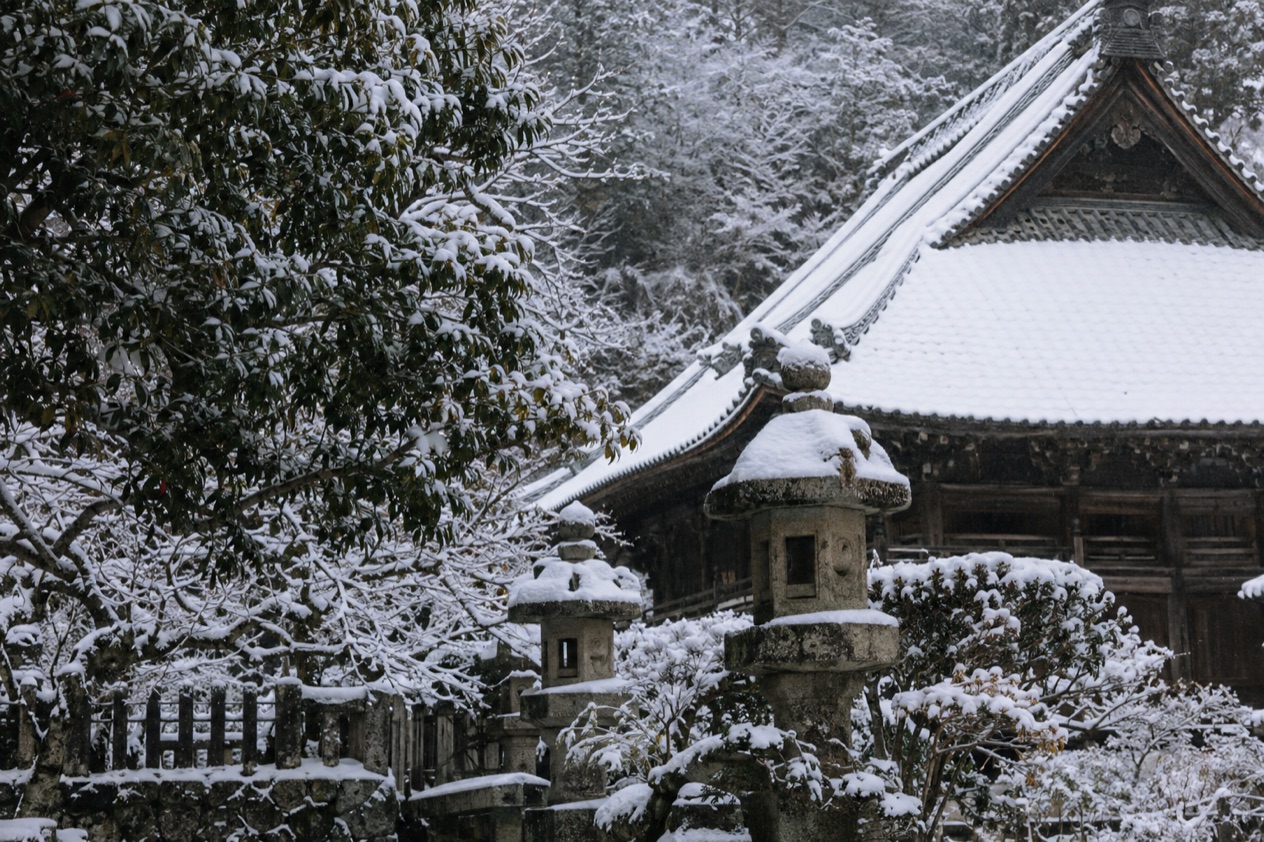
What should you know about Japan’s powder snow?
Japan is an ideal destination for winter sports because of the exceptional quality of its snow, together with its infrastructure and accommodations. The Japan National Tourism Organization puts the snow first in that list, and it is the thing that sets the trip apart from a week at a resort back home. The rest of the picture is about timing, because the snow does not fall evenly across the winter or across the country.
The season, from first lifts to last
The ski season generally opens in December and runs into April. Each resort sets its own opening and closing dates according to its location, so a high mountain can start turning its lifts well before a lower one, and it can also keep going after others have shut for the year.
Hokkaido in the north and the high-altitude mountains of Nagano typically get their snow earlier than other regions. The peak runs through January and February, when snowfall is most frequent. Those are the months to aim for if falling snow, rather than a sunny groomed run, is what you came for.
What the snow looks like month by month near Niseko
Kutchan, close to Niseko, gives a clear view of how a Hokkaido winter unfolds. The totals for December and January are identical, February is lighter, and March is lighter again, with temperatures creeping up as the season ends.
| Month at Kutchan | Average high (°F) | Average low (°F) | Snowfall (inches) | Days of snow or sleet |
|---|---|---|---|---|
| December | 32.0 | 19.8 | 99.6 | 28.9 |
| January | 28.4 | 14.7 | 99.6 | 30.7 |
| February | 30.2 | 15.1 | 73.6 | 27.0 |
| March | 37.4 | 21.7 | 48.0 | 24.4 |
In plain terms, January is the coldest of the four and snows on almost every day of the month. December matches it for total snowfall, even though the air is a few degrees milder. By March the highs climb above freezing and the snow turns more occasional, which changes the character of a ski day from storm skiing to something brighter.
Gray skies are part of the package
A snowy month is also a cloudy one. In January the sun appears a little more, and by March it has returned in a real way, with the month logging well over a hundred sunny hours.
So the traveler chasing powder should expect flat light, falling snow and a day that looks more like a snow globe than a postcard. The trade is worth it for many skiers, and the sunnier weeks of late winter are there for anyone who would rather see the peaks.
Which resorts and seasons matter?
Hokkaido resorts and the high mountains of Nagano matter most for snow, and January and February are the months that matter most for timing. Within that frame, the choice comes down to how much English you want around you, how far you are willing to travel, and whether you plan to stay in the mountains or on the edge of a city.
Niseko
Niseko is the largest ski resort in Japan, and also the most developed and popular. It offers the most English-language activities of any Japanese ski resort, which makes it the simplest place for a first visit to feel organized. The views of Mount Yotei across the snowfields are part of the scenery.
The resort is spread over several bases, and the direct bus from the airport stops at Hirafu, Niseko Village and Annupuri. Choosing among those three is the first decision you make when you book a bed, since they are separate places with their own surroundings.
Rusutsu
Rusutsu sits right next to Niseko and is known for its excellent tree runs, heavy snowfall and a very good lift system. Skiers who like to drop into the glades after a storm tend to talk about it in those terms. It makes a natural second stop for anyone spending several days around Niseko and wanting a different mountain. Rusutsu is also one of the ski resorts the Japan National Tourism Organization recommends for winter sports, a short list it shares with a few other names.
Sapporo Teine, Sahoro and Tomamu
Sapporo Teine ski resort is less than an hour from the city of Sapporo, which suits a trip that pairs city evenings with mountain days. You can eat ramen and wander the city, then be on snow within the hour.
Sahoro Ski Resort and Hoshino Resorts Tomamu are both on the national tourism organization’s list of recommended resorts. They give you more Hokkaido options beyond the Niseko area if you want to skip its busier bases.
Hakuba
Hakuba lies in the Japanese Alps in Nagano Prefecture. It draws winter sports enthusiasts for its easy access from Tokyo and the diversity of its ski area, and it is the main alternative to Hokkaido for anyone who would rather stay on the main island of Honshu.
Because the Nagano mountains are among the places that get snow earlier, Hakuba fits a trip that starts in the first weeks of the season. It gives you a range of terrain across the valley rather than a single mountain.
Gala Yuzawa and Kagura in Niigata
Gala Yuzawa, in Niigata, is easily accessible because a gondola connects directly to the train station. You step off the train and into a cabin, with no bus in between.
Kagura is a ski resort higher up than Gala Yuzawa, and it can be reached by taking the Shinkansen to Jomo Kogen Station. Pairing the two gives you a low base and a higher one in the same part of Japan, which is a useful split if the weather turns.
How do you plan?
Start with the month, then pick a region, then work out the route in. Everything else, from the length of your stay to the town where you sleep, follows from those three choices.
Choosing your month
January and February are the months when snowfall is most frequent, so they suit anyone who puts powder first. The Christmas and New Year holidays and early February bring the largest number of skiers to the slopes, which is worth knowing if you have a choice of weeks. A trip in the days either side of those periods trades none of the snow for a thinner crowd.
December works for an early-season trip, particularly in Hokkaido and the high mountains of Nagano, where the snow arrives first. March is the month for brighter days, with milder air and many more hours of sun. The season runs to April, but the closing date depends on the resort.
Getting to Niseko
From Tokyo, you fly to New Chitose Airport, also called Shin-Chitose, in Hokkaido. The flight takes about an hour and a half. From there a direct bus runs to Niseko in about three hours, stopping at Hirafu, Niseko Village and Annupuri.
Since the bus stops at all three bases, you can decide where to sleep before you leave and ride straight to your door. It also gives you a first look at the snow-covered landscape on the way up.
Getting to Hakuba and Niigata
For Hakuba, Chuo Taxi offers a long-distance transfer from Narita and Haneda airports. A trip here is best planned as an arrival day followed by a fresh start on the slopes.
Niigata is the other way to go. At Gala Yuzawa the gondola is directly connected to the train station. Kagura is reached by taking the Shinkansen to Jomo Kogen Station, so both resorts can be planned around the rail network instead of a long transfer by road.
Matching the trip to the traveler
If you want the most English-language activities and a large resort with plenty of places to stay, Niseko answers that. If tree runs after a heavy snowfall appeal, add Rusutsu, which sits right beside it. Those who like a city on the side can look at Sapporo Teine, since it is less than an hour from Sapporo.
Travelers who would rather stay on Honshu can choose between Hakuba, in the Japanese Alps, and the Niigata resorts connected to the rail network. Whichever you pick, leave room in the schedule for a day when the snow keeps falling and the lifts run slowly, because that is when the reputation of Japan’s powder is earned.
Good to know before you go
Snowy months are also gray ones, so plan for days of falling snow and low light rather than blue sky, particularly in December and January. The season generally opens in December and lasts until April, and each resort announces its own dates, so look at the resort itself when you settle on the week. Hokkaido and the high Nagano mountains see snow earliest, which is why the same month can feel like deep winter in one place and a gentle start in another.
Sources
- Japan National Tourism Organization, skiing guide (https://www.japan.travel/en/guide/skiing/), checked October 11, 2026
- Japan National Tourism Organization, skiing and snowboarding in Japan: regions, resorts, seasons (https://www.japan.travel/en/sports/snow/), checked October 11, 2026
- Japan Meteorological Agency (JMA), Normal values 1991-2020, monthly (https://www.data.jma.go.jp/stats/etrn/view/nml_sfc_ym.php?prec_no=16&block_no=47433), station Kutchan, elevation 176 m, checked October 11, 2026