
On a February evening in Sapporo, snow squeaks underfoot and steam rises from bowls of miso ramen in the little shops around Susukino. Giant snow sculptures glow along Odori Park while people in puffy coats line up for a hot drink. This is the big city of Hokkaido, a place built around its winters and its appetite, and it suits travelers who like food, beer and a city with real seasons.
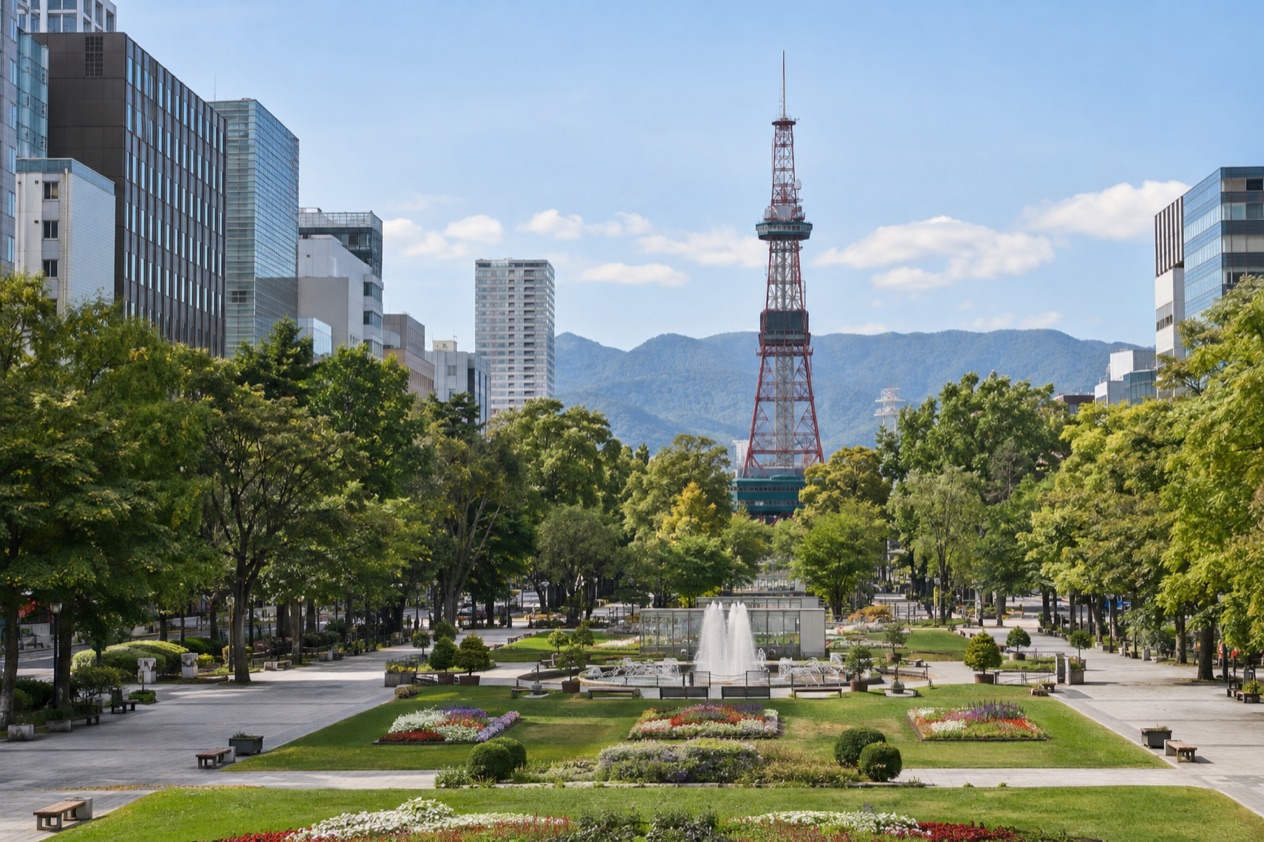
Where is Sapporo and what is it like?
Sapporo is the capital and largest city of Hokkaido, the northern island of Japan, and it feels more like a spacious park-filled city than a crowded old capital. Hokkaido is the northernmost island and prefecture of the country, and it is the second largest island of Japan. Sapporo is its urban heart, with the nightlife, the restaurants and the airport links that the rest of the island relies on.
The city has a different mood from Tokyo or Kyoto. Its streets are laid out in a straight, open pattern, and a long green ribbon of park runs through the center.
Hokkaido University sits just north of Sapporo Station, so students and bicycles are part of the scene in the warmer months. Sapporo is one of the snowiest cities in the world, and winter shapes everything here, from the food to the festivals to the way people dress.
Hosting the first Winter Olympic Games in Asia in 1972 left Sapporo with a lasting winter identity. The city is a base for skiing, trekking and hot springs across Hokkaido, and it is also a destination for eating. Susukino is the largest entertainment and nightlife district north of Tokyo, so evenings tend to be lively.
It suits people who want food, festivals and a launching point for Hokkaido’s landscapes. Travelers who come mainly for temples, old wooden streets and layers of history may find it more modern than they expect. The pleasures here are a bowl of ramen on a cold night, a cold beer, a park walk in summer and the sense of being at the northern edge of the country.
What is there to do in Sapporo?
Sapporo’s big reasons to visit are its snow festival, its food and beer, its parks and its role as a gateway to the rest of Hokkaido. Together they give the city a personality of its own, closer to a northern food capital than to a sightseeing checklist.
The Sapporo Snow Festival
The world-renowned Sapporo Snow Festival is held in February and runs for seven days. It has three sites: Odori, Susukino and Tsudome. The Odori Site fills Odori Park in the center of the city and stretches across approximately 0.9 miles, with large, medium and small snow sculptures, projection mapping, Sapporo Citizen Snow Sculptures and a snow slide.
The Susukino Site has the theme Enjoy the Ice, with an ice sculpture show and the Ice Sculpture Contest. Walking from the park to the nightlife district lets you see both snow and ice carving in a single evening, with the lit streets of the entertainment district around you. Dress for deep winter, since this is a festival held outdoors in one of the snowiest cities in the world.
Ramen, soup curry and jingisukan
Sapporo cuisine includes ramen, soup curry and jingisukan, the grilled lamb dish. Ramen is the Japanese-Chinese noodle dish of alkaline wheat noodles in hot broth, and in a cold city it is a ritual as much as a meal. Soup curry is a spiced, brothy curry served with vegetables, and travelers find it a good change from the noodle shops.
At the Sapporo Beer Museum and its pub, the Sapporo Beer Garden, visitors can enjoy a beer and lamb barbecue. It is the only beer museum in Japan, so it combines a bit of history with a long, relaxed meal.
Odori Park, the TV Tower and Mount Moiwa
Odori Park sits in the heart of Sapporo, and the Sapporo TV Tower stands in it. In summer, which lasts from June to August, the park hosts several outdoor events in June, and in May the Sapporo Lilac Festival is held in Chuo-ku. The park is the city’s gathering place in every season, with a different face in snow and in green leaf.
Mount Moiwa is located about 3 miles southwest of the center of Sapporo, and it gives you a place to look back at the city. The Sapporo Streetcar, one of only two operational circular tram systems in Asia, adds a bit of local color to getting around.
How many days do you need in Sapporo?
A long weekend covers Sapporo itself well, and a week lets you add the rest of Hokkaido. The city’s main pleasures sit close together, so a few days is enough to eat, drink and walk without rushing.
Add a bowl of soup curry on one day and a ride up Mount Moiwa on another. In February, the snow festival can fill an entire day, with Odori by daylight and Susukino after dark.
With more time, Hokkaido opens up. Otaru Canal, with its glowing gas lamps and stone warehouses, makes a nostalgic day trip. Furano has Ningle Terrace, a craft village with about 15 shops tucked away in forests, and Biei has the Shirogane Blue Pond, famous for its vivid cobalt-blue water. In winter, drift ice reaches the coast of Abashiri from late January, covering the Sea of Okhotsk, which suits a longer trip across the island.
Hokkaido also offers skiing, trekking, Ainu and Jomon culture, gourmet food and hot springs, so a week can be built around any of those. Travelers who prefer one base can stay in Sapporo and treat the city as a hub, while those who like to move can string together several stops across the island.
Where to stay in Sapporo
The most useful areas to stay are around Sapporo Station, around Odori Park and in Susukino. Each suits a different kind of trip, and the city’s center is small enough that you are never far from the others.
Around Sapporo Station suits travelers arriving by train from the airport, since the express train from Chitose Airport ends there. Hokkaido University lies just north of the station, so the area has a student-town feel on its northern side. It is a sensible base if you plan day trips across Hokkaido.
Odori Park is the middle of the city, and staying near it puts the Sapporo TV Tower and, in February, the main snow festival site on your doorstep. It suits first-time visitors who want to walk to the main sights and the festival events.
Susukino is the largest entertainment and nightlife district north of Tokyo, so it suits travelers who want restaurants, bars and late evenings close at hand. During the snow festival, its ice sculpture show and Ice Sculpture Contest are right outside. Those who want to wake up away from the nightlife may prefer the station or park areas.
How do you get to Sapporo and get around?
Visitors arrive through New Chitose Airport, the larger international airport, located in the city of Chitose about 30 miles from Sapporo. It lies southeast of the city and is best reached by train or shuttle bus. Regular rapid trains take around 40 minutes, and the express train from the airport to Sapporo Station takes 35 minutes.
Okadama Airport is the smaller and more centrally located airport in Sapporo. It offers regional flights within Hokkaido and some parts of Japan, and it is the hub for the regional airline Hokkaido Air System. It is the one to know if you plan to fly onward within the island.
In the city, the Sapporo Streetcar is one of only two operational circular tram systems in Asia, the other being in Kaohsiung, Taiwan. The main sights of the center, Odori Park, the TV Tower and the Susukino district, sit within the city’s middle, and the Snow Festival’s Odori Site runs along the park itself. Mount Moiwa lies southwest of the center, which gives you a reason to travel beyond the middle of town.
When is the best time to visit Sapporo?
Summer, from June to August, and February for the snow festival are the two high points, with October worth considering for cooler, quieter days. The right month depends on whether you want snow or green parks.
February brings the Sapporo Snow Festival, held over seven days. January is deep winter: highs average just above freezing, snow or sleet falls on most days, and sunshine is limited, so the city is cold and white.
In July, the average high is in the upper 70s, with plenty of sunshine and fewer rainy days, which makes it a pleasant month for walking Odori Park and its outdoor events. May brings the Lilac Festival in Chuo-ku.
October is cool, with highs in the low 60s and rain on a good share of days, and only a trace of snow. April is cold in the mornings, with highs in the low 50s and some snow or sleet still possible. Each month has its own appeal, so the choice is between festival crowds in winter and open parks in summer.
| Month | Avg high (°F) | Avg low (°F) | Precipitation (in) | Days with rain or snow | Sunshine (hours) |
|---|---|---|---|---|---|
| January | 31.3 | 20.5 | 4.27 | 18.3 | 90 |
| April | 53.1 | 38.1 | 2.15 | 9.6 | 176 |
| July | 77.7 | 64.2 | 3.57 | 7.7 | 168 |
| October | 61.5 | 46.4 | 4.33 | 11.6 | 146 |
Good to know before you go
Sapporo is one of the snowiest cities in the world, with about 6 meters of snowfall each year, so winter visits call for warm layers and proper boots. The Sapporo sightseeing website lists events by month from January through December, which is useful for matching a trip to a festival. Yen is the currency, and the city rewards slow evenings of eating, so leave room in the schedule for them.
Sources
- Japan National Tourism Organization, Sapporo (https://www.japan.travel/en/destinations/hokkaido/hokkaido/sapporo-and-around/), checked October 11, 2026
- Hokkaido Love, the official Hokkaido tourism site (https://www.visit-hokkaido.jp/en/), checked October 11, 2026
- Hokkaido Love, what to see and do (https://www.visit-hokkaido.jp/en/spot/), checked October 11, 2026
- Sapporo Snow Festival official website (https://www.snowfes.com/english/), checked October 11, 2026
- Sapporo official sightseeing website (https://www.sapporo.travel/en/), checked October 11, 2026
- Wikipedia, Sapporo (https://en.wikipedia.org/wiki/Sapporo), checked October 11, 2026
- Wikivoyage, Sapporo (https://en.wikivoyage.org/wiki/Sapporo), checked October 11, 2026
- Japan National Tourism Organization, festivals and events (https://www.japan.travel/en/see-and-do/festivals-and-events/), checked October 11, 2026
- Wikipedia, Ōdōri Park (https://en.wikipedia.org/wiki/%C5%8Cd%C5%8Dri_Park), checked October 11, 2026
- Wikipedia, Mount Moiwa (https://en.wikipedia.org/wiki/Mount_Moiwa), checked October 11, 2026
- Wikipedia, Ramen (https://en.wikipedia.org/wiki/Ramen), checked October 11, 2026
- Japan Meteorological Agency (JMA), Normal values 1991-2020, monthly (https://www.data.jma.go.jp/stats/etrn/view/nml_sfc_ym.php?prec_no=14&block_no=47412), station Sapporo, elevation 17 m, checked October 11, 2026
All our pages
When to go
- Best Time to Visit Sapporo: Snow Festival, Summer Weather and Seasonal Highlights
- Sapporo in January: Snow, Ramen, Skiing and What to Pack
- Sapporo in February: Snow Festival, Weather and What to Do
- Sapporo in March: Late Snow, Soup Curry, the Beer Museum and What to Wear
- Sapporo in April: Weather, Cherry Blossoms and What to Do
- Sapporo in May: Cherry Blossoms, Golden Week, Weather and What to Do
- Sapporo in June: Weather, Odori Park Events, Beer Garden Lamb and a Two-Day Plan
- Sapporo in July: Weather, Odori Park Beer Gardens and What to Do
- Sapporo in August: Weather, Beer Garden Evenings, Ramen and a Two-Day Plan
- Sapporo in September: Weather, Autumn Food and Things to Do
- Sapporo in October: Autumn Color, Soup Curry and What to Expect
- Sapporo in November: Weather, First Snow and What to Do
- Sapporo in December: Snowy Streets, Beer Museum, Ski Season and Weather
Things to do
- Things to Do in Sapporo: Snow Festival, Odori Park, Ramen and Day Trips
- Day Trips from Sapporo: Otaru, Noboribetsu Onsen, Niseko and Furano
- 3 Days in Sapporo: Odori Park, Beer Museum, Susukino and a Day Trip
- Sapporo Beer Museum: Red-Brick History, Tasting Bar, Star Hall and Beer Garden
- Sapporo Ramen: Miso Broth, Hokkaido Winter Bowls and How the Seasons Change the Meal
- Sapporo Snow Festival: Odori Park Sculptures, Susukino Ice and Tsudome Slides
Where to stay
Getting there
- Sapporo from Tokyo: The Hayabusa Shinkansen, the Seikan Tunnel and What Awaits on Hokkaido
- New Chitose Airport to Sapporo: Train, Bus, Terminals and Arrival
- Sapporo to Hakodate: Rail Routes, Rail Passes and Flights
- Sapporo to Niseko: Driving Time, Rail Lines and Niseko United
- Sapporo to Otaru: Trains, the Airport Rapid and JR Hokkaido Passes