
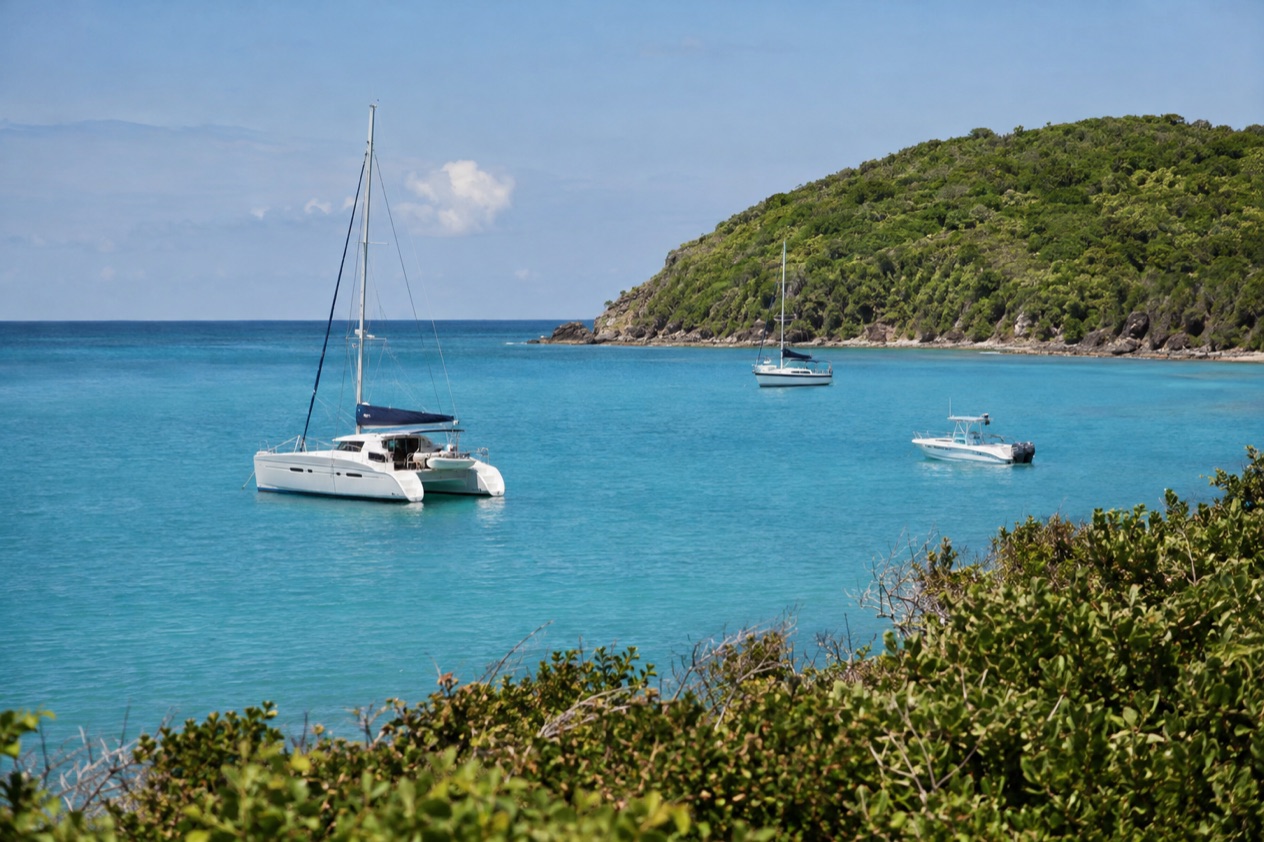
At the end of a Fajardo afternoon the masts in the marina clink in the trade wind, boats come in with salty, sunburned passengers, and the first kayakers are already heading out toward the dark mangroves. This is the corner of Puerto Rico where the island runs out of road and the sea takes over. Fajardo is a boating town, a base for white-sand cays, a glowing bay and the islands to the east, and it suits travelers who would rather spend the day on the water than in a museum.
Where is Fajardo and what is it like?
Fajardo sits on the northeast corner of Puerto Rico, where the Atlantic meets the Caribbean, with Luquillo and El Yunque to the west and Ceiba a short drive to the south. It is a marina town first and a beach town second, and its character comes from boats rather than from a polished resort strip.
The harbor is the center of everything. Fajardo is a hub for recreational boating and a popular launching port for Culebra, Vieques and the U.S. and British Virgin Islands, and it is home to Puerto del Rey, the largest marina in the Caribbean.
Walk past the docks and you will hear sailors trading weather news, see catamarans being loaded with coolers and snorkel gear, and smell fried fish from the little waterfront restaurants. The town itself is a working Puerto Rican municipality, with a plaza, a church and everyday errands, so it feels lived in rather than staged.
Offshore lies a scatter of uninhabited coral islands and barrier reefs, including Icacos, Isla Palomino, Palominito and Diablo. Back on the mainland there are said to be 46 beaches in the municipality, from sheltered snorkeling coves to open stretches facing the Atlantic. That variety is the real draw: you can change your mind about the day over breakfast and still find the right kind of shore.
Fajardo rewards people who like a plan built around water, early starts and salt on their skin. It is less suited to travelers who want a walkable historic quarter with nightlife on every corner, because evenings here are quiet and revolve around dinner by the harbor. Think of it as a gateway and a destination at once: a place to sleep near the boats, then spend most of the daylight away from the dock.
What is there to do in Fajardo?
The big reasons to come are the cays, the glowing lagoon and the nature reserve on the headland, while nearby Ceiba opens the way to Culebra and Vieques. What sets Fajardo apart from its neighbors is that all of them begin within a short hop of each other. Luquillo offers a famous beach and Ceiba the ferry dock, but Fajardo is where the boats, tours and guides cluster.
Icacos and the cays
Icacos is the classic Fajardo day trip: a small uninhabited cay with a strip of white sand and clear water for snorkeling. It is the largest uninhabited cay in its chain and part of La Cordillera Reef Nature Reserve, and the water taxi from Fajardo takes about fifteen minutes. Catamaran and sailing day trips from the marinas often combine it with other stops among the cays.
Go early if you can, before the day boats fill the shallows, and take your own shade thinking, since an uninhabited cay is mostly sand, sun and sea. It suits families who like beach days, snorkelers and anyone who wants the postcard version of the Caribbean without a long journey. Neighboring islets such as Palomino and Palominito add variety if your boat includes them.
Laguna Grande by kayak at night
Laguna Grande, inside the Las Cabezas de San Juan Nature Reserve, is one of Puerto Rico’s three bioluminescent bays and one of the few in the world. Visits are usually made at night by kayak with a guide, and tours run all year. Paddling through a mangrove channel in the dark, then out into the lagoon, is half the pleasure before any glow appears.
The glow is strongest on dark, moonless nights, so a trip near the new moon gives you the best chance, and you may see trails of blue-green light around your paddle. A bright moon can soften the effect, so treat the glow as a chance rather than a promise. It suits couples and anyone who likes quiet adventure.
Las Cabezas de San Juan and the lighthouse
The same reserve that holds the lagoon also protects mangroves, coastal forest and the Las Cabezas de San Juan Lighthouse, one of the oldest lighthouses in Puerto Rico. Its mangroves and lighthouse show how much of this coast is still wild.
Pairing the reserve in daylight with the lagoon at night makes a tidy day, and it gives you something to do on days when the sea is too rough for boats. It suits walkers, birders and photographers, and it is a gentler option for anyone who finds a full day on a catamaran too much.
Luquillo’s food kiosks on the way
Luquillo beach and its row of food kiosks lie along the coast road between San Juan and Fajardo, close to the turnoff for El Yunque. The kiosks serve the snacks Puerto Rico does best: crisp alcapurrias (fritters of green banana and yautia filled with meat), empanadillas, fresh seafood and cold coconut water.
It makes a natural lunch stop on the way in or out, with a swim and a stroll under the palms before you carry on. Come hungry, try two or three kiosks rather than one big meal, and follow any flag or sign on the beach, since conditions change from day to day.
How many days do you need in Fajardo?
A long weekend is enough to taste Fajardo, and a week lets you pair it with an island or two. A short stay can still hold a cay day, a night paddle and an easy lunch at Luquillo, as long as you leave room for the weather to move things around.
With two days, give one to the water and one to the land. The first day is for Icacos or a catamaran trip, ideally starting in the morning and ending with a late seafood dinner near the harbor. The second belongs to the Las Cabezas reserve in the daylight hours, followed by a Laguna Grande tour at night. Tours leave from different spots, so keep the evening free and let your guide set the timing.
With three or four days, spend a slower beach day at Seven Seas, where people swim, snorkel, sail and dive, and stop at Luquillo on the way out. A day in the rainforest of El Yunque fits comfortably if you start from this side of the island, and it gives your sunburned shoulders a break.
A week opens the islands. Culebra is a quiet island with one town, Dewey, and Flamenco Beach, a wide horseshoe of pale sand with the rusted military tanks left on it. Tamarindo Beach on the west side is where green sea turtles are often seen feeding over the seagrass.
Vieques, with its own beaches and a glowing bay, makes another trip. You can also stay for a few days on one island, then come back to the Fajardo side for a last night on the mainland.
Ceiba, just south, adds smaller pleasures if you have time: Playa Los Machos, the mangroves at Medio Mundo y Daguao, and the natural pools of Charco Frío y Las Tinajas. Ceiba is also where the former Roosevelt Roads naval base stood, a reminder of how recently this corner changed hands from military to leisure.
Where to stay in Fajardo
The main choice is between staying right by the marinas, in a beach-side spot a bit away from the harbor, or on the road toward Luquillo or Ceiba. Each gives a different version of the trip, so the question is mostly whether you want to walk to the boats or wake to a quiet shore.
Near the marinas you are close to the dock, the water taxis and the waterfront restaurants. This suits sailors, boat-trip travelers and anyone who wants an early departure without a morning drive. The feel is practical rather than lush, with boat yards, chandleries and open-air bars. Expect to hear engines at dawn and halyards in the wind at night.
Toward the coast beyond the harbor, the pace slows. Fishing-village streets, small seafood places and beach access make it a good fit for couples and families who want to walk to the sand and still be near the tours. It is also closer to the Las Cabezas reserve, which helps if you plan the night paddle at Laguna Grande.
Staying in Luquillo puts you by the food kiosks and the long beach, with El Yunque a short drive inland. That works for travelers who care more about beach life and rainforest than about boats, and who are happy to drive to Fajardo for the day trips.
Staying near the Ceiba ferry terminal makes sense for early departures to Culebra or Vieques. It is a quieter, smaller town with beaches of its own, and a night here removes the morning scramble. Some travelers also sleep on Culebra itself, where there are no large resorts and the harbor in Dewey stays calm after dark.
How do you get to Fajardo and get around?
Most travelers arrive by road from San Juan, since the airport that once served Fajardo, Diego Jiménez Torres, is permanently closed. U.S. citizens need no passport for the flight from the mainland, which lands in San Juan, and from there the road runs east along the coast through Luquillo toward the marinas.
There is also an airport in nearby Ceiba, José Aponte de la Torre, which offers commercial flights, mostly domestic, on three airlines. Ceiba lies about an hour’s drive from San Juan, so it can be a handy back door if your flights line up, especially when you are continuing to the islands.
Once you are here, the tours do much of the moving for you. Water taxis cross to Icacos in about fifteen minutes, catamarans leave from the marinas, and kayak tours at Laguna Grande are led by guides. Around town, the harbor, the reserve and the beaches are spread along the coast rather than packed into one walkable center, so arrange transportation before you arrive.
For the islands, remember that the public ferries to Culebra and Vieques leave from Ceiba, not from Fajardo. Culebra can also be reached by a short flight. On Culebra, visitors get around on rented golf carts and bikes, and the island has one town and no large resorts.
When is the best time to visit Fajardo?
The best months are generally December through April, when the island’s drier season brings sunnier days, a lighter chance of heavy showers and good conditions for boats and snorkeling. It is warm and humid all year, so the difference is mostly in how often the sky opens up, and the trade winds keep the afternoons pleasant on the water.
May through November is the wetter season, with hotter, stickier days and heavier downpours, though mornings are often bright enough for a cay trip. The Atlantic hurricane season runs from June 1 to November 30, with most activity between mid-August and mid-October and the peak around the tenth of September. Outside that window the risk is lower, but never zero for storms, so follow the National Hurricane Center and local official alerts if you travel in those months.
The calendar adds color. The long Christmas season, from late November into mid-January, brings parrandas (roving carols with guitars and cuatros), and Three Kings Day on January 6 is a family holiday across the island.
In June, nearby Ceiba holds its patron saint festival, with parades, games, artisans, regional food and live music. Holiday weeks and long weekends tend to be busier on the cays and at the marinas, so go midweek for calmer beaches.
For the night paddle at Laguna Grande, the moon matters more than the month. A moonless stretch at any time of year gives the best chance of a strong glow, so check the lunar calendar when you pick dates. Sargassum seaweed can reach east and south coasts in some springs and summers, which may affect a beach day here and there.
Good to know before you go
Fajardo uses the U.S. dollar, and Spanish and English are both widely used, though a few words of Spanish are always welcome at the dock and the kiosks. Pack sunscreen, a hat and a light rain jacket, and bring water shoes for rocky landings. At the beach, check the conditions of the day, follow any flag, sign or lifeguard where one is present, and keep an eye on the forecast, since seas and weather can change quickly on this coast.
Sources
- Wikipedia, Fajardo (https://en.wikipedia.org/wiki/Fajardo,_Puerto_Rico), checked October 8, 2026
- Wikipedia, Cayo Icacos (https://en.wikipedia.org/wiki/Cayo_Icacos), checked October 8, 2026
- Wikipedia, Ceiba (https://en.wikipedia.org/wiki/Ceiba,_Puerto_Rico), checked October 8, 2026
- U.S. Fish and Wildlife Service, Culebra National Wildlife Refuge (https://www.fws.gov/refuge/culebra), checked October 8, 2026
- NOAA National Hurricane Center, Climatology (https://www.nhc.noaa.gov/climo/), checked October 8, 2026
All our pages
When to go
- Best Time to Visit Fajardo: Weather by Month, Beaches, Crowds and Festivals
- Fajardo in January: Weather, Sea, Cays and Glowing Bays
- Fajardo in February: Weather, Swimming, Bioluminescent Bay and Cay Trips
- Fajardo in March: Weather, Sea Swimming, Cays and Bioluminescent Bay
- Fajardo in April: Weather, Sea Swimming, Cays and Bioluminescent Bay
- Fajardo in May: Weather, Sea and Beaches, Bioluminescent Bay and Cays
- Fajardo in June: Weather, Sea Swimming, Icacos and Laguna Grande
- Fajardo in July: Weather, Sea Swimming, Cays and Glowing Bay
Things to do
- Things to Do in Fajardo: Bioluminescent Bay, Icacos Cay, Beaches and Day Trips to Culebra
- Day Trips from Fajardo: Icacos Cay, Culebra, the Bioluminescent Bay and Luquillo