
At seven in the morning the masts in Fajardo’s marinas clink in the trade wind, and catamaran crews are already hosing down decks before the day-trippers arrive. A few miles away, in the villages by the nature reserve, the first coffee is poured while fishing boats come in.
By dusk, kayakers are heading out to a dark lagoon, and the coast road toward Luquillo smells of grilled food. Where you sleep in this corner of Puerto Rico decides which of these scenes becomes yours.
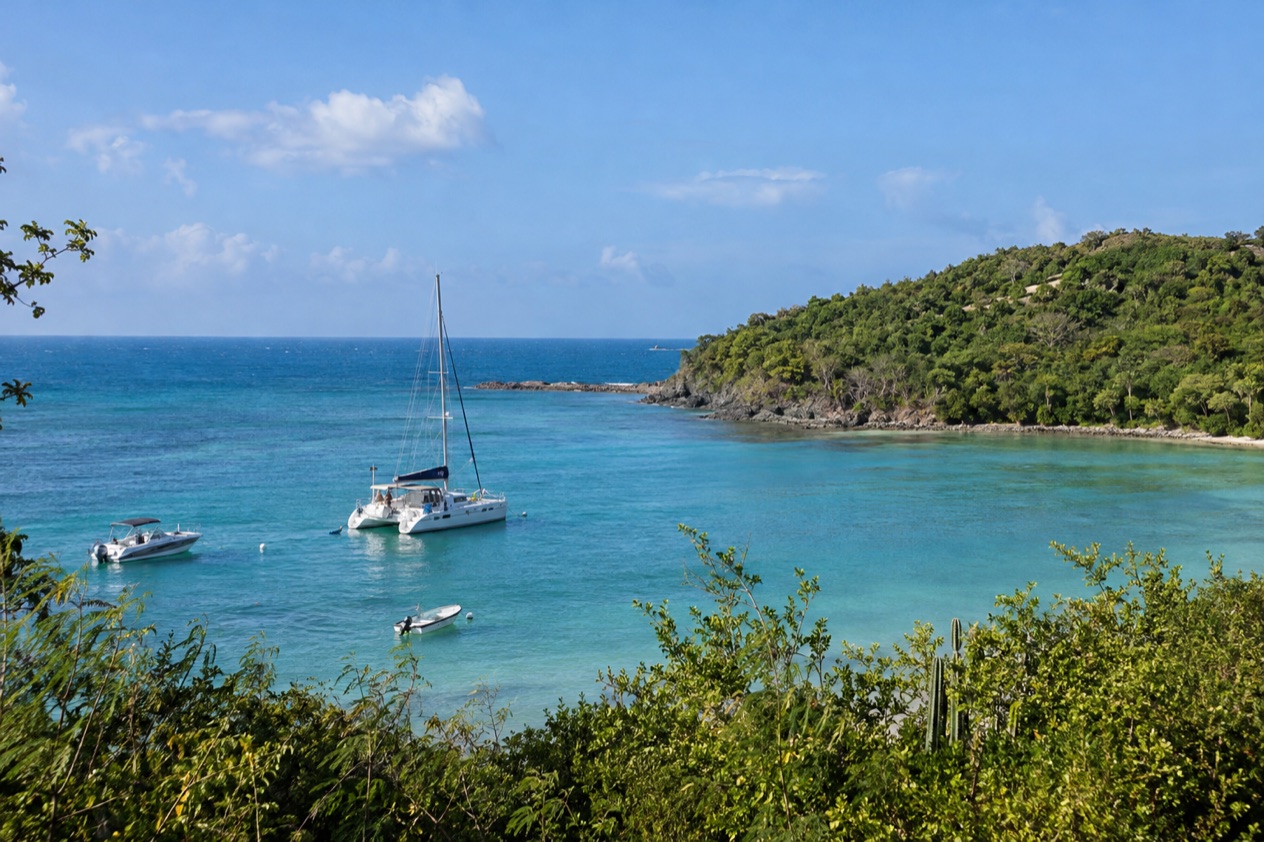
What is the best area to stay in Fajardo?
When your first visit is all about beaches and time on the water, the easiest place to settle in is the waterfront and marina area of Fajardo, and for those who want calm mornings plus the bioluminescent bay close by, the villages near Las Cabezas de San Juan Nature Reserve are a great fit. Budget travelers and anyone who likes local life tend to look at Ceiba, a short drive south.
Families who want a beach right outside the door and a row of casual food stands will often prefer Luquillo, on the road toward San Juan. Nightlife is the one thing this corner of the island does modestly, so if you want bars and late dinners, you will be driving or staying elsewhere.
The areas differ less in distance than in mood. Fajardo town and its marinas are practical and nautical, a place where the day starts early because the boats leave early. The reserve villages are small and sleepy, with the lagoon, the mangroves and the lighthouse nearby.
Luquillo is a beach town with a holiday rhythm, busiest on weekends when families from San Juan arrive. Ceiba is spread out, green and unhurried, with the old naval station land behind it and the ferry port for Culebra and Vieques at its door.
Think first about what fills your days. If you plan a catamaran trip to the cays, a night kayak in Laguna Grande and a ferry to an island, a base within a short drive of all three saves you long mornings behind the wheel.
If you mostly want sand, a book and an easy dinner, pick the beach town and treat the rest as outings. If you want to wake up in the middle of an island itself, Culebra is a real option, with a very different pace.
Lodging in the area runs from large resort-style properties to boutique hotels, guesthouses and vacation apartments, and the mix shifts from one area to the next. The marina side leans toward hotels and apartments with a view of the boats. The smaller villages lean toward guesthouses and rentals. A car makes almost every combination easier, since the sights are spread along the coast rather than clustered in one walkable center.
The best areas to stay in Fajardo
Fajardo town and the marina waterfront
This is the working heart of the area. Recreational boating centers on this town, and Puerto del Rey, the Caribbean’s biggest marina, sits in its harbor. Boats of every size line the docks, sailors stock up on provisions, and catamaran and sailing day trips to the offshore cays leave from here. The port is also the launching point for boats heading to Culebra, Vieques and the Virgin Islands.
Lodging tends to be hotels, apartments and a few resort-style properties, many with water views, plus simple town guesthouses for a short stop. It suits first-time visitors, sailing fans and anyone who wants to be out the door early for a boat.
In the evening, expect seafood restaurants and a calm harbor rather than a lively scene. The town itself is ordinary and local, with bakeries, a plaza and everyday errands, which can be a pleasant change from resort bubbles.
You will want a car here to reach the beaches, the reserve and the ferry port at Ceiba. A tip: since the old Fajardo airport no longer handles commercial flights, plan your arrival through San Juan and drive in.
The reserve villages around Las Cabezas de San Juan
At the northeastern tip, the terrain tapers into Las Cabezas de San Juan Nature Reserve, home to mangroves and a lighthouse that ranks among Puerto Rico’s oldest. Laguna Grande, one of the island’s three bioluminescent bays, sits inside the reserve, and night kayak tours run all year with a guide. The glow is best on dark, moonless nights, so a stay timed to the lunar calendar gives you the better chance of seeing it.
Sleeping here means small hotels, guesthouses and rental apartments, with a few larger beachside resorts nearby. Mornings are quiet, but confirm the exact location before assuming restaurants or the water are walkable. This area suits couples, nature lovers and travelers who would rather end the day with a short drive back to a calm room than a late night out.
Getting around is by car. Beaches are scattered along this stretch, and Fajardo as a whole counts dozens of them, so you can try a different one each day. Seven Seas Beach is a favorite for swimming, snorkeling and sailing. Conditions change from day to day and from beach to beach, so follow any flag, sign or lifeguard you find.
Luquillo and the coast road
On the coastal highway linking San Juan and Fajardo, Luquillo sits near the El Yunque exit. Its beach is the draw, with palms along the sand, and just behind it a row of food kiosks serves fried snacks, grilled meats and cold drinks. Weekends bring crowds and music, weekdays are far gentler. It is a natural base if you want both the rain forest and the cays in the same trip.
Lodging is smaller in scale: guesthouses, apartments and a handful of small hotels, rather than big all-inclusive complexes. Families like it for the easy beach and the casual meals, and budget-minded travelers like that dinner can be a snack stop instead of a restaurant bill. Nightlife is local and relaxed, mostly food and conversation.
Getting around is mostly by car, and you can reach Fajardo’s marinas and boat departures by driving along the coast. A tip: if you sleep here and have a morning boat, leave a margin for the coast road, which can be slow on weekends.
Ceiba and the ferry side
Ceiba sits on the northeast coast, south of Fajardo, about an hour’s drive from San Juan. Public ferries bound for Culebra and Vieques depart from here, and the area also counts its own airport, José Aponte de la Torre, which handles mainly domestic commercial flights. The former Roosevelt Roads naval station gives the area wide open spaces, and the surrounding land is green, with mangroves at Medio Mundo and Daguao, the natural pools of Charco Frío and Las Tinajas, and Playa Los Machos.
This is the area for travelers heading onward to an island, and for those who like a less developed base. Lodging is modest: guesthouses, small inns and apartments, with fewer big hotels. Each June, the patron saint festival showcases community pride through parades, games, artisans, regional dishes, and live entertainment. Staying here means a short drive to Fajardo for boat trips, and a very short one to the ferry.
Culebra, if you want an island base
Culebra is a small island off the northeast coast, reached by public ferry from Ceiba or by a short flight. Dewey is its only town, with a quiet harbor and no big resorts, and people explore by bike or on a rented golf cart.
Lodging is small scale, with guesthouses, apartments and a few small inns. For anyone hoping to bed down close to Flamenco Beach, a broad crescent of light-colored sand that still holds abandoned, rust-covered military tanks, this is a fitting choice.
On the west side, Tamarindo Beach is a place to snorkel, and green sea turtles can often be spotted feeding above the seagrass. Evenings are very quiet and the pace is slow, which is the point. As a base for the Fajardo area proper, it is not practical, since you add a ferry crossing to every outing. Treat it as a separate stay, or as a night or two added to a Fajardo trip.
Fajardo areas compared
| Area | Best for | Feel | Getting around |
|---|---|---|---|
| Fajardo town and marinas | First visit, boat trips, sailing | Busy harbor, practical, nautical | Car, boats from the docks |
| Reserve villages near Las Cabezas | Bioluminescent bay, nature, couples | Quiet, small, near mangroves | Car |
| Luquillo | Families, beach days, budget meals | Casual beach town, lively weekends | Car |
| Ceiba | Ferry to Culebra and Vieques, local life | Green, spread out, unhurried | Car, ferry port and small airport nearby |
| Culebra | Beaches, snorkeling, slow days | Tiny island town, no large resorts | Golf carts, bikes, ferry or short flight |
The main trade-off is between beach and boat. Luquillo and the reserve villages put sand or the lagoon close to the door, while Fajardo town puts you next to the departures but not on a swimming beach. Choose lodging only after confirming the exact marina for your boat or the ferry port in Ceiba. If you want the beach, accept a short drive to the boats.
A second trade-off is quiet against company. The villages and Ceiba are peaceful, with early nights and little to do after dinner. Luquillo has more movement, especially on weekends, but it is a beach town, not a nightlife district. Fajardo town sits in between, with restaurants by the water and a calm evening.
Finally, weigh local life against convenience. Ceiba and the town of Fajardo feel like places where people live, with bakeries, plazas and festivals, and they reward travelers who like to wander. The beach and reserve areas feel more like vacation, with every day aimed at the water. Many travelers split the stay, spending a few nights by the reserve and a night in Ceiba before a ferry morning.
Culebra stands apart. It trades the car for a golf cart, and the long list of choices for one town and a few beaches. For a short trip, it works best as an extension, not a base. For a longer one, a few nights there make the rest of the stay feel even busier by contrast.
How to choose your hotel in Fajardo
Start with the all-inclusive question. A large resort with meals included makes sense if you plan beach days and pool afternoons and do not want to drive for dinner.
It makes less sense if you plan boat trips, night kayaking and a ferry to an island, because you will be out of the property from morning until night and paying for meals you skip. Boutique hotels, guesthouses and apartments suit travelers who want to eat in the town and the kiosks, and who like a kitchen for breakfast.
Next, decide between beachfront and the lagoon or marina side. A beachfront room puts you on sand, with the sound of the surf, but wind and swell change from day to day.
A marina or harbor room gives you a view of boats and calm water, but you will drive to a beach. The sea on this coast can be gentle one morning and rougher the next, so follow posted warnings and lifeguard instructions.
Think about seaweed. In certain springs and summers, sargassum may arrive on east and south coasts, and on some beaches it can gather while others stay clear. Before booking a beachfront room in those seasons, ask whether the stretch of sand in front has been affected recently. It is a chance, not a rule, and the cays and the sheltered coves are often a good alternative on those days.
Timing matters too. Weekends in Luquillo fill with families from San Juan, and Christmas season, Holy Week and local festivals draw crowds, so book early for those dates. The Atlantic hurricane season runs from June 1 to November 30, with the peak around September 10. Should your travels land beyond those dates, there is less chance your plans will shift, yet within them you ought to watch the National Hurricane Center along with local official alerts, and make reservations that allow for changes.
For families and for travelers who need step-free access, ask directly. Properties vary in access, so ask about stairs, paths to the beach, elevators and ramps. If someone in your group needs a ground-floor room or an accessible bathroom, confirm it in writing before you pay a deposit.
Before you confirm, check three more things. Ask about noise: rooms near a pool bar, a marina road or a weekend beach can be loud. Ask about transfers, since the old Fajardo airport no longer handles commercial flights and most visitors arrive through San Juan or Ceiba. And ask how far the room is from your boat departure or your ferry, so the early morning is easy.
If you plan the bioluminescent bay, think about the moon. On the darkest nights with no moon, the glow shines brightest, so choose your stay dates accordingly and keep your lodging near enough that the return drive is brief. If you plan a day on Icacos, a small uninhabited cay reached by a short water taxi ride from Fajardo, a room near the docks saves you the morning rush.
Good to know before you go
Americans can visit without a passport or a visa, and they use U.S. dollars as the currency. Most visitors fly into San Juan and drive east along the coast. Ceiba also has an airport with mostly domestic flights. Both languages hold official status here, and at a guesthouse desk or a food kiosk, even a small amount of Spanish goes a long way.
Sources
- Wikipedia, Fajardo (https://en.wikipedia.org/wiki/Fajardo,_Puerto_Rico), checked October 8, 2026
- Wikipedia, Cayo Icacos (https://en.wikipedia.org/wiki/Cayo_Icacos), checked October 8, 2026
- Wikipedia, Ceiba (https://en.wikipedia.org/wiki/Ceiba,_Puerto_Rico), checked October 8, 2026
- U.S. Fish and Wildlife Service, Culebra National Wildlife Refuge (https://www.fws.gov/refuge/culebra), checked October 8, 2026
- NOAA National Hurricane Center, Climatology (https://www.nhc.noaa.gov/climo/), checked October 8, 2026