
In Fajardo, come March, a morning at the marina brings the clink of rigging, the scent of sunscreen and coffee, catamarans heading out to the cays, and pelicans plunging into the water next to the docks. The air is warm but not yet heavy, the sky is often a washed blue, and the town runs at an easy pace. For travelers who want sand, snorkeling and a night on a glowing bay on Puerto Rico’s northeast corner, March suits the place well.
What is the weather like in Fajardo in March?
Come March, Fajardo brings warmth, sunshine and mostly dry days, plus brief showers that pass through instead of lasting stretches of gray. Expect the weather to feel much the same a few miles south in Ceiba, so think of it as the neighborhood vibe rather than the exact spot where you will be standing.
| Month | Average high (°F) | Average low (°F) | Rain days | Sea (°F) |
|---|---|---|---|---|
| February | 83.5 | 71.4 | 4.4 | 79.8 |
| March | 84.2 | 71.9 | 5.5 | 80.8 |
| April | 85.9 | 73.3 | 6.3 | 82.2 |
Early hours come gentle and full of light, yet by noon the sun beats down hard enough to make you reach for a hat and a seat in the shade. The trade winds keep the afternoons from feeling sticky, especially out on the water, where a breeze usually follows the boats. You can still eat dinner outdoors in a T-shirt most evenings, though you may want something light for the open deck on the way back.
Rain tends to arrive as a quick shower that passes through in a short spell, then the sun comes back and the pavement dries fast. The northeast corner of the island catches more of these showers than the dry south coast, and the hills inland toward El Yunque collect the most. A shower rarely cancels a day, but it is a good reason to keep a thin rain jacket in the bag and to plan morning outings on the water, when the sky is usually clearer.
The light is lovely this month. Days are just over twelve hours long, so there is time for a full beach day and still enough daylight to walk the waterfront before dinner. Pack for sun first and rain second.
Can you swim in Fajardo in March?
Absolutely, you can enjoy a long, comfortable swim because the water stays in the low 80s and no wetsuit is required. That temperature comes from marine data for the waters off Fajardo, and it holds a degree or two above February’s.
Usually, the finest swimming in this area can be found on the cays’ protected side. For the classic pick, take a boat to Icacos, a tiny island with no inhabitants, where the sand is white and the water stays shallow and clear, and snorkelers frequently spot little fish near the beach.
The water can change from one day to the next and from one beach to another, so check with the boat crew about conditions that morning, and if a flag, a sign or a lifeguard gives you instructions, follow them. The open Atlantic stretches along the north coast, and March can still bring a lingering swell, so beaches facing it may be rougher than those tucked behind the cays.
Bring a snorkel mask if you have one, a rash guard for long hours in the sun, and water shoes for rocky entries. Children and nervous swimmers usually do best in the shallow, protected spots, always with an adult close by.
What to do in Fajardo in March
March sits in the drier stretch of the year, which is why this is a month for boats, beaches and nights outdoors. The crowds from the winter high season are thinning, the sea is warm, and the town’s marina life is in full swing. Food fits the mood: fried snacks from roadside kiosks, grilled fish near the docks, and cold coconut water or a piña colada once the sun gets high.
Icacos and the cays by boat
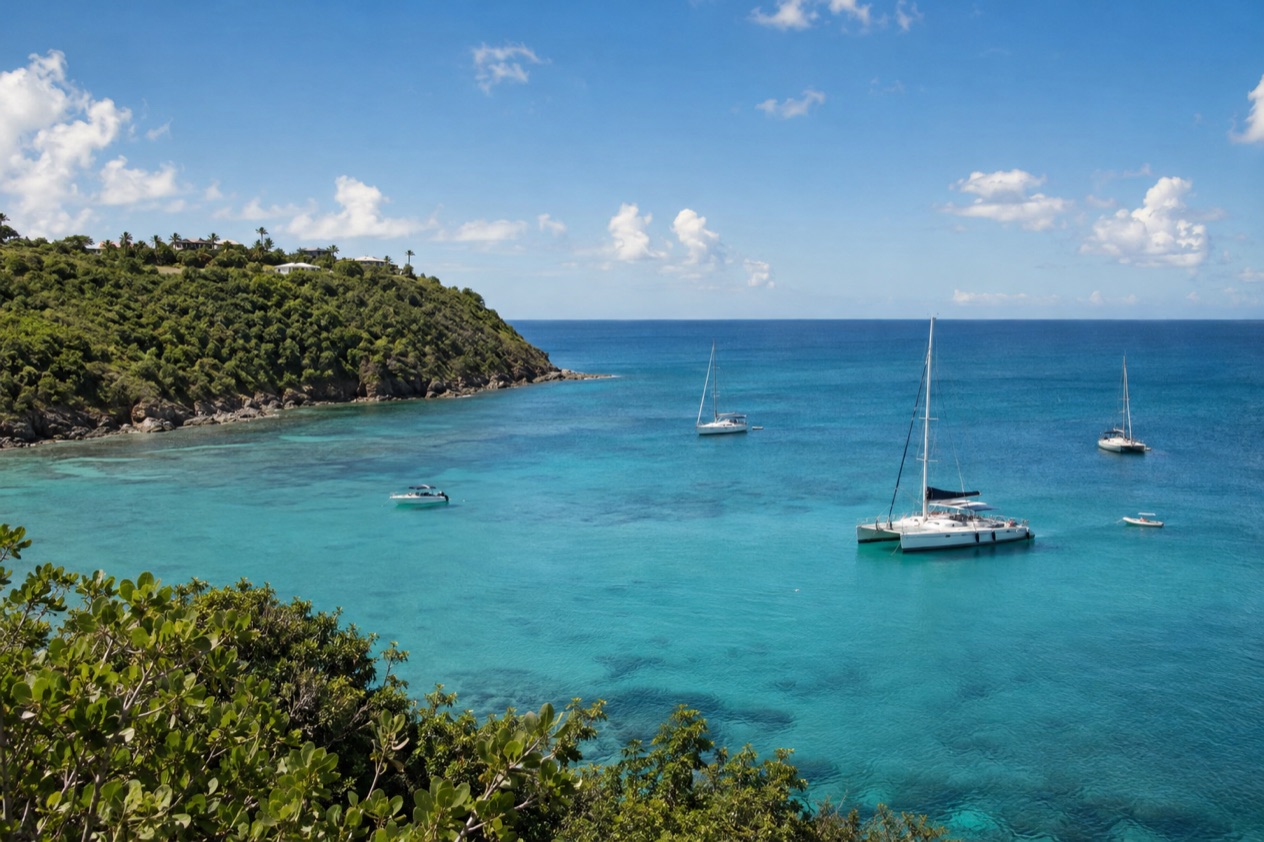
A boat day to the cays is the reason many people come to Fajardo. Catamaran and sailing trips leave from the marinas along the waterfront and head for small islands ringed with sand and coral. You will see turquoise shallows, mangrove edges and pelicans, and the crews often anchor so you can swim and snorkel before lunch.
Icacos is the best known stop, a bare, sandy cay with little shade, so bring a hat and a cover-up. Morning departures usually catch the calmest water and the clearest light, and the trips suit couples, families with older children and groups of friends. If the wind picks up, the crew may choose a more sheltered anchorage, which is part of the charm of going with people who know the water.
Laguna Grande by kayak at night
Within the Las Cabezas de San Juan Nature Reserve lies Laguna Grande, one of Puerto Rico’s three bioluminescent bays. You visit at night by kayak with a guide, paddling through mangrove channels until the water begins to shimmer around your paddle. When the sky is dark and the moon is absent, that glow reaches peak brightness, so check the lunar phase before choosing your night, and treat the glow as a maybe rather than a sure thing.
The paddle is gentle and the pace is slow, which suits most adults and older children who are comfortable on the water. Bring bug spray, wear clothes that can get wet and leave the flash photography behind, because phones rarely capture the glow anyway. Afterward, it is a short drive back to Fajardo for a late dinner.
Luquillo kiosks and the road to El Yunque
On the drive between San Juan and Fajardo, Luquillo beach lines the coastal route with food stalls selling alcapurrias (fritters fried from green banana and taro, typically filled with meat), pinchos (skewers from the grill) and seafood pulled fresh from the water. It is an easy stop on the way in or out of Fajardo, and the beach itself is a wide, palm-lined curve that locals favor on weekends.
The turnoff for El Yunque is close by, so many travelers pair the kiosks with a morning in the rainforest. Showers are common in the hills even in a fairly dry month, so wear shoes with grip and carry a light jacket. Arrive hungry and plan to linger over lunch, because the kiosks are better enjoyed slowly.
Back in town, an evening stroll along the waterfront is a pleasure in March, with boats lit up at the docks and families out for ice cream. When you can spare a few more days, those islands are a lovely addition, because the public ferries to Culebra and Vieques leave from Ceiba, just a short drive south of town.
A two-day itinerary for Fajardo in March
Day 1 belongs to the water. Get to the marina early, while the breeze is cool and the light is clean, and climb aboard a catamaran or sailing trip bound for Icacos and the cays close by. Swim and snorkel until the sun climbs, then eat lunch on board or on the sand, and head back to the dock by mid-afternoon.
Rest at your hotel or stroll the waterfront while the heat eases, then have dinner at a seafood place near the docks. With about twelve hours of daylight, the sun sets in the early evening, which leaves time for a slow walk by the boats before dark. If a shower rolls in, shift to a long lunch at a covered restaurant and wait for the sky to clear.
Day 2 starts on the road west. Drive toward Luquillo in the morning, spend an hour on the beach, then eat at the kiosks, where a couple of fried snacks and a cold drink make a proper lunch. If the sky looks clear, continue to the El Yunque turnoff for a short rainforest walk.
Return to Fajardo in the late afternoon, rest, and head to Las Cabezas de San Juan for the Laguna Grande kayak tour after dark, ideally on a moonless night. In rain, trade the beach for the covered kiosks and a slow lunch, and keep the night paddle for a clearer evening.
Is Fajardo busy in March?
Fajardo is moderately busy in March, lively on weekends and holiday weeks but calmer on weekdays. Spring break brings groups of students and families from the mainland, and boat trips to the cays fill up first on Saturdays and Sundays. Locals also head to the beaches on weekends, so the cays and the Luquillo kiosks feel crowded on Sundays.
Weekdays are easier. Marina restaurants have tables, boats have space, and the beaches feel more relaxed. Rooms and rental cars are easiest to find outside the spring break weeks, so book early if your dates overlap with school vacations and a little later if you are traveling in a quiet stretch.
The outings that go first are the catamaran days and the night kayak tour at Laguna Grande, which have limited places. Reserve those before you finalize the rest of the plan. Easter and Holy Week move every year, and when they fall in late March the whole island gets busier, so check the calendar before you choose dates.
What to pack for Fajardo in March
Pack light, quick-drying clothes for sun, sea and the occasional shower.
- Sunscreen and a hat, because the cays offer little shade.
- Swimsuit and a rash guard for long hours on the water.
- Snorkel mask, if you have one, for the clear shallows around the cays.
- Water shoes for rocky entries and boat docks.
- A thin rain jacket for passing showers, especially in the hills.
- Bug spray for the mangroves around Laguna Grande.
Good to know before you go
March falls outside the official hurricane season, which runs from June 1 to November 30. For U.S. citizens, no passport or visa is required to visit, the U.S. dollar serves as the currency, and having a car makes linking Fajardo, Luquillo and El Yunque much easier. If you want to add Culebra or Vieques to your trip, keep in mind that the public ferries depart from Ceiba, which sits a short drive south of Fajardo.
Fajardo in March vs February and April
Going a month earlier brings a slightly cooler sea and fewer rain days, with a little more winter swell on the open Atlantic coast. The crowds are similar to March, and February keeps more of the high-season feel in town. Choose it if you prefer the driest stretch and do not mind water a degree cooler.
Going a month later brings a warmer sea, hotter afternoons and more showers, with the island settling toward the wetter season. Boat days are still excellent, and the water is more inviting for long swims, though the sun feels stronger. In some springs and summers, Sargassum seaweed may arrive on east and south coasts, so keep that chance in mind for April.
March sits in the middle, with warm water, mostly sunny days and a town that is busy without being packed. Travelers who want the driest weather should lean earlier, while those who care most about warm swimming can lean later.
Is March a good time to visit Fajardo?
Yes, March is a very good month for Fajardo, especially for travelers who want boat days, snorkeling and a night on a bioluminescent bay. The sea is warm, the days are bright and the showers are short.
It suits couples, families with older children and groups of friends who want to spend most of the day outdoors. It is less ideal for anyone hoping for a completely quiet beach on a spring break weekend, or for those who want guaranteed surf-free water on the Atlantic side.
On arrival, reserve your boat day and your night kayak tour first, then build the rest around them. Check the moon phase for Laguna Grande and keep one flexible afternoon for a shower. What makes March special here is the mix of warm water, long light and a marina town that is fully awake but not yet in the heat of the wetter months.
Sources
- NOAA NCEI, monthly normals 1991-2020, station RQW00011630 (Roosevelt Roads (Ceiba)), checked October 8, 2026
- Open-Meteo Marine API, average 2015-2024, checked October 8, 2026
- sunrise-sunset.org, sunrise and sunset calculated for the 15th of the month, checked October 8, 2026
- NOAA National Hurricane Center, Climatology (https://www.nhc.noaa.gov/climo/), checked October 8, 2026
To plan your stay
- Things to Do in Fajardo: Bioluminescent Bay, Icacos Cay, Beaches and Day Trips to Culebra
- Where to Stay in Fajardo: Marina Town, Reserve Villages, Luquillo and Ceiba
- Day Trips from Fajardo: Icacos Cay, Culebra, the Bioluminescent Bay and Luquillo
- Best Time to Visit Fajardo: Weather by Month, Beaches, Crowds and Festivals