
Before eight in the morning the docks in Fajardo are already busy. Catamaran crews coil lines, coolers get loaded, and the masts in the marinas ring softly in the trade wind.
Within reach of this corner of the island are white-sand cays, a turtle beach on Culebra, a bay that glows at night and a roadside row of kiosks frying fritters. Anyone who prefers a day of roaming to a day at the hotel can link all four into one loop.
What are the best day trips from Fajardo?
The best day trips from Fajardo are the ones that use the water: a quick hop to Icacos Cay, a ferry ride to Culebra, and a night paddle on Laguna Grande, with Luquillo’s beach kiosks as the easy road option. Fajardo is a marina town first, so boats are the natural way out. Almost everything else sits within a short drive along the coast.
- Icacos Cay, an uninhabited island with pale sand and snorkeling, reached by a short boat ride.
- Culebra, a sleepy island with Flamenco Beach, rusted tanks and turtles at Tamarindo.
- Vieques, a quiet island of open beaches, reached from the ferry port at Ceiba.
- Laguna Grande, where you paddle a kayak through a bay that can glow blue-green on dark nights.
- Las Cabezas de San Juan Nature Reserve holds mangroves along with a lighthouse counted among the oldest in Puerto Rico.
- Luquillo, a long beach and a row of food kiosks on the coast road toward San Juan.
- Ceiba, a small town with mangroves, a mountain stream and the former home of a famous cellist.
Pairing helps. A morning on the water leaves the evening free for the bay, while a day at Luquillo fits easily on the way to or from the airport in San Juan. Culebra and Vieques each deserve a full day, and trying both in the same day only means two ferry lines and very little beach.
The weather decides some of these plans. Boat trips depend on the wind and swell of the day, so the crews and the weather forecast have the last word. Early starts are rewarded with calmer light, emptier sand and a better chance of a table at lunch.
The best day trips from Fajardo
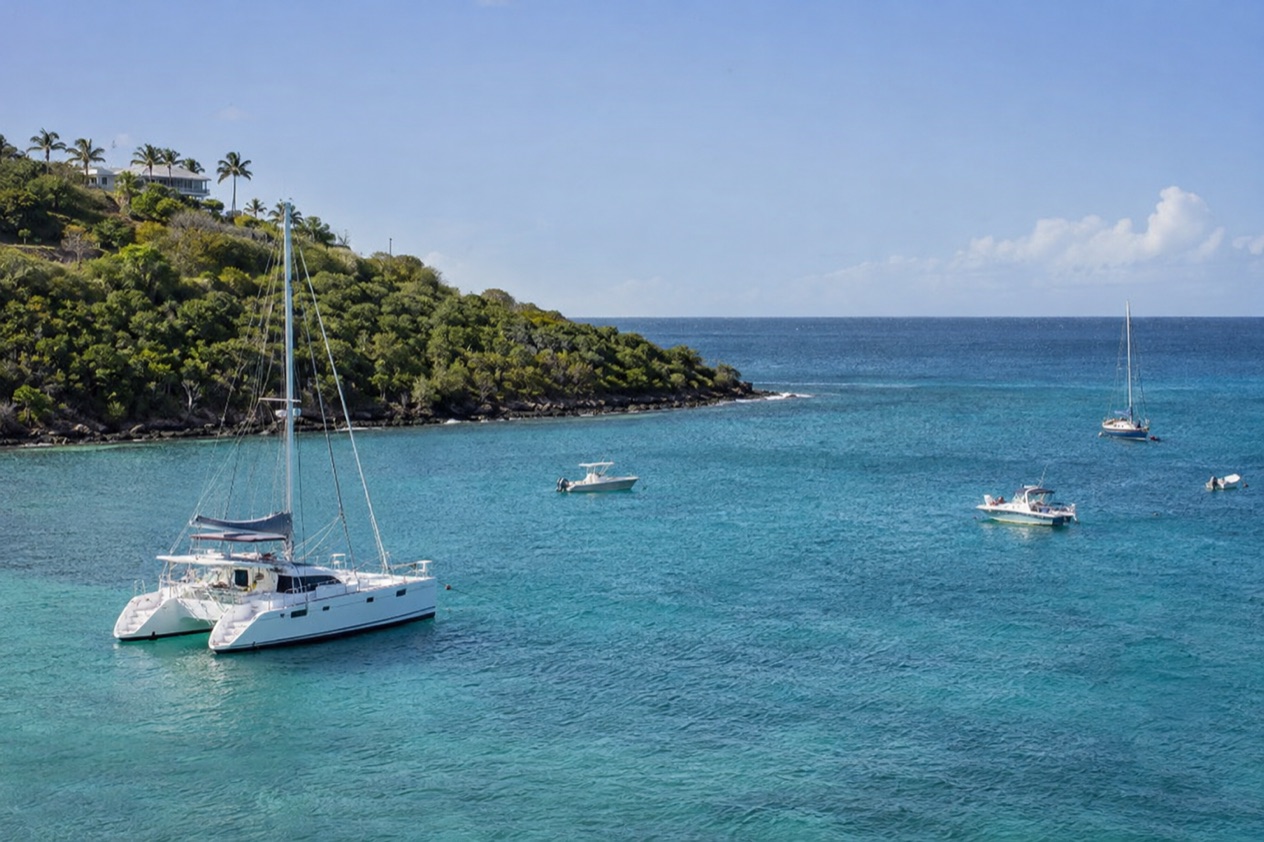
Icacos Cay by water taxi or catamaran
Icacos is the classic outing from Fajardo, an uninhabited cay off the coast that is the largest in its chain of cays and reefs. Water taxis make the crossing in a quarter of an hour, and catamaran and sailing day trips head there too, often with a snorkeling stop at a neighboring reef. The island sits inside a nature reserve, so it has the feel of a protected place rather than a resort beach.
What you find is a strip of pale sand, shallow turquoise water, a few shade structures and reef fish close to shore. Bring a mask, a hat and plenty of water, because there is no town behind the beach. Most people stay a few hours, and the sea is often gentler in the morning than in the afternoon.
It suits families, couples and anyone who wants a beach day without a long drive. Conditions change from day to day, so ask the boat crew about the water and follow any sign or flag you see on the sand. Nearby cays such as Palomino and Palominito appear on many sailing itineraries for a different anchorage.
Culebra: Flamenco Beach and Tamarindo
Roughly 17 miles east of the main island sits Culebra, which you can reach by public ferry from the port at Ceiba, a quick drive south of Fajardo, or on a short flight. The island has one small town, Dewey, a quiet harbor and no big resorts. Travelers usually explore by way of bikes and golf carts they rent, and as soon as you leave the boat, life downshifts.
Most visitors head here for Flamenco Beach, a broad crescent of light sand and transparent shallow water, where old rusted military tanks remain on the shore as a strange spot for photos. Green sea turtles can often be spotted grazing over the seagrass at Tamarindo Beach, a snorkeling spot on the west side. Behind Flamenco, the refuge shelters dry forest, mangroves and lagoons, and the Sooty Tern colony on the peninsula numbers tens of thousands of pairs.
Culebra works best as a full day, starting with an early ferry and returning on a late one. Some shores are sheltered and others exposed, so check the sea each time and follow any lifeguard, flag or sign. You can feel out how long the refuge’s public areas and trails stay open once you’re there.
| Site | Open |
|---|---|
| Culebra National Wildlife Refuge, public areas and hiking trails | Every day, 6:00 AM to 6:00 PM |
Vieques from the Ceiba ferry dock
Vieques is the other island people head for from Fajardo, and the public ferry leaves from Ceiba rather than from Fajardo itself. Compared with Culebra, it covers more ground and stretches farther, offering peaceful stretches of sand, tiny communities, and a countryside atmosphere. Wild horses are often seen roaming near the roads and beaches.
The island is also known for Mosquito Bay, one of the bioluminescent bays of Puerto Rico, which glows all year and is most striking on moonless nights. That is more an overnight plan than a day trip, but the beaches alone fill a day. Pack a swimsuit, sunscreen and snacks, and keep the return ferry time in mind as the afternoon slips away.
Vieques suits travelers who like empty sand and unhurried roads more than sights to tick off. Waves and currents differ from beach to beach, so ask locally and follow any posted flag or sign before swimming.
Laguna Grande and Las Cabezas de San Juan
Within Las Cabezas de San Juan Nature Reserve, a short distance from Fajardo, Laguna Grande ranks among the world’s few bioluminescent bays. At night, a guided kayak trip is how most visitors experience it, and you can book one during any month of the year. Paddling through the mangrove channel in the dark is half the charm, and when the water glows, every stroke leaves a blue-green trail.
On nights with no moon and plenty of darkness, the glow shines brightest, which means a full, bright moon can dull the display. Treat it as a chance, not a promise. A night outing leaves the day free for the beach, and the bay goes well after an afternoon on Icacos.
The same reserve is worth a daytime visit too. Along the shore, mangroves line the water’s edge, while the Las Cabezas lighthouse, among Puerto Rico’s oldest, keeps watch over the coast and the distant cays. It suits anyone who likes a slow walk and a view more than a beach chair.
Luquillo’s beach and kiosks
On the coast road from San Juan to Fajardo, near the turnoff for El Yunque, Luquillo sits in a spot that makes it the simplest stop on this list. The beach is a long curve of sand lined with palms, and the busiest days are weekends, when families spread out blankets and the music starts. A calm weekday morning feels very different.
The kiosks are the real draw. Along the strip you find stalls selling alcapurrias (fritters of green banana and taro stuffed with meat), bacalaitos (crisp salt-cod fritters), empanadillas, grilled fish and cold coconut water. Order a few things from different stands and share them at a picnic table near the sand.
Luquillo suits travelers on the way to or from San Juan, anyone traveling with children and those who want a beach without arranging a boat. Waves vary from day to day, so look for flags and lifeguards before getting in.
Ceiba: beaches, mangroves and a cellist’s home
Ceiba is a small town on the northeast coast, just south of Fajardo, and most visitors only see its ferry dock. It is worth a slower look. You can now explore this quiet place at your own pace, taking in Los Machos and other beaches, the mangroves of Medio Mundo y Daguao, and a swimming hole called Charco Frío y Las Tinajas, though the Roosevelt Roads Naval Station may be one thing this area has left behind.
The cellist Pablo Casals built a home here, known as El Pesebre, in his later years, and the town has a gentle musical pride. Every June, the Fiestas Patronales de San Antonio de Padua take over the streets, a lively celebration with parades, games, artisans, regional food, and live entertainment. If your trip falls then, the town square becomes the best lunch spot around.
A few hours in Ceiba pairs well with a ferry day, either before an outbound boat or after a return one. It suits travelers who like mangroves and local food more than organized attractions.
Day trips from Fajardo compared
| Trip | Time each way | Best for | How to go |
|---|---|---|---|
| Icacos Cay | Fifteen minutes by water taxi | Beach and snorkeling | Water taxi or catamaran from Fajardo |
| Culebra | Short drive to Ceiba, then ferry or a short flight | Flamenco Beach, turtles, a slow island day | Public ferry from Ceiba or a short flight |
| Vieques | Short drive to Ceiba, then ferry | Quiet beaches and open roads | Public ferry from Ceiba |
| Laguna Grande | A short way from Fajardo | Night kayaking in a glowing bay | Guided kayak tour at night |
| Las Cabezas de San Juan | A short way from Fajardo | Mangroves and the lighthouse | By road to the reserve |
| Luquillo | Along the coast road toward San Juan | Beach and food kiosks | By road |
| Ceiba | A short drive south | Beaches, mangroves and local culture | By road |
To choose, start with the kind of day you want. A beach and a swim point to Icacos or Luquillo. A real island escape points to Culebra or Vieques, which need an early start and a sense of the ferry schedule. A single evening with something unforgettable points to Laguna Grande.
Travelers with children often like Icacos and Luquillo best, because the days are short and the food is easy. Couples tend to enjoy Culebra and the bay at night. If the sky looks stormy, the reserve, Ceiba and the kiosks are the better choices, since they do not depend on a boat crossing.
Tour or on your own?
A tour makes sense when the trip depends on a boat or a guide, and doing it yourself makes sense when the places are simply along the road. Catamaran and sailing day trips from Fajardo take care of the sea for you, with snorkeling stops at the cays and a boat crew who know the day’s conditions. The bay at Laguna Grande is visited with a guide, so a kayak tour is the normal route there.
Culebra and Vieques sit in between. You can ride the public ferry from Ceiba and rent a golf cart or a bike on Culebra, or you can join an organized day trip that bundles the transport. The first gives freedom to linger at a beach, and the second removes the planning. Either way, think about how you will get from Fajardo to the Ceiba dock early in the morning.
A rental car is the better tool for Luquillo, Ceiba and the reserve. You can stop where you like, eat at a kiosk and keep your own schedule. Those places also combine easily, which a tour rarely does, and on the coast road there is always a roadside stand worth a detour.
Before booking anything, check what the day includes and what time you return. Ask whether snorkel gear is provided, how long the stops are and whether lunch is part of the trip. Ask also what happens if the weather turns, since boat outings can be changed or called off when the sea is rough.
For ferry days, check the current departure times with the operator before you leave the hotel, since schedules can shift. For a night outing, look at the moon and ask the guide how the water has been glowing lately. A little checking turns a hopeful plan into a smooth day.
If you mix styles, the combination works nicely: a rental car for a morning at Luquillo and Ceiba, a water taxi for the afternoon at Icacos, and a guided kayak at night. That sequence makes full use of what the northeast corner offers without crossing the island.
Good to know before you go
Everything here is priced in U.S. dollars, and U.S. citizens need no passport or visa to travel to Puerto Rico. Carry sunscreen, water and a small bag for wet things, and keep valuables out of sight in the car and off the sand. The Atlantic hurricane season runs from June 1 to November 30, with the peak in September, so in those months follow the National Hurricane Center and local official alerts, since boat trips and ferries can change quickly.
Sources
- Wikipedia, Fajardo (https://en.wikipedia.org/wiki/Fajardo,_Puerto_Rico), checked October 8, 2026
- Wikipedia, Cayo Icacos (https://en.wikipedia.org/wiki/Cayo_Icacos), checked October 8, 2026
- Wikipedia, Ceiba (https://en.wikipedia.org/wiki/Ceiba,_Puerto_Rico), checked October 8, 2026
- U.S. Fish and Wildlife Service, Culebra National Wildlife Refuge (https://www.fws.gov/refuge/culebra), checked October 8, 2026
- NOAA National Hurricane Center, Climatology (https://www.nhc.noaa.gov/climo/), checked October 8, 2026