
At first light the Fajardo marinas wake up to the clink of halyards, pelicans perched on the pilings and crews hauling coolers down the docks toward waiting catamarans. Somewhere nearby a kiosk starts frying dough, and the smell drifts over the water. Fajardo sits at the northeast corner of Puerto Rico and works as the island’s boating town, a base for travelers who want white-sand cays, a night paddle through glowing water and a lighthouse on a wild headland.
What are the best things to do in Fajardo?
The best things to do in Fajardo all involve the water: a day on a boat out to the cays, a kayak paddle through a bioluminescent bay after dark, and a long afternoon on a beach where the sea is clear enough to see your own feet. Around those, the town adds a lighthouse, a fishing village with seafood on the plate and an easy launch point for the islands of Culebra and Vieques.
Fajardo rewards a loose plan. Spend one day on the water, one evening on the lagoon and one morning on land, walking the headland or eating your way along the coast road. The town itself is a working port, not a resort strip, so the pleasure is in what you set out from it to do.
- Paddle Laguna Grande at night, where the water can glow blue-green around every stroke on dark nights.
- Take a boat or water taxi to Icacos for pale sand, clear water and snorkeling.
- Climb the lighthouse headland at Las Cabezas de San Juan and walk among the mangroves.
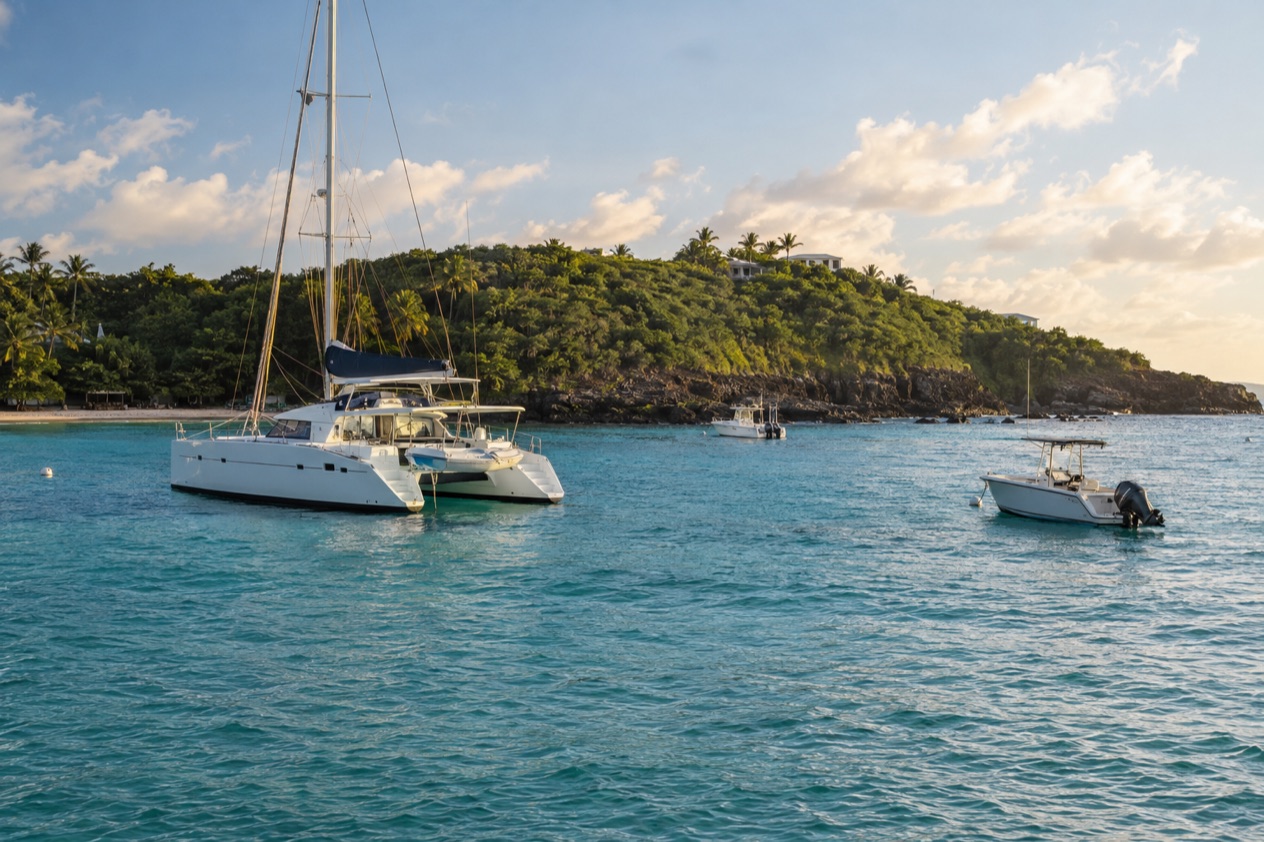
- Spend a day on a catamaran or sailboat among the uninhabited cays and reefs.
- Catch the public ferry from nearby Ceiba to Culebra for Flamenco Beach and its rusted tanks.
- Eat fried snacks and cold coconut at the Luquillo kiosks on the way back toward San Juan.
- At Puerto del Rey, the Caribbean’s biggest marina, keep an eye on the boats as they arrive and depart.
- Finish a day with seafood at a table in Las Croabas, with the fishing boats a few steps away.
Each of these is developed below, with the practical details that help you fit them together into a few easy days.
Sights and landmarks in Fajardo
Fajardo is not a town of grand monuments. Its landmarks are a headland lighthouse, a giant marina and a fishing village, and they are best enjoyed at a slow pace with plenty of time outdoors. The history here is maritime: pilots, fishermen, sailors and, in the surrounding area, a long military past.
Las Cabezas de San Juan Nature Reserve and its lighthouse
The reserve occupies the rocky northeastern tip of the island, where mangroves, lagoons, dry forest and rocky shore sit side by side. The star is the lighthouse, one of the oldest in Puerto Rico, a Spanish colonial structure that watches over the meeting of the Atlantic and the Caribbean. From its terrace the view runs across the offshore cays and the long blue line toward the Virgin Islands.
The reserve suits walkers, birders and anyone who likes a landscape that feels untamed. It is also the home of Laguna Grande, described in the outdoor section, so many travelers pair a daytime visit with a night paddle.
Puerto del Rey and the waterfront
Puerto del Rey is the largest marina in the Caribbean and a hub for recreational boating. Masts stand in long rows, sportfishing boats and catamarans idle at the slips and the whole scene hums with preparations for the next trip to Culebra, Vieques or the Virgin Islands, both U.S. and British.
Late afternoon is the best time, when crews return and the water turns gold. Look at the boat names painted across the sterns and listen for the mix of English and Spanish on the docks. It is a quick, pleasant stop that tells you how this town earns its living.
Las Croabas and the fishing-village side
North of the center, the road leads to Las Croabas, a small fishing community that gives you a sense of Fajardo before the yachts. Wooden boats rest on the shore, pelicans watch from the rocks and seafood restaurants line the water. The village is also the gateway to the reserve and to Seven Seas Beach, so it works as a natural place to stop between outings.
A few other corners reward a short detour. The old town center around its plaza and church shows the everyday side of Fajardo, with bakeries, pharmacies, barbershops and men playing dominoes. It will not take long, but it balances the marina scene with a bit of ordinary Puerto Rican life.
Beaches and outdoor things to do in Fajardo
Fajardo has 46 beaches, from busy public stretches to coves you reach only by boat, and the best of them sit on the cays offshore. Conditions change from day to day and beach to beach, so look at the water before you go in and follow any flag, sign or lifeguard instruction you find. Sargassum seaweed can reach the east coast in some springs and summers, which is a chance, not a rule.
Seven Seas Beach
Seven Seas is the town’s favorite mainland beach, a curve of sand backed by trees near Las Croabas. People use it for swimming, snorkeling, sailing and scuba diving, and on weekends local families fill the shade with coolers, music and folding chairs. It has a relaxed, neighborhood feel that makes it a good first beach before a bigger boat day.
Go on a weekday morning if you want space, and bring a mask if you like to float over the rocks at the edges. Wind and swell vary, so watch how the water behaves before you swim. When you get hungry, the fried-fish stands and seaside restaurants in Las Croabas are close.
Icacos and the cays
Icacos is the largest uninhabited cay in a chain of cays, reefs and skerries off Fajardo, and it is the classic day trip for a white-sand beach and snorkeling. A water taxi covers the crossing in about fifteen minutes, and on arrival you find soft sand, clear shallows and a few places to sit in the shade. It belongs to the La Cordillera Reef Nature Reserve, so it is a place to leave as you found it.
Other cays in the same chain include Palomino, Palominito and Diablo. Mornings tend to be quieter, and the water is often clearer before the afternoon breeze picks up. Bring sunscreen, a hat and plenty of water, because shade is limited and the sun is strong.
Laguna Grande by kayak
Laguna Grande, inside the Las Cabezas reserve, is one of the few bioluminescent bays in the world and offers night kayaking tours all year. You paddle with a guide through a channel lined with mangroves, then out into the lagoon, where the tiny organisms in the water can flash blue-green with every dip of the paddle.
On nights that are dark and without a moon, the glow shows up best, and because it shifts with the moon, the weather and the night, it is a chance rather than a promise. Even on a bright night, the quiet paddle through the mangroves under the stars is memorable. Laguna Grande is usually visited at night by kayak with a guide.
Other ways to get on the water
Sailing is the town’s other great pastime. Fajardo is a hub for recreational boating and a popular launching port to the islands offshore. Scuba divers also use the reefs offshore. Fajardo is a hub for recreational boating, so the choices are many and the harbors are full of operators.
Day trips from Fajardo
Fajardo is the starting point for some of the best outings in the northeast, from a famous island to a coast road lined with food stands. Most are easy to link to a night in town, and each feels different from the others.
Culebra
Culebra lies about 17 miles east of the main island and is reached by public ferry from Ceiba, a short drive south of Fajardo, or by a short flight. It has one town, Dewey, a quiet harbor and no large resorts. Travelers explore by way of bicycles and golf carts they rent, and right when you leave the boat, life feels unhurried.
Flamenco Beach is the headline: a wide horseshoe of pale sand and clear shallow water inside the Culebra National Wildlife Refuge, known for the rusted military tanks left on the sand. On the west side, Tamarindo Beach draws snorkelers, who commonly spot green sea turtles grazing above the seagrass. The refuge also shelters mangroves, dry forest and a huge colony of sooty terns, with more than 30,000 pairs nesting on the Flamenco Peninsula.
Plan on a full day at least, and many travelers prefer to stay overnight so they are not racing the last boat. It suits snorkelers, beach lovers and anyone who likes small islands with few crowds.
| Site | Open |
|---|---|
| Culebra National Wildlife Refuge, public areas and hiking trails | Every day, 6:00 AM to 6:00 PM |
Vieques
Vieques is the other island reached by ferry from Ceiba, and it is larger and more spread out than Culebra. Its appeal lies in long quiet beaches, former military land that is now mostly open country, and wild horses that wander the roads and shoreline. Mosquito Bay, on its south coast, is another bioluminescent bay and glows on dark nights.
Because the island is big, a day gives you only a taste, and many people choose one or two beaches and a meal in town rather than trying to see everything. It suits travelers who want empty sand and a slow, unhurried island rhythm.
Luquillo and El Yunque
Heading back toward San Juan, Luquillo is the natural stop. Its beach and its row of food kiosks sit along the coast road, close to the turnoff for El Yunque, the rainforest in the mountains. You can combine a morning in the forest with a long, relaxed lunch by the sea.
The beach is a wide, palm-shaded stretch popular with local families, and the kiosks fry snacks all day. Check the water conditions before swimming, as with any Atlantic-facing beach, and arrive hungry.
Ceiba and its surroundings
Ceiba lies just south of Fajardo, on the northeast coast, and most visitors know it only as the ferry port. It is worth a longer look. It was once home to the Roosevelt Roads Naval Station, which closed in 2004, and today it offers beaches such as Los Machos, the mangroves at Medio Mundo and Daguao, and natural spots like Charco Frío and Las Tinajas.
The cellist Pablo Casals built his home in Ceiba at the age of 80, a place known as El Pesebre. Each June, the town honors its patron saint with the Fiestas Patronales de San Antonio de Padua, featuring parades, games, artisans, regional food and live entertainment. If you are catching a ferry, arrive with time to spare and spend it exploring.
What to eat in Fajardo
Eating in Fajardo means seafood, fried snacks and the classics of Puerto Rican comfort food, often eaten within sight of the water. The coast is a place for casual meals: plastic chairs, ocean breeze and a cold drink in hand.
Seafood by the water
In Las Croabas and around the marinas, restaurants serve the catch of the day, often whole and fried until crisp, with tostones (twice-fried green plantain) and rice and beans. You will also find mofongo, the island’s famous mash of fried plantain and garlic, often topped with shrimp, octopus or conch in a savory sauce.
Look for ceviche, grilled lobster when available and fish soups. A table with a view of the boats is the usual goal, and lunch often stretches into the afternoon. Order a cold beer or a fresh juice and let the meal take its time.
The Luquillo kiosks
The row of kiosks at Luquillo is a food tour in miniature. Here you can try alcapurrias (fritters of green banana and root vegetable filled with meat), bacalaítos (crisp salt-cod fritters), empanadillas and pinchos, which are grilled skewers. Every kiosk has its own specialty, so walk the row before choosing.
Finish with a piragua, shaved ice drenched in fruit syrup, or a cold coconut opened with a machete. It is cheerful, noisy and perfect for a stop between the beach and the road.
Drinks and sweet things
A piña colada or a rum drink with fresh fruit suits a boat day, while locals often reach for a local beer after the beach. In bakeries and cafés, strong coffee comes with quesitos, pastries filled with sweet cream cheese, and with tembleque, a coconut pudding that trembles on the spoon.
For a hearty breakfast, look for a panadería serving egg sandwiches on pan de agua and a café con leche. These small shops make an easy start before a long day outside.
Things to do in Fajardo at night
Evenings in Fajardo are mostly about the water and the table, and the most memorable night out is a paddle through Laguna Grande. This is not a big nightlife town, and the evening scene is relaxed, friendly and often centered on a seafood dinner.
Under the stars on the lagoon
A night kayak in Laguna Grande is the signature evening. You glide through mangrove channels in the dark, hear only the splash of paddles and watch the water for a glow that may appear. The darker the night, the better your chances, and moonless nights are the favorites of guides and regulars.
Many travelers combine it with an early dinner in Las Croabas, then head to the lagoon as the light fades. Bring a change of dry clothes for the ride back and expect a late return to your room.
Dinner and drinks by the harbor
Around the marinas and in Las Croabas, restaurants with outdoor tables stay open into the evening, with the lights of boats reflecting on the water. Music from a speaker or a small live band is common on weekends, and the mood is easygoing, with families and boaters sharing the tables.
If you want a livelier scene, local bars and small clubs in town play salsa, reggaeton and merengue, especially on Friday and Saturday nights. For something quieter, take a walk along the waterfront after dinner and watch the masts sway.
Quiet evenings
After a full day on the water, many people simply rest. A cold drink on a balcony, a slow walk on the shore and an early night suit the rhythm of boat trips that start in the morning. The sky away from the main streets is often wonderfully clear, and stargazing from the shore can be a pleasure in itself. If you are heading out to Culebra or Vieques early, an evening in Ceiba, closer to the ferry, can save you a rushed morning.
Things to do in Fajardo with kids
Fajardo is a very good place for children who like boats, sand and animals, because so much of the fun is outdoors and on the water. The main things to keep in mind are the sun, the heat and the sea, which asks for attention even when it looks gentle.
Boats, cays and snorkeling
A catamaran or water taxi ride to Icacos is an adventure in itself for children, with spray, sea breezes and the thrill of landing on a small island. Once there, shallow clear water and soft sand make for happy hours, and older kids who like masks and fins can look for fish near the rocks.
Bring hats, sunscreen, rash guards and lots of water, as shade is scarce on the cays. Watch the water conditions and follow any flag, sign or lifeguard instruction where present, as the sea changes from day to day.
Animals and nature
On Culebra, children may spot sea turtles feeding over the seagrass at Tamarindo Beach, while a huge colony of sooty terns nests on the Flamenco Peninsula. The tanks on Flamenco Beach are a favorite photo stop and a curious sight for kids who love big machines.
At Las Cabezas, older children can see mangroves and one of Puerto Rico’s oldest lighthouses. Younger ones may do better with a short visit and a snack on the way out.
Family-friendly beach days
Seven Seas and Luquillo are the easy family choices, with space to spread out, trees for shade and food close at hand. The Luquillo kiosks make lunch simple, with fritters and shaved ice that most children love.
Night outings, such as the lagoon kayak, mean a late bedtime, so think about the energy of younger travelers. A long day in the sun and sea tires everyone, so leave slack in the schedule, and keep water and snacks within reach.
Good to know before you go
U.S. citizens need no passport and no visa to visit Puerto Rico, and the currency is the U.S. dollar. Boats use Fajardo as their base, but the public ferries to Culebra and Vieques depart from Ceiba, a short drive south, so remember that when you plan island days.
The Atlantic hurricane season runs from June 1 to November 30, so follow the National Hurricane Center and local official alerts if you travel in those months, and sargassum seaweed can reach east-facing beaches in some springs and summers. Diego Jiménez Torres Airport near Fajardo no longer handles commercial flights, so most visitors arrive via San Juan or fly to Ceiba’s small airport.
Sources
- Wikipedia, Fajardo (https://en.wikipedia.org/wiki/Fajardo,_Puerto_Rico), checked October 8, 2026
- Wikipedia, Cayo Icacos (https://en.wikipedia.org/wiki/Cayo_Icacos), checked October 8, 2026
- Wikipedia, Ceiba (https://en.wikipedia.org/wiki/Ceiba,_Puerto_Rico), checked October 8, 2026
- U.S. Fish and Wildlife Service, Culebra National Wildlife Refuge (https://www.fws.gov/refuge/culebra), checked October 8, 2026
- NOAA National Hurricane Center, Climatology (https://www.nhc.noaa.gov/climo/), checked October 8, 2026