
Walk across the wooden corridors of Nijo Castle in Kyoto and the floorboards answer with a bird-like chirp under every step. A short train ride away, the Dotonbori canal in Osaka is lined with signs, steam from street-food stalls and people eating as they walk. Both cities sit in the Kansai region, and the choice between them comes down to whether you want old capital ceremony or a loud, hungry, easygoing city.
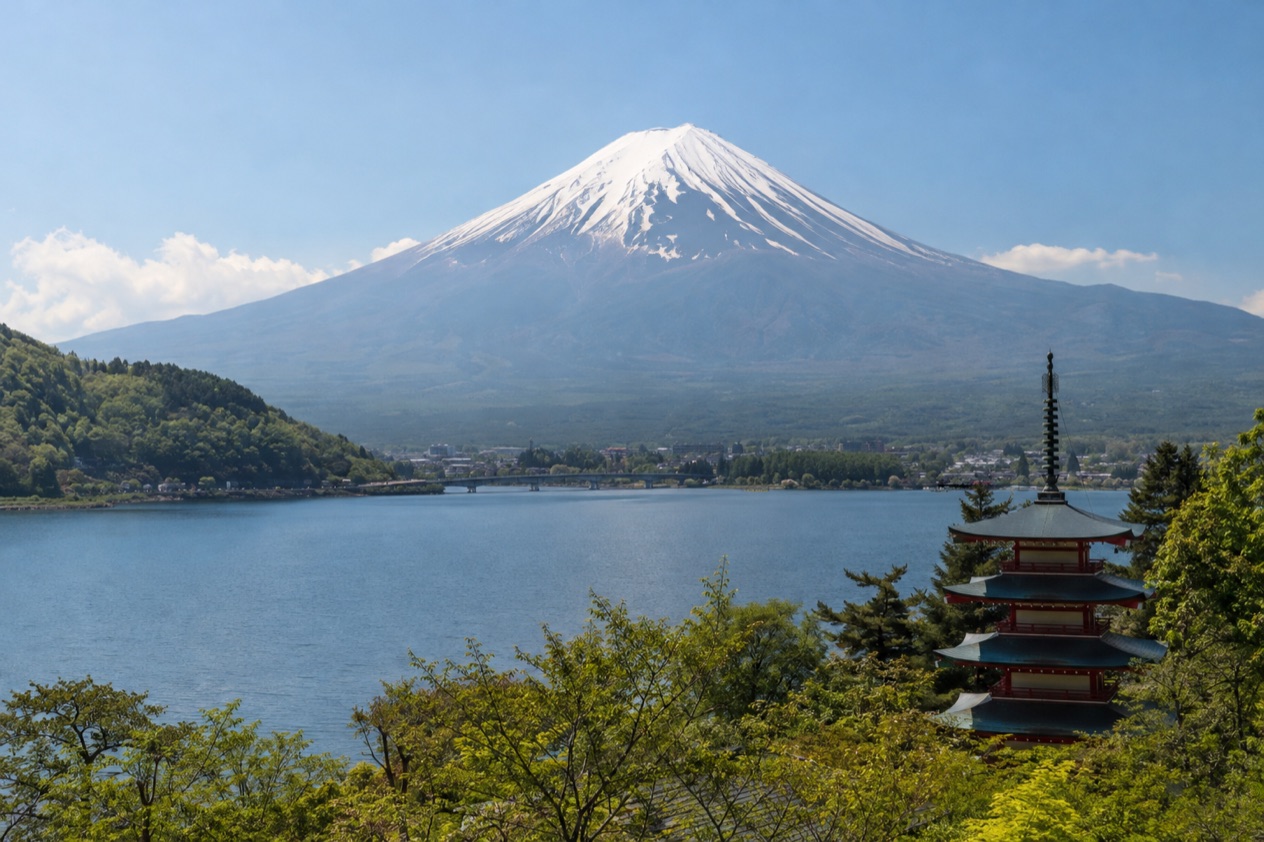
Which is better, Kyoto or Osaka?
Kyoto is better for travelers who come for temples, gardens, tea and the feeling of an old imperial capital, and Osaka is better for those who come to eat, go out at night and ride roller coasters. Neither city is the lesser choice. They answer different questions, and the table sets out the contrast in a glance.
| Category | Kyoto | Osaka |
|---|---|---|
| Sights | Shrines, temples, Nijo Castle and the old imperial palace | Osaka Castle, Abeno Harukas, Tsutenkaku Tower, Kaiyukan Aquarium |
| Vibe | Traditional, with machiya townhouses and hanamachi districts | Charming and relaxed, known for entertainment and nightlife |
| Things to do | Kimono rental, samurai sword class, sake in Fushimi, tea in Uji | Universal Studios Japan, Ferris wheels, shopping arcades, canal-side evenings |
| Food | A full floor of ramen restaurants at Kyoto Station, sake and Japanese tea | Known for its food, from Dotonbori to gourmet Minami |
| Getting there | Tokaido Shinkansen to Kyoto Station | Tokaido-Sanyo Shinkansen to Shin-Osaka, or Kansai International Airport (KIX) |
| Best for | History, gardens, slow walking, crafts | Eating, nightlife, theme parks, a base for the whole Kansai region |
Many trips use both, since each city makes the other easy to reach. If you only have room for one, pick by the kind of day you picture: a morning among shrine gates and an afternoon with tea, or an afternoon of grazing through food streets and an evening beside lit canals.
Kyoto asks you to look closely. Its pleasures are the carved details of a temple hall, the pattern of a garden, the sound of a floor built to warn of intruders. Osaka asks you to be hungry and curious. Its pleasures come from a plate, a counter, a crowd and a neon reflection in the water.
Sights and food
Kyoto served as Japan’s capital and the emperor’s residence for over a thousand years, and the city still reads like a book of that history. Fushimi Inari Taisha stands at the base of Mount Inari and was established in 711 AD. Kiyomizu-dera was founded more than 1,250 years ago and belongs to the Historic Monuments of Ancient Kyoto, the same World Heritage listing that includes Rokuon-ji, the temple better known as Kinkaku-ji.
Nijo Castle in central Kyoto was built by Tokugawa Ieyasu, the first shogun of the Edo period, and its nightingale floors were designed as a security system. A landscaped garden surrounds it, with ornamental plum trees and many maples that turn exceptional colors in autumn. Kyoto Gosho, the palace left empty since Kyoto lost its capital status to Tokyo, adds the imperial side of the story.
Kyoto’s table leans toward what its surroundings grow and brew. Fushimi, in the south, is one of Japan’s three main sake brewing areas, and Uji is the place for Japanese tea. In the city itself, the Kyoto Station building houses a full floor of ramen restaurants, so a bowl of noodles can be the first or last meal of a visit.
Osaka’s sights are livelier and more recent in feel. Osaka Castle was first built by Toyotomi Hideyoshi, set on fire in 1615, and the building you see today is a reconstruction of the castle built by the Tokugawa shogunate. In the Tennoji and Abeno area, Abeno Harukas, Japan’s tallest skyscraper, shares the district with Tsutenkaku Tower, Osaka’s symbol, plus a zoo, temples and shrines.
Food is Osaka’s calling card. The city is known for its food, entertainment and nightlife, and Dotonbori, beside a canal that is four centuries old, is where that reputation takes shape in street snacks, restaurant signs and crowds on the bridges. The Minami area packs gourmet food in beside traditional culture and trendy fashion, while Kita offers department stores and a walk to the retro buildings of Nakanoshima.
For sights, Kyoto wins clearly, because its temples, castle and gardens carry the long story of the country. For food, Osaka takes the prize on reputation and sheer range of eating streets. Kyoto’s sake and tea give it a refined answer, and a good plan lets each city do what it does best.
Things to do
In Kyoto: hands-on traditions
Kyoto’s activities let you try the traditions rather than only look at them. A kimono rental in Kyoto’s Eastern area puts you in traditional dress for the walk through the old streets. A samurai experience at Myokakuji Temple includes a sword fighting lesson taught by a professional actor, and in the central area you can turn your name into kanji and carve it into a Japanese stamp.
A rickshaw tour is offered around Arashiyama, in Eastern and Western Kyoto City, and a guided tour of Fushimi Inari Taisha is among the featured activities. The city’s traditions also include the machiya townhouses, the Gion Matsuri festival and the hanamachi districts where geishas live and work. Visitors are advised to see shrines early in the morning or late in the evening, when they are less crowded and illuminated.
Day trips around Kyoto
Kyoto is split into five main areas, and the outer ones reward a day each. Ohara has ancient temples, gardens and spacious hot springs in a relaxing rural setting. Takao has three mountains known as the Sanbi, with temples and lush greenery, and Keihoku offers farm stays for a closer look at agriculture.
In the north, the sandbar of Amanohashidate and the boat houses of the Ine fishing village sit near the Sea of Japan. In the south, you can taste sake in Fushimi and drink tea in Uji. Each of these changes the mood from city to countryside, which is a good use of a third or fourth day.
In Osaka: parks, canals and nights out
The Bay Area is a beachfront entertainment hub with theme parks, aquariums, Ferris wheels and sports facilities. Universal Studios Japan opened in 2001 and includes the Wizarding World of Harry Potter. The Kaiyukan Aquarium is one of the largest in the world, with whale sharks and penguins in multi-story tanks, and the Tempozan Market Place beside it has a large Ferris wheel and many restaurants.
After dark, Dotonbori and Shinsaibashi take over. The Shinsaibashi shopping arcade runs nearly two kilometers from Shinsaibashi Station to Dotonbori, so shopping and supper are one continuous stroll. Osaka Castle Park, reached from Morinomiya Station, gives a green break between the castle keep and the lights of the downtown.
Osaka is also an excellent base for exploring the Kansai region. Kyoto, Nara, Kobe and Wakayama are each within an hour by train from central Osaka stations, so a hotel here can serve several day trips.
Weather and the best time to go
Kyoto has four distinct seasons, and the two ends of the year feel very different. January is cold, with snow or sleet on many days and a thin cover of snow in total. July is hot, humid and wet, with rain on more days and heavier downpours than in winter.
| Month in Kyoto | Average high (°F) | Average low (°F) | Precipitation (in) | Days with at least 0.04 in | Sunshine (hours) |
|---|---|---|---|---|---|
| January | 48.4 | 34.7 | 2.10 | 6.4 | 124 |
| July | 89.6 | 74.5 | 8.80 | 11.6 | 143 |
In January, a warm coat, gloves and a hat are what temple visits call for, because you spend time outdoors on stone paths and in open halls. Snow is light, around two inches over the month, but it can dust the garden scenery. Sleet or snow turns up on well over half the days.
July brings evenings that stay warm, humidity close to seventy percent and rain that falls in heavy bursts rather than a steady gray. It suits travelers who plan indoor stops, such as museums, department stores and the Kyoto Station complex, for the hottest or wettest hours. Sunshine is still plentiful, so a day often mixes both.
Autumn, when the maples around Nijo Castle take on exceptional colors, is the season Kyoto’s gardens are known for, and the plum trees there flower in their own turn. Osaka does not have its own weather figures here, so the safest comparison is by what each city offers. Kyoto’s outdoor temple and garden program depends more on the season, while Osaka’s aquarium, arcades, food streets and theme park work indoors and out.
Getting there and getting around
Traveling from Tokyo Station to Kyoto by the most direct shinkansen takes about 2 hours and 20 minutes. To reach Osaka, you take the Tokaido-Sanyo shinkansen to Shin-Osaka Station, and the journey runs about two and a half hours.
Kyoto Station is served by the Tokaido Shinkansen and connects to major cities across Japan. The station building houses a full floor of ramen restaurants, an Isetan department store, a theater and a Granvia hotel. Kyoto Tower stands a few steps from the main entrance, over 130 meters tall and visible across the city, which makes it a handy marker when you leave the building.
In Osaka, the JR local line runs from Shin-Osaka to Osaka Station, in the Kita area. Kansai International Airport (KIX) connects to Tennoji or Namba stations by the Nankai or JR lines. Those two stations are in the south, close to the Minami and Tennoji areas.
Once in Osaka, the Midosuji Line runs from Osaka or Umeda Station to Shinsaibashi Station, and staying on it to Namba Station also gets you to Dotonbori. The JR Osaka Loop Line goes to Morinomiya Station beside Osaka Castle Park. For the Bay Area, the JR Loop Line and the Chuo subway line both serve Osaka Bay from Osaka or Umeda stations.
Kyoto’s city center follows a grid pattern modeled on Chang’an, the capital of China’s Tang dynasty, which helps when you read a map. The city divides into five main areas, Central, Eastern, Northern, Southern and Western Kyoto, and it helps to group your sights by area. Moving between the cities is simple on paper, since Kyoto is within an hour by train from central Osaka stations.
Who should choose which
Choose Kyoto if you picture yourself in a kimono among old streets, standing in a garden at maple time, tasting sake in Fushimi or whisking tea in Uji. It also suits anyone who likes to learn a craft or a skill, such as carving a stamp or trying sword movements with an actor. If the story of a thousand years of imperial capital is why you came to Japan, Kyoto delivers it most directly.
Choose Osaka if your day is built around meals, canal-side lights and a late evening, or if a theme park and an aquarium are on the wish list. It also suits travelers who want one hotel for several Kansai day trips, with Kyoto, Nara, Kobe and Wakayama each within an hour. Osaka rewards those who like to decide what to eat as they walk.
If you can have both, plan for at least a few nights in each and use the trains. A typical rhythm is temples and gardens in Kyoto, then the food streets and the bay in Osaka, with the day-trip towns filling the gaps. Whichever you open with, the other is a short train ride away to balance the trip.
Good to know before you go
Both cities are best taken at a walking pace, with comfortable shoes, since temples and castles mean a lot of stone paths and steps. Shoes come off at the entrance of many traditional buildings, and temples and shrines are places where people lower their voices. In Kyoto, plan for heat and heavy rain in the summer months and for real cold in winter, and carry a layer for either.
Sources
- Japan National Tourism Organization, Kyoto (https://www.japan.travel/en/destinations/kansai/kyoto/), checked October 11, 2026
- Kyoto City Official Travel Guide, activities (https://kyoto.travel/en/activities), checked October 11, 2026
- Kyoto City Official Travel Guide, areas (https://kyoto.travel/en/areas), checked October 11, 2026
- Japan Meteorological Agency (JMA), Normal values 1991-2020, monthly (https://www.data.jma.go.jp/stats/etrn/view/nml_sfc_ym.php?prec_no=61&block_no=47759), station Kyoto, elevation 41 m, checked October 11, 2026
- Fushimi Inari Taisha, official site (https://inari.jp/en/), checked October 11, 2026
- Wikipedia, Fushimi Inari-taisha (https://en.wikipedia.org/wiki/Fushimi_Inari-taisha), checked October 11, 2026
- Wikipedia, Kinkaku-ji (https://en.wikipedia.org/wiki/Kinkaku-ji), checked October 11, 2026
- Kiyomizu-dera Temple, official site (https://www.kiyomizudera.or.jp/en/), checked October 11, 2026
- Wikipedia, Kiyomizu-dera (https://en.wikipedia.org/wiki/Kiyomizu-dera), checked October 11, 2026
- Japan National Tourism Organization, Osaka (https://www.japan.travel/en/destinations/kansai/osaka/), checked October 11, 2026
- Osaka official tourism guide, basic guide (https://www.osaka-info.jp/en/osaka/basic/), checked October 11, 2026
- Wikipedia, Osaka Castle (https://en.wikipedia.org/wiki/Osaka_Castle), checked October 11, 2026
- Wikipedia, Dōtonbori (https://en.wikipedia.org/wiki/D%C5%8Dtonbori), checked October 11, 2026
- Wikipedia, Universal Studios Japan (https://en.wikipedia.org/wiki/Universal_Studios_Japan), checked October 11, 2026
To plan your stay
- Best Time to Visit Kyoto: Cherry Blossoms, Autumn Leaves, Weather by Month and Festivals
- Things to Do in Kyoto: Temples, Gardens, Food and Day Trips
- Where to Stay in Kyoto: Kyoto Station, Central and Eastern Districts, and Ryokan Stays
- Kyoto from Tokyo: Shinkansen Trains, Nozomi vs. Hikari and Kodama, and a First Day in Kyoto