
On a December morning in Hana, the roosters start before the light does, and the first thing you notice is the smell of wet earth, ginger and plumeria drifting off the hillside. Showers sweep in from the sea, pass, and leave the pastures steaming under a low sun.
Hana is the quiet end of the long road along Maui’s east coast, and December gives it fuller waterfalls, greener slopes and a slow, small-town holiday mood. December is a fine time for anyone weighing a winter stay in the rainforest side of Maui.
What is the weather like in Hana in December?
Hana in December stays warm, green, and rainy, so a T-shirt feels right for afternoons while evenings call for something light to put on.
| Month | Average high (°F) | Average low (°F) | Rain (inches) | Sea (°F) |
|---|---|---|---|---|
| November | 80.2 | 69.8 | 6.65 | 79.5 |
| December | 78.8 | 68.0 | 6.59 | 78.4 |
| January | 77.8 | 64.8 | 5.64 | 77.5 |
On Maui’s windward side lies Hana, where moisture driven by the trade winds meets the mountain and falls upon the coast and the slopes above. Rain here is not an event, it is a rhythm.
Expect passing showers at any hour, often brief and warm, followed by sun that dries the road in minutes. Some days settle into a longer gray drizzle, and heavy downpours can swell the streams and make the falls roar. South Maui, over the mountain, is far drier, which is why Hana feels like a different island.
The day’s clearest hours tend to come early, when gentle light gives the ocean a rich blue-green hue. Afternoons bring more cloud over the hills, and the sun sets early in winter, so evenings arrive cool and damp without ever being cold. Nights are mild enough to sit on a lanai with a drink.
Dress in quick-drying layers rather than anything heavy. A light rain jacket earns its place in the car every day, and sandals that can get wet and muddy are more useful than good shoes. The sea stays pleasantly warm, a touch cooler than in the fall.
Can you swim in Hana in December?
The ocean is warm enough for an hour of snorkeling or a long swim, yes, but winter waves determine your entry point.
Hana faces the open Pacific on its windward side, and winter swells from the north can reach its shores, so the surf is often livelier than in summer. Hana Bay, tucked into a curve of the coast, usually offers a gentler spot where local kids paddle and fish from the pier. Koki Beach and Hamoa Beach, with their pocket-shaped coves, draw bodyboarders and surfers when the swell is up, and a day that looks gentle from the sand can change with the tide.
Any of these beaches can see strong currents and shore break, so check the signs posted at the beach, obey the flags if they are present, and talk to a lifeguard when one is on duty. Clear water and a calm surface make morning the best time for snorkeling, while small children or swimmers who feel nervous might rather keep to the shallows or watch from the sand. Pack a rash guard and reef shoes for entering over rocks, and bear in mind that the reef is a living thing, so don’t let your fins or feet touch it.
What to do in Hana in December
December is the month when Hana looks its most lush. The rain that falls on the slopes keeps the waterfalls full and the road lined with ferns, ginger, wild orchids and tall rainbow eucalyptus. The holiday mood is gentle here.
A few houses string up lights, a church holds a Christmas service, and the small shops sell crafts and banana bread to travelers on a winter vacation. Christmas is a family day for locals, so expect quieter streets and some places closed around it.
Winter also brings humpback whales to Hawaiian waters. From a headland or a road pullout on a clear morning you may spot a spout or a breaching whale offshore, and sightings often grow more likely as the season goes on. Out on the north shores, big winter surf rolls in, and watching it from a safe distance on shore is a pleasure in itself.
The road to Hana and its waterfalls
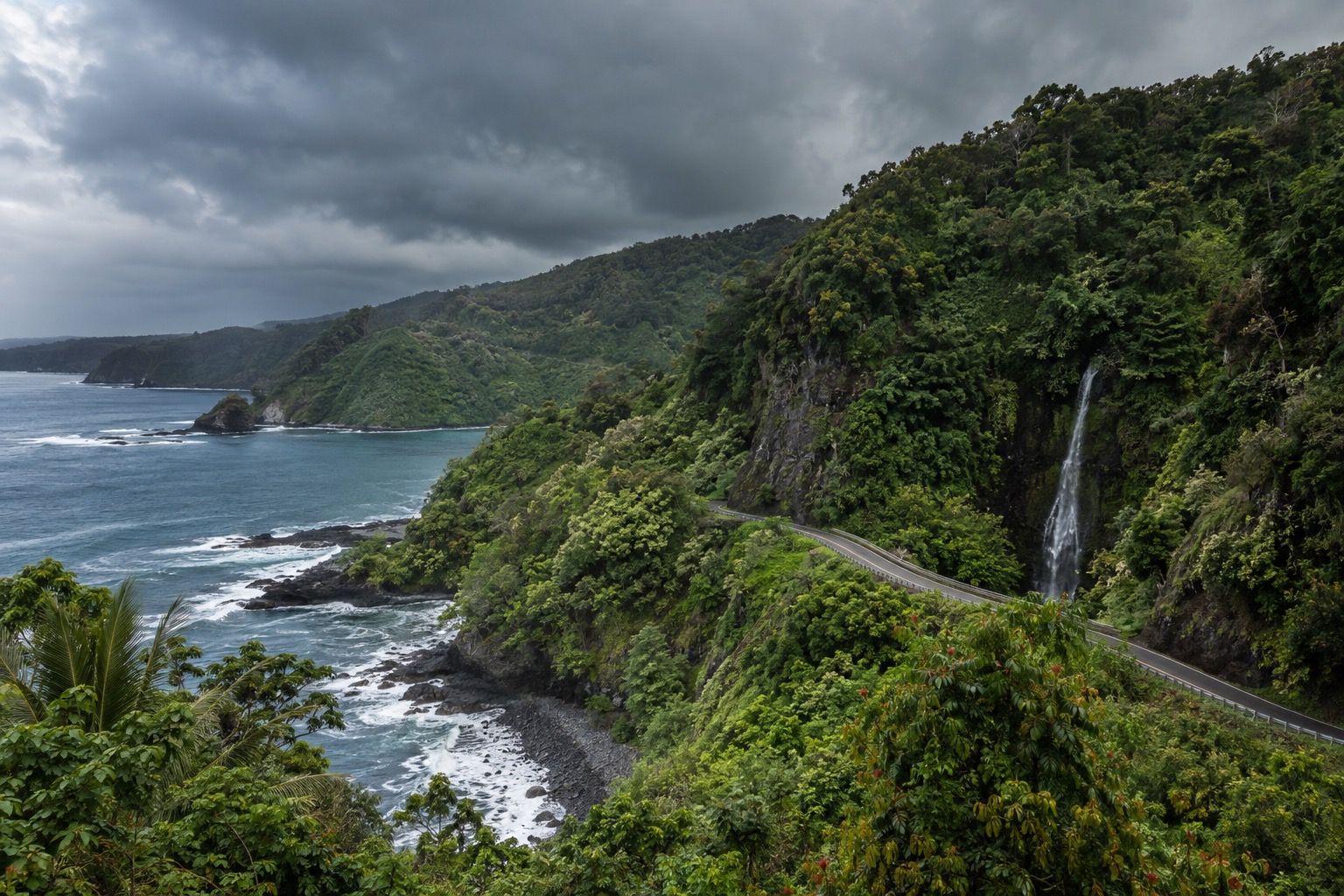
The drive is the first attraction. The Hana Highway winds through rainforest, over one-lane bridges and past stream crossings, with stops for stands selling banana bread, fresh coconut and fruit smoothies. In December the streams run full, so the waterfalls beside the road are most dramatic, and the air smells of wet leaves and flowers.
The road is best taken slowly, with early starts so you are not rushing in fading light. Daylight is short in winter, and showers can make the pavement slick, so give yourself generous time for the return. Pull over fully for locals who need to pass, and let oncoming cars use the narrow bridges in turn.
It suits travelers who enjoy the journey as much as the arrival, and it is a poor choice for anyone who gets carsick on curves. Take snacks, water, a rain jacket and a full tank of gas before you leave the last big town.
Beaches and the shoreline
Waianapanapa State Park is known for its black sand and sea caves, and its dark stones look their best against green foliage and dark clouds. Even when the sea is rough, the walk along the coast is dramatic, with spray rising from the lava rock and birds wheeling overhead. Take the shoreline path with care when the ground is wet, and keep a respectful distance from the cliffs and from the old stone sites along the shore.
Hamoa Beach is a wide, curved crescent of pale sand backed by trees, and on calmer mornings it is a lovely place to lie down with a book. Koki Beach nearby is popular with surfers and bodyboarders. Hana Bay, in town, has a pier, a small beach park and a simple, local feel, and it is the easiest place for a picnic.
Winter swell makes some beaches better for watching than swimming, and a morning on the sand with a thermos of coffee can be time well spent. Check the sea conditions before you get in, and follow any warnings on the beach signs.
Kipahulu and the bamboo forest trail
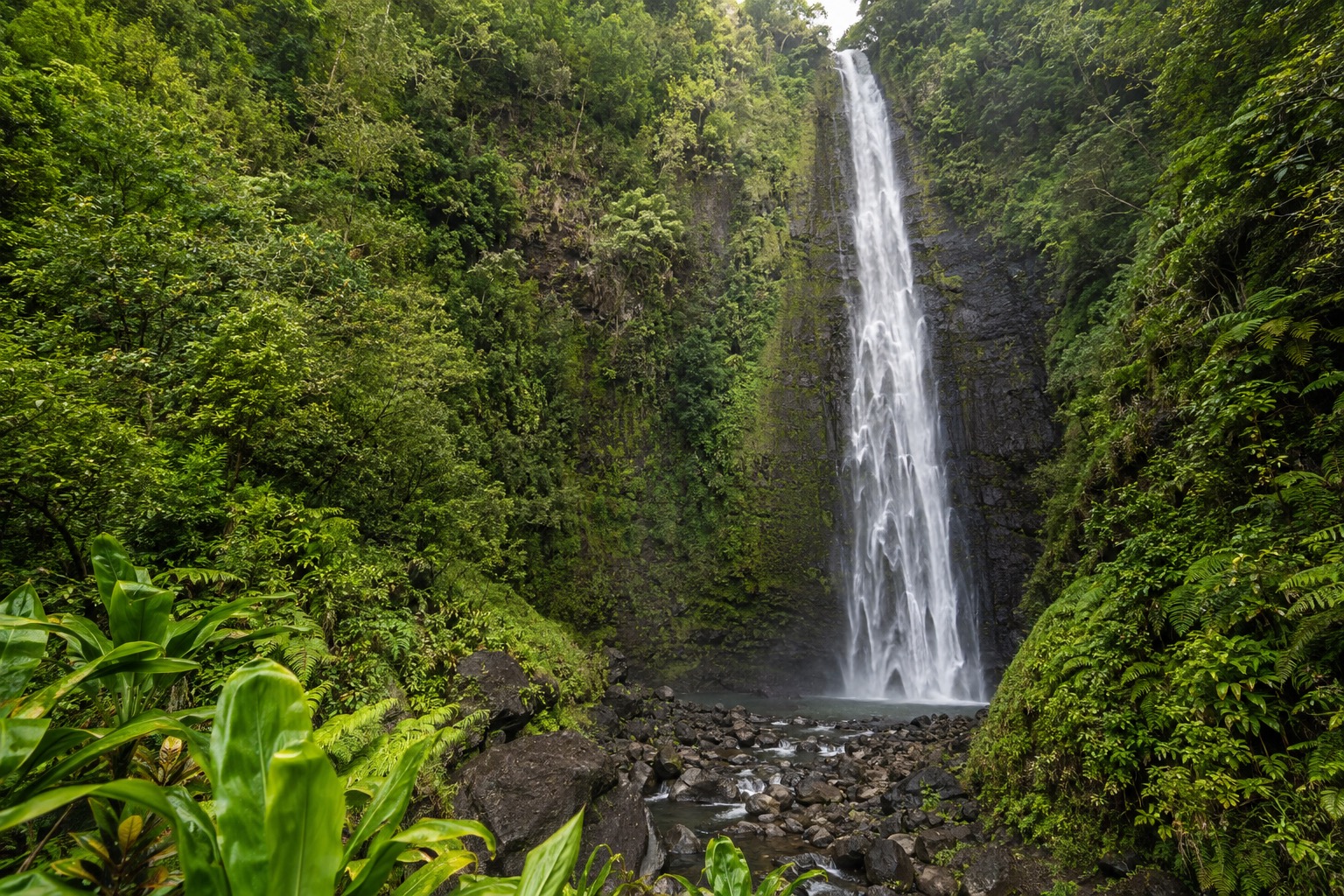
In the Kipahulu section of Haleakala National Park, south of town, a lush path wrapped in fog takes you past bamboo toward a towering waterfall, while the clatter of stalks echoes overhead. The trail crosses streams and can be muddy, and the rainfall of December keeps the falls strong. It is one of the most rewarding walks on Maui for people who like forest and water.
Go early in the day, when the light filters down through the canopy and the path is quieter. Wear shoes with grip and carry a rain layer. If heavy rain has been falling, streams can rise quickly, so pay attention to park signs and rangers, and turn back if the weather looks threatening.
The small coastal pools and cliffs nearby are good for a quiet look around, and the park’s visitor area explains the Native Hawaiian history of the valley. The place is sacred to many, so stay on the trails and leave the stones and plants as they are.
Back in town, spend time at the small shops and roadside stands. Banana bread, fresh fruit, plate lunches, shave ice and a coffee from a local café fit the pace of the day. The Hana Cultural Center gives some background on the area’s past, and the quiet church near the sea, where the aviator Charles Lindbergh is buried, is a peaceful stop.
A two-day itinerary for Hana in December
Day 1 is for the road and the coast. Daylight lasts about 10 hours 55 minutes in mid-December, so leave your base early and treat the morning as the best light.
Stop for banana bread and fruit at the roadside stands, then pick two or three waterfalls and viewpoints rather than trying to see everything. Make Hana your lunch stop, grabbing a bite from a food truck or a plain café, where the moist, windy weather calls for plate lunches and fish sandwiches.
In the afternoon, walk the black sand beach and the shoreline at Waianapanapa while the light is still good. Later, drive back before dark, or stay overnight in town to avoid the winding road in the evening.
Dinner in Hana is simple and early, and the stars on a clear night can be remarkable. If rain sets in, the Hana Cultural Center and the small shops and galleries in town are good places to wait it out.
Day 2 is for the south and the forest. Start early at Kipahulu for the bamboo forest trail, when the mist still hangs between the trees and the stream sounds loudest. Carry water and a rain layer, and allow time at the falls without rushing.
By midday, head to Hamoa or Koki for a beach picnic and a swim if the sea looks gentle, or a long watch of the surf if it does not. Spend the late afternoon at Hana Bay with shave ice, then head toward your next stop with enough light. In a long rain, the church, the small museum and a slow coffee make a fine rainy-day plan.
Is Hana busy in December?
Hana is busiest around the winter holiday weeks, though it never feels crowded the way Waikiki or Lahaina can.
The town is small, with a limited number of rooms, vacation rentals and restaurants, so even modest crowds are noticeable. Travelers from the mainland arrive in the weeks around Christmas and New Year’s, and anywhere with a view or a kitchen fills early. Outside those weeks, early December is quieter, with room to breathe on the road and at the beaches.
Reserve your lodging and vehicle well ahead for the holiday weeks, and somewhat later for the quieter days early in the month. Since Hana has only a handful of restaurants and many close early, you should arrange your midday and evening meals in advance instead of expecting to find a table on short notice. Food trucks and roadside stands help, but they can close early on slow or rainy days.
On the road, the morning is when the line of cars is longest, since everyone is trying to reach the same stops. Start earlier or later than the crowd, and choose a few places to enjoy rather than a long list. Waterfalls and beaches feel more peaceful on a showery day, when many visitors stay away.
What to pack for Hana in December
Pack for warm, wet and breezy days, with a few layers that dry fast and shoes that can handle mud.
- A light rain jacket, because showers come and go all day on the windward side.
- Sandals or water shoes with grip for slippery rocks, stream crossings and rocky beach entries.
- Sturdy walking shoes for the bamboo forest trail, which can be muddy.
- A swimsuit and a rash guard for the beach and the cooler winter breeze.
- Mineral sunscreen, since the sun can still be strong between the clouds.
- Insect repellent for the damp forest, especially near the streams.
- A dry bag or plastic pouch for your phone and keys on rainy days.
Good to know before you go
December falls outside the official hurricane season, which runs from June 1 to November 30, but winter rain and big swells can still change your plans. Heavy showers can make the road slow and the streams rise, so build slack into each day.
Fill your gas tank and buy supplies before you leave the larger towns, since Hana has few services, and expect shorter hours around Christmas and New Year’s Day. Cell service can be patchy along the road, so download your map in advance.
Hana in December vs November and January
Moving earlier to November gives you slightly warmer air and sea, and the same rainy character. The hurricane season ends at the end of the month, and the winter holiday crowds have not yet arrived. The whale season is just beginning, so sightings are less likely than later in the winter. It suits travelers who want warm water and quieter roads.
Moving later to January brings a little less rain, cooler nights and a slightly cooler sea. The holiday rush fades, and the whales are usually more present offshore, but big winter surf can still limit swimming. Rooms are often easier to find once the first week has passed.
Choose November if you want the warmest swim and an easy pace. Stay with December if you want the holiday mood and the greenest scenery. Pick January for whales, a bit more sun and fewer people, as long as you do not mind cooler evenings.
Is December a good time to visit Hana?
Yes, December is a good time for travelers who love green landscapes, waterfalls and a slow pace, and who can accept some rain.
It suits hikers, photographers, road-trippers and anyone who wants to feel the island’s wetter, wilder side. Families with older children can enjoy the beaches and the forest, as long as they respect the sea and the weather. It is a weaker choice for anyone who needs guaranteed sun, calm water every day or a lively resort scene. In that case, the dry leeward side of Maui is a better fit.
On arrival, start with the road and the first waterfalls while the light is good, then settle into the rhythm of the town. Buy your food and fuel early, check the sea at the beach before you swim, and leave time at each stop. December sets Hana apart because water can be heard all around, from forest streams to waves hitting the black rocks, beneath a sky shifting hour by hour.
Sources
- NOAA NCEI, monthly normals 1991-2020, station USC00511125, checked September 8, 2026
- Open-Meteo Marine API, average 2015-2024, checked September 8, 2026
- sunrise-sunset.org, sunrise and sunset calculated for the 15th of the month, checked September 8, 2026
- NOAA NCEI, normals 1991-2020, stations USC00511125 (Hana AP) and USC00515842 (Makena), via PLAN-HAWAII.md §1
- NWS Honolulu / Central Pacific Hurricane Center, « 2026 Central Pacific Hurricane Season Outlook », weather.gov/hfo/hurricaneOutlook2026, checked September 24, 2026