
Somewhere under Umeda, a traveler with a suitcase stops at a junction of signs and arrows and wonders which way the platform lies. The Osaka Metro is the city’s subway and New Tram network, and it carries visitors between the big railway hubs, the neighborhoods and, since early 2025, the island of the Expo. It is a system built around a few large interchange stations, with a good deal of attention paid to accessibility and to courtesy on board.
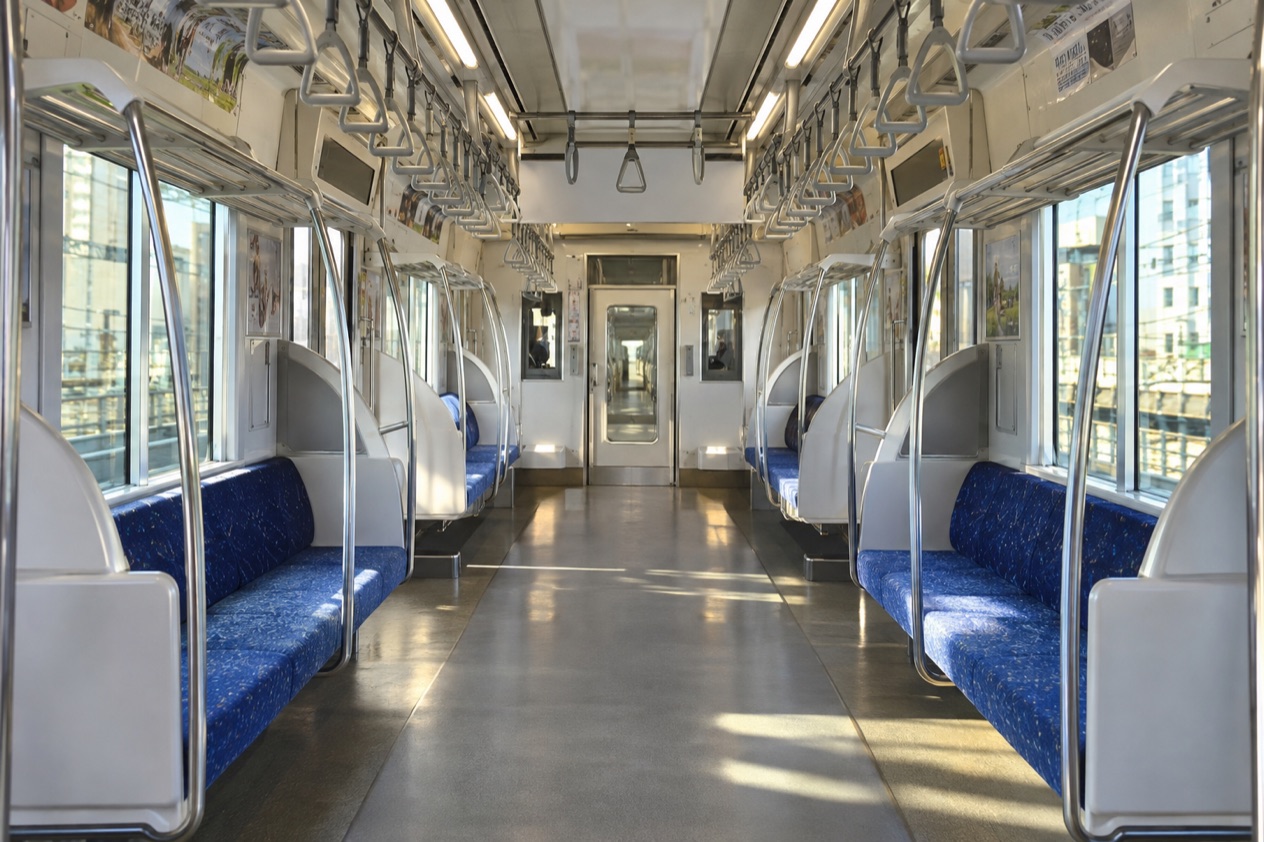
How does the Osaka Metro work?
The Osaka Metro is a municipal network of subway lines and the New Tram, run by one operator that publishes its own rules for passengers, from phone use to pets to women-only cars. It began life in 1933 as the Osaka Municipal Subway, and the name today reflects that long municipal history. For a visitor, the practical point is that one operator sets the habits for the whole network, and it explains them in English.
Stations are laid out for a city that never quite stops moving, with passages that link subway platforms to the railway stations above. Elevators serve all 134 stations, and each one offers at least one continuous wheelchair-accessible route from platform to street level. That detail matters when you are hauling luggage as much as when you are using a wheelchair, because you can plan a route knowing a step-free path exists at every stop.
Accessibility and assistance
Tactile paving, the yellow braille blocks that run along platforms and through passages, is part of the stations, and the operator offers active assistance to passengers with visual impairments. You will see the blocks underfoot as you walk, and it is a habit across the city to keep them clear of bags and bodies.
Each station also has an AED, an automated external defibrillator, installed by the operator for emergencies. It is the kind of detail you never think about until the day it matters, and it says something about how the network treats its stations: as public spaces where thousands of people pass every hour.
Courtesy on board
The operator publishes guidelines on mobile phone use on the subway and the New Tram, and the usual habit in Japanese trains is to keep the phone quiet and the voice low. Women-only cars exist on the subway and New Tram lines, and the operator provides the information on which services carry them.
Expectant mothers can wear a pregnancy badge under a program the operator runs, so that others around them notice. Domestic animals are covered by their own rules for trains and stations, and the operator also publishes excerpts of its Conditions of Carriage, the formal terms of travel on its network.
Connectivity underground
The operator offers mobile phone service and public wireless LAN in its network, so a map or a translation app can stay open while you ride. It is useful in a system where a single interchange can have many exits, and where deciding on the right one early saves a long walk underground.
Which lines matter for visitors?
The lines that matter most are the ones that meet at the three major interchange stations: Umeda, Namba and Tennoji. Those are the places where the subway connects with the wider rail network, giving access to Kansai International Airport, Kyoto and Kobe. If your plans take you out of Osaka for the day, or in from the airport, you will almost certainly pass through one of these three.
Umeda, Namba and Tennoji
These three stations are where a visitor’s trip tends to turn. Each is a large interchange, and each links the subway to services that reach the airport, Kyoto or Kobe. The exact trains belong to other operators, so the subway is the piece that gets you to the right hub and lets you change.
Allow yourself to read the signs slowly in each. Big interchanges in Japan are signed in several languages, with exits numbered and color-coded, and the surrounding districts are worth a stroll once you surface: the department stores and towers around Umeda, the food streets and neon around Namba, and the area around Tennoji with its own railway terminal.
The Hokko Technoport Line and the Expo
In January 2025, Osaka Metro opened the Hokko Technoport Line between Cosmosquare and Yumeshima, built for the 2025 Osaka-Kansai Expo. It runs to Yumeshima, the island that hosted the event, and it extends the network toward the waterfront of the bay.
Cosmosquare is the station where the extension begins, and the New Tram and subway network feed into it. If your itinerary includes the bay area, this is the line that defines that part of the network. Its route is described by its two ends, and the operator’s maps show the stops in between.
The New Tram
Alongside the subway, the operator runs the New Tram, and its rules on phone use and women-only cars apply there too. When you read a network map, the New Tram appears as part of the same system rather than as a separate company, which keeps the whole thing readable even for a first-time rider.
How do you pay?
Payment on the Osaka Metro goes through the operator’s ticket and commuter pass sales counters, and it publishes a list of where they are. That list is the place to start if you want to buy a ticket or a pass in person from staff, and it is the operator’s own reference for where those counters stand across the network.
Ticket and pass counters
The counters sell tickets and commuter passes, which means that the network does not rely only on machines. Having a person behind a window is a comfort when a route looks complicated, or when you want to ask a question in the middle of a long day of changes between lines.
Commuter passes are mainly a tool for people who live and work in the city, and the sales counters handle them alongside ordinary tickets. The operator keeps the list of counters current on its English-language site, so the answer to where to buy sits with the source itself.
The Senior Pass
Osaka Metro has information about the Senior Pass, called the Keiro Pass, a special pass for seniors. It is an example of how the operator tailors fares to particular groups of riders, and the operator’s own pages set out who it is for and how it works.
If you are traveling with older relatives, it is worth knowing that such a pass exists, because the rules sit with the operator and not with a general tourist scheme. The same goes for the Conditions of Carriage, the excerpts of which set out the terms under which any ticket or pass is used.
Good to know before you go
The network is a municipal system with a long history and a habit of explaining itself: women-only cars, pregnancy badges, tactile paving and elevators at every station are all part of how it presents itself to riders. Keep your phone quiet on board, keep the braille blocks clear, and use the operator’s own pages for anything about tickets and passes.
Sources
- Osaka Metro (https://subway.osakametro.co.jp/en/), checked October 11, 2026
To plan your stay
- Best Time to Visit Osaka: Cherry Blossoms, Autumn Color, Weather and Festivals
- Where to Stay in Osaka: Kita, Minami, Tennoji, the Castle Area and the Bay
- Osaka from Tokyo: Shinkansen Services, Shin-Osaka Station and Where to Go on Arrival
- Know Before You Go to Osaka: Entry, Money, Getting Around, Weather and Etiquette