
The first morning in San Jose often starts with the smell of coffee drifting out of the stalls around the Central Market and the clatter of lunch counters setting out their pots. The air at this altitude is mild and spring-like, and the streets fill early with office workers, schoolchildren and vendors. Three days here give you the theater, the gold museum, the market and a volcano or two within easy reach.
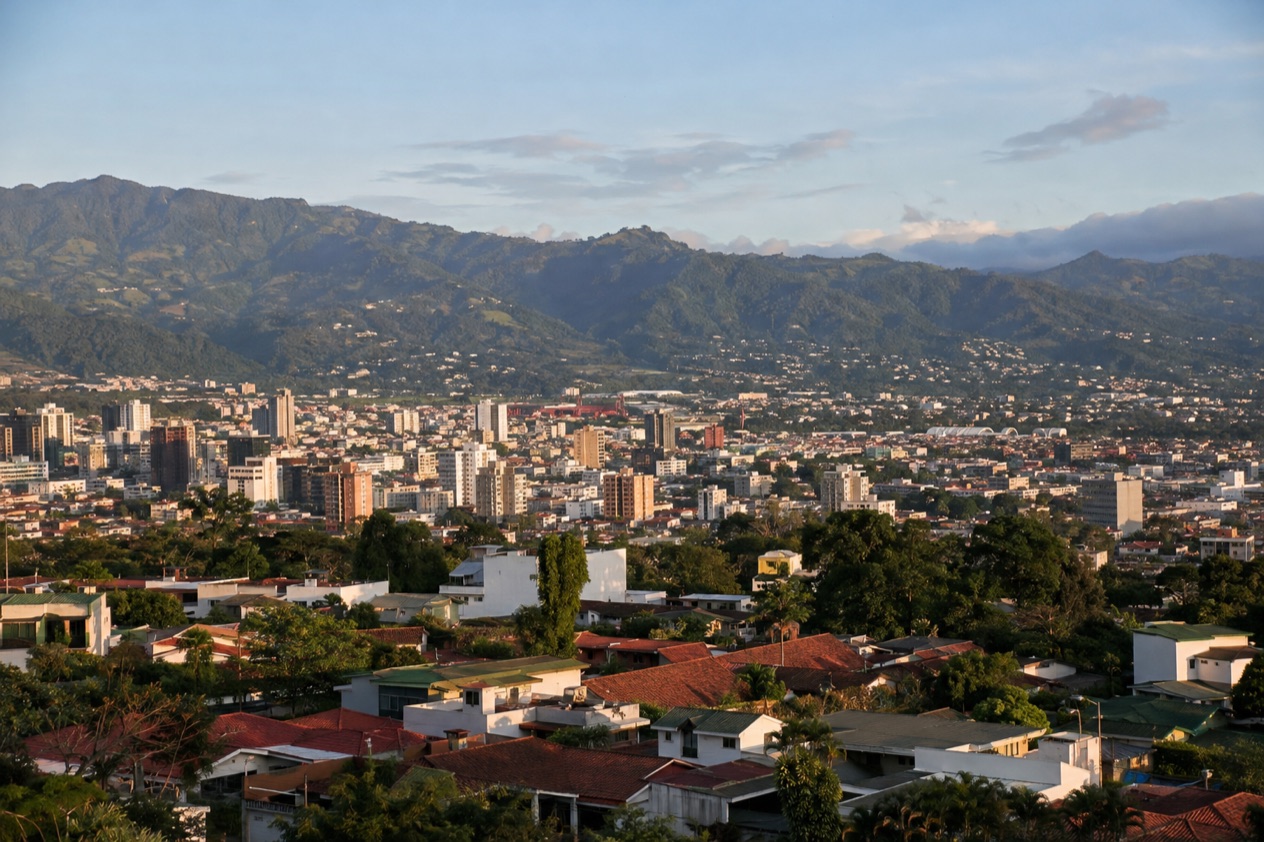
Is three days enough in San Jose?
Three days is enough for a satisfying first look at the capital and day trips to Poas and Irazu, especially if San Jose is a start or an end to a longer Costa Rica trip. It suits travelers who like a city with a bit of history and good food, and who want a volcano in the same stay without changing hotels.
In that time you can walk the center at an easy pace, step into the National Theater and the Pre-Columbian Gold Museum, eat a proper casado at the market, and give one full day to Poas or Irazu. What three days leave out is the rest of the country. The beaches, the cloud forest and the arenal area are each a long drive away, and they deserve their own nights rather than a rushed visit.
With more time, add a coffee farm in the hills, the basilica town of Cartago combined with Irazu, or a move on to La Fortuna or Manuel Antonio. San Jose itself is a city many people pass through in a day or two, so three days is already generous, and it lets you settle in rather than just sleep near the airport.
Day 1 in San Jose
Start at the Central Market, an indoor labyrinth of places to eat, vendors of coffee, gift stands and compact counters for lunch. Make your visit early in the day, when the stalls hum with the most activity and the coffee has just been brewed.
Later in the day, take a brief walk through the center to the Plaza de la Cultura, then head down to the Pre-Columbian Gold Museum located underneath. The displays feature gold creations from the native inhabitants of this land prior to Spanish arrival, tiny creatures and decorative pieces more delicate than one would imagine.
Then head over to the National Theater, which dates to 1897 and ranks among San Jose’s most famous structures. A coffee in its café, under the painted ceilings, is a pleasant way to rest your feet.
| Site | Area | Why this order |
|---|---|---|
| Central Market | Downtown | Busiest and best in the morning |
| Pre-Columbian Gold Museum | Plaza de la Cultura | Cool and quiet after lunch |
| National Theater | Next to the plaza | A coffee stop to close the afternoon |
Everything is close enough to walk in the center, so there is no need for a car today. For the evening, choose a casual restaurant or a soda, the small family eatery serving home-style plates, and head back before it gets late. Keep your phone and wallet out of sight on the busy streets, and take a taxi or ride-hailing car for the trip back to your hotel after dark.
Day 2 in San Jose
The main crater is wide and deep, and at this height the air is noticeably cooler than in town. Pack a rain jacket along with something warm.
Volcano views are a chance, never a promise. Clouds can cover the crater for hours, so check SINAC’s official page for current entry and reservation requirements before you go.
Come back to San Jose in the afternoon, rest for a while, and spend the evening in a different neighborhood from the one you saw on Day 1. A relaxed dinner at a restaurant serving Costa Rican dishes, such as gallo pinto (rice and beans) or a slow-cooked stew, suits the mood after a day at altitude. Alternatively, many travelers pair Poas with a stop at a coffee farm on the way down.
Day 3 in San Jose
For the last day, head east to Irazu and the town of Cartago, both day trips by road from the capital. No active volcano in the country rises higher than Irazu, and clear days bring a green crater lake while cold and wind often sweep the crater area. The town of Cartago, with its basilica, makes an easy stop on the way, and together they fill the morning and early afternoon.
Dress in layers, since the summit is far cooler than the valley. As with Poas, the sky decides how much you see, so start early and keep your expectations flexible. Each crater has a name and a form that reward a glance, and the Sapper formation is said to be the tallest spot where you can take in both coasts, although the clouds have the final say.
Back in town, keep the evening slow. Take a taxi to a restaurant you liked on the first two days or try a new one, and order a coffee and something sweet to end the meal.
If you have time, return to the market area for last souvenirs, such as bags of Costa Rican coffee, which travel well. Pack in the evening so tomorrow’s airport run is calm, since the airport sits in Alajuela and traffic can slow the ride.
Where to stay for three days in San Jose
The best base for this plan is central San Jose, close to the Plaza de la Cultura and the market. Day 1 is entirely on foot from there, and the two volcano days begin with a short ride rather than a long cross-town trip. Staying in the center also means you can step out for an early coffee and be at the market while the stalls are still setting up.
Travelers who prefer quiet might choose one of the residential neighborhoods or the hills outside the center, where the air is cooler and evenings are calmer. The trade-off is that you will rely on taxis or ride-hailing for every outing. If your flight lands late or leaves early, a place near the airport in Alajuela saves the road, which takes about 20 to 30 minutes to the center in normal traffic.
Whatever area you choose, look for a hotel that can arrange a driver for the volcano days and that keeps the front desk staffed at night. Ask about parking only if you plan to rent a car, and ask whether breakfast starts early enough for a pre-dawn departure to Poas.
What to skip if you only have three days in San Jose
Skip the beaches. Getting to Manuel Antonio requires 3 to 3.5 hours in each direction, while Jaco runs 1.5 to 2 hours, and traffic or rain can stretch either trip. A beach day would eat most of a day for a few hours of sand, and the Pacific coast deserves a night or two. Use that time for a slower lunch at the market and an extra hour at the museum.
Skip La Fortuna and Monteverde as add-ons. La Fortuna is about 3 hours away and Monteverde 3.5 to 4.5, with winding roads that make a day trip tiring. Both are better as stops on a longer route, with a night on arrival. Put the saved hours into the volcano days instead, where you can take your time at the viewpoints.
Skip the Caribbean coast too. Puerto Viejo is 4 to 5 hours away, and the rain there follows its own pattern all year. Finally, do not try to stack Poas, Irazu and a coffee farm into one day. Pick one volcano per day, add a farm only if it is on your way, and leave the afternoon open.
Getting around San Jose in three days
On Day 1 you walk. The market, the Plaza de la Cultura, the gold museum and the National Theater sit close together in the center, so comfortable shoes are all you need.
For Poas and Irazu, the simplest options are a driver or an organized tour from the city, or a rental car if you are confident on mountain roads. Both volcanoes are day trips by road from San Jose, though traffic and rain can stretch the journeys. Leave early, since mornings are usually clearer at the summits.
The airport, Juan Santamaria International, is in Alajuela, about 20 to 30 minutes by road from central San Jose in normal traffic, much slower at rush hour. Allow extra time on your departure morning, and have your hotel line up a ride the night before.
Good to know before you go
The U.S. State Department rates Costa Rica Level 2, ‘Exercise increased caution,’ due to crime; it says petty crime is common throughout Costa Rica and that violent crime also affects tourists, including armed robbery, homicide and sexual assault.
In Costa Rica the official currency is the colon, but U.S. dollars are widely accepted in tourist areas, and many hotels, tours and restaurants list their prices in dollars. Change is often handed back in colones.
The Central Valley has a dry season from about December to April and a green, rainy season from about May to November, with rain that usually falls in the afternoon, so plan the volcanoes for the morning. San Jose rests at roughly 3,800 feet, which means nights may turn chilly, making a thin jacket handy.
Sources
- Costa Rica Tourism Board (ICT), Poas Volcano National Park (https://visitcostarica.com/where-to-go/protected-areas/poas-volcano-national-park), checked October 8, 2026
- Costa Rica Tourism Board (ICT), Irazu Volcano National Park (https://visitcostarica.com/where-to-go/protected-areas/irazu-volcano-national-park), checked October 8, 2026
- Open-Meteo / ECMWF ERA5, normals 1991-2020 computed for the grid cell at 9.9281N 84.0907W, checked October 8, 2026
- U.S. Department of State, Costa Rica Travel Advisory, issued April 1, 2026 (https://travel.state.gov/content/travel/en/traveladvisories/traveladvisories/costa-rica-travel-advisory.html), read via the State Department open data API on October 8, 2026
To plan your stay
- Best Time to Visit San Jose: Dry Season, Green Season, Weather by Month and Festivals
- Where to Stay in San Jose: Best Areas, Barrio Escalante, Escazu and Airport Options
- San Jose Airport to City: Taxis, Shuttles, Rental Cars and Drive Times
- San Jose in January: Dry-Season Weather, Theaters and Museums, and Day Trips