
Early in the morning, the smell of roasting coffee drifts out of the Central Market while office workers line up at lunch counters for their first casado of the day. A few hours later, in the leafy streets of Barrio Escalante, the same city turns slow and sociable, with tables spilling out of restaurants under the trees. San Jose is a capital that most travelers pass through, and the neighborhood you sleep in decides whether those first and last nights feel like a stopover or a small trip of their own.
What is the best area to stay in San Jose?
For a first visit, the historic center and the neighboring Barrio Amón and Barrio Escalante are the best choice, because the theater, the museums, the market and the good restaurants are all within a short ride or walk. If you want comfort, quiet and easy road access, the hills of Escazu suit you better. Travelers with an early flight tend to sleep near the airport, and families often prefer a calm residential area with parks and a car at the door.
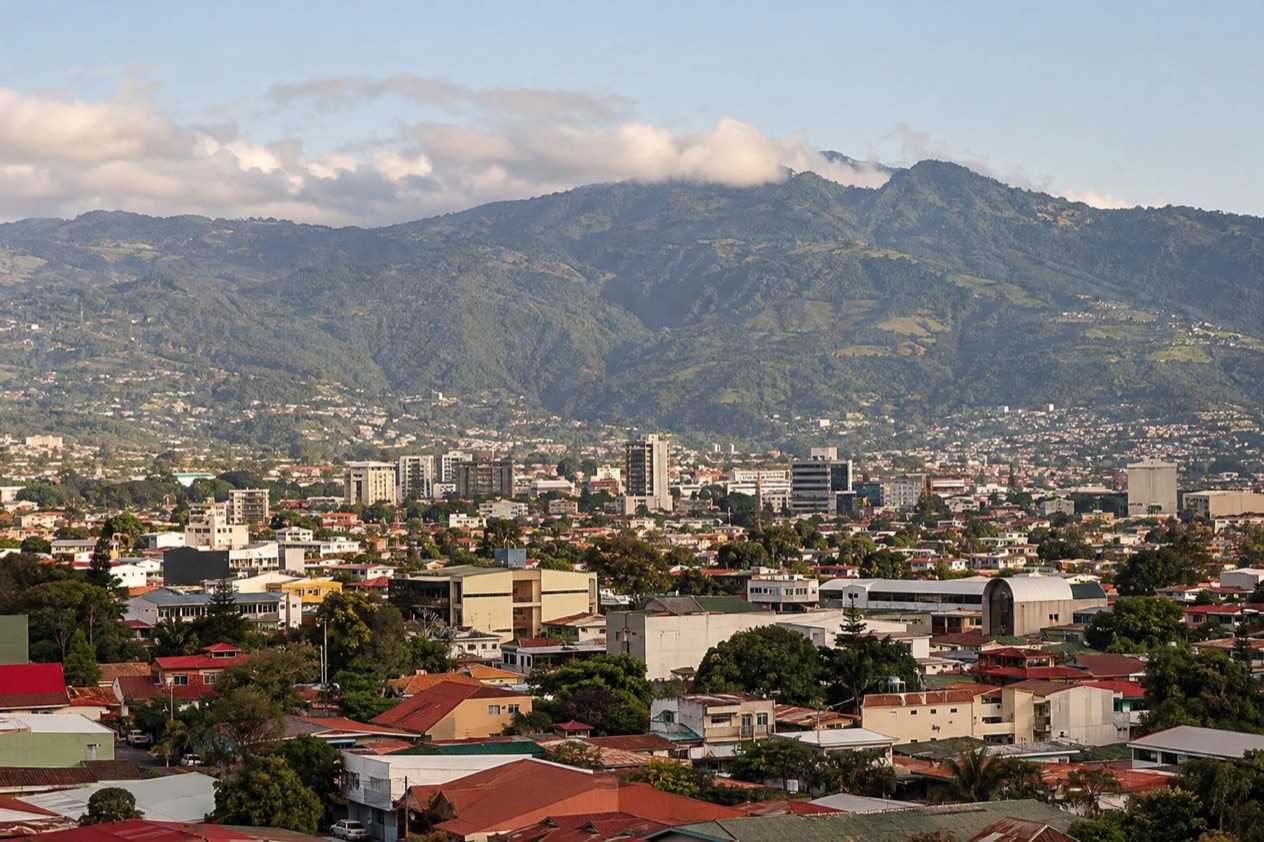
There is no beach in San Jose, so the question is really about what kind of evening you want. The capital sits in the Central Valley at about 3,800 feet, which gives it mild, spring-like air. If you want a beach vacation, you will find it in other parts of the country, and plenty of travelers treat San Jose as their home base for the first and last night, taking day trips in between.
The areas differ in character more than in distance. The center is busy by day, with crowded sidewalks, buses and street vendors, and it quiets down once the shops close.
Barrio Amón and Barrio Escalante are older residential districts that have turned into places for boutique stays and long dinners. Escazu is a hillside suburb of malls, restaurants and big houses, and the airport area is practical, green and a little removed from the city’s energy.
Budget travelers will find guesthouses and hostels clustered in the older neighborhoods close to the center, where cafés and bakeries are a few steps away. Nightlife lovers should look at Escalante and the streets around it, where bars and restaurants keep going later than anywhere else in town. For volcano day trips, any area works, since both Poas and Irazu are reached by road from the capital, and an early start matters more than the exact neighborhood.
Rain deserves a mention when you choose. In the greener months, afternoons often bring heavy showers, and October is one of the wettest times of the year, with rain falling on most days. That favors a base where restaurants, museums and cafés are close enough to reach between downpours, rather than a quiet hilltop where every outing needs a ride.
The best areas to stay in San Jose
The historic center
The center is where the capital shows its everyday face. The National Theater, which opened in 1897, stands as one of San Jose’s best-known landmarks, and just a brief stroll from there, the Pre-Columbian Gold Museum sits under the Plaza de la Cultura. Head to the Central Market, a covered labyrinth of food stalls, coffee sellers, souvenir booths and little lunch counters, for a classic first taste of casados and fresh fruit.
Lodging here is mostly simple, with small hotels, guesthouses, hostels and a few older mid-range hotels in converted buildings. It suits budget travelers, solo visitors and anyone who wants to walk to the sights. Evenings are quieter than the daytime bustle suggests, as many shops and lunch counters close early and the streets empty out.
The National Theater, the Pre-Columbian Gold Museum and the Central Market make the center convenient for daytime sightseeing. Ask for a room away from the main avenues, because buses and traffic start early. A good tip is to eat your big meal at midday, as the locals do, and keep dinner light.
Barrio Amón and Barrio Escalante
These two neighborhoods, just north and east of the center, are where old coffee-era mansions have become boutique hotels, galleries and restaurants. Barrio Amón has the grand houses with tall windows and painted woodwork, while Barrio Escalante is the food street, with chef-led restaurants, craft beer bars, bakeries and coffee shops under shady trees. A stay here feels like living in the city rather than passing through it.
The lodging is smaller and more characterful than in the center: boutique hotels, bed and breakfasts in restored houses, and a growing number of apartments. It suits couples, food-minded travelers and anyone on a first visit who wants atmosphere along with convenience. Families will also like it if they prefer walkable streets over resort-style amenities.
Staying here favors evenings around the neighborhood’s restaurants, bakeries and coffee shops. Rain showers arrive suddenly in the wet months, so carry a light rain jacket for the walk back from dinner. Check with the restaurant if you plan to dine there on a weekend.
Escazu
Escazu climbs the hills west of the capital, and it is the area that feels most like a comfortable suburb. Shopping centers, spas, international restaurants and quiet residential streets define it, with views over the valley from the higher streets. The air is a touch cooler in the evening, and the pace is far calmer than downtown.
Lodging runs to upscale hotels, boutique inns, serviced apartments and bed and breakfasts in private homes. It suits families, business travelers, couples who want a polished stay, and anyone planning a longer visit. It is also a good base for a relaxed first night after a long flight, with easy road access to the highways leading out of the valley.
You will want a car or regular taxis here, since the neighborhoods are spread along winding roads and the center is a drive away. A tip: pick a hotel close to the restaurants you want to visit, because hill roads make evening walks less pleasant.
Rohrmoser and La Sabana
West of the center, La Sabana is the capital’s big city park, with jogging paths, soccer fields and the national art museum in the former airport terminal. Around it, Rohrmoser is a calm residential district of embassies, wide avenues and small hotels. People walk dogs, play sports on weekends and meet in cafés, which gives the area a lived-in feel that few visitors see.
Lodging is mainly mid-range hotels, small inns and apartments, which suit families, business travelers and visitors who want green space without leaving the city. It is a good choice if you plan a longer stay and want a morning walk in a park. Restaurants and shops are within a short ride, though not always on foot.
Taxis and ride-hailing apps are the usual way to move between here and the center. The road to the airport is direct, which is handy before a flight. A tip: look for rooms facing the park or an inner courtyard, since the avenues carry steady traffic through the day.
Near the airport in Alajuela
The towns around the airport, with Alajuela the best known, are a practical base for a late arrival or a dawn departure. Alajuela itself has a pleasant central park with a big fruit-tree-lined plaza, a Saturday market and a relaxed small-city feel. Nearby, quiet country lanes lead to coffee farms and small family-run lodges.
Lodging includes airport hotels with shuttles, small inns, bed and breakfasts in garden settings and a few larger resort-style properties. Travelers with a tight connection, families whose children are worn out and those driving directly to Poas all find it a good fit, and the peak tends to be clearest in the morning. Sleeping on this side shortens the start of that day.
The center is a drive away, so this is not the place for a long city stay. Ask your hotel what airport transfers it can arrange. Ask whether the room is on the side away from the flight path if you are a light sleeper.
San Jose areas compared
| Area | Best for | Feel | Getting around |
|---|---|---|---|
| Historic center | Budget travelers, first-time visitors on foot | Busy by day, quiet at night | Walking by day, taxis at night |
| Barrio Amón and Barrio Escalante | Couples, food lovers, boutique stays | Leafy, creative, sociable | Short walks and short taxi rides |
| Escazu | Families, comfort, longer stays | Suburban, polished, calm | Car or taxi |
| Rohrmoser and La Sabana | Families, business trips, park lovers | Residential and green | Taxi or ride-hailing app |
| Near the airport (Alajuela) | Late arrivals, early flights, Poas day trip | Small-town, practical | Hotel shuttle or rental car |
The main trade-off is between being close to things and being comfortable. The center and the old barrios put you within reach of the theater, the museums, the market and the restaurants, but rooms can be small and street noise is part of the deal. Escazu and Rohrmoser give you space, quiet and calm streets, at the cost of depending on rides for almost every outing.
Local life against convenience is the second choice. Barrio Escalante and Amón let you eat where residents eat and stroll without a plan, while the airport towns give you almost nothing to do except sleep and leave. If your visit is a single night, comfort and a short transfer usually win. If you have two or three nights, the old barrios repay the extra ride.
Quiet and nightlife pull in opposite directions as well. Escalante’s restaurants and bars stay lively into the evening, so a street-facing room can be noisy on weekends. The quiet hillsides of Escazu suit light sleepers, yet they leave you with a ride home from any late dinner. Choose according to how you spend your evenings, not only your days.
There is no beach to weigh against any of these, so the comparison between San Jose and a coast is really a comparison between two kinds of trip. Spend the capital nights at the start and end, and use the middle of your stay for the beaches, forests and volcanoes. Poas, Irazu, coffee farms and the basilica in Cartago all work as day trips by road from any of the areas above.
How to choose your hotel in San Jose
All-inclusive resorts are not a San Jose thing. The capital offers boutique hotels, guesthouses, hostels, apartments and a few larger business hotels, and meals are mostly found outside the hotel, which is part of the pleasure. If you want an all-inclusive stay, it belongs on the coast, and San Jose is the place to rest, eat well and see a few sights.
Think first about how many nights you really need. A single night after a flight calls for an easy transfer, a comfortable bed and breakfast the next morning.
Next, think about your plans. If a dawn volcano is what you’re after, choose a place to stay that keeps the morning drive short, since Poas tends to show its summit more clearly before the clouds arrive.
Irazu, the tallest active volcano in the country, can be cold and windy, so a warm layer matters more than the hotel’s location. A rental car suits those who want to leave early, while others prefer to arrange a driver.
Families should look for rooms with extra beds, a breakfast that starts early and a garden or park nearby for children to let off steam. Accessibility is worth asking about directly, since many older buildings in the center and in the barrios have stairs, narrow entrances and uneven sidewalks. Ask about elevators, ground-floor rooms and the distance from the street to the door before you book.
Noise is the most common complaint in a capital. Ask whether the room faces the street, whether there is a bar or restaurant nearby, and whether the hotel has double glazing. In the wet months, the sound of heavy afternoon rain on a metal roof can be loud too, which some guests love and others do not.
Rain shapes the experience more than most visitors expect. In the green months, showers come most afternoons, and October is especially wet, so a hotel with a good lounge, a restaurant or a cozy café nearby makes the hours between outings pleasant. Plan your sightseeing for the morning and keep the afternoon flexible for museums, markets and long lunches.
Finally, ask about transfers. Many hotels offer an airport pickup, and some can arrange a driver for the day trips. Confirm the arrangement with the hotel directly, and ask how the staff handle a late flight. The dry months, roughly December to April, are the busier season, so rooms in the most popular small hotels fill earlier then, while the greener months leave more choice.
Good to know before you go
The U.S. State Department rates Costa Rica Level 2, ‘Exercise increased caution,’ due to crime; it says petty crime is common throughout Costa Rica and that violent crime also affects tourists, including armed robbery, homicide and sexual assault.
Most visitors land at the airport just outside the capital and reach their hotel by taxi, hotel shuttle or rental car, with the ride into town taking a good while at rush hour. Evenings are mild, so a light sweater is enough most of the year, and a compact umbrella earns its place in the green months. Check payment options directly and carry local cash when needed.
Sources
- Costa Rica Tourism Board (ICT), Poas Volcano National Park (https://visitcostarica.com/where-to-go/protected-areas/poas-volcano-national-park), checked October 8, 2026
- Costa Rica Tourism Board (ICT), Irazu Volcano National Park (https://visitcostarica.com/where-to-go/protected-areas/irazu-volcano-national-park), checked October 8, 2026
- Open-Meteo / ECMWF ERA5, normals 1991-2020 computed for the grid cell at 9.9281N 84.0907W, checked October 8, 2026
- U.S. Department of State, Costa Rica Travel Advisory, issued April 1, 2026 (https://travel.state.gov/content/travel/en/traveladvisories/traveladvisories/costa-rica-travel-advisory.html), read via the State Department open data API on October 8, 2026
To plan your stay
- Best Time to Visit San Jose: Dry Season, Green Season, Weather by Month and Festivals
- Things to Do in San Jose: National Theater, Gold Museum, Poas Volcano and Casados
- San Jose Airport to City: Taxis, Shuttles, Rental Cars and Drive Times
- San Jose in January: Dry-Season Weather, Theaters and Museums, and Day Trips