
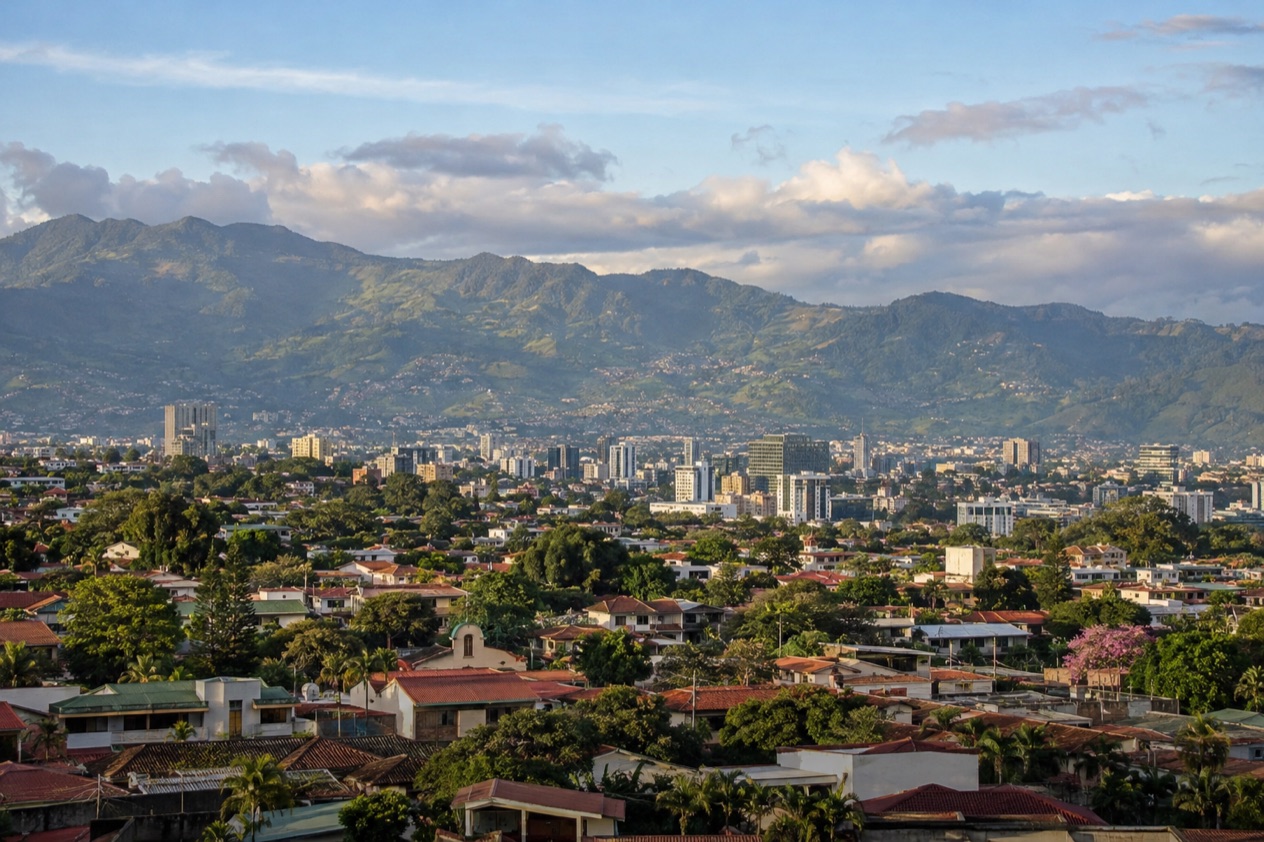
Early in the morning, the Central Market smells of fresh coffee and frying plantains, and the lunch counters are already calling out the plate of the day. Church bells, buses and vendors fill the streets while the mountains stand blue at the end of every avenue. San Jose is a compact, walkable capital with theaters, gold, markets and volcano day trips close by, and it suits travelers who give it a day or two instead of just a night.
What are the best things to do in San Jose?
The best things to do in San Jose are the ones that show you the country’s story and its table: a gilded theater, a museum full of gold, a market lunch, and a morning on a volcano. The city is small enough that most of the essentials sit within a short walk or taxi ride of each other, which leaves room to leave town for a day.
Think of the capital as a place to sample, then pick what suits you. Some travelers spend a day on culture and food and then head for the mountains, while others use the city as a base for several days of outings. Either way, the list below gives the shape of it.
- Step into the National Theater, the city’s best-known building, for its marble, murals and a coffee in the café.
- Spend an hour with the Pre-Columbian Gold Museum, tucked under the Plaza de la Cultura, to see what the peoples here made before the Spanish arrived.
- Eat a casado at the Central Market, the classic first taste of Costa Rican cooking.
- Walk or picnic in La Sabana, the big city park where Josefinos jog, play soccer and fly kites.
- Drive up to Poas Volcano for a look at its turquoise crater lake, ideally in the morning.
- Visit Irazu and the basilica in Cartago for cold wind, a green crater lake on clear days and a pilgrimage church.
- Tour a coffee farm to follow the bean from the shrub to the cup.
- Spend an evening in Barrio Escalante, where restaurants, craft beer and small bars fill old houses.
Beyond these, the city rewards wandering. The pedestrian stretches of Avenida Central, the old neighborhoods of brick and wooden houses and the plazas where office workers eat lunch all say something about daily life. Keep an afternoon loose for them.
Sights and landmarks in San Jose
The sights worth your time cluster in the historic center, around a few plazas and a grid of busy streets. San Jose is not a city of grand colonial monuments, since earthquakes and fast growth took care of much of that, but it has a handful of buildings and collections that explain the country well. Most can be seen in a single unhurried day on foot.
The National Theater
Since 1897 the National Theater has stood as one of San Jose’s most familiar landmarks. Coffee wealth paid for it, and the money shows in the marble staircases, the painted ceilings and the gilded foyer, where European artists and craftsmen left their mark. From the street it looks restrained, and then you step inside and it feels like a small opera house.
Plan for an hour. Check the theater’s official page before planning a visit to the auditorium or foyer. It is the easiest cultural stop in the capital for almost any traveler, and if you can catch an evening performance, the room is even better with an audience. Check the theater’s official page for tours and the program.
The Pre-Columbian Gold Museum
Beneath the Plaza de la Cultura, just a short walk from the theater, the Pre-Columbian Gold Museum displays gold work made by the people who lived here before the Spanish arrived. The cases hold small animal figures, frogs, eagles and jaguars among them, along with pendants and ornaments worn by chiefs and shamans. The pieces are small and finely made, and the lighting makes them glow.
Allow an hour or so, longer if you like reading the labels. The collection helps make sense of the stone spheres, the jade and the indigenous crafts you may meet elsewhere in the country. It is a good rainy-hour choice, and it pairs naturally with the theater and a stroll across the plaza above, where street performers and pigeons share the stage.
The Central Market
To begin your sampling of casados and fresh fruit, head to the Central Market, the traditional destination, an enclosed maze of food stands, coffee vendors, gift shops and compact lunch counters. Narrow aisles twist between butchers, herb sellers, leather and hammock stands and little counters with six stools. It is noisy, close and friendly, and the best way in is to walk slowly and let your nose lead.
Come around lunchtime, when the counters are busy and the food is freshest. Buy a bag of ground coffee, a bottle of Salsa Lizano or a wooden spoon as a souvenir, and keep your phone and wallet in a front pocket, as in any crowded market. It suits travelers who like their sightseeing with a fork in hand.
Plazas, old neighborhoods and smaller stops
Around the main sights, a few other places add texture. The Jade Museum shows carved ornaments from the region, and the Plaza de la Democracia opens onto a view of the surrounding mountains on clear mornings. The Metal Building, a prefabricated iron school shipped from Europe, stands near Parque Morazán and is a curiosity worth a glance.
Barrio Amón and Barrio Otoya hold some of the city’s most charming old houses, built for coffee families in a mix of styles, many now turned into hotels, galleries and restaurants. Wander the shaded streets in the late afternoon and you will find tile, wrought iron and wooden porches. The cathedral and the small parks around it, such as Parque Morazán with its domed music pavilion, make a pleasant loop between stops.
Outdoor things to do in San Jose
San Jose lies at about 3,800 feet, so the air is mild and spring-like, and spending time outdoors is easy. The city is ringed by green hills, and parks fill with families on weekends. Green space is scattered rather than grand, but it gives a good look at everyday life.
La Sabana Metropolitan Park
La Sabana is the city’s big green lung, a former airport turned into a park with a lake, jogging loops, soccer fields, tennis courts and wide lawns. On weekends it fills with runners, cyclists, kite fliers and families with coolers, and the mood is cheerful and local. The National Stadium stands on one side, and the Costa Rican Art Museum, in the old airport terminal, sits nearby.
Go in the morning or late afternoon, when the light is soft and the paths are busiest. Bring a hat, since the sun at this altitude is stronger than it feels. It is a good place for a walk if you have an hour between museums or want to see how Josefinos relax.
Parks and plazas in the center
Smaller parks give shade and a break from the traffic. Parque Morazán has its Greek-style music pavilion, Parque Espana is shaded by old trees beside a brick building and a quiet courtyard, and the Parque Nacional holds a monument to the heroes of the war against William Walker. Office workers sit on benches with coffee, and shoeshiners and ice cream sellers do steady business.
These parks suit short breaks and people-watching more than long visits. Combine them with the walk between the theater, the market and the old neighborhoods, and you have a gentle route through the heart of the city. Keep an eye on your bag as you would in any busy capital.
The hills above the city
To see the valley from above, head for the hills on the edge of town. The towns of Escazu and Santa Ana, on the western side, climb into green slopes with lookouts, trails and restaurants with views over the lights of the valley. In the evening, these places are a favorite for Josefinos who want cooler air and a view.
Walkers and birders also find paths in the hills, though trail conditions vary, so ask locally before setting out. A taxi ride up for a late lunch is the easiest option for visitors without a car. On a clear day the valley spreads out below, with the volcanoes lined up on the horizon.
Day trips from San Jose
Since the Poas and Irazu volcanoes, coffee farms, and Cartago with its basilica are all easy day trips from the capital, many travelers bookend their trip with first and last nights in San Jose. The mountains are close, and a morning out of the city can feel like a different country. Volcano mornings are best, since clouds tend to build later in the day.
Poas Volcano
Poas is famous for a big, active crater that contains a turquoise acid lake, and from San Jose it stands above the Central Valley only about two hours away by car. At 8,885 feet the top rises, and up to the viewing area a paved road winds past farmland, strawberry fields and cloud forest. Steam and a sulfur smell are part of the scene, and the color of the lake changes with the light.
Mornings at the top tend to be clearer before the clouds arrive, so starting early offers your best shot at a view, but it is never promised. Bring a warm layer and a rain jacket.
Before you head out, check the park’s official SINAC page for current access and reservation rules. Many travelers combine the volcano with a stop at a coffee farm or a roadside fruit and cheese stand on the way down.
Irazu Volcano and Cartago
At roughly 11,260 feet, Irazu stands as the country’s highest active volcano, and up in its crater area above Cartago you may find chilly, breezy conditions, along with a green crater lake when the weather is clear. The landscape feels stark, with gray ash, low shrubs and a wide crater, and on a clear day you may see far across the highlands. It has a long history of eruptions, which gives the quiet rim a certain gravity.
Cartago, the old colonial capital at the foot of the mountain, makes a natural pairing. Its basilica, a Byzantine-style church that draws pilgrims each year, stands in the town center, and the ruins of an unfinished colonial church sit in a garden nearby. Dress warmly for the summit, and keep the basilica and a simple lunch in town for the lower, warmer part of the day.
Coffee farms
Coffee built San Jose, and the hills around the valley are full of farms that welcome visitors. A typical visit walks you through the plants, the picking, the drying and the roasting, and ends with a tasting where you can sort out the difference between light and dark roasts. Many tours also cover the story of the coffee barons and the workers who picked the beans.
The farms north of the city, toward Heredia and the slopes of Poas, are the easiest to combine with a volcano morning. The tours suit almost anyone, including families, and you leave with bags of beans to carry home. Book through your hotel or a farm’s official page, and ask what is included in the visit.
Smaller outings
A few other stops suit travelers with more time. The Orosi Valley, past Cartago, has a colonial church, hot springs and a winding road with coffee slopes and a reservoir. Sarchi is the center of the traditional painted oxcart, and its workshops sell wooden crafts. Zarcero, on the way north, is known for its church garden, where hedges are clipped into arches and animal shapes.
The Lankester Botanical Garden, near Cartago, is known for its orchids, which bloom at different times through the year. Each of these places can be a stop on a longer loop. Pick one or two rather than trying to fit them all in.
What to eat in San Jose
Eating in San Jose starts with a casado, the standard lunch, and with gallo pinto at breakfast. The food is homey and generous, built on rice, beans, plantains and fresh produce from the valley’s farms, with little heat and plenty of flavor. The city also has a growing scene of newer restaurants, but the everyday classics are the place to begin.
Breakfast and lunch classics
Gallo pinto, rice and black beans fried together with onion, sweet pepper and cilantro, is the national breakfast. It usually comes with eggs, fried plantain and sour cream, and it is often eaten with a splash of the bottled Salsa Lizano, a mild, slightly sweet brown sauce found on nearly every table. Pair it with strong black coffee or a milky café con leche.
A casado, literally a married man’s plate, is the standard lunch: rice and black beans with a salad, fried plantain and a choice of chicken, beef, pork or fish. It arrives on one big plate, and it is the best way to try several flavors at once. Small family restaurants called sodas serve them, and the Central Market has plenty of counters.
Soups, snacks and street food
On cooler days, look for olla de carne, a hearty beef and vegetable soup with cassava, corn and plantain, or sopa negra, a black bean soup often topped with a poached egg. Chifrijo, a bowl of rice, beans, fried pork and pico de gallo with tortilla chips, is a bar favorite. Patacones, flattened and fried green plantain, come with beans or a dip.
Street and market snacks include empanadas filled with cheese, beans or meat, tamales that appear most in the Christmas season, and fresh fruit sold in bags with a squeeze of lime. Try ceviche, which is popular in the capital even far from the sea. Chicharrones, fried pork, are common at casual gatherings.
Coffee, drinks and sweets
Coffee is the point of pride. Many cafés serve it in the traditional chorreado style, poured through a cloth filter on a wooden stand, or as a modern pour-over, and the beans are among the best in the region. Fresh fruit drinks, called frescos or refrescos naturales, come blended with water or milk, in flavors like guanabana, tamarind and blackberry.
For something stronger, try Imperial, the national lager, or guaro, a clear sugarcane spirit often mixed in cocktails. Tres leches cake and arroz con leche are the familiar desserts, and the market sells cajeta, a milky fudge. Bring a bag of beans home, since coffee is the easiest edible souvenir to pack.
Where to look for good food
The Central Market is the classic starting point, and the Borbon Market, a bigger and more local market, is another place to eat among the produce stalls. Barrio Escalante has become the city’s food neighborhood, with a mix of chef-driven restaurants, bakeries, craft beer bars and casual spots in converted houses. The food hall style of some newer markets offers many choices in one place.
Sodas in any neighborhood are the best value for traditional cooking. Look for a place full of locals at lunchtime, with a handwritten menu on the wall. Ask for the plato del dia and you will usually get something freshly made.
Things to do in San Jose at night
Evenings in San Jose are lively in pockets rather than citywide: a concert at a historic theater, dinner in Barrio Escalante, a beer in a bar with a soccer game on, or a quiet drink in a hotel courtyard. The city does not stay up all night, and many streets in the center empty out after the shops close. Know where you are going and how you will get back.
Theater and live music
The National Theater hosts concerts, opera, dance and plays, and an evening there is one of the most atmospheric things to do in the capital. The Melico Salazar Theater, another historic hall, has its own program of music and dance. Smaller stages and cultural centers offer jazz, folk and rock, and the program changes from week to week.
Check the venues’ official pages for schedules, since performances vary. Even if you have no ticket, the lit facade of the National Theater makes an evening walk worthwhile. Dress comfortably but a little smarter than for the day.
Dinner and drinks in the neighborhoods
Barrio Escalante is the first choice for dinner, with a long street of restaurants, gastropubs and cafés, many with outdoor tables. Barrio Amón and Barrio Otoya have bars in old mansions, and Escazu, on the western side of the valley, has a polished mix of restaurants with a view. Craft beer is a growing theme, with taprooms serving local brews.
For a more local evening, find a bar with a TV tuned to a soccer match and order a plate of bocas, small bar snacks like fried yuca or chicharrones, with a cold Imperial. These places are cheerful and unpretentious. Expect friendly conversation if you show an interest in the game.
Quiet evenings and staying safe
If you prefer something calm, linger over dinner, listen to a marimba or guitar player in a restaurant, or sit in your hotel’s garden with a cup of coffee. The mountain air cools in the evening, and a light jacket is useful. Early nights are common, especially before a morning volcano trip.
The U.S. State Department says petty crime is common throughout Costa Rica and that violent crime also affects tourists, including armed robbery. Keep valuables out of sight and stay alert to the risk of petty and violent crime. The areas where visitors go for dinner are the sensible places to spend the evening.
Things to do in San Jose with kids
Children do well in San Jose when you give them room to run and something hands-on to do. The city has a museum made for kids, a zoo and a big park, and the day trips add volcanoes and animals. The pace is easy, and many places welcome families.
Museums and parks made for kids
The Children’s Museum, housed in a former penitentiary near the center, fills old cell blocks with science exhibits, play areas and displays that children can touch. It is a good choice for a half day, especially when the weather turns. Nearby, the Gold Museum and its small figures of animals can hold older children’s attention if you turn it into a hunt for frogs and jaguars.
La Sabana park offers open lawns, playgrounds and paths where kids can burn energy, and on weekends it is full of local children playing soccer. Parque Morazan and Parque Nacional are good for a short rest with an ice cream. Bring water and hats, since the sun at altitude is strong.
Animals, gardens and farms
For a closer look at plants and butterflies, the gardens near Alajuela and Cartago are other options. Check each garden’s official information before assuming its paths suit small children.
Coffee farms can appeal to families, but activities vary, so check what the tour includes. Poas Volcano also impresses kids, with its steam and its odd colors. Dress them warmly, because the summit is cool, and expect that clouds can hide the view.
What to keep in mind
The sun is strong even when it is cool, so sunscreen and hats matter. Volcano summits are higher still and can be cold, windy and wet, so bring layers for everyone.
Distances in town are short, but traffic can be heavy, so allow extra time for day trips. Mountain roads wind, which can upset young stomachs, so pack snacks and stop for breaks. Keep a close eye on children in crowded markets, where it is easy to get separated.
Good to know before you go
The U.S. State Department rates Costa Rica Level 2, ‘Exercise increased caution,’ due to crime; it says petty crime is common throughout Costa Rica and that violent crime also affects tourists, including armed robbery, homicide and sexual assault.
San Jose works best as a base of a day or two, with taxis and hotel-arranged transfers the easy way to move around the center and out to the volcanoes. Most visitors land at the airport next to the city and move on soon after, so a first or last night here is common.
The Atlantic hurricane season is a distant background for the capital, but heavy afternoon rain is normal in the greener months, so keep a rain jacket handy. For parks and volcanoes, check the official page before you go, since access and rules change.
Sources
- Costa Rica Tourism Board (ICT), Poas Volcano National Park (https://visitcostarica.com/where-to-go/protected-areas/poas-volcano-national-park), checked October 8, 2026
- Costa Rica Tourism Board (ICT), Irazu Volcano National Park (https://visitcostarica.com/where-to-go/protected-areas/irazu-volcano-national-park), checked October 8, 2026
- Open-Meteo / ECMWF ERA5, normals 1991-2020 computed for the grid cell at 9.9281N 84.0907W, checked October 8, 2026
- U.S. Department of State, Costa Rica Travel Advisory, issued April 1, 2026 (https://travel.state.gov/content/travel/en/traveladvisories/traveladvisories/costa-rica-travel-advisory.html), read via the State Department open data API on October 8, 2026
To plan your stay
- Best Time to Visit San Jose: Dry Season, Green Season, Weather by Month and Festivals
- Where to Stay in San Jose: Best Areas, Barrio Escalante, Escazu and Airport Options
- San Jose Airport to City: Taxis, Shuttles, Rental Cars and Drive Times
- San Jose in January: Dry-Season Weather, Theaters and Museums, and Day Trips