
On the morning of Three Kings Day, Vieques moves slowly. Roosters call over the hills above Isabel Segunda, a wild horse grazes at the edge of a quiet road, and the smell of coffee and frying dough drifts from a kiosk near the ferry dock.
January is the heart of the dry season on this island off Puerto Rico’s east coast. It brings warm sea, long empty beaches and nights dark enough for the bioluminescent bay to glow.
What is the weather like in Vieques in January?
January in Vieques is warm, breezy and mostly dry, with the trade winds keeping the afternoons comfortable and only a few passing showers.
| Month | Average high (°F) | Average low (°F) | Rain days | Sea (°F) |
|---|---|---|---|---|
| December | 78.5 | 76.0 | 8.1 | 81.9 |
| January | 77.2 | 74.9 | 5.8 | 80.8 |
| February | 76.8 | 74.5 | 4.0 | 80.2 |
Mornings start soft and bright, and you can have breakfast outside in a T-shirt. By midday the sun is strong, and the shade of an almond tree or a beach umbrella becomes a real asset. The breeze that sweeps across the island takes the edge off, so the heat feels easier than the thermometer suggests. Evenings stay mild enough for dinner on an open terrace with bare arms.
Rain, when it comes, arrives as a short shower that crosses the island in minutes and leaves the road steaming. Downpours that last all day are unusual this month, and you rarely need to reorganize a day around them. A light rain jacket or simply a plan to wait it out under a restaurant awning is enough.
The light is clear and golden, with just over eleven hours of daylight. That is enough for a beach morning, a lazy lunch and a sunset walk, though not enough to waste the early hours. The sea stays warm, and the water color shifts from pale turquoise in the shallows to deep blue past the reef.
Can you swim in Vieques in January?
Yes, the sea is warm enough for a long, comfortable swim, and most people go in without hesitating, even first thing in the morning.
The island sits on the Caribbean side, and its southern beaches are often gentler than the Atlantic-facing coasts of the main island. Even so, winter swells and winds can add chop on some exposed beaches, so conditions change from one day and one beach to the next.
Sun Bay is a long, curving beach with shade from palms. Red Beach and Blue Beach, on the former Navy lands, have a wilder feel and are popular with people who like a quieter spot to snorkel.
Snorkelers do best on mornings when the wind is light and the water is clear, and a mask and fins are worth bringing. Nervous swimmers and young children should stay near the shore and choose the more sheltered stretches.
If a lifeguard, a sign or a flag is there, do what it says, but never count on one being around. Wear sunscreen, since the winter sun is deceptively strong, and carry water, because shade and shops can be far from the sand.
What to do in Vieques in January
January on Vieques is shaped by the end of the long Puerto Rican Christmas season. January 6 marks the main event, Three Kings Day (Dia de Reyes). Families gather, children leave grass or hay for the Kings’ camels, and meals stretch long into the afternoon. The weeks that follow bring the octavitas, a quieter echo of the holiday with music and gatherings that carry on into mid-month.
The food of the season is hearty and local. Look for lechon asado (slow-roasted pork), pasteles (plantain-masa parcels filled with meat and steamed in leaves), and tembleque, a silky coconut pudding dusted with cinnamon. In the small kiosks, alcapurrias (fritters of green banana and taro stuffed with meat) and pinchos (grilled skewers) make an easy lunch. Coquito, the creamy coconut and rum drink of the holidays, often still shows up in January.
Mosquito Bay after dark
Mosquito Bay (Puerto Mosquito) is the island’s great night-time draw. With a guide, you go out by kayak or electric boat, and any time a paddle, a hand or a fish stirs the water, blue-green trails of light appear. You want the darkest stretch near the new moon, since the brightest glow comes when no moon is out.
A brilliant shimmer might appear, though with thin clouds or a bright moon it could be fainter, so consider it a possibility and not a sure thing. Go with a calm, patient mood, because the show rewards waiting for your eyes to adjust. Evenings are warm enough that a light layer and bug repellent are all you need, and reservations for the evening trips tend to fill up in the busier weeks.
Beaches on the former Navy lands
Much of the land that was once a U.S. Navy range is now a wildlife refuge, and that is why Vieques has such long, undeveloped beaches. Sun Bay is the easiest, with room to spread out and a relaxed local crowd on weekends. Red Beach, with its sheltered water, and Blue Beach, a long stretch with open views, are the pair that most visitors seek out for a full day.
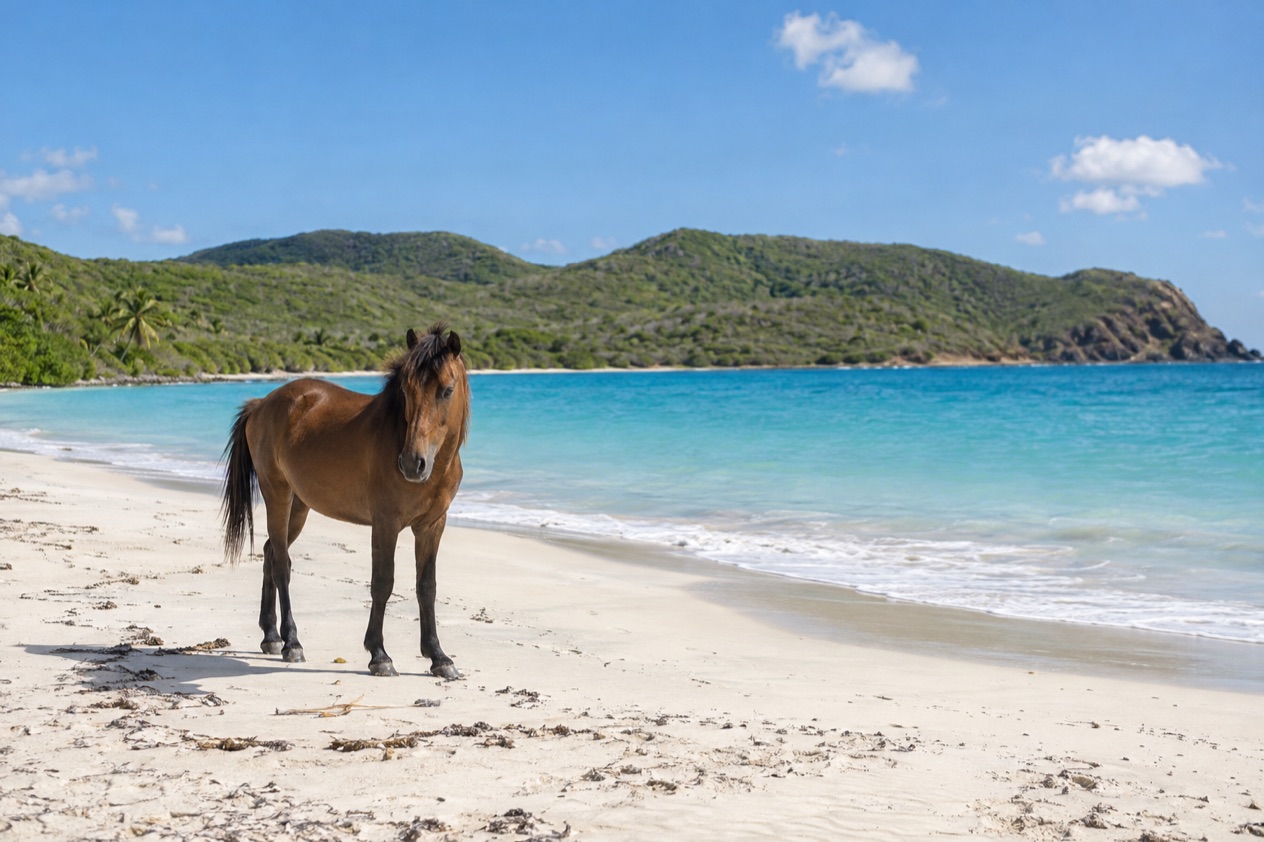
The dry weather of January makes these beaches pleasant for long stays, but the shade is limited, so bring a hat and a cooler with water and snacks. Early morning is the quietest and coolest time. Walk the sand slowly and you may spot pelicans diving, ghost crabs ducking into holes, and, sometimes, a wild horse strolling past.
Esperanza and Isabel Segunda
The north coast ferry town of Isabel Segunda is where most trips begin. It has a small plaza, a fort on the hill, a few bakeries and shops, and the feel of a working island town. Spend an hour here to get your bearings, buy supplies and stop for a coffee before heading on.
Along the southern shore, Esperanza is the laid-back waterfront town, where you’ll find guesthouses, open-air restaurants, and a seawall promenade that gathers a crowd at sunset. In January the evenings are warm enough to eat outside, and the sound of live music, the clink of glasses and the smell of grilled fish drift along the water. It is the best place to base yourself if you like walking from dinner to the shore.
Wild horses and the refuge
Wild horses roam the roads and the beaches of Vieques, and meeting one is part of the charm. They often graze on roadside grass and wander through parking areas.
The refuge lands give the island a different feel from the main island: quiet tracks, dry forest and open coast. A slow drive or bike ride in the cooler hours reveals salt ponds, birds and sudden sea views.
A two-day itinerary for Vieques in January
Day 1 begins early at the ferry dock in Isabel Segunda, when the air is still cool and the road is almost empty. Pick up a coffee and a pastry, then head to Sun Bay for a long morning swim before the sun climbs and the crowds arrive. Lunch comes from a roadside kiosk or a simple restaurant, with alcapurrias, pinchos or a plate of rice and beans.
In the afternoon, when the light is strongest, move to the shade of Esperanza for a slow stretch along the waterfront. Walk the seawall, browse the little shops and have an early dinner as the sun drops. After dark, if the moon is thin or absent, join a kayak or electric boat trip on Mosquito Bay.
Day 2 is for the wilder beaches. Head out in the morning to Red Beach and Blue Beach, which are best before the midday sun. Bring a mask for snorkeling, water, snacks and a hat, and you may see wild horses on the way. Take your time on the sand and leave when the heat peaks.
Return to Isabel Segunda for a late lunch, a wander through the town and a look at the fort and the plaza. If the weather turns, a long lunch, a bakery stop and a browse through local shops make a good indoor plan. Finish with a sunset drink by the water and an early night before the ferry or flight home.
Is Vieques busy in January?
It is busy in the first days of the month and calmer once the holiday weeks pass, with a steady but relaxed flow of visitors through the rest of January.
The days around Christmas and Three Kings Day bring families from the main island and visitors escaping northern winters. Guesthouses, rental cars and restaurant tables in Esperanza go quickly then, so plan early for those dates. After mid-month the island breathes out, and rooms and tables become easier to find, though weekends still draw a lively local crowd to Sun Bay.
Book them together with your lodging if you want to move freely. Mosquito Bay trips are the other thing to secure ahead, especially around the darkest nights, because those are the evenings everyone wants.
The ferry from Ceiba is the main public link, and the small planes serve those who want a quicker arrival. Both are busiest around the holiday weekends. In quieter stretches of the month you can be more spontaneous and still find a place to stay, a table for dinner and an open stretch of sand.
What to pack for Vieques in January
Pack for warm days, breezy evenings and plenty of time in the water and the sun.
- Swimsuits and a quick-dry towel, since the sea is warm and you will want several swims.
- Mask and snorkel, for the clear water at the beaches on the former Navy lands.
- Sunscreen and a wide-brimmed hat, because the winter sun is strong and shade is scarce.
- A light rain jacket, for the short showers that pass through.
- Bug repellent, especially for dusk and the Mosquito Bay evenings.
- Sturdy sandals or water shoes, for rocky entries and dirt tracks.
Good to know before you go
January falls outside the official hurricane season, which runs from June 1 to November 30, but weather can still change, so follow the National Hurricane Center and local official alerts if anything looks unsettled. For U.S. citizens, a trip to Puerto Rico requires neither a passport nor a visa, and the U.S. dollar serves as the currency.
Getting there takes a small amount of planning. The public ferry leaves from Ceiba, and small planes also serve the island. Once on Vieques, a rental vehicle makes it easy to reach the beaches, though the roads are shared with wild horses, so drive slowly. Book your lodging, your vehicle and your Mosquito Bay trip first, and fill in the rest as you go.
Vieques in January vs December and February
Moving the trip earlier, to December, means a festive, livelier island and slightly warmer water, but also more rain showers and a crowd that peaks around Christmas. The holiday mood is part of the draw, with parrandas (roving music gatherings) and decorated plazas, but rooms and rental cars are harder to secure and the pace is busier.
Moving later, to February, brings the driest stretch of the season, with steadier skies and a sea that is just a touch cooler. The holiday rush is gone, so beaches and restaurants feel calmer, and spontaneous plans are easier. You lose the Three Kings Day atmosphere and the lingering Christmas spirit, but you gain long, sunny days.
Choose December if you want the festive feel and do not mind planning ahead. Stay with January if you want a balance of holiday afterglow, warm water and fewer crowds once the first week passes. Shift to February if your priority is the most settled weather and the quietest beaches.
Is January a good time to visit Vieques?
Yes, January is a very good time for anyone who wants warm sea, mostly dry days and an island that is relaxed once the holiday week ends.
It suits beach lovers, snorkelers, couples and families who want long days outdoors without punishing heat. It also suits travelers who like their evenings slow, with a grilled dinner by the water and a night on Mosquito Bay. Those who want a lively nightlife scene, big waves for surfing or a packed festival calendar may prefer another month or another part of Puerto Rico.
On arrival, settle in and head to a beach in the morning, and reserve your Mosquito Bay evening for a night with little or no moon. Keep a day open for the refuge beaches and leave time to simply watch the horses graze. January here is a month of dark skies, glowing water and Three Kings Day tables set under the palms.
Sources
- Open-Meteo / ECMWF ERA5, normals 1991-2020 calculated on the grid cell 18.1255N 65.44W, checked October 8, 2026
- Open-Meteo Marine API, average 2015-2024, checked October 8, 2026
- sunrise-sunset.org, sunrise and sunset calculated for the 15th of the month, checked October 8, 2026
- NOAA National Hurricane Center, Climatology (https://www.nhc.noaa.gov/climo/), checked October 8, 2026
To plan your stay
- Things to Do in Vieques: Mosquito Bay, Wild Beaches and Esperanza Evenings
- Where to Stay in Vieques: Esperanza, Isabel Segunda, Sun Bay Rentals and the Refuge Coast
- Vieques from San Juan: Ceiba Ferry, Small Planes and a Day on the Island
- Know Before You Go to Vieques: Ferry and Flights, Refuge Rules, the Bioluminescent Bay and Sun