
AZORES · WHALE WATCHING · ALL YEAR
Three hours out on the Atlantic, an empty horizon, and a morning spent paying for it. That is the fear most people book with, and the Azores answer it with one figure from the regional tourist board: whales or dolphins are spotted on 98% of trips, regardless of the time of year. Nothing here is scheduled like a ferry, but the odds are not a coin toss either.
The rest is simpler than the brochures make it look. Watching runs in every month of the year, a trip lasts about three hours, and the recommended minimum age is five, though the tourist board sets no age limit. This page carries no operator name, no ticket price and no departure time, because those move by season and by island and we verified none of them.
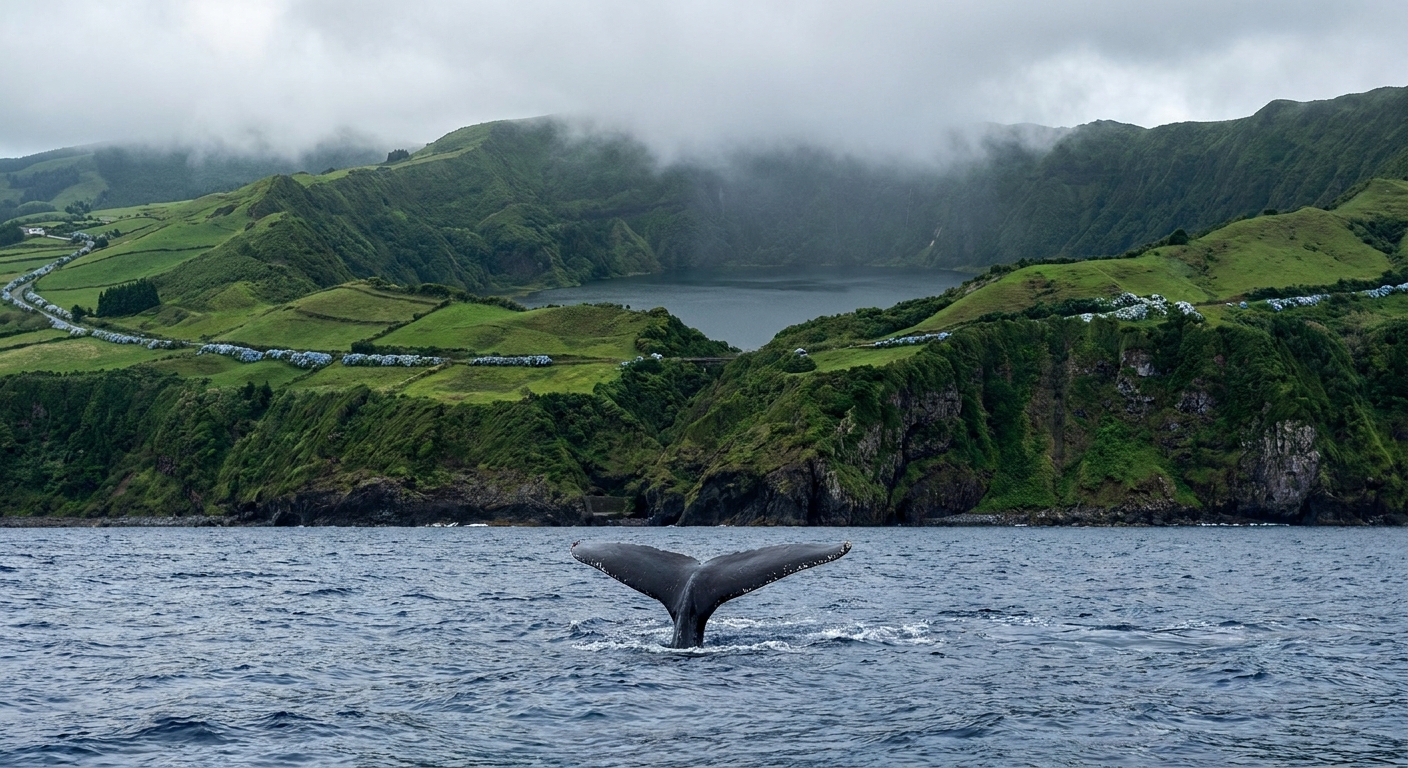
THE TRIP AT A GLANCE · AZORES WHALE WATCHING
Sightings are reported on 98% of trips in any month, the outing runs about three hours, and when the sea is not workable the whaling-era vigias and the museums on Pico and Faial take over on land.
SIGHTINGS ON 98% OF TRIPS · ABOUT THREE HOURS AT SEA · RECOMMENDED MINIMUM AGE FIVE
Go for: one of the biggest whale sanctuaries in the world, resident dolphins in any month, blue whales a few miles offshore, and a land fallback that costs nothing when the boats stay in.
Think twice before: booking a very young child onto a boat, or booking your last morning in the islands: a sea an adult calls calm can be hard on a small passenger, and a canceled trip needs a spare day to move into.
Sighting rate, species and trip length: Visit Azores (official) · full sources at the end
On this page
- Odds of seeing anything at allThe 98% sighting rate, and the refund some operators offer
- Which whales show up in which monthBlue whales at the end of winter, sperm and sei whales in summer
- How long the boat trip takesThree hours, minimum age five, what to bring
- What happens when the sea is too roughThe vigias and the whaling museums on Pico and Faial
- Rules around the animalsProtected species, and what we could not verify
- When to plan the Azores trip overallThe Azores month by month
Dolphins are the likeliest first sighting of your life at sea here: common dolphins and common bottlenose dolphins are resident, so a February boat and an August boat both have animals living in the same water. The big baleen and toothed whales are the ones that move with the calendar, and timing them is worth a look at the month-by-month view before you fix your dates.
Will you see a whale in the Azores?
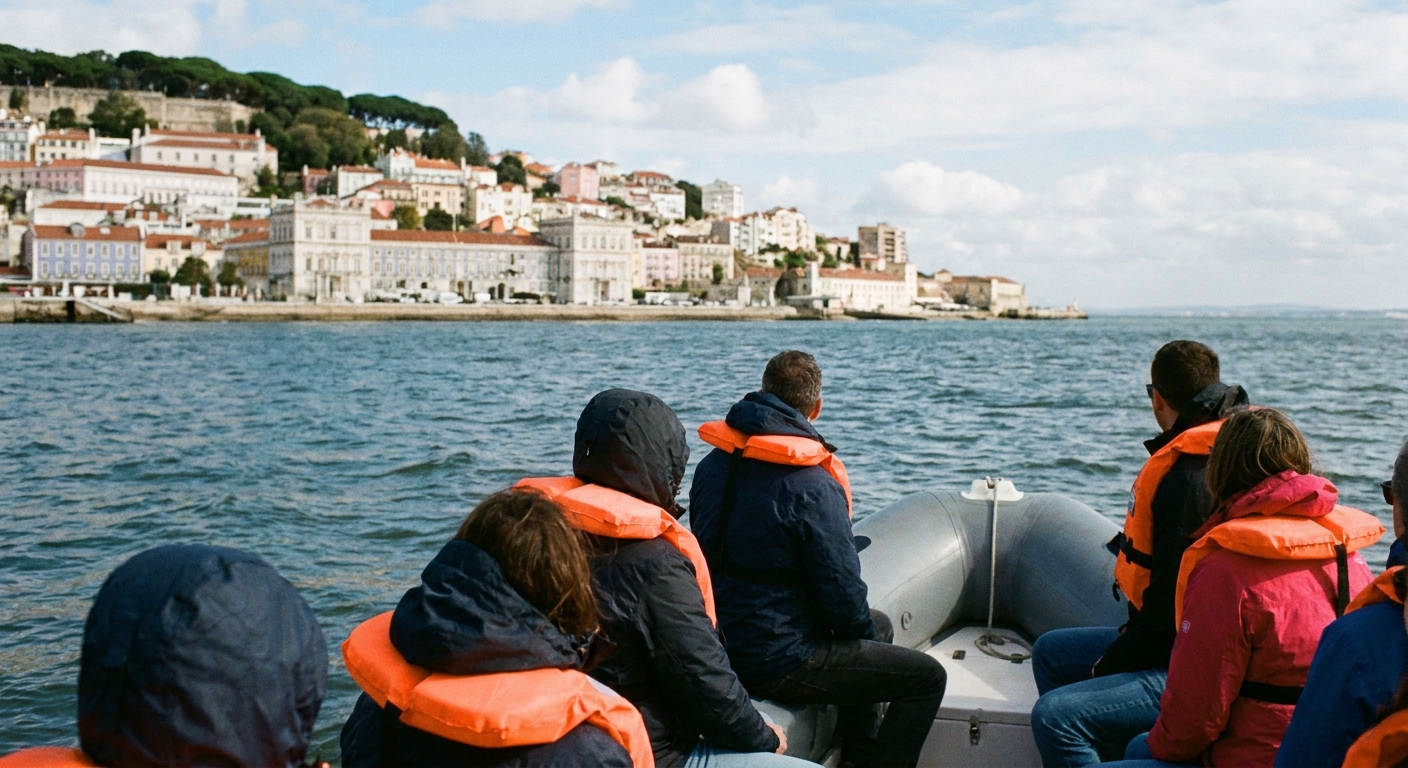
The archipelago is one of the biggest whale sanctuaries in the world, and more than 20 different cetacean species can be spotted in its waters, roughly a third of all the species that exist. That concentration is what carries the 98% figure, and the rate is high enough that some operators refund your ticket when neither whales nor dolphins are seen. Treat that as a practice, not a right: the tourist board describes it as something some companies do, and no rule obliges anyone to offer it. Ask before you pay, and ask what the operator counts as a sighting.
When is the best time to see whales in the Azores?
| Window | What the tourist board says can be spotted |
|---|---|
| Any month | Common dolphins and common bottlenose dolphins, both resident |
| End of winter | Blue whales, easily spotted |
| Practically all year | The blue whale, just a few miles off the coast |
| Summer | Sperm whales, sei whales and baleen whales, frequent · spotted dolphins too |
Watching runs all year, and the month decides the cast. The two resident dolphin species give every departure a floor, whatever the date on your ticket. Above that floor sits the animal most visitors assume they will never see: the blue whale, which the tourist board says can be seen here practically all year round, just a few miles off the coast, and is easily spotted at the end of winter. Late winter in the Azores is not beach weather, and that is precisely when the largest animal on earth is closest.
Summer swings the odds toward sperm whales, sei whales and baleen whales, all described as frequent in those months, with spotted dolphins joining the residents. If your trip is already fixed by flights or school dates, a short Azores itinerary still works: there is no closed season to plan around, only a different list of likely animals.
How long is a whale watching trip in the Azores?
A trip lasts about three hours. There is no age limit, but the recommended minimum age is five, and the reasoning is worth repeating to anyone traveling with a toddler: a sea an adult calls calm can be hard on a very small child. Three hours is also long enough that a bathroom stop, a snack and a nap all have to happen before you board.
What the tourist board tells visitors to bring is short: a camera, water, and light food such as fruit, sandwiches or energy bars. For anyone not used to boats, it adds one piece of timing that matters more than the dose: take anti-nausea medication before departure, not after the swell starts working on you.
Prices, departure times and operator names are the one thing we will not hand you here. They are commercial, they shift by season and by island, and we checked none of them, so quoting any would be inventing. Book direct with a company on the island where you are sleeping, confirm the meeting point the evening before, and read the practical briefing for the islands for the ferry and flight constraints that decide which port you can reach at all.
What happens if the whale watching trip is canceled?
When the sea is not workable, the trip is postponed or canceled. That is the ordinary outcome in an Atlantic archipelago, and it is the reason a boat booked for your final morning is a bad bet. Give the outing a spare day somewhere in the middle of the trip and a postponement becomes an inconvenience instead of a loss.
The fallback the tourist board points to is on land, and it is the same network the boats descend from: the vigias. These small clifftop houses once fed sightings to the whaling fleets, and several have been restored, with trained eyes scanning the horizon from them again. They sit on coastal high points and give panoramic views, which makes them the rare consolation prize that is genuinely worth the drive.
The other fallback is the whaling history itself. Several museums and interpretation centers cover it, mainly on the islands of Pico and Faial, the two islands that also sit closest to the deep water the boats work. A blown-out morning spent in one of them changes what you understand about the second attempt.
For a wider rainy-day list, the things to do guide covers what stays open when the wind turns, and where to stay matters here more than usual: sleeping on the island whose port you are booked from removes one ferry from the equation on a marginal morning.
Can you swim with dolphins in the Azores?
Sources & data for this guide
- Sighting rate of 98% regardless of season, sanctuary status, more than 20 cetacean species · Visit Azores, official tourist board of the Autonomous Region of the Azores · checked Sep 14, 2026
- Species by season: resident common and common bottlenose dolphins, blue whales at the end of winter, sperm, sei and baleen whales plus spotted dolphins in summer · Visit Azores, same page · checked Sep 14, 2026
- Trip length of about three hours, no age limit with a recommended minimum age of five, what to bring including anti-nausea medication before departure · Visit Azores · checked Sep 14, 2026
- Postponement or cancellation in unworkable seas, restored vigias on coastal high points, whaling museums and interpretation centers mainly on Pico and Faial · Visit Azores · checked Sep 14, 2026
- Protected status of the cetaceans and the visitor’s obligation to minimise interference · Visit Azores · checked Sep 14, 2026
- Editorial reserve · this guide carries no operator name, no ticket price and no departure time: those are commercial, they move by season and by island, and we verified none. The ticket refund is described by the tourist board as something some operators do, not a rule you can hold anyone to · reading note, Sep 12, 2026
We cannot give you a yes or a no on swimming, because the official whale watching page we read does not set out a swim-with-dolphins rule. What it does state is the legal frame around every encounter: the cetaceans crossing Azorean waters are protected species.
From that, the tourist board puts the obligation on the visitor rather than on the animal: humans must minimise their interference in the habitat these animals have chosen. It is a short line, and it is the whole contract. The boat is a guest in a place where the residents did not agree to be visited.
In practice that means asking your operator two questions before you pay: whether in-water time is part of the trip at all, and under what conditions they run it. We verified no operator and can vouch for none, so the answer has to come from the company and from the island’s rules, not from us.
If the answer is no, or if the boat is not for you, the year-round season is a real advantage: nothing about this experience is locked to one fortnight, which leaves you free to plan the trip around weather, ferries and the month you actually travel, then slot the departure in where the forecast cooperates. Sea conditions deserve the same respect on a calm-looking day.
The last word. 98% is an extraordinary number and it is still not 100, so go out early in your stay, take the pill before the lines come off, and keep the clifftop vigias on the map as the plan that survives a rough morning. Somewhere out there, a few miles off a green volcanic coast, the largest animal that has ever lived is going about a February day. That is the wager, and the odds are on your side.