
On a Saturday afternoon in Rosarito, the boulevard hums with music from open-air restaurants, and the sand across the street fills with families, surfers and groups of friends settling in for sunset. Farther south the pace slows to fishing boats and lobster kitchens perched above the Pacific. Rosarito is a lively Baja California beach town with quieter villages along its coast, made for weekend escapes, seafood lovers and anyone who wants the ocean without a big resort feel.
Where is Rosarito and what is it like?
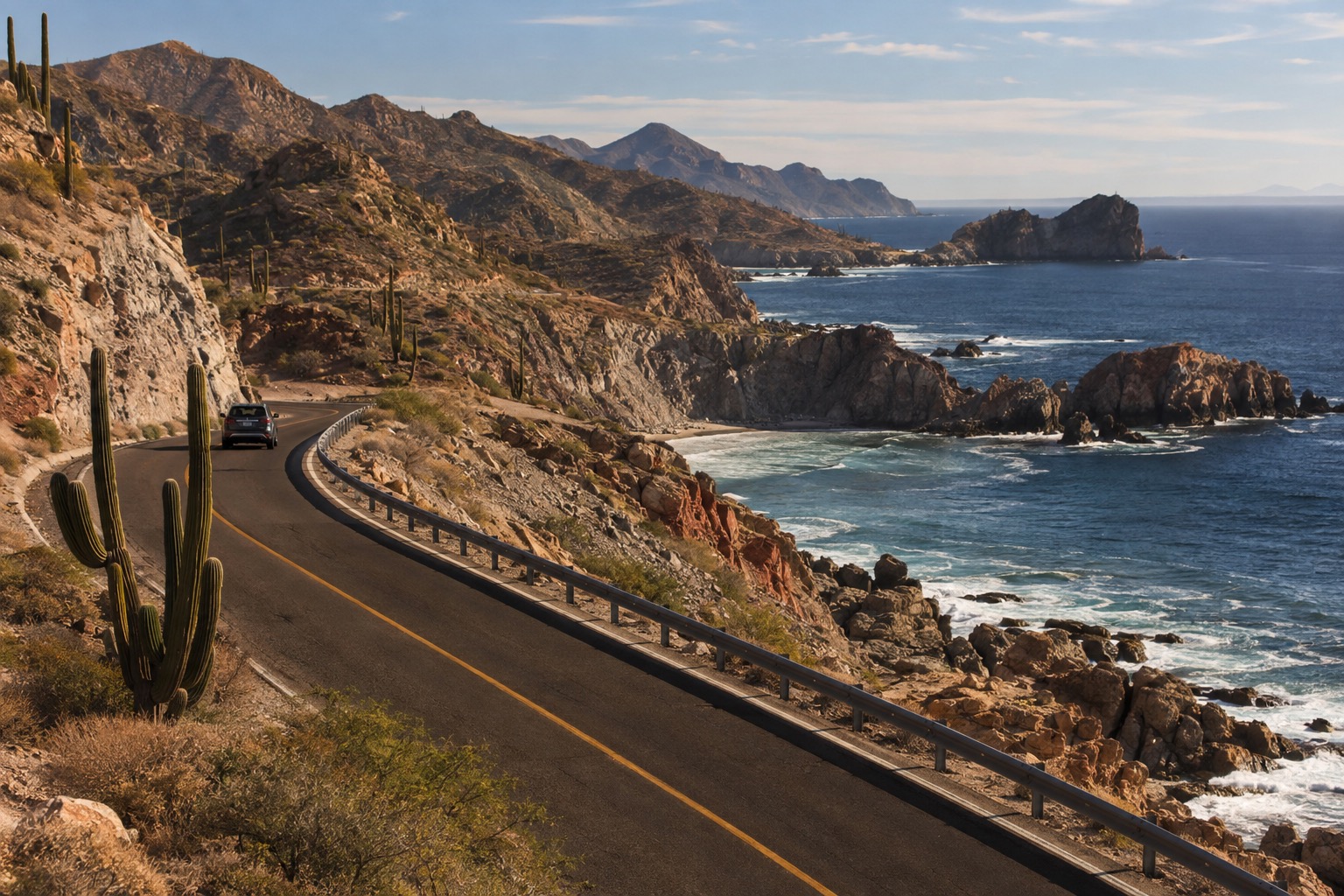
Rosarito sits on Baja California’s Pacific coast, along the Tijuana-Ensenada toll highway (the Scenic Highway), with Tijuana to the north and Ensenada to the south. It is a beach town first, with a wide sandy shore, a busy main strip and a string of smaller coastal communities stretching south.
The tourist corridor follows Boulevard Benito Juárez, where many hotels and restaurants face the beach directly. The mood is social and easygoing, and it suits young travelers, couples and groups who want nightlife and convenient dining. The sand is wide and popular, though strong currents mean swimmers should stay in the designated areas.
If you want solitude or a wilderness feel in the center, this is not it. But step a few minutes south and the character changes: fishing villages, lobster stands and surf beaches give the area a second, calmer personality.
What is there to do in Rosarito?
The big reasons to come are the beach, the lobster, the fishing-village markets and the quiet surf coast. What sets Rosarito apart from its neighbors is that you get a lively beach strip and several distinct villages within a short drive, all on one highway.
The main beach and the boulevard
Rosarito’s oceanfront is the town’s principal draw. The sand runs along the whole center, and you can walk from your hotel to the water, then to a restaurant, without ever needing a car. Afternoons are for lounging and people-watching, evenings for the bars and restaurants along Boulevard Benito Juárez.
It suits groups, couples and anyone who likes a social atmosphere. Currents can be strong, so swim only in the designated areas. Summer weekends bring the biggest crowds, and rooms and parking fill up fast.
Puerto Nuevo, the lobster village
Puerto Nuevo is famous as the lobster village, with a row of family-run restaurants on a hillside above the ocean. The classic plate is local lobster served with beans, rice and tortillas, often at open-air tables with the Pacific in view. It is a casual, food-focused stop rather than a nightlife one.
It lies a short drive south of Rosarito Centro, and a car is the most practical way to get there, though some tour vans stop here. Go on a weekday if you can, since the lobster restaurants are busiest on weekends and parking is easier midweek.
Popotla, the fishing village
Just south of town, Popotla is a small fishing village with a rocky shoreline and a working fish market. People come to watch the boats and buy seafood straight from the vendors. The rocks make it poor for swimming, but it has a local feel the main strip lacks.
You need a car or taxi, since public transit is limited. Buy early for the best selection, and bring cash because some vendors do not take cards.
La Misión and the quiet coast
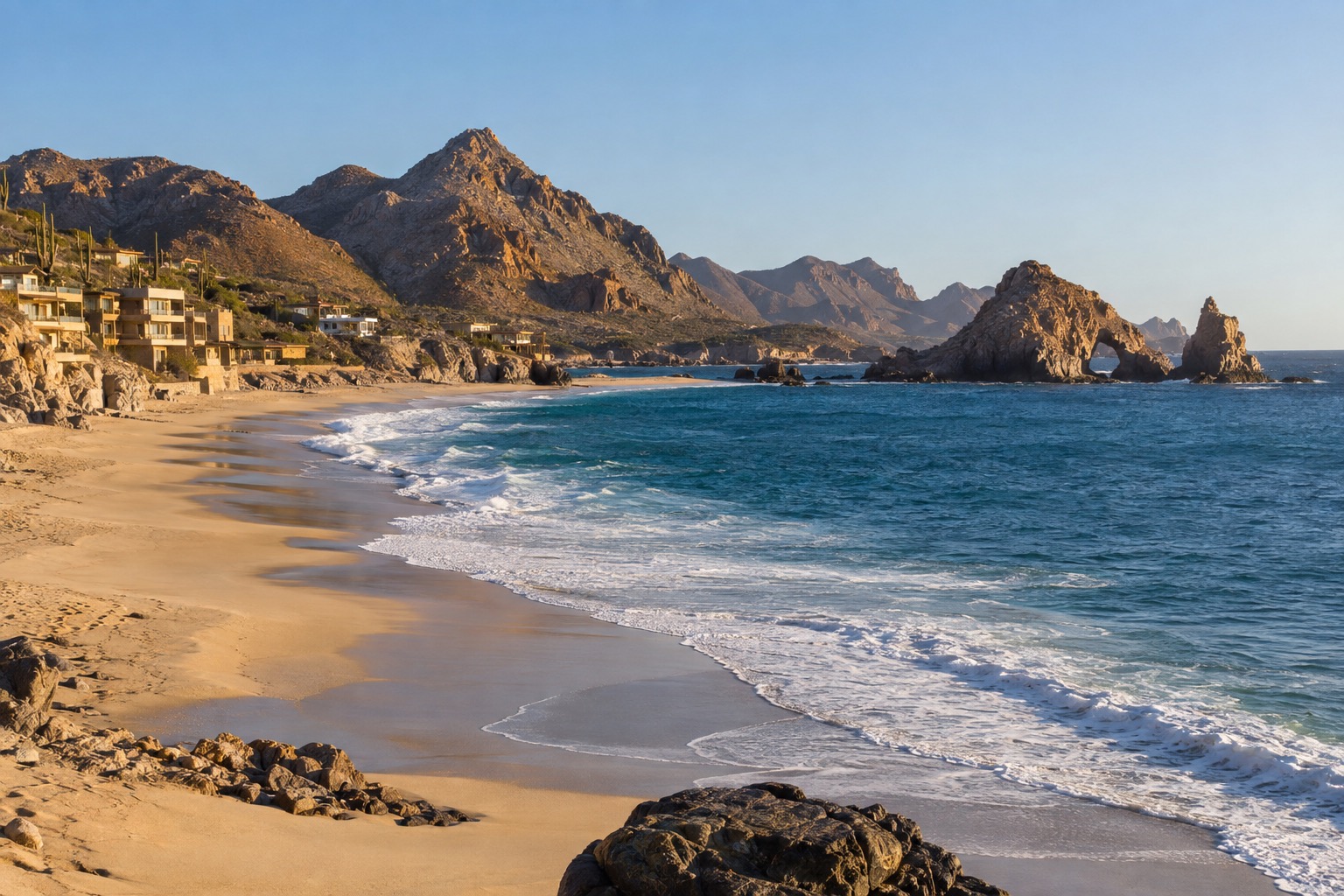
La Misión is a laid-back community known for its surf break and a long, sandy, less-crowded beach. It feels rural and local, a world away from Rosarito’s party scene. Surfers, campers and anyone after a quiet, nature-oriented stay will feel at home.
A car is necessary, as public transportation is infrequent. Check surf and tide conditions before getting in the water, and bring supplies because services are minimal. Film fans have one more stop: Baja Studios, on the coast at Rosarito, was built by 20th Century Fox for the filming of Titanic.
How many days do you need in Rosarito?
A long weekend is enough to enjoy Rosarito, and a few extra days let you explore the coast at a slower pace.
In a short stay, spend one day on the beach and the boulevard, then go south for a lobster lunch in Puerto Nuevo. That already gives you the town’s two big pleasures, sand and seafood.
With more time, add a morning at the Popotla fish market and a day on the quiet sands of La Misión, where the surf and open space contrast with the busy center. Staying in one of the villages for a night or two makes the pace even slower.
Where to stay in Rosarito
Rosarito Centro is the practical choice for most visitors, with mostly mid-range beachfront hotels, smaller motels and vacation rental apartments. You are near the beach, restaurants and nightlife, and you can walk to most things. It suits groups and couples who want to be in the middle of it.
For something quieter, Popotla offers small guesthouses, rentals and a few rustic cabins, a good base for seafood lovers. Puerto Nuevo has small inns, B&Bs and rental homes, often with ocean views. La Misión has beach camping areas, rustic cabañas and a few boutique-style lodgings, ideal for surfers and campers. Book ahead for summer weekends and U.S. holidays, when rooms fill and traffic into town gets heavy.
How do you get to Rosarito and get around?
Most visitors arrive by road, either via the Tijuana-Ensenada toll highway or from Tijuana International Airport, which is roughly a 30- to 45-minute drive from Rosarito Centro.
In the center, walking is the main way to get around, with rideshare and taxis for longer trips. To reach the villages, a car makes things easiest.
Popotla is about 15 to 20 minutes south, Puerto Nuevo about 20 to 25 minutes, and La Misión about 30 to 40 minutes. Public transit to Popotla and La Misión is limited or infrequent, so without a car you will rely on taxis, and some tour vans stop in Puerto Nuevo.
When is the best time to visit Rosarito?
Summer is the busiest season, when the beach is at its liveliest and weekends bring crowds, full hotels and heavy traffic into town. If you want that energy, plan ahead. If you prefer space, a weekday visit is calmer, especially at the lobster restaurants of Puerto Nuevo.
U.S. holidays also fill rooms, so book early around them. Outside those peaks, the town is easier to enjoy at a slower pace, and the quieter coast to the south is most relaxed.
The eastern Pacific hurricane season officially runs from mid-May through the end of November, so much of the year falls inside it. Since the sea can be rough with strong currents, stay in the designated swimming areas.
Good to know before you go
Bring some cash for the fishing-village markets, where some vendors do not take cards, and keep to the main tourist corridor and designated beach areas. If you stay in Baja California, a hotel tax generally shows up on your bill.
| Fee | Amount | Who pays |
|---|---|---|
| Lodging tax (hotels) | 5% | Hotel guests |
| Lodging tax (moteles) | 7% | Motel guests |
| Lodging tax on digital booking platforms | 5% | Guests booking online |
Sources
- local press (eSpiral TV, June 15, 2026; Wikipedia "Baja Studios"), corroborated by the municipal government of Playas de Rosarito (official Facebook), checked September 29, 2026
- Ley de Hacienda del Estado de Baja California, chapter V "Impuesto sobre Servicios de Hospedaje" (mirror Congreso del Estado de Baja California, congresobc.gob.mx); 2026 rates confirmed by El Contribuyente and J.A. Del Rio, ISH 2026 tables, elcontribuyente.mx / jadelrio.com, read on September 29, 2026
- U.S. Department of State, Mexico Travel Advisory (reissued May 29, 2026), section "Risks in specific areas" / State of Baja California, travel.state.gov, read live via browser on 29 September 2026
- NOAA National Hurricane Center, official Eastern Pacific season (nhc.noaa.gov), checked October 5, 2026
All our pages
When to go
- Best Time to Visit Rosarito: Weather by Month, Swimming Season, Crowds and Festivals
- Rosarito in January: Gray Whales, Winter Weather, Beach Walks and Seafood
- Rosarito in February: Whale Season, Cool Beach Days and Seafood Lunches
- Rosarito in March: Gray Whales, Spring Light and Seafood Lunches
- Rosarito in April: Weather, Semana Santa Weekends and Seafood by the Sea
- Rosarito in May: Weather, Beach Days, Baja Food and What to Do
- Rosarito in June: May Gray, Beach Days, Lobster and What to Pack
- Rosarito in July: Weather, Beach Days, Baja Studios and Seafood
- Rosarito in August: Beach Days, Baja Seafood, Weather and Crowds
- Rosarito in September: Weather, Beach Days, Baja Food and Crowds
- Rosarito in October: Weather, Warm Afternoons, Lobster and Baja Wine Harvest
- Rosarito in November: Baja Fall Light, Seafood Lunches and Mild Beach Days
- Rosarito in December: Weather, Coastal Winter Walks, Seafood and Holiday Crowds