
On a weekend evening, the noise on Avenida Revolución spills out of the bars and music pours from open doorways, while street vendors call out over the foot traffic. A few neighborhoods away, people sit over craft beer and long dinners under the trees. Tijuana is a big, restless border city that rewards visitors who come for its food, its nightlife and its seaside edge.
Where is Tijuana and what is it like?
Tijuana sits in the northwest corner of Baja California, right against the U.S. border at San Diego, with its own stretch of Pacific coast to the west. It is a large urban city rather than a resort, and it feels more like a working metropolis with several distinct personalities than a single postcard town.
The center is loud, busy and built for visitors, with bars, souvenir shops and nightclubs. Zona Río is calmer, with wide boulevards, office towers and polished restaurants. Out by the ocean, Playas de Tijuana has a quiet, local residential feel and a boardwalk. People who like energy, food and a city with plenty of edges tend to love it. Anyone hoping for a tidy beach resort may not.
What is there to do in Tijuana?
Tijuana is different from its neighbors because it is a real Mexican city with a serious food scene, not a place built around an all-inclusive resort. The big reasons to come are the nightlife and street life downtown, the restaurants and craft beer of La Cacho, and the ocean edge at Playas.
Avenida Revolución and the center
This is the Tijuana most people picture: a lively, noisy, tourist-oriented strip of bars, nightclubs, souvenir shops and street vendors, with heavy foot traffic from morning to late night. It is not a beach area, but an inland urban district where you browse crafts, snack on street food and bar-hop.
It is close to the San Ysidro crossing, which makes it the easiest first taste of the city for first-time visitors and partygoers. The area is walkable. Keep an eye on your belongings and use official taxi stands or ride-hailing apps at night.
La Cacho and the food scene
La Cacho is a leafy, upscale neighborhood known for craft beer bars, cafés and trendy restaurants, with a calm local feel. It is walkable for dinner and a drink afterward, and ride-hailing apps or taxis link it to the rest of the city. Many places cluster on or near Avenida Sonora.
It suits food-focused travelers and couples who want a pleasant evening without the noise of downtown. Popular restaurants fill quickly on weekends, so make reservations.
Playas de Tijuana and the oceanfront
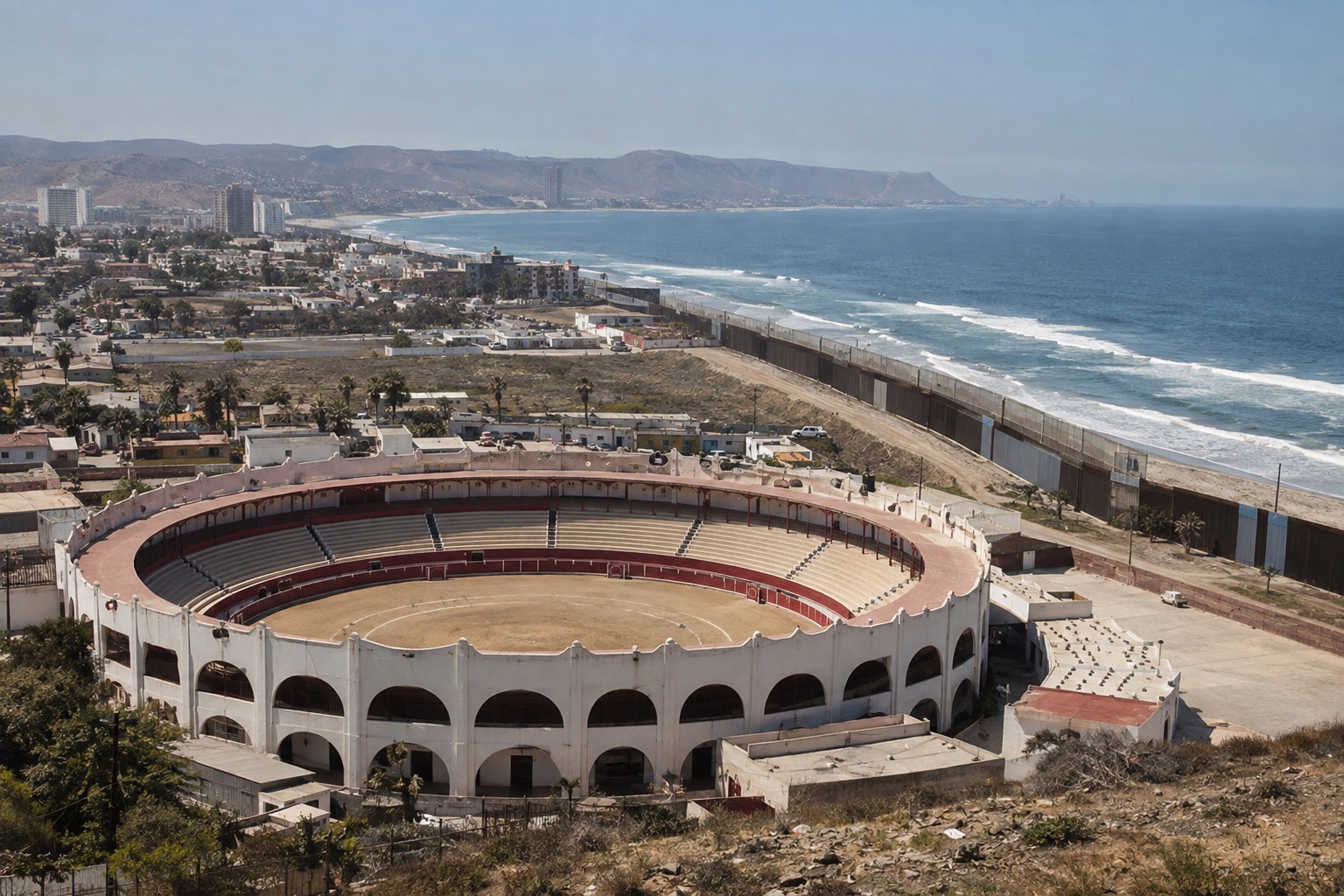
Playas de Tijuana is the city’s Pacific edge, with a beach, a malecón boardwalk and a relaxed, local atmosphere far from the downtown bustle. The Plaza de Toros Monumental, a bullring built oceanfront near the border fence, has stood here since 1960 and gives the neighborhood a distinctive landmark.
The sea can be rough, and water quality is sometimes not good for swimming because of runoff, so many visitors simply walk the sand and the boardwalk. Check current beach water-quality advisories before getting in, and lock your vehicle at beach parking areas.
How many days do you need in Tijuana?
A long weekend is plenty for most visitors. That gives you an evening on Avenida Revolución, a slow dinner and craft beer night in La Cacho, and an afternoon on the boardwalk at Playas.
With a few extra days, you can settle into the pace of the city, linger over meals and spend a full day by the ocean. Longer stays suit people who like a relaxed base in Playas or La Cacho and want to get to know the city’s different neighborhoods.
Where to stay in Tijuana
Zona Centro suits budget travelers, partygoers and first-timers who want to be near the San Ysidro crossing, with small guesthouses, hostels and older mid-range hotels within walking distance of Avenida Revolución. Zona Río is quieter and better for business travelers, families and couples, with chain hotels, some boutique places and serviced apartments.
La Cacho has boutique hotels, guesthouses and short-term rentals, and works well for food lovers and longer stays. Playas de Tijuana offers vacation rental apartments, small guesthouses and a few modest hotels, with no all-inclusive resorts, which suits families and anyone after a relaxed beach-town feel.
How do you get to Tijuana and get around?
Tijuana International Airport is the main way in by air. Zona Centro is roughly 10 to 15 minutes from it by car, Zona Río about 15 to 20 minutes, La Cacho about 15 minutes and Playas de Tijuana about 20 to 30 minutes, depending on traffic.
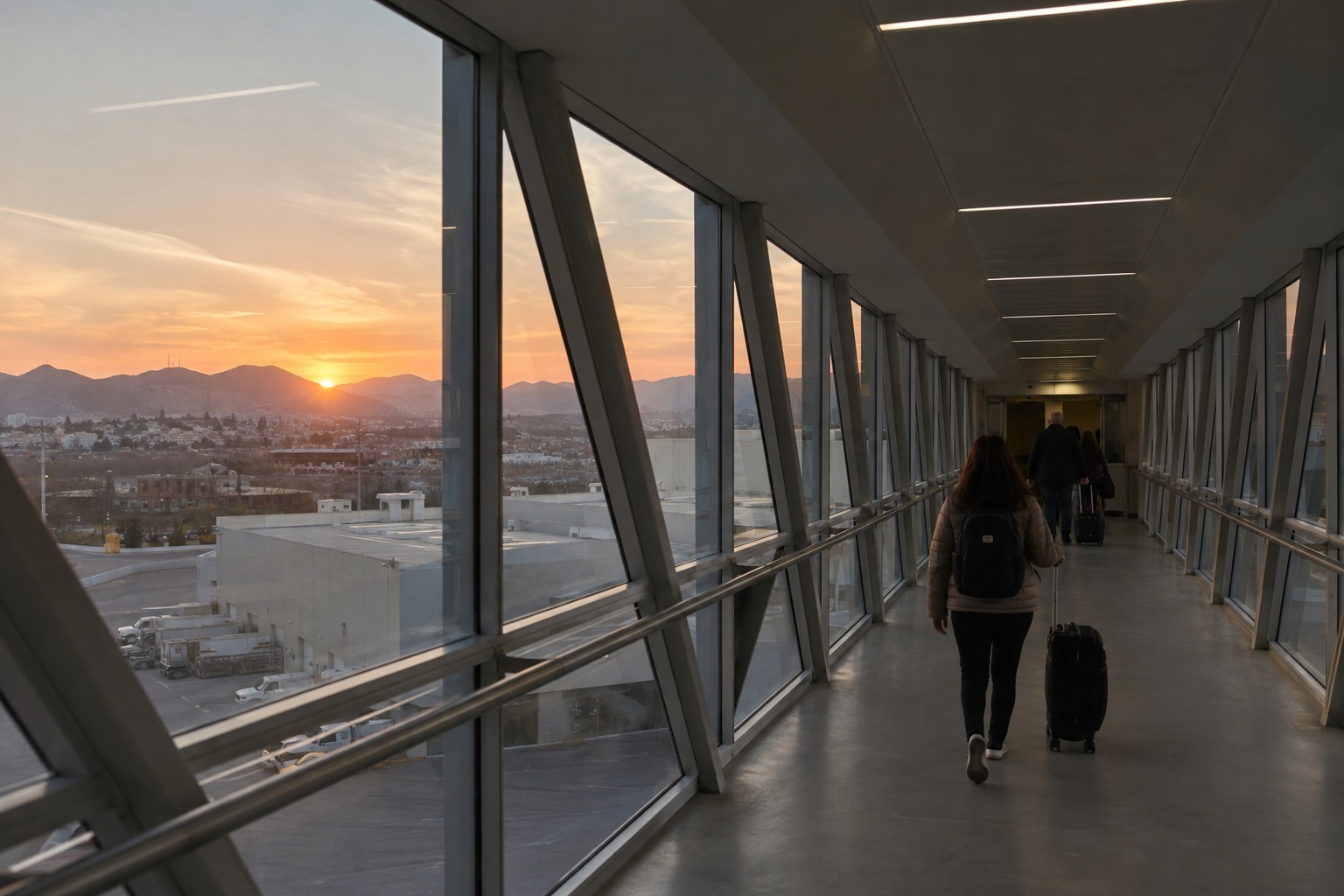
Travelers coming from California have a special option in Cross Border Xpress, a pedestrian bridge exclusive to ticketed airport passengers that links a dedicated terminal in San Diego directly to the airport. It can shorten a border crossing that might otherwise take up to three hours to about 15 to 20 minutes.
In the city, walking works well in Zona Centro, La Cacho and near the beach. Taxis, Ubers and local buses are readily available, and buses run from Playas to central Tijuana. In Zona Río, use official taxi stands at malls or hotels rather than hailing cabs on the street.
When is the best time to visit Tijuana?
Tijuana works year-round because its draws are food, nightlife and city life rather than a beach season. May to October is the dry, warm stretch, with July to September the hottest, while December to March brings most of the rain, still on only six or seven days a month. Weekends are the liveliest on Avenida Revolución and the hardest time to get a table in La Cacho.
If the ocean matters to you, remember that the sea at Playas can be rough and water quality is not always suitable for swimming whatever the month. A walk along the malecón is the safer plan.
Good to know before you go
Tijuana’s daily rhythm is easy to follow with a few habits: watch your belongings downtown, use official taxi stands or ride-hailing apps at night, and stay in the busy visitor areas. Hotels charge a lodging tax on top of the room rate.
| Fee | Amount | Who pays |
|---|---|---|
| Lodging tax (Impuesto sobre Servicios de Hospedaje) | 5% for hotels (7% for moteles), including a 5% rate on digital booking platforms | Guests staying in hotels |
Sources
- Grupo Aeroportuario del Pacifico (GAP), "Cross Border Xpress – Tijuana", aeropuertosgap.com.mx, checked September 29, 2026
- Aeropuertos GAP, publication Instagram officielle, checked September 29, 2026
- Grupo Aeroportuario del Pacifico, "Cross Border Xpress – Tijuana", aeropuertosgap.com.mx, checked September 29, 2026
- presse locale et memoire municipale (Facebook "Aficionados Taurinos del Mundo" ; corrobore par Wikipedia "Plaza Monumental de Playas de Tijuana"), checked September 29, 2026
- Ley de Hacienda del Estado de Baja California, chapter V "Impuesto sobre Servicios de Hospedaje" (mirror Congreso del Estado de Baja California, congresobc.gob.mx); 2026 rates confirmed by El Contribuyente and J.A. Del Rio, ISH 2026 tables, elcontribuyente.mx / jadelrio.com, read on September 29, 2026
- U.S. Department of State, Mexico Travel Advisory (reissued May 29, 2026), section "Risks in specific areas" / State of Baja California, travel.state.gov, read live via browser on 29 September 2026