
At dusk in Shinjuku, the glass towers light up while the tiny bars tucked into the alleys fill with the first office crowds. In Kyoto, the same hour belongs to lantern-lit lanes in the hanamachi districts, where geishas live and work, and to temple grounds that glow after the day visitors leave. Tokyo and Kyoto reward very different appetites, so the choice comes down to whether you want a city that never stops reinventing itself or one that keeps its old rhythms.
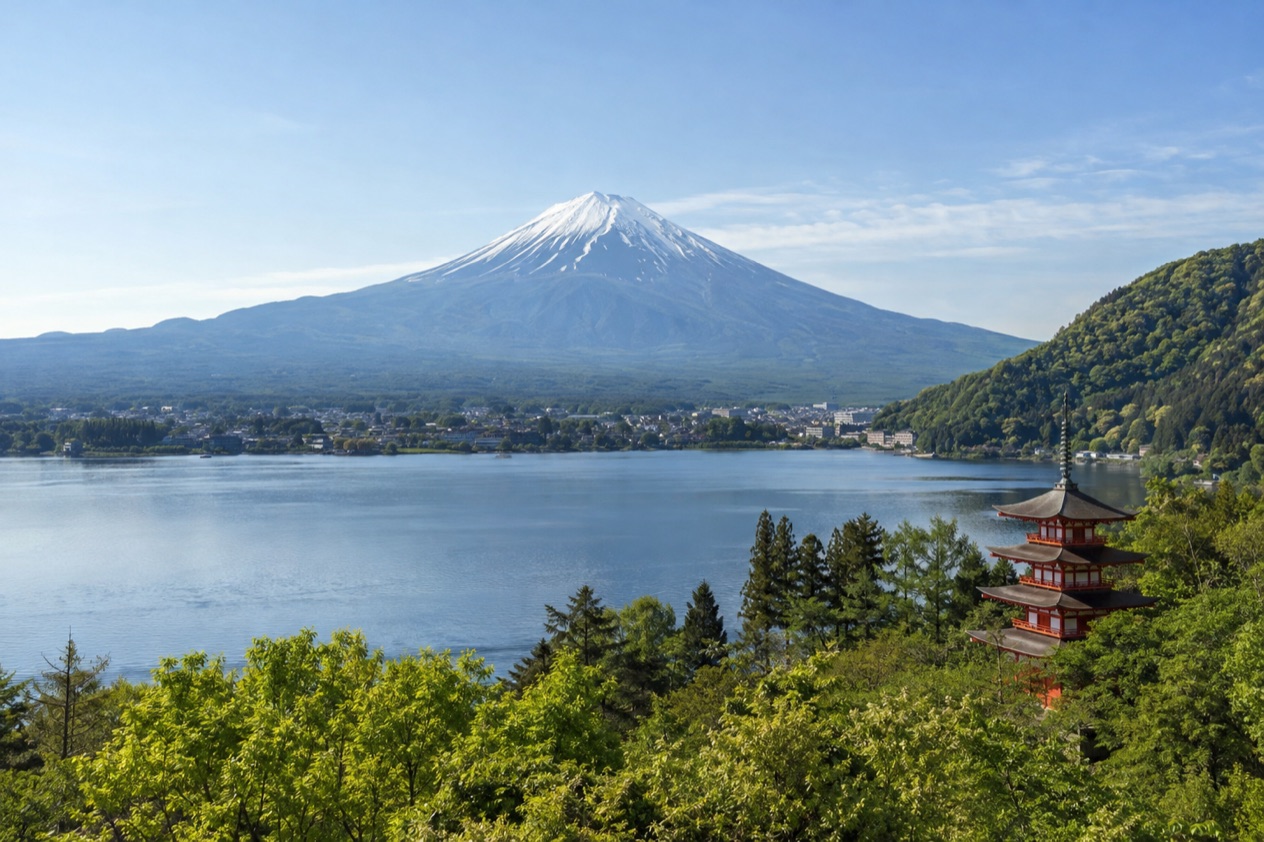
Which is better, Tokyo or Kyoto?
Neither wins outright: Tokyo suits travelers who want variety, shopping, nightlife and a different neighborhood every day, while Kyoto suits those who want temples, gardens, tea, old wooden townhouses and a slower pace of sightseeing. If you can only pick one, pick Tokyo for energy and range, and Kyoto for history you can walk through. The table sets the two side by side.
| Category | Tokyo | Kyoto |
|---|---|---|
| Sights | Senso-ji, Meiji Shrine, Tokyo Skytree, Ginza, Shinjuku | Fushimi Inari Taisha, Kiyomizu-dera, Kinkaku-ji, Nijo Castle, Kyoto Gosho |
| Vibe | Skyscrapers, fashion districts and alleys of tiny bars | Machiya townhouses, hanamachi districts, festivals and temple gardens |
| Things to do | Shopping in Harajuku, Shibuya and Ginza, projection mapping shows, a film festival in Roppongi and Akasaka | Kimono rental, a samurai sword experience, kanji stamp carving, a rickshaw tour in Arashiyama |
| Food | High-end restaurants in Ginza, small bars and eateries in Shinjuku | A full floor of ramen restaurants at Kyoto Station, sake in Fushimi, tea in Uji |
| Weather | Cold, sunny winters with a little snow, hot and humid summers | Maples that turn exceptional colors in autumn, plum trees at Nijo Castle |
| Getting there | Haneda Airport and Narita Airport | Kyoto Station on the Tokaido Shinkansen line |
| Best for | First-timers who want range, shoppers, night owls | Temple and garden lovers, tradition seekers, slow sightseeing |
Sights and food
Tokyo’s sights are spread across a metropolis that mixes eras. Senso-ji in Asakusa is the oldest temple in Tokyo, and walking toward it through the approach gives you the feeling of an older city inside the new one.
Meiji Shrine in Shibuya is dedicated to the spirits of Emperor Meiji and Empress Shoken, and it offers a Shinto setting amid one of the busiest districts. Tokyo Skytree rises in Sumida for views over the sprawl.
Tokyo’s food follows its neighborhoods. Ginza is an upscale downtown area with high-end restaurants, the kind of place for a long, carefully paced sushi or tempura dinner. Shinjuku trades that formality for lively alleys of tiny bars, where you can move from one counter of yakitori skewers and cold beer to another. Nihonbashi, with its long heritage, adds a more traditional note to the city’s dining map.
Kyoto’s sights are temples, shrines and a castle, and many carry their age openly. Fushimi Inari Taisha, at the base of Mount Inari, was established in 711 AD and is the shrine of the long tunnels of vermilion torii gates.
Kiyomizu-dera was founded over 1250 years ago and belongs to the Historic Monuments of Ancient Kyoto, as does Kinkaku-ji, the golden pavilion, which is also known as Rokuon-ji. Nijo Castle was built in 1603 by Tokugawa Ieyasu, the first shogun of the Edo period, and its nightingale floors chirp underfoot, an old security system meant to warn guards of intruders.
Kyoto’s table leans toward the regional and the traditional. The station building holds a full floor of ramen restaurants, handy for a bowl on arrival or departure.
Fushimi, one of Japan’s three main sake brewing areas, lets you taste traditional sake where it is made, and Uji is the place for Japanese tea and the sweets that go with it. The city’s old culinary habits, from kaiseki (a multicourse meal served in small plates) to tofu and pickles, suit the tatami-and-lantern setting.
On sights, Kyoto wins if you measure by temples, gardens and a feeling of continuity, since the city developed its cultural heritage over 1,200 years. On food, Tokyo wins for sheer range, from refined dining to counter bars, while Kyoto wins for regional character in sake, tea and set meals. A trip that wants both history and appetite is best served by seeing each in its own terms.
Things to do
In Tokyo, much of the fun is in moving between districts. Harajuku and Shibuya are the trendy shopping districts, full of fashion and street style, and Ginza holds luxury flagship stores.
Shinjuku can fill an evening on its own, with skyscraper views and then the tiny bars below. Roppongi and Akasaka add museums, restaurants and the host district for Japan’s largest film festival, and the pair can be reached from Shibuya Station in about 10 minutes by train.
Tokyo also offers evening spectacle. Two new projection mapping shows, OTONABLUE and TTTTOKYO, are screened on the Tokyo Metropolitan Government Building from August 23. The name Roppongi, meaning six trees, dates to the 1660s, a small reminder that even the nightlife districts have stories. Metro stations such as Roppongi, Nogizaka and Roppongi-Itchome put the area on several lines, so you can end a night out without a long transfer.
Kyoto turns the day into hands-on experiences. You can rent a kimono in Eastern Kyoto and walk the old lanes in it, join a samurai experience at Myokakuji Temple that includes a sword fighting lesson taught by a professional actor, or turn your name into kanji and carve a Japanese stamp in Central Kyoto.
In Eastern and Western Kyoto City, a rickshaw tour in Arashiyama puts you at street level among the bamboo and the river. A guided tour of Fushimi Inari Taisha by DMO Kyoto is a featured activity too.
Kyoto’s evenings are about atmosphere. The Japan National Tourism Organization suggests visiting shrines early in the morning or late in the evening, when they are illuminated, which suits those who like lanterns and soft light more than screens and neon.
Both cities work as bases for day trips. From Kyoto, southern Kyoto offers sake in Fushimi and tea in Uji, while the Takao area has three mountains known as the Sanbi, with temples and lush greenery.
Ohara adds ancient temples, gardens and spacious hot springs, and in the far north the sandbar Amanohashidate and the boat houses of Ine fishing village sit near the Sea of Japan. From Tokyo, the day trip is usually another district, since the city itself is the destination.
Weather and the best time to go
Tokyo’s winter is cold, dry and bright, with sunshine most weeks and only the occasional wet or snowy day. Highs hover in the upper 40s, nights drop near freezing, and snow, when it falls, is light and brief. In summer the city turns hot and humid, with more rainy days and fewer hours of sun than in January. It is the month for air-conditioned museums, evening walks and cold noodles.
| Tokyo | Average high (°F) | Average low (°F) | Precipitation (inches) | Days with 1 mm or more | Sunshine (hours) | Humidity (%) |
|---|---|---|---|---|---|---|
| January | 49.6 | 34.2 | 2.35 | 4.5 | 193 | 51 |
| July | 85.8 | 72.3 | 6.15 | 10.5 | 151 | 76 |
Daylight shapes the day too. In summer, Tokyo stays light until around 19:30, which stretches sightseeing into the evening, while in winter the nights draw in around 17:00, so the lights of Shinjuku and Ginza come on early. January snow, when it comes, adds a faint dusting to the shrine grounds, though it can also mean wet shoes and slippery steps.
For Kyoto, the clearest seasonal signs come from its gardens and festivals rather than from figures. Nijo Castle is surrounded by a landscaped garden and an orchard of ornamental plum trees and many maples, and the maples take on exceptional colors in autumn. The plum trees give the same grounds a different mood earlier in the year. July brings the Gion Matsuri, with its processions and the neighborhoods dressed for it.
So which season to choose? Pick Tokyo in winter for clear skies, hot meals and early evening lights, and plan indoor stops for summer afternoons when the humidity climbs.
Pick Kyoto in autumn if the maples are the draw, and in July if you want the festival. Spring and fall are the seasons travelers have in mind for both cities, but the choice should follow what you want to see rather than a single perfect month.
Getting there and getting around
Tokyo is served by two airports. Haneda Airport, officially Tokyo International Airport, and Narita Airport, Japan’s largest international airport, are the nearest to the city. Tokyo lies on Tokyo Bay, in the Kanto region, on Honshu, the largest island of Japan, and from either airport you continue into the city by rail or road.
Once in Tokyo, the metro is the thread through the districts. Ginza Station is served by the Tokyo Metro Hibiya, Marunouchi and Ginza lines, and the main shopping district sits right behind it. Roppongi Station is on the Hibiya Line and the Toei Oedo Line, Nogizaka Station on the Chiyoda Line, and Roppongi-Itchome Station on the Namboku Line. Plan a day around one or two areas rather than the whole map.
Kyoto is reached by rail. Kyoto Station is served by the Tokaido Shinkansen line, which connects it to major cities across Japan. The station building houses a full floor of ramen restaurants, an Isetan department store, a theater and a Granvia luxury hotel, and Kyoto Tower stands a few steps from the main entrance, visible across the entire city.
Kyoto is split into five main areas: Central, Eastern, Northern, Southern and Western Kyoto. Eastern and Western Kyoto hold many of the temples and the Arashiyama district, while Fushimi and Uji lie in the south and Ohara, Takao and Keihoku have their own pockets of countryside.
Between the two cities, the most direct shinkansen from Tokyo Station to Kyoto takes about 2 hours and 20 minutes. That makes it realistic to see both in one trip, and to treat the ride as part of the journey rather than a day lost.
Who should choose which
It suits shoppers, night owls, food lovers who like variety, and anyone who enjoys a city that keeps changing. It also suits those who like to follow a loose plan and let the metro decide the rest.
Choose Kyoto if you picture tatami rooms, tea, maples, temple gates and a lantern-lit lane. It suits travelers who want to look closely at a few places rather than sample many, those who enjoy hands-on cultural activities such as kimono rental or a stamp-carving class, and anyone drawn to gardens.
Kyoto served as Japan’s capital and the emperor’s residence for over 1000 years, and the Kyoto Gosho palace has been unoccupied since 1868, when the city lost its status as capital to Tokyo. That history is the reason visitors come.
Combining them is the answer for most trips of any length. Start in Tokyo to take on the jet lag among its many neighborhoods, then ride the shinkansen to Kyoto for temples and gardens, or reverse the order if you prefer to end on a high note of shopping and food. Spend more nights in the city that matches your interests, and use Kyoto’s day trips to Fushimi, Uji or Ohara to widen the second half.
If time is tight, a single city done well beats two done in a rush. A short stay in Tokyo works with a handful of districts, and a short stay in Kyoto works with a few temples and one garden each day. Whichever you choose, the other is a good reason to come back.
Good to know before you go
Japan runs on 100V with type A sockets, the two flat-holed plugs familiar to Americans, though adapters or converters may be needed for some devices. Tokyo is nine hours ahead of GMT and does not use daylight saving time. July is the wetter, more humid month in Tokyo, so a light rain jacket and a small umbrella belong in the bag, and winter evenings come early enough that a sweater helps once the sun goes down.
Shrines and temples have their own manners: shoes come off at the entrance of many traditional interiors, and voices drop in sacred grounds. In Kyoto, the early morning and the illuminated evening are the times the national tourism organization suggests for enjoying shrines at less crowded moments.
Sources
- Japan National Tourism Organization, Tokyo (https://www.japan.travel/en/destinations/kanto/tokyo/), checked October 11, 2026
- GO TOKYO, the official Tokyo travel guide (https://www.gotokyo.org/en/), checked October 11, 2026
- GO TOKYO, getting around (https://www.gotokyo.org/en/plan/index.html), checked October 11, 2026
- Japan Meteorological Agency (JMA), Normal values 1991-2020, monthly (https://www.data.jma.go.jp/stats/etrn/view/nml_sfc_ym.php?prec_no=44&block_no=47662), station Tokyo, elevation 25 m, checked October 11, 2026
- Asakusa Kannon Sensoji (https://www.senso-ji.jp/english/), checked October 11, 2026
- Wikipedia, Sensō-ji (https://en.wikipedia.org/wiki/Sens%C5%8D-ji), checked October 11, 2026
- Wikipedia, Meiji Shrine (https://en.wikipedia.org/wiki/Meiji_Shrine), checked October 11, 2026
- Tokyo Skytree, official site (https://www.tokyo-skytree.jp/en/), checked October 11, 2026
- Wikipedia, Tokyo Skytree (https://en.wikipedia.org/wiki/Tokyo_Skytree), checked October 11, 2026
- Japan National Tourism Organization, Kyoto (https://www.japan.travel/en/destinations/kansai/kyoto/), checked October 11, 2026
- Kyoto City Official Travel Guide, activities (https://kyoto.travel/en/activities), checked October 11, 2026
- Kyoto City Official Travel Guide, areas (https://kyoto.travel/en/areas), checked October 11, 2026
- Fushimi Inari Taisha, official site (https://inari.jp/en/), checked October 11, 2026
- Wikipedia, Fushimi Inari-taisha (https://en.wikipedia.org/wiki/Fushimi_Inari-taisha), checked October 11, 2026
- Wikipedia, Kinkaku-ji (https://en.wikipedia.org/wiki/Kinkaku-ji), checked October 11, 2026
- Kiyomizu-dera Temple, official site (https://www.kiyomizudera.or.jp/en/), checked October 11, 2026
- Wikipedia, Kiyomizu-dera (https://en.wikipedia.org/wiki/Kiyomizu-dera), checked October 11, 2026