
Shop shutters roll up along Shijo Street in the morning, and by evening the lanterns of the old entertainment quarters are lit while people drift along the Kamo River. Kawaramachi is the busy, practical middle of eastern Kyoto, and where you sleep decides whether your days start at a temple gate, a department store or a Shinkansen platform. The choice comes down to a few neighborhoods, each with its own pace and its own kind of lodging.
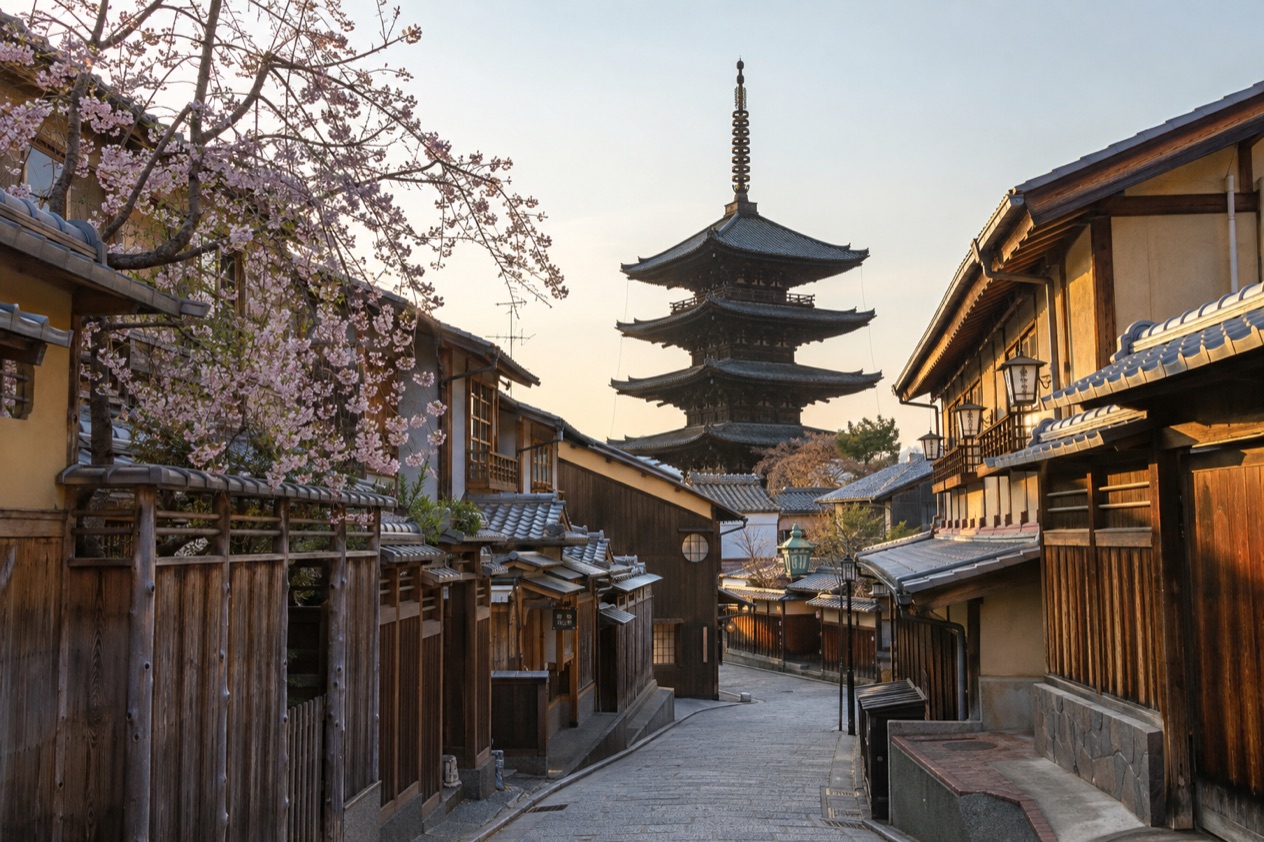
What is the best area to stay in Kawaramachi?
For a first visit, the intersection of Kawaramachi Avenue and Shijo Street, known as Shijo Kawaramachi, is the strongest base, while travelers who care most about trains do better near Kyoto Station, and those who come for castles and palaces can look toward central Kyoto around Nijo Castle.
Shijo Kawaramachi is described as a leading shopping district of Kyoto, and that tells you most of what you need to know. Stores, cafés and restaurants gather around the crossing, so a coffee, a dinner or a rainy-afternoon browse is never far from your door. It suits couples, friends and anyone who likes to step out of the hotel and be in the middle of things.
For sightseeing by rail, Kyoto Station is the anchor. It sits on the Tokaido Shinkansen line, which makes it the starting point for Kyoto’s attractions and for connections to other major cities across Japan.
On a budget, the choice is less about a single neighborhood and more about the kind of room. Business hotels, guesthouses and capsule hotels exist to give you a clean bed and a base, and the lively streets around Shijo Kawaramachi offer inexpensive meals nearby. Spend the money you save on the things you came for, such as temple visits and long dinners.
Families usually value space and an easy rhythm. A larger room or an apartment-style stay gives children somewhere to unwind, and a base next to the station keeps train days simple. The stretches along the Kamo River give everyone a break from the shopping streets when legs get tired.
For nightlife, Shijo Kawaramachi again wins. Kyoto’s traditions include hanamachi districts where geishas live and work, and the evening mood of the old quarters is part of the appeal of this side of the city. Small bars, izakaya (casual pubs serving many small plates) and late dinners keep the center awake after the temples have closed.
Kawaramachi Avenue itself is long. It runs from Aoibashi Nishizume down to Jujo Street, and north of Aoibashi Nishizume the road changes its name to Shimogamo Main Street. South of Jujo Street it curves along the Kamo River and joins Kuzebashi Street. That means a hotel described as being on Kawaramachi could sit at very different points along the river, so look at the map before you book anything.
One last difference is the kind of Kyoto you want to wake up in. The center puts you among shop fronts and restaurants, the station puts you inside a large travel hub, and the quieter streets near the castle lean toward history. Temples reward early starts and late evenings, so a base that lets you leave before the day tours begin is worth more than a room with a view of a shopping arcade.
The best areas to stay in Kawaramachi
Shijo Kawaramachi
This is the crossing where Kawaramachi Avenue meets Shijo Street, and it is the shopping heart of the district. Department stores, arcades, fashion shops and restaurants fill the blocks, and the crowds thicken in the afternoon and evening. Both Shijo Street and Kawaramachi Street are protected by smoking bans, which makes strolling more pleasant than you might expect in a busy center.
Lodging here ranges from city hotels and business hotels to guesthouses and the occasional machiya townhouse conversion, the traditional wooden houses that are part of Kyoto’s heritage. It suits first-time visitors, shoppers and night owls.
The Kamo River lies close by on the east side of Kawaramachi Avenue, which gives you a place to sit and watch the evening. Your tip: ask for a room away from the main street if you are a light sleeper.
Around Kyoto Station
The station is more than a place to catch a train. The building houses a full floor of ramen restaurants, an Isetan department store, a theater and a Granvia luxury hotel, so dinner, shopping and an evening show can all happen without leaving the roof. Kyoto Tower stands a few steps from the main entrance and can be seen across the entire city, which makes it an easy landmark when you are finding your way back.
Beds here run from the luxury hotel to business hotels and simpler places aimed at people passing through. It suits travelers on a rail-heavy itinerary, anyone arriving late or leaving early, and families moving with luggage.
The trade-off is that the neighborhood feels more like a transport hub than a traditional Kyoto street. Your tip: use the station as the base for day trips and walk or ride into the older districts for the evenings.
Central Kyoto near Nijo Castle
Central Kyoto carries the weight of the old capital, since the city served as Japan’s capital and the emperor’s residence for over 1000 years. Nijo Castle, built in 1603 by Tokugawa Ieyasu, the first shogun of the Edo period, is the anchor of this part of town.
Staying here suits people with a taste for history who want mornings at the castle and the Imperial Palace. Lodging tends toward smaller hotels, guesthouses and townhouse stays rather than big towers. Tip: the hours below help you plan which sights to pair with which days.
| Site | Open |
|---|---|
| Nijo Castle | Daily 08:45-16:00, gate closes at 17:00, Ninomaru Palace closed Tuesdays |
| Kyoto Imperial Palace (English tours) | Monday through Friday at 10:00 and 14:00, appointment only |
| Kyoto International Manga Museum | Closed Wednesdays and national holidays |
Along the Kamo River and the north end of Kawaramachi Avenue
The avenue follows the west bank of the Kamo River on the eastern side of Kyoto, and the river is what sets the northern and southern stretches apart from the shopping center. Toward Aoibashi Nishizume the road leaves the stores behind and takes on the name Shimogamo Main Street. Toward Jujo Street it curves with the river and joins Kuzebashi Street.
This is a choice for travelers who want river views and a calmer base than the middle of the shopping district. Lodging is more likely to be small hotels, guesthouses and apartments than large complexes. It suits couples, repeat visitors and anyone who prefers to retreat from the crowds at night. Tip: look at where along the avenue a property actually sits, because the feel changes from one end to the other.
Kawaramachi areas compared
| Area | Best for | Feel | Getting around |
|---|---|---|---|
| Shijo Kawaramachi | First visit, shopping, nightlife | Busy shopping district with smoking bans on Shijo and Kawaramachi streets | Kawaramachi Avenue and Shijo Street |
| Around Kyoto Station | Rail travel, families with luggage, late arrivals | Large hub with ramen floor, department store and theater | Tokaido Shinkansen line, Kyoto Tower as a landmark |
| Central Kyoto near Nijo Castle | History, castle and palace visits | Old-capital atmosphere | Nijo Castle and the Imperial Palace in the district |
| Kamo River and the north and south ends of the avenue | Couples, repeat visitors, river views | Follows the west bank of the Kamo River | Kawaramachi Avenue, Shimogamo Main Street, Kuzebashi Street |
The oldest tension in Kyoto is between convenience and character, and Kawaramachi shows both sides. Near the station you gain transport and a roof full of restaurants, but you give up the old-street atmosphere. Near the shopping crossing you gain energy and late dinners, but the pavement is busy and the nights can run late.
The old town and the newer commercial center pull in different directions. The Kyoto of temples, townhouses and festivals such as the Gion Matsuri sits in the older streets, while the department stores and arcades belong to the modern center. Travelers sleep in one and spend their days in the other, and the river between them is an easy thread to follow.
If you plan to visit shrines at less crowded times, such as early morning or late evening when they are illuminated, as the Japan National Tourism Organization suggests, think about how far your bed is from the gate you want. A base in the middle of the city lets you take both ends of the day without rushing, while a base at the station suits travelers who would rather save energy for day trips.
Another trade-off is variety. A stay at Shijo Kawaramachi surrounds you with food, from casual counters to long dinners, and that suits travelers who like choosing at the last minute. A stay near the castle puts history on your doorstep but asks you to travel for dinner. A river stay gives you a morning view and a slower start.
There is no wrong answer, only a question of what you want to see first. Choose the center if you are new to Kyoto, the station if your trip is built on trains, the castle district if your interest is the old capital, and the river if you want a calmer pace. Whatever you choose, the sights themselves are never far apart in spirit, because Kyoto’s heritage runs through every neighborhood.
How to choose your hotel in Kawaramachi
Start with the kind of stay you want, since Kyoto offers more than one. A hotel gives you a front desk, daily housekeeping and often a restaurant, and the station building even has a luxury hotel in it. A ryokan is a traditional inn, where you typically sleep on futons laid over tatami floors and may wear a yukata, a light cotton robe, at dinner.
A business hotel is a compact, practical room built for people who spend their days out. A guesthouse is smaller and more personal, and a machiya townhouse stay lets you sleep in the kind of wooden house that belongs to Kyoto’s traditions.
Think about distance from the places you will visit most. If trains matter, the Tokaido Shinkansen stop at Kyoto Station is the key fact, and a base next to it shortens the trip between platform and bed. If shopping and dinners matter, the Shijo Kawaramachi crossing puts you in the middle of them. Look at a map for the exact position of a property along Kawaramachi Avenue before you choose.
Families should weigh space and simplicity. A larger room, a family room or an apartment-style stay can make the evenings easier, and a base with restaurants nearby takes the pressure off dinner. The ramen floor in Kyoto Station gives children and adults a place to eat without a long search, and the theater and department store inside the same building help on rainy days.
Travelers with limited mobility should look closely at the building rather than the neighborhood. A large station-side hotel and a traditional ryokan or machiya are very different places, and traditional houses often involve steps, thresholds and floor seating. Ask the property directly about stairs, elevators and room layout before booking, so that the room fits your needs.
For sightseeing, match the base to your plan. Nijo Castle, the Imperial Palace tours and the Manga Museum sit in the central part of the city, while the two great Honganji temples are another pair to pair with a day on foot. Both temples open early, and their hours shift by season.
| Temple | Open |
|---|---|
| Nishi Honganji | September, October, March and April 05:30-17:30; May through August 05:30-18:00; November through February 06:00-17:00 |
| Higashi Honganji | March through October 05:50-17:30; November through February 06:20-16:30 |
Finally, think about the rhythm of your days. If you plan early starts at temples and late-evening visits to illuminated shrines, pick a base that lets you move at both ends of the day. If you would rather start slowly and finish with a long dinner, the shopping center is the better fit. Either way, a good room in the right neighborhood is worth more than a perfect room in the wrong one.
Good to know before you go
Kyoto Station, on the Tokaido Shinkansen line, is the point where most rail journeys into the city arrive, and from there you can reach Kawaramachi and the other neighborhoods. Kyoto Tower, a few steps from the main entrance, is a useful landmark when you step out of the station. In the shopping streets, remember that Shijo Street and Kawaramachi Street are both protected by smoking bans.
Sources
- Wikipedia, Kawaramachi (https://en.wikipedia.org/wiki/Kawaramachi), checked October 11, 2026
- Wikivoyage, Kyoto/Central (https://en.wikivoyage.org/wiki/Kyoto/Central), checked October 11, 2026
- Japan National Tourism Organization, Kyoto (https://www.japan.travel/en/destinations/kansai/kyoto/), checked October 11, 2026
To plan your stay
- Best Time to Visit Kyoto: Cherry Blossoms, Autumn Leaves, Weather by Month and Festivals
- Things to Do in Kyoto: Temples, Gardens, Food and Day Trips
- Kyoto from Tokyo: Shinkansen Trains, Nozomi vs. Hikari and Kodama, and a First Day in Kyoto
- Know Before You Go to Kyoto: Entry, Money, Getting Around and Local Etiquette