
September finds Hilo greeting the day with the scent of damp soil and ginger, while Hilo Bay glows a gentle pewter in the early light until Mauna Kea comes out of the clouds. At the farmers market, tables are stacked with apple bananas, papayas and orchids, and the old storefronts along Kamehameha Avenue open to a slow, friendly town. This is the green, rain-fed side of the Big Island in a quiet month, good for waterfalls, gardens and long breakfasts.
What is the weather like in Hilo in September?
Warm, humid and showery: September in Hilo means comfortable T-shirt weather with a passing shower on most days. The windward side of the island catches the trade-wind clouds, which is why the town stays so green.
| Month | Average high (°F) | Average low (°F) | Rain days | Sea (°F) |
|---|---|---|---|---|
| August | 82.9 | 70.4 | 18.2 | 80.2 |
| September | 83.3 | 69.8 | 15.3 | 80.5 |
| October | 82.4 | 69.0 | 16.7 | 80.5 |
The day’s finest hours frequently come early, when soft light and open patches of sky appear, and before the clouds move in, Mauna Kea at times reveals its peak. Showers tend to arrive in the afternoon or overnight, usually brief and warm, and then the sun comes back. Now and then a heavier downpour sets in for a few hours, so a plan with an indoor backup is wise.
Evenings stay mild enough for a table outdoors in a short-sleeved shirt. Days run a little over twelve hours long, so there is time for a full outing after breakfast and still a bit of light after dinner. A light rain jacket and shoes that dry quickly will serve you better than an umbrella, since the trade winds can flip one inside out.
Rain here is no surprise. Hilo is one of the wettest towns in the country, and the dry, sunny coast around Kona is a short drive away on the other side of the island if you want a day of guaranteed sun. Many visitors use Hilo as the green base and spend a day on the leeward side.
Can you swim in Hilo in September?
You can certainly take a long swim in that warm water, but Hilo’s coast is rockier and more rugged than the postcard-perfect beaches along the Kohala and Kona shores. Water temperatures sit around the low 80s, according to the marine data, so no one needs a wetsuit.
Most of Hilo’s swimming spots are sheltered pockets rather than long sandy beaches. Along Banyan Drive and the Keaukaha shore you find protected lagoons and coves, some with calm spots in the lava rock, and the water is often clearer when the previous days have been dry. After heavy rain, runoff can cloud the water near river mouths, so it helps to pick another spot on those days.
Surf on this east-facing coast can build with trade-wind swell, and currents run strong off the points. Read the beach signs, follow the lifeguards where they are posted, and treat any open-water outing as a judgment call on the day.
Families with small children usually choose the sheltered coves, while snorkelers bring their own mask and look for clearer water in the mornings. If you want long sandy beaches, the Kona and Kohala side is the usual choice for a day trip.
What to do in Hilo in September
September is a month without a headline festival in Hilo, and that is its charm. The town runs at its everyday rhythm, with locals shopping at the market, fishing along the bay and gathering for community events. The season suits waterfalls, gardens and slow food, since the rain keeps everything lush and the crowds stay small.
Waterfalls, gardens and the rainforest
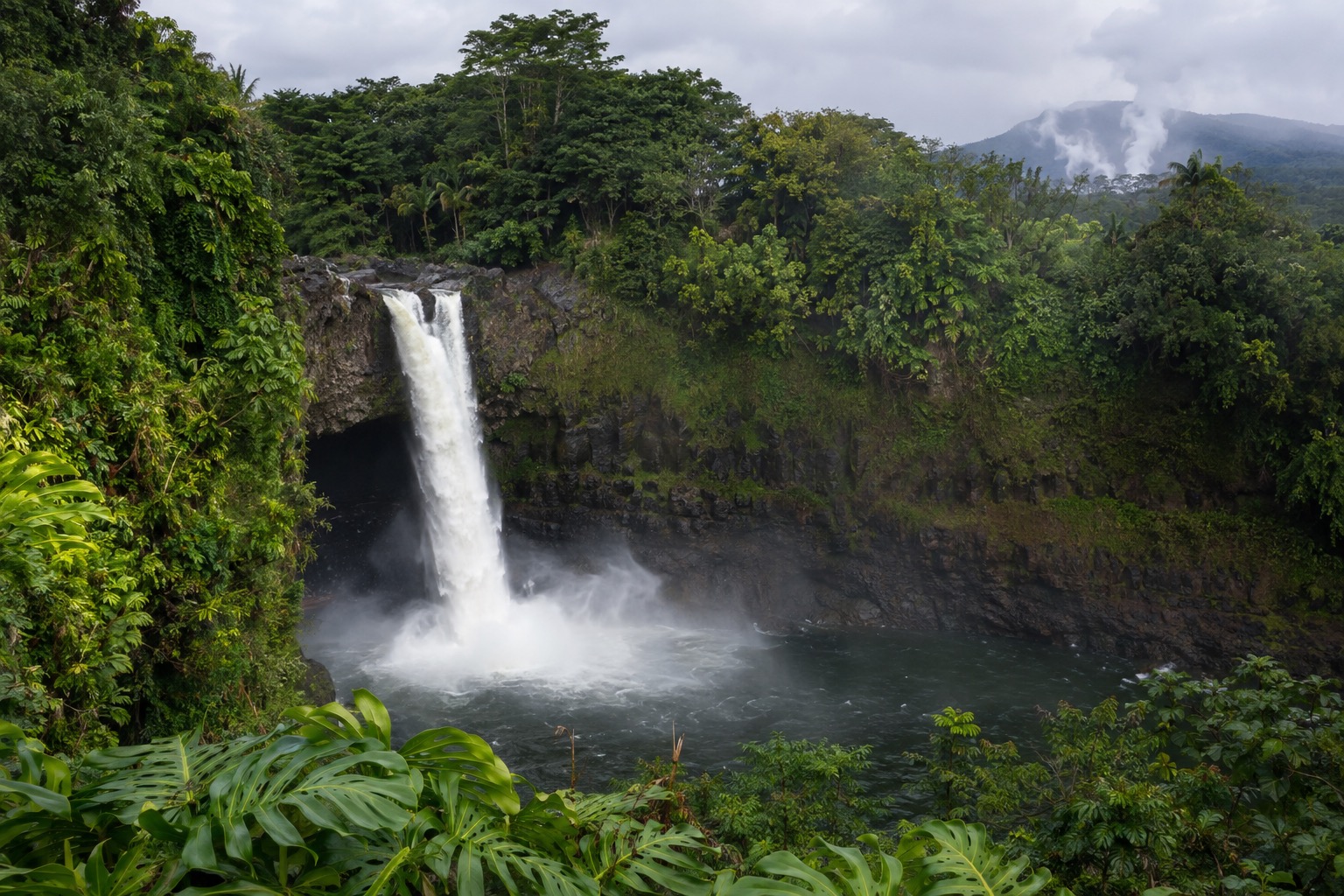
In a rainy month, the two that everyone thinks of first are Rainbow Falls and Akaka Falls, and both are at full flow. You can reach Rainbow Falls in a morning without much trouble since it lies just on the town’s edge, and at times the sun will set a rainbow glowing in the mist.
Along the same coast you can add a botanical garden, a scenic drive and a stop for a snack at a roadside stand. Bring a rain jacket and bug spray, wear shoes with grip, and go early before the afternoon showers. The paths can be slick, so take your time. These outings suit families, garden lovers and anyone who enjoys walking in green, humid air.
Downtown Hilo, the market and the food
The Hilo Farmers Market, with its stalls of tropical fruit, flowers, baked goods and plate lunches, is the heart of the town, and it is liveliest on its main market days. Wander the nearby streets with their historic wooden buildings, small galleries, bookshops and bakeries. Order a bowl of saimin, a plate of loco moco, or shave ice with local syrups, and you taste the town’s mix of Hawaiian, Japanese, Filipino and Portuguese traditions.
Rain suits this part of the day. Museums, galleries and cafés fill the slow afternoons, and the covered market stalls let you browse without getting wet. Pick up orchids, coffee or macadamia nuts as gifts, and ask vendors about the fruit that is in season.
Volcano country and the bay
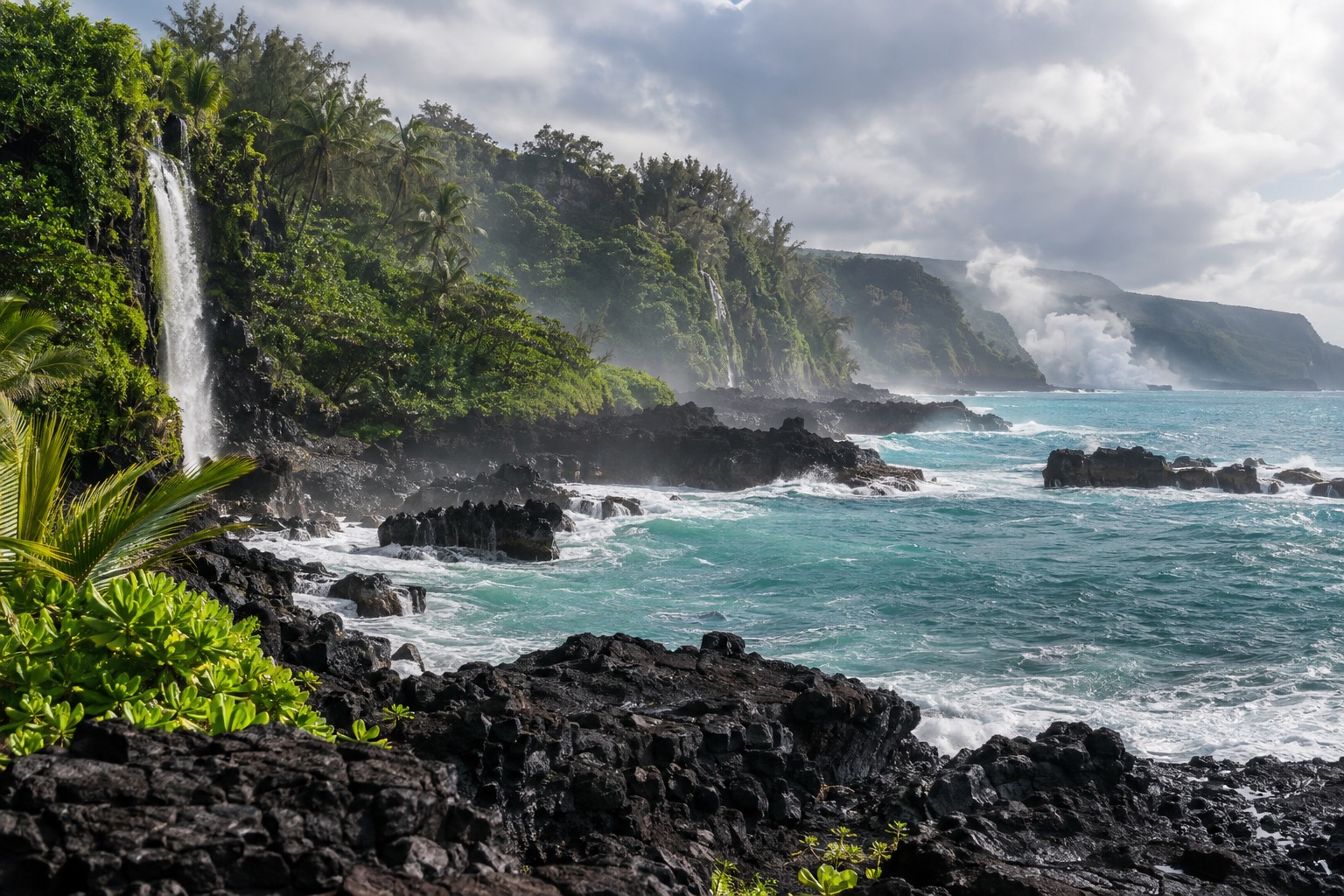
Almost everyone who visits Hilo makes the trip to Hawaii Volcanoes National Park, where Kilauea’s summit offers craters, steam vents and lava fields. The park sits high and is noticeably cooler and often rainy, so bring a layer. Back in town, a walk along Banyan Drive and Lili’uokalani Gardens, with their Japanese-style bridges and views across the bay, makes an easy, free way to spend an evening.
Check the National Park Service notices before you go, as trails and viewpoints can change. Do not step onto sacred stones or wander off marked paths, and keep your distance from any wildlife you meet, such as sea turtles resting on the shore.
A two-day itinerary for Hilo in September
Day 1 starts early with the farmers market, when the stalls are fresh and the air is still cool. Next, take a short drive to Rainbow Falls before the light turns harsh, and afterward wander the streets of historic downtown. For lunch, pick a local plate-lunch spot or a bakery, and spend the early afternoon in a museum or gallery when showers are most likely.
In the late afternoon, walk Banyan Drive and Lili’uokalani Gardens as the light turns golden over the bay. Sunsets are earlier than in summer, with a little over twelve hours of daylight in mid-September, so aim to be on the shore as the sky softens. Dinner can be a casual local place downtown, followed by an early night.
Day 2 heads out on the Hamakua coast for Akaka Falls and a garden stop in the morning, before the afternoon clouds build. Return to Hilo for a late lunch, then use the rainy hours for a coffee tasting or a bookshop browse. If the weather turns heavy, the indoor options of the downtown museums, cafés and shops make a good rain card, and the day can end with a long dinner near the bay.
Is Hilo busy in September?
No, September is one of the quieter months in Hilo, with school back in session on the mainland and the summer family wave behind us. Booking a hotel or a table gets simpler, and you can typically track down a rental car with less trouble than you would in July or December.
Even so, booking ahead is a good habit, especially if you want a specific small inn or a car for a long weekend. Lodging fills earlier around any holiday weekend, including Labor Day at the start of the month, while mid-month dates are typically the easiest. Restaurants downtown are small, so a reservation for dinner helps on weekends.
The town itself feels relaxed, with local life in the foreground. Waterfalls and gardens see fewer people than in peak months, and the market is busy but not packed. Hawaii Volcanoes National Park can still draw visitors on clear days, so an early start there pays off.
What to pack for Hilo in September
Bring layers for a chillier, rainier journey to the volcano, and plan on hot, muggy days with occasional rain showers.
- A light rain jacket, since showers come and go through the day.
- Quick-drying clothes, because humidity keeps things damp.
- Footwear that holds the trail on slick waterfall paths and on lava rock.
- A warm layer for Hawaii Volcanoes National Park, which is cooler at altitude.
- Mineral sunscreen and a hat, for the sun between the clouds.
- Bug spray for garden and rainforest walks.
Good to know before you go
September falls inside the Central Pacific hurricane season, which runs from June 1 to November 30, so keep an eye on forecasts and keep your plans flexible.
| Fee | Amount | Who pays |
|---|---|---|
| State Transient Accommodations Tax | 11.00% | Guests of hotels and short-term rentals |
| County of Hawaii Transient Accommodations Tax | 3% | Guests of hotels and short-term rentals |
Hilo in September vs August and October
If you shift the trip to August, you get somewhat more rain plus the peak of the summer family season, which means fewer rooms and cars to go around. The sea is about the same warmth, and the town feels a bit more crowded around the waterfalls and the market.
October stays just as warm, with a bit more rain than September and the sea unchanged. Crowds around the island shift as the Ironman World Championship in Kona draws visitors to the west side, which can make flights and cars busier even if Hilo stays calm.
If you want the quietest stretch with the least rain of the three, September is the sweet spot. Families tied to the summer break will look to August, and anyone who wants to combine Hilo with the Kona side during Ironman time will choose October.
Is September a good time to visit Hilo?
Yes, for people who enjoy lush scenery, cascades and a laid-back island vibe, and who are fine with packing a rain jacket. Gardeners, hikers, food lovers and anyone wanting a quiet base for the volcano will enjoy it most.
Beach seekers who want long sandy stretches and guaranteed sun should look to the Kona and Kohala coasts, or choose a different part of the year. The moment you get there, get your bearings by visiting the farmers market and strolling beside the bay, then schedule your waterfall and volcano outings based on the forecast. What is special about September in Hilo is the quiet: the falls run full, the gardens glow, the market tables are loaded and the town belongs to the people who live there.
Sources
- NOAA NCEI, monthly normals 1991-2020, station USW00021504, checked September 8, 2026
- Open-Meteo Marine API, average 2015-2024, checked September 8, 2026
- sunrise-sunset.org, sunrise and sunset calculated for the 15th of the month, checked September 8, 2026
- Hawaii Department of Taxation, Tax Announcement No. 2025-03 (Transient Accommodations Tax Law Changes from 2025 Legislative Session), files.hawaii.gov/tax/news/announce/ann25-03.pdf, checked September 24, 2026
- County of Hawaii, Department of Finance, Transient Accommodations Tax (TAT) page, hawaiicounty.gov/departments/finance/transient-accommodations-tax-tat (live returned HTTP 403 on request, read via Internet Archive Wayback Machine snapshot dated August 14, 2026, same official content), checked September 25, 2026
- Hawaii Department of Taxation, County Surcharge on General Excise and Use Tax page, tax.hawaii.gov/geninfo/countysurcharge/, checked September 25, 2026
- NOAA NCEI, monthly normals 1991-2020, station USW00021510
- NOAA NCEI, monthly normals 1991-2020, station USC00511303
- NWS Honolulu / Central Pacific Hurricane Center, « 2026 Central Pacific Hurricane Season Outlook », weather.gov/hfo/hurricaneOutlook2026, checked September 24, 2026