
Before the sun has cleared the ridge above Quepos, the road out of Manuel Antonio is quiet, with only a few pickup trucks and a bus or two sharing the curves above the sea. Heading north along the coast, you drift through oil palm plantations and river valleys toward a patch of forest where scarlet macaws cross the sky at first light. Manuel Antonio makes a good base for a handful of outings, some on foot in the park next door, others a couple of hours up the Pacific highway.
What are the best day trips from Manuel Antonio?
The best day trips are the ones that show you something the beaches of Manuel Antonio do not: a different forest, a river with crocodiles, a surf town, or the park itself explored with a guide. Each of these outings gets its own detailed plan later.
- Carara National Park, a forest of transitional habitat where scarlet macaws are often seen flying at dawn and dusk.
- The Tarcoles River bridge, a well-known place to look down on crocodiles lying on the sandbanks.
- Jaco, the busiest beach town of the central Pacific, for a long lunch, a walk on the sand and a look at the surf scene.
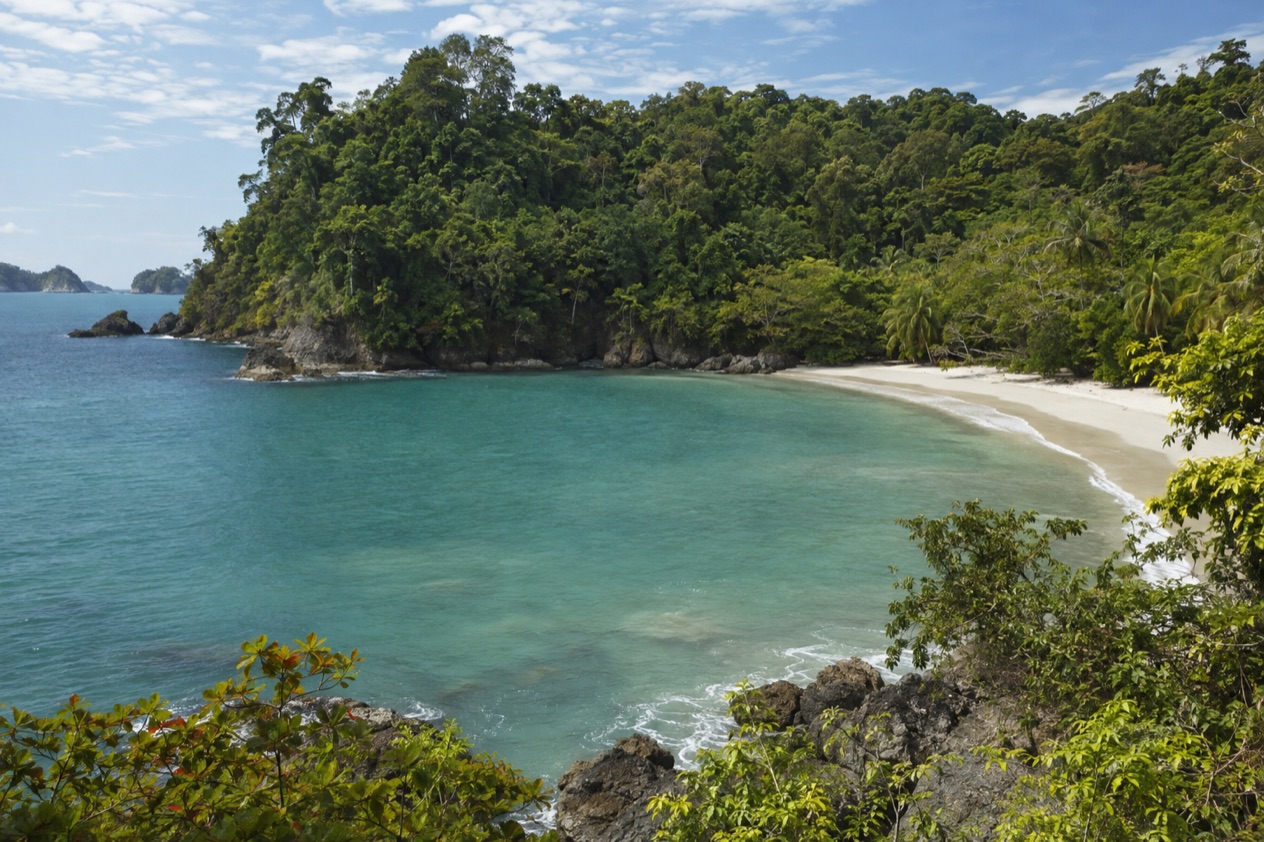
- Manuel Antonio National Park, which is a trip in itself even though it sits at your doorstep, with forest trails and white-sand coves.
- Quepos, the working town at the foot of the hill, for the waterfront, the market and a meal away from the hotel strip.
- Playa Espadilla, the long public beach just outside the park gate, for an unhurried afternoon on the sand.
The best day trips from Manuel Antonio
Manuel Antonio sits roughly in the middle of the Pacific coast route between San Jose and the south, so the longer excursions all go north along the same highway. They combine easily, which is how many travelers end up seeing macaws, crocodiles and a beach town in one long day.
Carara National Park and its scarlet macaws
Carara is the most rewarding day out from Manuel Antonio if birds and forest are your thing. The park sits near the Tarcoles River, about 56 miles from San Jose on the Costanera Sur highway, and its main entrance lies just south of the Tarcoles bridge on the road to Jaco. From Manuel Antonio, start early for the outing.
The forest here is a transition zone between the drier north and the wetter south, which is why the mix of birds and trees feels different from the coastal jungle you left behind. Scarlet macaws are the draw, and they are often seen flying at dawn and dusk, their red, blue and yellow flashing between the canopy. The name Carara means river of lizards in the Huetar language, a nod to the reptiles of the nearby river.
Plan on a morning on the trails, ideally with a naturalist guide who can spot what you would walk past. Macaws are a chance, never a promise, so go for the forest itself and treat the birds as a bonus. Rules for hiking in national parks call for registering with the park, holding an entry permit and using a certified tour operator, so sort that out before you set off.
The Tarcoles River bridge and its crocodiles
Few stops on the Pacific coast are as simple and as startling as this one. The Tarcoles River bridge is a well-known spot to look down from the railing onto crocodiles resting on the mud banks below, some of them very large. It sits a short way from Carara, so the two pair naturally on the same outing, usually with the bridge on the way up or back.
You can look down on the crocodiles from the bridge. Roadside stalls nearby sell fruit and cold drinks, and the view from the bridge is the whole point, so keep your distance from the water and the animals.
Boat trips on the river are offered locally, but you can see plenty from the bridge. It suits families with older children and anyone who wants a story to tell that evening.
Keep your belongings with you rather than leaving them in a parked car, since petty crime is common throughout the country. Stopping on the way back in late afternoon, the light on the river is softer and the birds along the banks are busier.
Jaco, the surf town up the coast
Jaco is about two hours from Manuel Antonio by road, which makes it the farthest of the usual outings and the one with the most of a town feel. It is a long strip of bars, surf shops, taco counters and open-air restaurants running behind a wide, dark-sand beach, with a younger, livelier mood than the park-and-hotel calm of Manuel Antonio.
Come for a late breakfast, a stroll on the beach and a seafood lunch, then watch the surfers at work. Waves can be big here, and rip currents are real on many Pacific beaches, so ask a surf school or your hotel about the day’s conditions, follow any flags, and keep children within arm’s reach.
Jaco works best combined with Carara and the Tarcoles bridge, since all three lie close together along the same highway. That makes a full day, so leave early and count on getting back after dark. It suits travelers who want a change of scene and some nightlife energy, less so those who prefer quiet forest.
Manuel Antonio National Park, with a guide
The park is a short ride from wherever you sleep, which is exactly why many visitors overlook how much it deserves a full day. Forest paths and coves of white sand fill this compact park, where monkeys and sloths frequently show up near the trails. White-faced capuchins, squirrel monkeys, iguanas and raccoons are commonly seen too, and visitors are asked not to feed any of them.
Walk in the morning for cooler air and more animal activity, then rest on a cove in the afternoon. Register with the park, hold an entry permit and use a certified tour operator.
Quepos and Playa Espadilla
Not every day trip needs a long drive. Sitting just north of Manuel Antonio, Quepos serves as the region’s working town, and it offers a waterfront, little eateries where residents enjoy the casado (rice, beans, salad and either meat or fish on a plate), plus shops with a feel that is a world away from the resort strip. Along the one curving road that links Quepos and the park, hotels and rentals rise up the hillside, which means the town is likewise the spot to board a bus heading down to the beach.
The long public beach of Playa Espadilla lies outside the park gate and suits an easy afternoon when you want sand without a trail. Check the flags and ask locally about the surf, because currents on this coast change from day to day. Vendors, loungers and a few beach bars make it a relaxed place to end a day, and the sunset over the water is a good reason to linger.
Day trips from Manuel Antonio compared
| Trip | Time each way | Best for | How to go |
|---|---|---|---|
| Carara National Park | About 2 hours | Birds, forest walks, scarlet macaws | Guided tour or own transport |
| Tarcoles River bridge | About 2 hours | Crocodile viewing from the bridge | Stop on the way to or from Carara |
| Jaco | About 2 hours | Beach town, surf, lunch, nightlife | Drive, shuttle or tour |
| Manuel Antonio National Park | Short ride from your hotel | Monkeys, sloths, coves | Walk or bus from the hill road, ideally with a guide |
| Quepos | Short ride down the hill | Waterfront, local food, bus connections | Bus or taxi |
| Playa Espadilla | Short ride or walk | Long public beach, sunset | Walk, bus or taxi |
If you have only one long day, choose Carara with the Tarcoles bridge, since together they give you forest, birds and crocodiles within a short distance of each other. Add Jaco only if you are happy with a very full day and a late return.
On days when you want less driving, the park and Quepos need no early alarm and leave room for a long lunch. Because the rainy months bring showers on most days, plan the outdoor walks for the morning and keep the town and the beach for the rest of the day.
Tour or on your own?
A tour makes the most sense for the long outings and for anywhere a guide changes what you see. Carara is the clearest case: the national park hiking requirements call for registering with the park, having an entry permit and using a certified tour operator, and a guide also finds the animals you would pass by. A tour also removes the driving, which matters when the day starts before dawn and ends after dark.
Going on your own suits Jaco, Quepos and the beach, where there is nothing to unlock and the pleasure is in wandering. A rental car gives you freedom to stop at the Tarcoles bridge, linger over lunch and leave when you like, but the roads out of Manuel Antonio start with a steep, winding hill, and the drive from Manuel Antonio takes about two hours to Jaco. Local buses connect Quepos and the park along the hill road, which is the simplest way to cover the short trips without a car.
Before you book anything, ask the operator what the tour includes, where it picks you up, how many people share a group, and whether the guide is certified. Ask also what happens if the rain is heavy, since in the wetter months afternoon downpours are common and some outings run better in the morning. Look at the park’s official website to see the latest regulations, since access, admission procedures and rules are subject to change.
A good compromise is to hire a driver or join a shared shuttle for the long day, then use buses and your own feet for everything near the hotel. That way the early start is handled for you, and you keep your evenings free for dinner on the hill with the sea below.
Good to know before you go
The U.S. State Department rates Costa Rica Level 2, ‘Exercise increased caution,’ due to crime; it says petty crime is common throughout Costa Rica and that violent crime also affects tourists, including armed robbery, homicide and sexual assault.
Keep your belongings with you on outings. The wetter months bring rain on nearly every day, so carry a light rain jacket and expect the best light early.
Rip currents are real on many Pacific beaches, so ask locally about conditions and keep children within arm’s reach. Tropical weather can still bring heavy rain to the Pacific coast, so check local conditions before setting out.
Sources
- Costa Rica Tourism Board (ICT), Manuel Antonio National Park (https://visitcostarica.com/where-to-go/protected-areas/manuel-antonio-national-park), checked October 8, 2026
- Costa Rica Tourism Board (ICT), Carara National Park (https://visitcostarica.com/where-to-go/protected-areas/carara-national-park), checked October 8, 2026
- Open-Meteo / ECMWF ERA5, normals 1991-2020 computed for the grid cell at 9.392N 84.1366W, checked October 8, 2026
- U.S. Department of State, Costa Rica Travel Information, Safety and security (https://travel.state.gov/content/travel/en/international-travel/International-Travel-Country-Information-Pages/CostaRica.html), checked October 8, 2026
- U.S. Department of State, Costa Rica Travel Advisory, issued April 1, 2026 (https://travel.state.gov/content/travel/en/traveladvisories/traveladvisories/costa-rica-travel-advisory.html), read via the State Department open data API on October 8, 2026
To plan your stay
- Best Time to Visit Manuel Antonio: Dry Season, Green Season, Sea Temperatures and Festivals
- Where to Stay in Manuel Antonio: Quepos, the Hill Road and the Beach End
- Manuel Antonio in January: Weather, Beaches, Wildlife and a Two-Day Plan
- Manuel Antonio in February: Weather, Beaches, Park Walks and a Two-Day Plan