
Snow keeps falling on the lanes of Hirafu while the lifts are still dark, and skiers in boots clump along toward breakfast with their goggles pushed up on their foreheads. Later, the same people thaw out over bowls of ramen or a hot soup curry, a Hokkaido habit. Niseko is where Japan’s winter sports culture meets a long, snowy season, and this is how the skiing works across its linked resorts, when the snow comes and how to reach the slopes.
What is skiing like in Niseko?
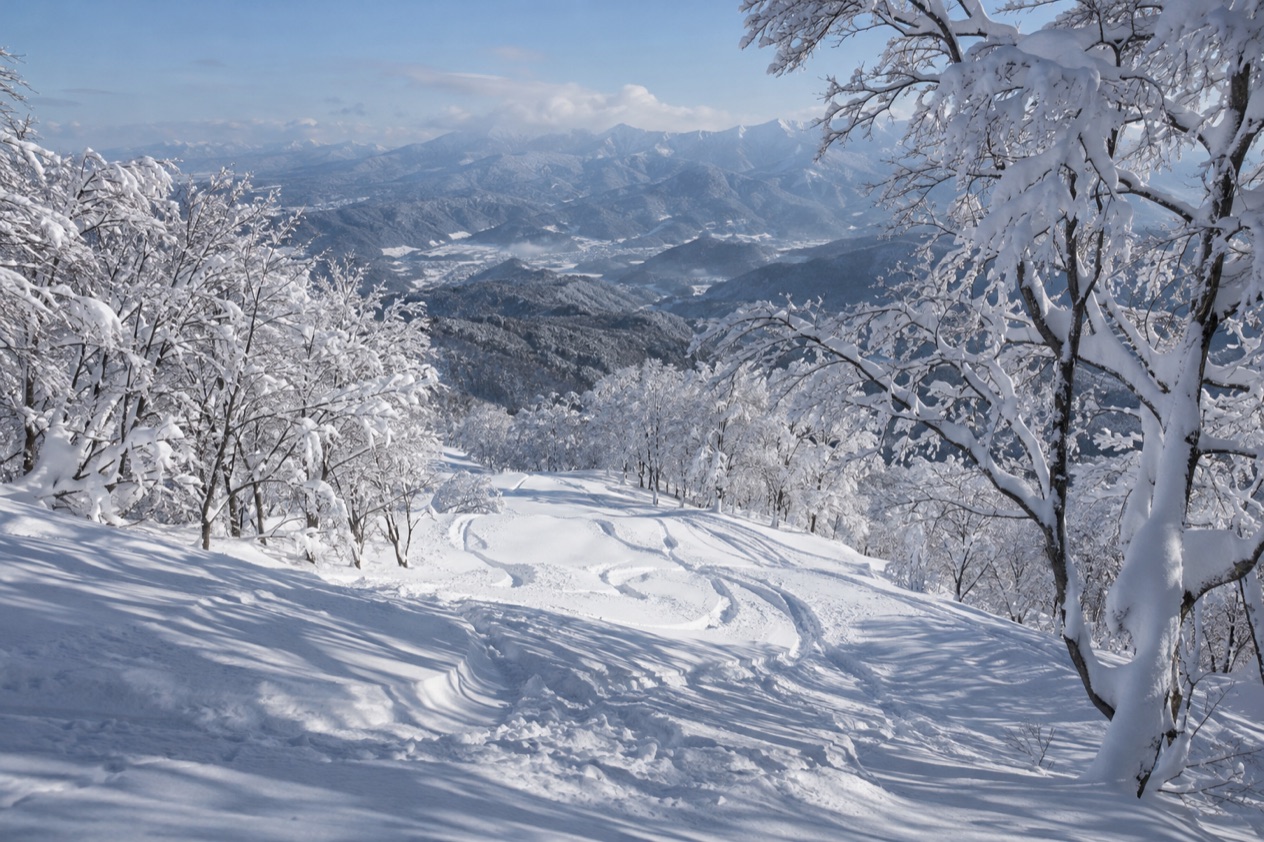
Skiing in Niseko means one big mountain shared by four resorts: Annupuri, Niseko Village, Grand Hirafu and Hanazono. The official website calls it “one mountain four resorts,” and Niseko United has been named Japan’s Best Ski Resort at the World Ski Awards. Japan as a whole is described by the national tourism organization as an ideal destination for winter sports, thanks to the quality of its snow, its infrastructure and its accommodations.
For a visitor, that means you pick a base village for its character and then ski across the whole area. The villages differ in feel, from the lanes of restaurants and bars around Hirafu to the quieter slopes of Annupuri, and your evenings follow whichever one you choose.
Four resorts, one mountain
Annupuri sits on the eastern part of the Niseko volcanic group, and its summit is the high point that gives the whole range its profile. Grand Hirafu is the resort district with the most going on after the lifts close, and Hanazono and Niseko Village complete the set. Together they share the Niseko United trail map, which covers all four.
Much of the Niseko range lies inside the Niseko-Shakotan-Otaru Kaigan Quasi-National Park, so the slopes are cut into a landscape of volcanic peaks and forest rather than a purpose-built ski bowl. Between runs, the views take in the other peaks of the group, whenever the clouds allow it.
Reading the mountain: trail map and live status
The trail map is the first thing to open, because it shows how the four resorts connect and lets you plan a day that crosses from one to another. Niseko United also posts live lift and weather status reports for every resort on its website, so you can see what is running before you leave your lodging.
Snow conditions change from one resort to the next, and the status reports are the place to compare them. Anyone with a flexible plan can use them to decide which side of the mountain to start on.
The Niseko Rules and the backcountry
The terrain beyond the controlled ski-area boundaries on Annupuri is governed by the Niseko Rules. It may be reached only through designated gates, and crossing the boundary ropes, or going into the backcountry while the gates are closed, is prohibited.
Niseko United publishes avalanche information on its website, which is the place to read about conditions beyond the groomed runs. Many skiers simply stay inside the boundaries, where the trail map shows the way.
After the lifts close
A ski day in Hokkaido tends to end with food and hot water. Izakaya, Japanese pubs with small plates, fill the lanes of the base villages, and ramen shops serve bowls of broth to cold hands. Hot springs, the onsen, are a habit of the region, and soaking after a day on skis is the natural finish.
Hokkaido is also known for dairy, seafood and potatoes, which show up on menus as butter-rich dishes, grilled scallops and croquettes. Evenings feel unhurried, with the snow still falling outside the windows and boots lined up at the door.
When is the season?
The snow season in Niseko centers on December, January, February and March, the months for which the climate figures at Kutchan, the nearest main weather point to Niseko, show cold air and steady snow. Over a full year, Kutchan collects about 363 inches of snow, and most of it falls in the heart of winter.
| Month | Average high (°F) | Average low (°F) | Precipitation (in) | Snowfall (in) | Days with snow or sleet | Sunshine (hours) |
|---|---|---|---|---|---|---|
| December | 32.0 | 19.8 | 8.57 | 99.6 | 28.9 | 39 |
| January | 28.4 | 14.7 | 7.26 | 99.6 | 30.7 | 47 |
| February | 30.2 | 15.1 | 5.09 | 73.6 | 27.0 | 65 |
| March | 37.4 | 21.7 | 3.87 | 48.0 | 24.4 | 121 |
December and January
In December, snow or sleet falls on nearly every day, and the sun barely shows. January is the coldest of the four months, with highs that stay below freezing.
Expect gray skies, falling snow and the kind of cold that makes a hot drink on the lift line welcome. Warm layers matter, as does a way to dry gloves overnight. The villages look their most wintry, with snow piled along the lanes and lights glowing through it.
February
February is still deep winter, with snow falling on most days, though total snowfall is lower than in the two months before it. Sunshine hours climb, so more days include a break in the clouds. Lows stay well below freezing, so the cold remains part of the day.
With a little more light, views across the volcanic peaks open up more often between storms. It is a month for skiers who want winter conditions with some chance of sun.
March
March is noticeably milder, with highs above freezing, less precipitation and far more sunshine. Snow still falls on most days, but the amount drops, and the light is brighter than at any point in the winter.
Afternoons feel less harsh, and the mountain has a more spring-like mood. Layers still matter, since the lows stay below freezing.
When the snow melts
When the snow goes, Niseko turns to green-season activities: rafting, hiking, mountain biking, road cycling, fishing, golf and paddling. The Shiribetsu River is particularly associated with rafting and fishing. The same mountains that hold skiers in winter become trails and river routes.
How do you get there and what does it cost?
You can reach Niseko by shuttle bus, car, train or bus, and the cost on the mountain comes down to your lift pass. The Niseko Tourism Zone, as the government recognizes it, comprises three municipalities: Kutchan, Niseko and Rankoshi, and the ski villages sit within that area.
By train, bus and shuttle
The principal railway gateway for the Hirafu resort district is Kutchan Station. From there, buses and taxis connect with the ski areas, so the train ride ends with a transfer to the slopes.
Shuttle buses and regular buses are the other public options listed for reaching Niseko. Which one fits depends on where you are coming from and where you are staying, and the resort villages are the final stop either way.
By car
Driving is the fourth option for reaching Niseko, and it puts the timing in your hands. The villages share a trail map, which makes it simple to ski between resorts and return to the lodging you chose.
Lift passes and what they cover
Niseko United sells lift passes online, and its website encourages visitors to buy them there to skip the lines and save money. An All Mountain Season Pass is valid across all four resorts. Niseko United is also part of the Mountain Collective Pass program, which matters to skiers who already hold that pass.
Subscribers to the Niseko United newsletter are entered to win a 5-day All Mountain Pass. Prices are set by Niseko United and are posted on its website.
Good to know before you go
Winter at Niseko is cold and snowy, so dress in warm layers and check conditions before heading up. Niseko United posts live lift and weather status for every resort, and it publishes avalanche information on its website. Backcountry gates on Annupuri are covered by the Niseko Rules. Yen amounts for passes are set on the official website and are not rounded or converted here, so read them there before you plan a budget.
Sources
- Japan National Tourism Organization, skiing and snowboarding in Japan: regions, resorts, seasons (https://www.japan.travel/en/sports/snow/), checked October 11, 2026
- Niseko United, winter (https://www.niseko.ne.jp/en/winter/), checked October 11, 2026
- Wikipedia, Niseko (https://en.wikipedia.org/wiki/Niseko), checked October 11, 2026
- Japan Meteorological Agency (JMA), Normal values 1991-2020, monthly (https://www.data.jma.go.jp/stats/etrn/view/nml_sfc_ym.php?prec_no=16&block_no=47433), station Kutchan, elevation 176 m, checked October 11, 2026