
On a Hokkaido winter morning the talk at the lift base turns to wind: which chairs are turning, which have slowed, which are waiting. Kiroro is a resort built around its lifts and its snow, and it is run with the habits of a place that expects weather.
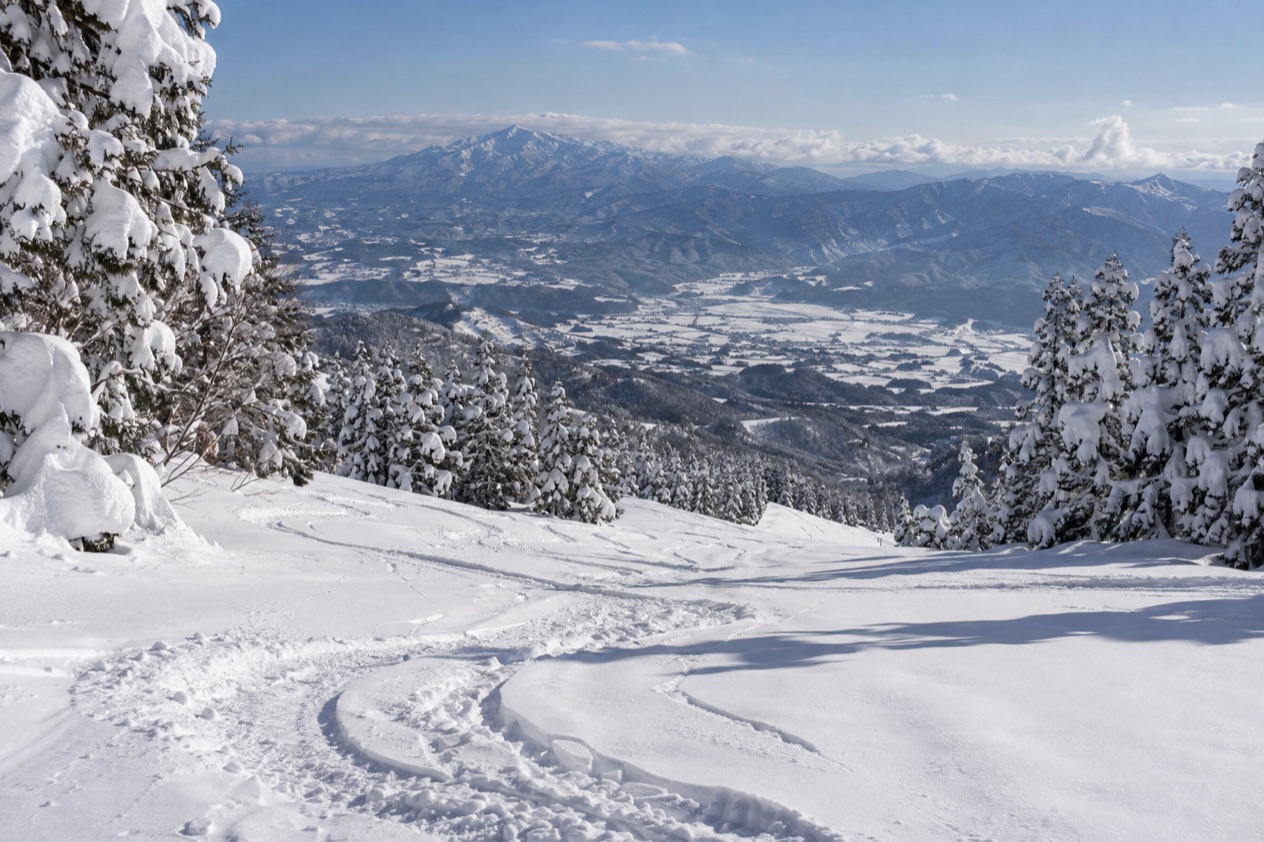
What is skiing like in Kiroro?
Skiing in Kiroro is resort skiing on Hokkaido snow, organized around a set of named lifts and a resort that invites you to come for the powder. The resort has promoted its season pass under the banner of Kiroro Snow World, and that name sums up the idea: a mountain where the day is measured in laps, not in sightseeing stops.
Japan as a whole is presented by the Japan National Tourism Organization as an ideal destination for winter sports, because of the quality of its snow, its infrastructure and its accommodations. Kiroro sits inside that picture, alongside other Hokkaido names the organization recommends, such as Sahoro, Rusutsu and Hoshino Resorts Tomamu. If you are building a Hokkaido ski trip, those are the neighbors in conversation.
The lifts you will hear about
Kiroro’s mountain is described by its lifts: the Kiroro Gondola, the Asari No.1 Lift, the Asari No.2 Express, the Yoichi No.1 Express, the Yoichi No.2 Lift and the Center Express. Names like Asari and Yoichi tell you the mountain is split into zones, and a lift map is the first thing worth studying once you arrive. Skiers tend to plan the day by which of these chairs and cabins are turning.
The resort’s own notices show how much the wind matters. On the last update of April 13, 2023, the Yoichi No.1 Express was open but running at reduced speed because of strong winds.
On that same day the Gondola, the Asari No.1 Lift, the Asari No.2 Express, the Yoichi No.2 Lift and the Center Express were all closed. It is a snapshot of one spring day, and it shows that lift status can change from one hour to the next on a Hokkaido mountain.
Season passes and the resort’s habits
For the 2022-23 winter, Kiroro offered an early bird season pass, a sign that the resort courts people who plan to ski many days rather than one. Resorts of this kind generally reward early commitment, and a pass is a topic for anyone staying a while in Hokkaido.
Kiroro also ran under an enhanced set of COVID-19 protocols, published as the Kiroro Resort Cares notice. Resort notices like this one are the place where rules for staff and guests were announced, and the resort’s own announcements remain where lift status and operating changes appear.
After the lifts stop
A Hokkaido ski day usually ends the same way across resorts: boots off, something hot in a bowl, a soak if there is a bath nearby. Ramen, curry rice and miso soup with pork are the comfort foods of cold-weather Hokkaido, and a plate of grilled seafood or a bowl of rice topped with scallops fits the island’s reputation for what comes out of its waters. Expect the evening to be about warmth, not nightlife.
When is the season?
The season is the Hokkaido winter, with the deepest snow in the middle of it, and the resort itself closes through its green season and reopens when winter returns. In 2022, Kiroro Resort closed for the green season and was set to reopen in winter, which is the rhythm of a place that does not run its lifts on bare slopes.
Its readings show the shape of a Hokkaido winter month by month, not the exact conditions on Kiroro’s slopes, which sit higher and have their own weather.
| Month at Kutchan | Average high (°F) | Average low (°F) | Snowfall (inches) | Days of snow or sleet | Sunshine (hours) |
|---|---|---|---|---|---|
| December | 32.0 | 19.8 | 99.6 | 28.9 | 39 |
| January | 28.4 | 14.7 | 99.6 | 30.7 | 47 |
| February | 30.2 | 15.1 | 73.6 | 27.0 | 65 |
| March | 37.4 | 21.7 | 48.0 | 24.4 | 121 |
December and January: the snowiest months
December and January bring the heaviest snowfall in the table, with snow or sleet falling on nearly every day. Highs hover around freezing and lows go well below it, so these are months of dry, cold air, thick layers and short, gray daylight hours. The sun barely shows, which suits people who care about snow more than views.
February and March: more light, less snow
February still snows on most days, but the total eases and the sun shows up more. By March the afternoons soften, the sunshine hours climb and the snowfall drops by about half from midwinter. Spring conditions bring wetter snow, and the April 13, 2023 notice, with most lifts closed on that day, reminds you that the end of the season on a Hokkaido mountain arrives with wind and changing operations.
How do you get there and what does it cost?
Kiroro is reached as a resort in Hokkaido, and the costs are the usual ones for a ski trip: lift access, lodging and meals, with a season pass for those staying long. The resort’s own channels are where routes, fares and lift tickets are published, and the pieces that we can describe are the ones tied to the mountain itself.
Lift access and passes
The lift system is what you are paying to use, and the resort’s early bird season pass for 2022-23 shows how it packages repeated days of skiing. Since lifts can slow or close in wind, as the Yoichi No.1 Express did on April 13, 2023, the value of a day also depends on the weather.
Staying at the resort
Kiroro is described as Kiroro Resort, and the resort has offered notices to its guests under its Kiroro Resort Cares announcement. Japan’s winter sports reputation rests partly on its accommodations, and the Japan National Tourism Organization cites them alongside snow quality and infrastructure. Staying on site fits the way a ski resort works: the lifts, the meals and the bed are all part of one operation.
If you compare Kiroro with Sahoro, Rusutsu or Hoshino Resorts Tomamu, the tradeoffs come from the mountain and the resort around it, and those are worth reading on each resort’s own pages before you decide where to spend your days.
Good to know before you go
Winter in this part of Hokkaido means cold, damp air, snow on most days and little sun in midwinter, so waterproof layers and warm boots matter more than anything fashionable. Lift operations depend on wind, and the resort’s own notices are where closures and slowdowns are posted, as they were for the Gondola and several chairs on April 13, 2023. Carry a little patience for changing plans on a storm day, and keep the evening simple: a hot meal and an early night.
Sources
- Japan National Tourism Organization, skiing and snowboarding in Japan: regions, resorts, seasons (https://www.japan.travel/en/sports/snow/), checked October 11, 2026
- Kiroro Ski Resort (https://www.kiroro.co.jp/en/), checked October 11, 2026
- Japan Meteorological Agency (JMA), Normal values 1991-2020, monthly (https://www.data.jma.go.jp/stats/etrn/view/nml_sfc_ym.php?prec_no=16&block_no=47433), station Kutchan, elevation 176 m, checked October 11, 2026