
At the foot of a Hakuba lift, skis slot into racks beside a noodle shop, and skiers compare which mountain to ride next. The question comes up every morning in a valley made of many resorts. The short answer is that Hakuba Valley is a big, varied ski area where long groomed runs suit beginners and intermediates, and one lift ticket opens most of the mountains.
What is skiing like in Hakuba Valley?
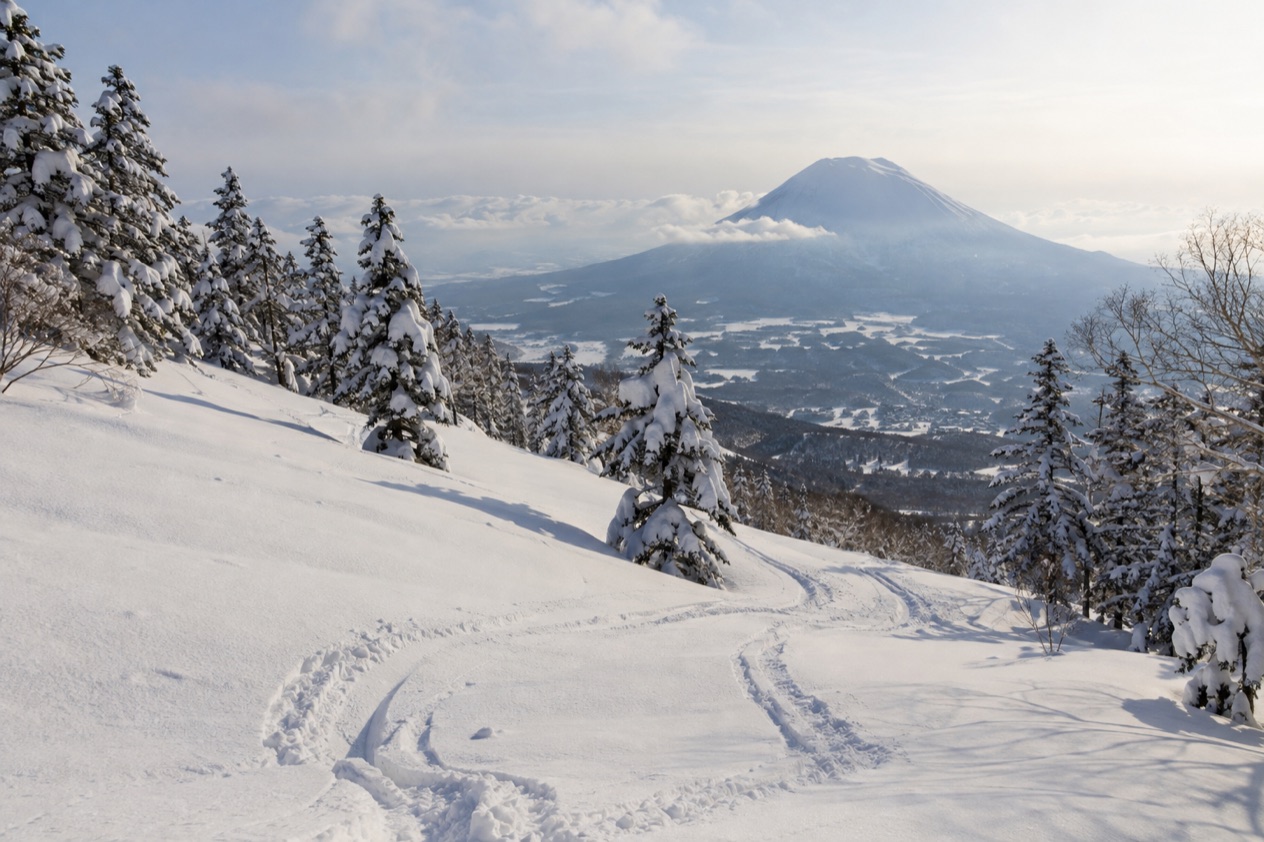
Skiing in Hakuba Valley means a cluster of ten resorts spread across the Hakuba area, with more than 200 runs between them and a snow reputation that Japan’s national tourism board rests on. Hakuba is generally suited to beginners and intermediates, with many long groomed runs and fall lines that let you link turn after turn without stopping. Other kinds of skiing exist here too, but the valley’s character is the cruise: wide corduroy in the morning and a long run down to the base.
The valley belongs to three municipalities, Hakuba Village, Omachi City and Otari Village, so a day on skis can cross administrative lines without you noticing. The mountains themselves sit in the eastern foothills of the Hida Mountains, in the northern part of the Japanese Alps, and the range forms the backdrop to nearly every base area.
One valley, many mountains
The resorts are mostly separate mountains rather than one linked circuit. The slopes connect only between Hakuba 47 and Goryu, and between Cortina and Norikura. Everywhere else you move between areas by free shuttle bus, and a common lift ticket covers the access.
In practice this shapes how you plan a stay. Pick a base you like, ski its mountain for a day or two, then use the shuttle to try a neighbor. Skiers who want to cover ground without a bus can stay on the linked pairs, where one day easily fills with lap after lap across two mountains.
The longest cruise and the big numbers
Among the ten resorts there is a long cruising run, and it is the sort of descent people talk about over dinner. It is the clearest picture of what the valley does well: sustained, flowing terrain that rewards a relaxed pace.
| Feature | Figure |
|---|---|
| Ski resorts in the valley | 10 |
| Runs across the valley | More than 200 |
| Longest cruising run | 8,000 meters |
| Altitude of the valley floor in summer | 700–800 meters |
An Olympic valley, on and off the slopes
Hakuba was a main venue for the 1998 Winter Olympics, hosting the alpine, ski jump and cross-country events. That history is still visible.
The Hakuba Ski Jumping Stadium has both a 90-meter and a 120-meter hill, and in winter athletes come to test themselves there.
Off the snow, a Nagano ski day tends to end the same way: boots off at the door, a bowl of soba or ramen, and a soak in an onsen (a hot-spring bath) while your legs settle. Oyaki, the stuffed dumplings of Nagano Prefecture, are a snack worth looking for between runs.
When is the season?
Hakuba is a winter destination built on deep, reliable snowfall, and the valley’s character changes completely once the snow melts.
How much snow the valley gets
Japan’s tourism board calls the country an ideal destination for winter sports because of the quality of its snow, its infrastructure and its accommodations, and Hakuba is a clear example. The valley receives a large annual snowfall, and one recent winter set a record for the most snow in a single season.
| Snowfall | Amount |
|---|---|
| Average annual snowfall, Hakuba Valley | 258 inches (655 cm) |
| Record winter, 2024–25 | 782 cm |
A figure like that tells you what to expect in character, not in a promise. Winters here are snowy, but any single week can bring fresh powder or a stretch of clear, hard-packed days. Pack for both and treat the snow report as a day-to-day matter.
What the valley does when the snow is gone
Hakuba is also a summer vacation area, set at an altitude of 700 to 800 meters, with hiking, rafting, paragliding and mountain biking. The same slopes that carry skiers turn into green hillsides, and the village keeps a steady rhythm of outdoor visitors.
Hakuba is the starting point for trekking Mount Shirouma and Mount Goryu, two of the One Hundred Mountains of Japan. Those climbs belong to the warm months, so a winter trip is about the lifts and a summer trip is about the trails. If you want to see the valley both ways, the contrast is large.
Choosing your weeks
With ten resorts and a shared lift ticket, you can adapt a trip to the conditions rather than to a single mountain. If one side of the valley is flat and cloudy, a shuttle ride to another area gives you a different view of the day. The ski jumping stadium and the onsen are good fallback plans when the weather turns.
How do you get there and what does it cost?
You reach Hakuba by rail on the East Japan Railway Company’s Oito Line or by road on National Routes 148 and 406, and the lift ticket is the part that shapes your costs once you arrive. The valley offers an all-mountain day pass, and a common lift ticket works across resorts that are not linked by slope.
By rail on the Oito Line
The Oito Line serves the valley with several stations: Minami-Kamishiro, Kamishiro, Iimori, Hakuba and Shinano-Moriue. Each station sits at a different point along the valley, so the one you choose depends on where your lodging and your chosen mountain are.
Hakuba station gives its name to the village, but the others serve the neighboring stretches, so it pays to check the station nearest your inn before you travel.
By road
National Routes 148 and 406 provide highway access to Hakuba. They run through the valley and tie the three municipalities together, so a driver or a bus passenger arrives on the same roads that skiers use between resorts in the winter.
Lift tickets and the all-mountain pass
The all-mountain day pass is the key to the valley, because it lets you range across the ten resorts rather than commit to one. Together with the free shuttle buses between areas, it turns the valley into one ski region even though most of the mountains are not joined by lifts.
That arrangement suits skiers who like variety and want to follow the snow, the sun or the lunch spot. If you prefer to stay on one mountain, the linked pairs, Hakuba 47 with Goryu and Cortina with Norikura, let you cover more terrain without leaving the slopes.
Good to know before you go
A ski day in Hakuba tends to end in an onsen, where the habit is to wash thoroughly before stepping into the shared bath, and where boots and shoes come off at the entrance of most inns. Mountain weather in the Japanese Alps can change quickly, so a layer you can add or remove goes a long way across a day that starts at the base and climbs high. Shuttle buses carry you between resorts, which makes it easy to end the day at a different area from the one where you began.
Sources
- Japan National Tourism Organization, skiing and snowboarding in Japan: regions, resorts, seasons (https://www.japan.travel/en/sports/snow/), checked October 11, 2026
- Wikipedia, Hakuba, Nagano (https://en.wikipedia.org/wiki/Hakuba,_Nagano), checked October 11, 2026
- Hakuba Valley (https://www.hakubavalley.com/), checked October 11, 2026