
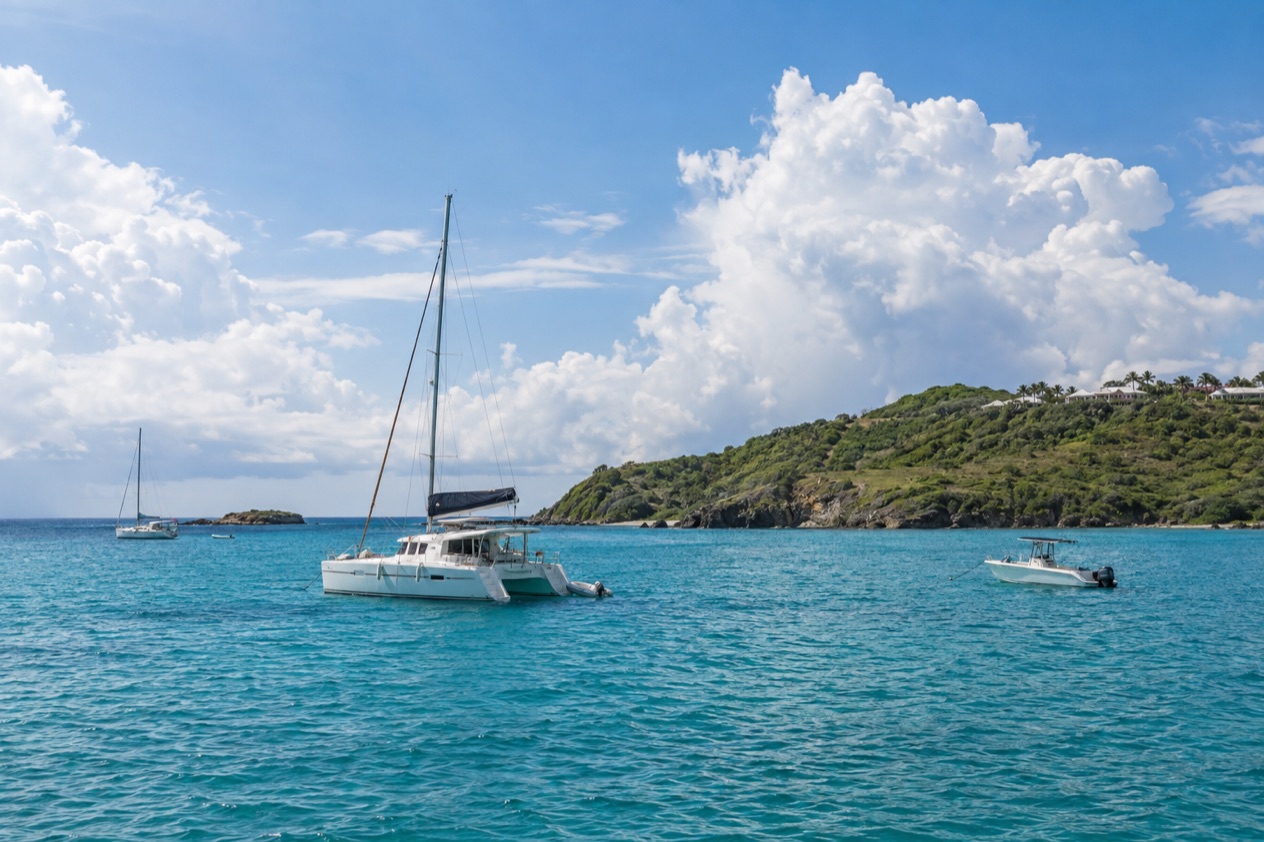
On a July morning in Fajardo, the marina wakes up early: halyards clinking against masts, pelicans sitting on the pilings, and catamaran crews hosing down decks before the first guests arrive. The sun is already strong by nine, the trade wind keeps the harbor from feeling airless, and the cays offshore sit low and green on the horizon. July here is a month for boats, white-sand beaches and warm water, with a few evenings set aside for a night paddle on a glowing lagoon.
What is the weather like in Fajardo in July?
July in Fajardo is hot, humid and sunny, with short rain showers that pass quickly and a sea as warm as the air is hot. For a traveler, this feels like the east coast about seven miles south of Fajardo, so it describes the area around the marina rather than the marina itself.
| Month | Average high (°F) | Average low (°F) | Rain days | Sea (°F) |
|---|---|---|---|---|
| June | 88.1 | 77.3 | 7.4 | 85.8 |
| July | 88.8 | 77.3 | 10.2 | 85.7 |
| August | 89.1 | 77.6 | 8.9 | 86.2 |
Mornings are the best hours of the day. The air carries warmth without weight yet, sunlight falls sharp across the water, and a beach or the deck of a boat stays pleasant through much of the late morning. By early afternoon the sun feels strong and the humidity settles in, so shade, a hat and a cold drink become part of the plan.
Rain usually comes as a brief shower, often in the afternoon, and then the sun is back. Now and then a heavier downpour sets in, though a full day of rain is the exception. The northeast corner of the island catches the trade-wind showers more than the dry southwest, so a rain jacket that folds small is useful, but most days you will be in sunscreen rather than rain gear.
Nights stay warm, so a thin shirt is enough for dinner on a waterfront terrace. Daylight lasts about thirteen hours, giving you time for a morning out on the water and an easy evening on shore. Lightweight, quick-drying clothes work best.
Can you swim in Fajardo in July?
Absolutely, you can take a long swim in that sea without feeling any cold, not even at the very start of the day. That sea temperature comes from marine records for the waters off Fajardo and runs close to bathwater for most of the day.
Where you swim matters more than the temperature. For a white-sand beach and snorkeling, the offshore cays, Icacos most of all, remain the classic pick, and boats from the marina get you there.
Since the water can shift daily and differ from one stretch of sand to another, check with the crew about sea conditions before you head in. A favorite spot for families, Luquillo’s beach sits along the coast road heading toward San Juan, where food kiosks stand right behind the sand.
The northeast coast faces the Atlantic, so some stretches can have waves or currents on any given day. If a lifeguard, a sign, or a flag offers guidance, do what it says. If you have a snorkel mask, pack it, plus a rash guard for extended sun exposure, water shoes for stony entries, and sunscreen, which requires reapplication more frequently than you may expect.
What to do in Fajardo in July
Fajardo is a marina town, and July suits what it does best: getting out on the water. Warm water, long daylight, and early departures mean the plan writes itself. Spend the mornings on a boat or a beach, the hot middle of the day in the shade, and the evening by the harbor. Late July is also a time when Puerto Rico’s festival calendar picks up elsewhere on the island, with the Santiago Apostol festival in Loiza usually held in the last part of the month, a reasonable drive west along the coast for travelers who want masks, drums and street music.
A day at the cays: Icacos and the sailing trips
A white-sand beach and snorkeling make tiny, people-free Icacos, a cay just off Fajardo, a classic day trip. From the marina area, catamaran and sailing outings depart, and a typical day includes a sail out, hours in the water, and a return under sail with wind on your cheeks. Some trips make a second stop at another cay or a reef.
July works well for this since the ocean stays warm and daylight stretches on, which means you never feel hurried about returning. Go with a morning departure, when the water is usually as inviting as it gets and the sun not yet at full strength.
Couples, families with older kids and sets of friends all find these trips a good fit. Bring a towel, a hat, a reusable water bottle and sunscreen, since shade on a small cay is limited.
Lunch is often part of the boat day, and on the water it tends to be simple: grilled chicken, rice, cold drinks and fruit. If the sea looks rough or the sky turns dark, crews may change the route, so keep your plans loose and ask them in the morning.
Night kayaking in Laguna Grande
Inside the Las Cabezas de San Juan Nature Reserve near Fajardo sits Laguna Grande, one of the three bioluminescent bays in Puerto Rico. Most people go there after dark in a kayak led by a guide. You paddle through a mangrove channel in the dark, and when the water is disturbed, tiny organisms may light up around the paddle and trail behind the boat in a bluish glow.
You will see the glow best on a dark night with no moon, which means your best odds come around the new moon, though a bright full moon will wash it out. It is a chance, not a promise, and even on a good night the glow varies.
Expect warm, humid air and a few mosquitoes along the channel, so bring insect repellent and wear a light, quick-drying shirt. The experience suits adventurous families and couples, and it is most memorable if you book a tour that fits your arrival date.
Luquillo kiosks and the road to El Yunque
Heading from San Juan toward Fajardo, the coastal highway passes Luquillo beach and the row of food kiosks beside it, close to the turnoff for El Yunque. What makes the kiosks such a good time is the food: alcapurrias (fried fritters of mashed plantain and taro with meat inside) and empanadillas, plus grilled fish, coconut water and cold beer, enjoyed beneath an awning where the sea breeze does the work of air conditioning.
It makes an easy half day on the way to or from the airport, with a swim before lunch and a slow stop afterward. Because the rain forest of El Yunque is nearby, some travelers pair the beach with a green, humid walk, though the mountain makes its own weather and showers are common in the afternoon. Go in the morning for a cooler start and a better chance of dry hours.
Back in town, evenings belong to the waterfront. Seafood restaurants near the marina serve whole fried fish, conch salad, mofongo (mashed fried plantain with garlic) and plenty of rum drinks. Locals often finish the evening with piraguas, shaved ice with fruit syrup, a good answer to a hot July night.
A two-day itinerary for Fajardo in July
Day 1 is the boat day. Be at the marina early, since the best hours on the water come before the afternoon heat and the showers. Sail out to Icacos or a neighboring cay for a morning swim and snorkel, and eat lunch aboard or on the sand. Head back in the middle of the afternoon, when the sun is strongest, and rest in the shade or in an air-conditioned room.
As the sun goes down, stroll along the water and pick a seafood spot for your evening meal. Order fried fish or a plate of mofongo, then finish with a piragua. If the new moon is near and you have booked a tour, an evening kayak in Laguna Grande can take the place of a long dinner.
Day 2 starts with the coast road toward Luquillo. Swim in the morning, when the beach is quiet, then eat at the kiosks, with fritters, grilled fish and coconut water. If the sky is clear, continue toward the El Yunque turnoff for a short forest visit in the early afternoon, before the usual showers.
If the weather turns, keep the day indoors with a long lunch at a covered kiosk or a restaurant, and use the gray hours for a slow drive along the coast. Showers in July are normally short, so waiting one out with a coffee often costs only an hour. Return to Fajardo for a last dinner by the harbor.
Is Fajardo busy in July?
Yes, July is a busy month on the water, because school is out for many American families and Puerto Rican families alike. Boat trips, beach days and the kiosks at Luquillo draw the biggest crowds on weekends and around the Fourth of July, while weekdays are noticeably calmer.
The harbor area fills with day-trippers, and catamaran trips to the cays can sell out on the best days. Rooms near the marina and rental cars are easier to find well ahead of time, so book early if your trip includes the Fourth of July week or a weekend. Restaurant tables by the water get tight on weekend evenings, while midweek you can often walk in.
Night kayak tours to Laguna Grande tend to be most in demand around the new moon, so reserve those first and plan the rest of the trip around them. For the boat day, a weekday morning gives you more space on the cay and a calmer harbor. Early planning helps most for the holiday weeks, and the quieter stretches later in the month leave more room to be spontaneous.
What to pack for Fajardo in July
Pack for sun, salt water and the odd shower, and keep everything light.
- A wide-brimmed hat and sunscreen, since the sun over the water stays strong throughout the day.
- For extended stretches aboard the boat and in the ocean, bring a swimsuit and a rash guard.
- Bring water shoes for the kayak launch and for rocky entries.
- A light rain jacket, for the brief afternoon showers.
- Insect repellent, for the mangrove channel at night.
- A dry bag for phone and wallet, for boat days.
Good to know before you go
July falls within the Atlantic hurricane season, which runs from June 1 to November 30, with the peak coming later, around September. As you make your plans, watch the National Hurricane Center and alerts from local officials, and stay prepared for forecasts that can change quickly.
Boat trips can be changed or canceled when the sea is rough, so keep your schedule flexible and have an indoor option ready. With a rental car, the coastal route to Luquillo and El Yunque is simple to navigate, yet the public ferries for Culebra and Vieques depart from Ceiba, a quick drive south of Fajardo, rather than from the marina town itself.
Fajardo in July vs June and August
Moving the trip to June gives you slightly fewer rain days and a sea that is about the same warmth. The days are a touch cooler, school vacations are only beginning, and the cays and kiosks are a little less crowded. The hurricane season has just started, and the peak is still far off.
August is a shade hotter, and the sea reaches its warmest. The rain is a bit less frequent than in July, but the heat feels heavier and the humidity stays high. The crowds begin to thin as schools reopen toward the end of the month, though the hurricane season moves closer to its peak, so keep an eye on the forecast.
Choose June if you want a quieter harbor and a lighter schedule. Stay with July if you want the long days and the festival season on the island, including the late-month Santiago Apostol festival in Loiza. Pick August if the warmest water matters most and your dates are flexible.
Is July a good time to visit Fajardo?
July works well for travelers eager to be out on the water all day and unfazed by the heat. It suits families on school break, snorkelers, couples looking for a day on a cay, and anyone who likes eating fried fish with a view of the boats.
It is a weaker choice for people who dislike humidity, want a quiet harbor, or need guaranteed dry days. Showers pass quickly, but the heat does not leave. If you are sensitive to the sun, plan your outings for the mornings and take the afternoons slowly.
On arrival, book the boat trip to the cays first, then look at the moon calendar and reserve the Laguna Grande paddle for a dark night. What makes July in Fajardo special is the warm sea, the long days and a bay that may glow beneath your paddle after dark.
Sources
- NOAA NCEI, monthly normals 1991-2020, station RQW00011630 (Roosevelt Roads (Ceiba)), checked October 8, 2026
- Open-Meteo Marine API, average 2015-2024, checked October 8, 2026
- sunrise-sunset.org, sunrise and sunset calculated for the 15th of the month, checked October 8, 2026
- NOAA National Hurricane Center, Climatology (https://www.nhc.noaa.gov/climo/), checked October 8, 2026
To plan your stay
- Things to Do in Fajardo: Bioluminescent Bay, Icacos Cay, Beaches and Day Trips to Culebra
- Where to Stay in Fajardo: Marina Town, Reserve Villages, Luquillo and Ceiba
- Day Trips from Fajardo: Icacos Cay, Culebra, the Bioluminescent Bay and Luquillo
- Best Time to Visit Fajardo: Weather by Month, Beaches, Crowds and Festivals