
By seven in the morning the sand at Tamarindo is already warm, surfers are paddling out past the river mouth, and the smell of coffee drifts from the cafés along the main street. As afternoon wears on, everyone in town makes their way down to the shore to see the sun sink into the Pacific. March is the heart of the dry season in Guanacaste, a month of hot, bright days made for the beach, the waves and long dinners outside.
What is the weather like in Tamarindo in March?
Hot, sunny and almost entirely dry: March is one of the most reliably bright months on this stretch of the Pacific coast, and the rain you may have heard about in Guanacaste belongs to a different season.
| Month | Average high (°F) | Average low (°F) | Rain days | Sea (°F) |
|---|---|---|---|---|
| February | 90.4 | 75.5 | 0.2 | 83.0 |
| March | 91.7 | 76.2 | 0.5 | 85.2 |
| April | 91.6 | 77.7 | 4.2 | 85.2 |
Mornings start warm and clear, and the best hours for walking the beach, a hike or a surf lesson come early, before the sun climbs. By midday the heat is strong enough that most people retreat to shade, a pool or an air-conditioned restaurant. The sun is intense all day, so sunscreen and a hat matter more than any rain gear.
Rain is a rare event in March. A shower, if one comes at all, is brief, and most visits pass without a single wet afternoon. That changes in the weeks ahead, when the first afternoon storms begin to show up and the hills start turning green again. At this point the landscape is still dry and golden, with many trees bare or dusty.
Evenings stay warm enough for shorts, a light shirt and sandals, and you can eat outside without a thought for a jacket. The light turns soft and orange near sunset, which comes after about twelve hours of daylight. A light breeze often lifts off the water at night, a welcome relief after the hot afternoon.
Can you swim in Tamarindo in March?
The Pacific in the mid-80s feels warm enough for swimming without a wetsuit, but check conditions before entering because rip currents can be dangerous.
Tamarindo’s main beach is a wide, gently curving stretch of sand with steady waves, which is why surf schools set up here and beginners fill the shallows. Swimmers tend to stay in the calmer parts, and the tide changes the beach a lot: at low tide it opens into a broad flat of sand, while at high tide the water reaches closer to the palms. Snorkeling is better on the clearer small coves reached by boat than right off town, and visibility varies day to day.
Powerful rip currents cause several U.S. tourist drownings in Costa Rica each year, and most beaches have no lifeguards or warnings about unsafe conditions.
What to do in Tamarindo in March
March is a month for the water and the shore: surf in the morning, a long lunch under a palapa, a sunset watched with a cold drink in hand. Along its main street, Tamarindo packs restaurants, shops and nightlife into a surf and beach town, so you can fill your time without leaving town.
There is no big local festival here in March. The one event of the month in Costa Rica is the Dia del Boyero, a parade of painted oxcarts held on the second Sunday of March in Escazu near San Jose, honoring the oxcart drivers who once carried coffee to the coast. It is a long way from the beach, but it shows the country’s rural traditions and the colorful carts, which you will also spot as souvenirs in Tamarindo’s shops.
Surf lessons and the waves
Tamarindo is one of the best-known places in Costa Rica to learn to surf, and the schools along the beach offer lessons for every level. The break near the town is forgiving, with long rolling waves that suit beginners, while experienced surfers head for other beaches farther along the coast by car or by boat. Dry-season swells vary, so the size of the waves changes from day to day.
Go early, when the wind is light and the water is smoother, and the sun is not yet punishing. Afternoons are for resting, rinsing the salt off and finding a shaded table. Lessons suit teenagers and adults best, and families with younger children often prefer to splash in the shallows and build sandcastles instead.
Sunset on the beach
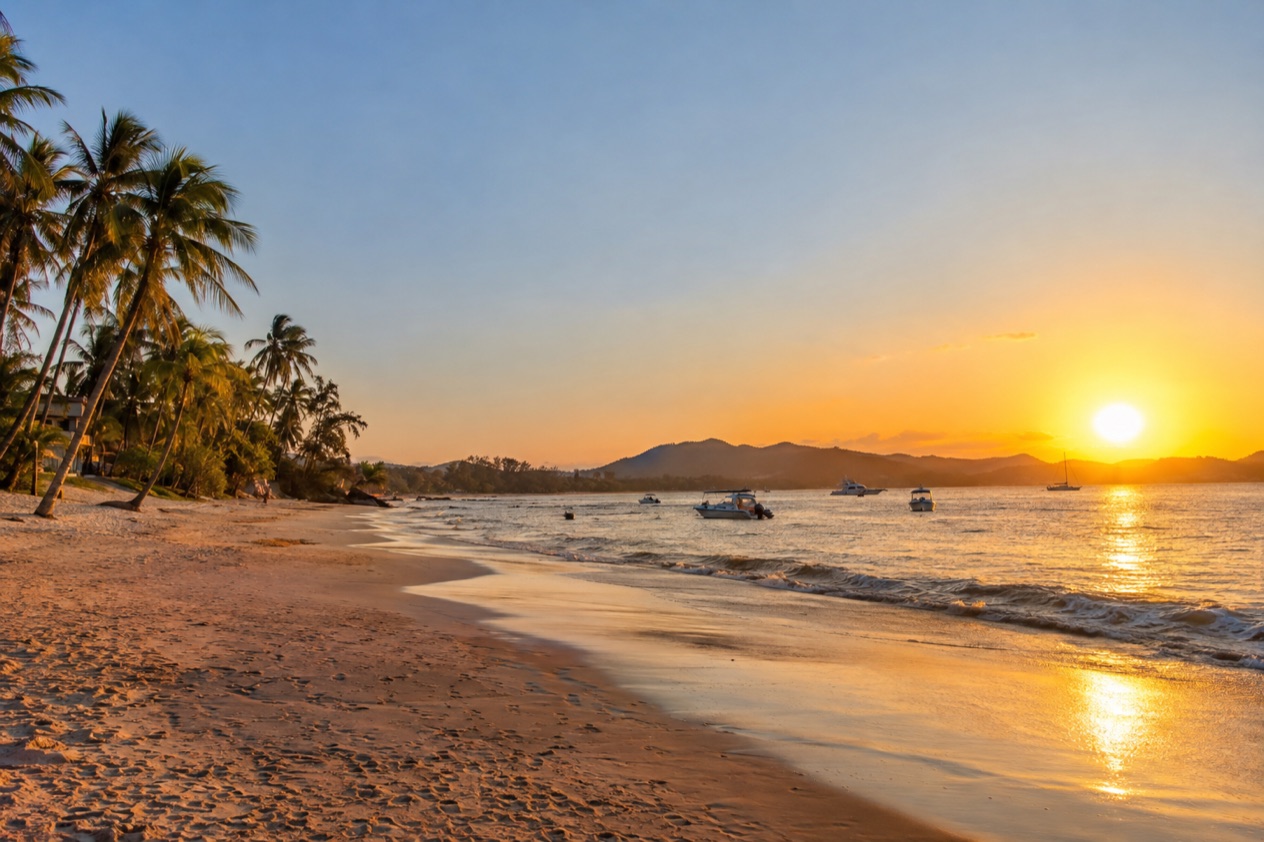
Sunset is the town’s daily gathering. People spread out along the sand with drinks from the beach bars, dogs run along the waterline, and surfers catch the last waves in a golden light. In March the sky is usually clear, which gives the sun a clean drop to the horizon, though a clear sky is never guaranteed.
Arrive half an hour early to find a spot, and stay for the glow after the sun disappears. Next, you make your way into town for the evening meal, featuring fresh fish from the grill, ceviche, and the Costa Rican plate called a casado, which comes with rice, beans, salad and your choice of meat or fish. Many restaurants set tables right on the sand or on open terraces.
Boat trips and nearby beaches
Dry March weather makes the coast easy to explore, and the beaches north and south of Tamarindo are quieter, with their own character. Some are wide and wild with few buildings, others tucked into small coves where a short walk or a boat ride is the way in. Boat outings range from sailing and snorkeling trips along the coast to wildlife tours through the Tamarindo estuary and mangroves.
From January through the end of May, wildfires are a frequent problem in Guanacaste and the northern region, which means the dry inland hills may appear smoky at times. Pack a hat and plenty of water for any longer day, and be flexible if a particular road or area is affected.
Beyond the water, the town’s main street is made for wandering: surf shops, craft stalls, small boutiques and juice bars, with a lively evening scene of live music and open-air bars. A smoothie of pineapple or watermelon is the perfect midday break. Yoga classes in the morning and sunset horseback rides on the beach are also popular ways to fill a lazy day.
A two-day itinerary for Tamarindo in March
Day 1 begins early, with a walk on the beach as the sun comes up and the sand is still cool. Have breakfast at a café on the main street, with gallo pinto (rice and beans) and fresh fruit, then book a beginner surf lesson for the morning, when the water is gentlest and the heat is not yet fierce.
At midday, retreat to a shaded restaurant for fish tacos or ceviche, then rest at the pool or in your room through the hottest hours. In the late afternoon, stroll the shops and craft stalls, then claim a spot on the sand for sunset, with about twelve hours of daylight this month. Dinner at an open-air restaurant finishes the day.
The next morning begins with a boat trip to nearby beaches, followed by lunch on the sand or back in town at a casual spot with fresh juice.
In the afternoon, try a horseback ride or a relaxed yoga session, then browse the cafés and juice bars. For the evening, choose live music at a bar along the main street. Should a shower appear, something uncommon in March, pass the time at a café, a spa or a cooking class, then let the sky clear.
Is Tamarindo busy in March?
March indeed ranks among Tamarindo’s busier months, since travelers from North America and farther afield come for the dry, sunny conditions, and it falls within the period when Guanacaste sees its least rain and most sunshine.
Spring break weeks and the Easter period, when Holy Week falls in March or April, bring the heaviest crowds, with families and groups filling beaches, restaurants and surf schools. Weeks outside those periods are calmer, though the town still hums in the evenings. The green season, with its afternoon showers and fewer visitors, comes later in the year.
Holiday weeks feel markedly busier than the rest of March. Surf lessons, boat outings and sunset dinners are popular choices in March. Getting to town from the Liberia airport takes about an hour by car, and arrival days can feel busy when flights land together.
What to pack for Tamarindo in March
Think light, breathable and sun-ready, since the days are hot, bright and nearly dry.
- A wide-brimmed hat and sunscreen, since the sun at midday packs a punch.
- A rash guard or light long-sleeve shirt for surf lessons and long beach hours.
- Water shoes for rocky spots and hot sand.
- A reusable water bottle for hot hikes and boat days.
- Light cotton clothes and sandals for hot evenings in town.
- A light layer for breezy nights on the sand.
Good to know before you go
The U.S. State Department rates Costa Rica Level 2, ‘Exercise increased caution,’ due to crime; it says petty crime is common throughout Costa Rica and that violent crime also affects tourists, including armed robbery, homicide and sexual assault.
March falls well within the dry season, so the main planning questions are heat, crowds and sea conditions rather than storms. Getting around town is easy on foot, and the airport is about an hour’s drive away. Book rooms and popular tables first for holiday weeks, and keep an eye on the dry hills, where wildfires can occur until the end of May.
Tamarindo in March vs February and April
Moving a month earlier, February is just as dry and sunny, with a sea a touch cooler and a slightly lighter heat. The mood is much the same, with plenty of visitors, so it suits travelers who want almost identical beach weather with a shade less warmth in the water.
Moving a month later, April brings the first real signs of change. The sea is as warm as in March, the nights are a bit warmer, and a few afternoon showers begin to appear, so some days end with a short storm. The hills start to green, and the crowds ease after the Easter period.
Choose March if you want the most dependable dry days with a warm sea. Pick February for slightly cooler air, and April if you like a little rain, greener scenery and a calmer town.
Is March a good time to visit Tamarindo?
Yes, March is an excellent time for anyone who wants sun, surf and warm water, from beginner surfers and beach lovers to couples and families who prefer dependable weather.
It suits people who like to be outdoors from morning to night. It is less ideal for anyone who dislikes heat, or who wants the quiet and green hillsides of the rainy months, when showers cool the afternoons and visitors are fewer.
On arrival, get your bearings with an early walk on the beach and book a surf lesson or boat outing for the first morning, while the sun is still gentle. What makes March special here is the rhythm of the day: warm sand at dawn, a long lazy midday, and a sky that almost always lights up orange over the water as the sun goes down.
Sources
- Open-Meteo / ECMWF ERA5, normals 1991-2020 computed for the grid cell at 10.2993N 85.8371W, checked October 8, 2026
- Open-Meteo Marine API, average 2015-2024, checked October 8, 2026
- sunrise-sunset.org, sunrise and sunset calculated for the 15th of the month, checked October 8, 2026
- U.S. Department of State, Costa Rica Travel Information, Safety and security (https://travel.state.gov/content/travel/en/international-travel/International-Travel-Country-Information-Pages/CostaRica.html), checked October 8, 2026
- U.S. Department of State, Costa Rica Travel Advisory, issued April 1, 2026 (https://travel.state.gov/content/travel/en/traveladvisories/traveladvisories/costa-rica-travel-advisory.html), read via the State Department open data API on October 8, 2026
To plan your stay
- Things to Do in Tamarindo: Surf Lessons, Leatherback Turtles, Beach Days and Sunset Evenings
- Where to Stay in Tamarindo: Town Center, Playa Langosta, Playa Grande and How to Choose
- Tamarindo vs Jaco: Beaches, Surf, Weather and Getting There
- Day Trips from Tamarindo: Playa Grande, Rincon de la Vieja, Liberia and Surf Beaches