
Early in the morning in Esperanza, roosters start up behind the guesthouses, a pelican drops into the bay, and the first coffee is carried out to a table on the waterfront. Across the island in Isabel Segunda, the ferry from the mainland noses into the dock and the town wakes up around the fort and the main square.
Vieques is small but its corners feel very different. Choosing where to sleep decides whether your days start with a barefoot walk to the water or with errands in a working island town.
What is the best area to stay in Vieques?
For a first visit, Esperanza on the south coast is the best base, while beach lovers do better in a rental near Sun Bay, on a tighter budget, and anyone after real solitude heads for the quiet east end near the refuge. Families tend to like a place with a kitchen and a beach close by. Nightlife, in the island sense of the word, means Esperanza.
Esperanza is the answer most people give, and for good reason. The village is a single strip of waterfront with guesthouses, small boutique inns, open-air restaurants and bars facing the bay, so you can eat dinner, watch the light go, and walk back to your room without thinking about logistics. It is also the natural launch point for the island’s famous night on the water at Mosquito Bay.
Isabel Segunda is the other village, and it feels different. It sits on the north coast where the ferry arrives, and it is where islanders do their banking, shopping and business. The streets are plain and lived in, the restaurants cater to locals as much as visitors, and the pace is more weekday than vacation. That is exactly its charm for travelers who like to see how a place really runs.
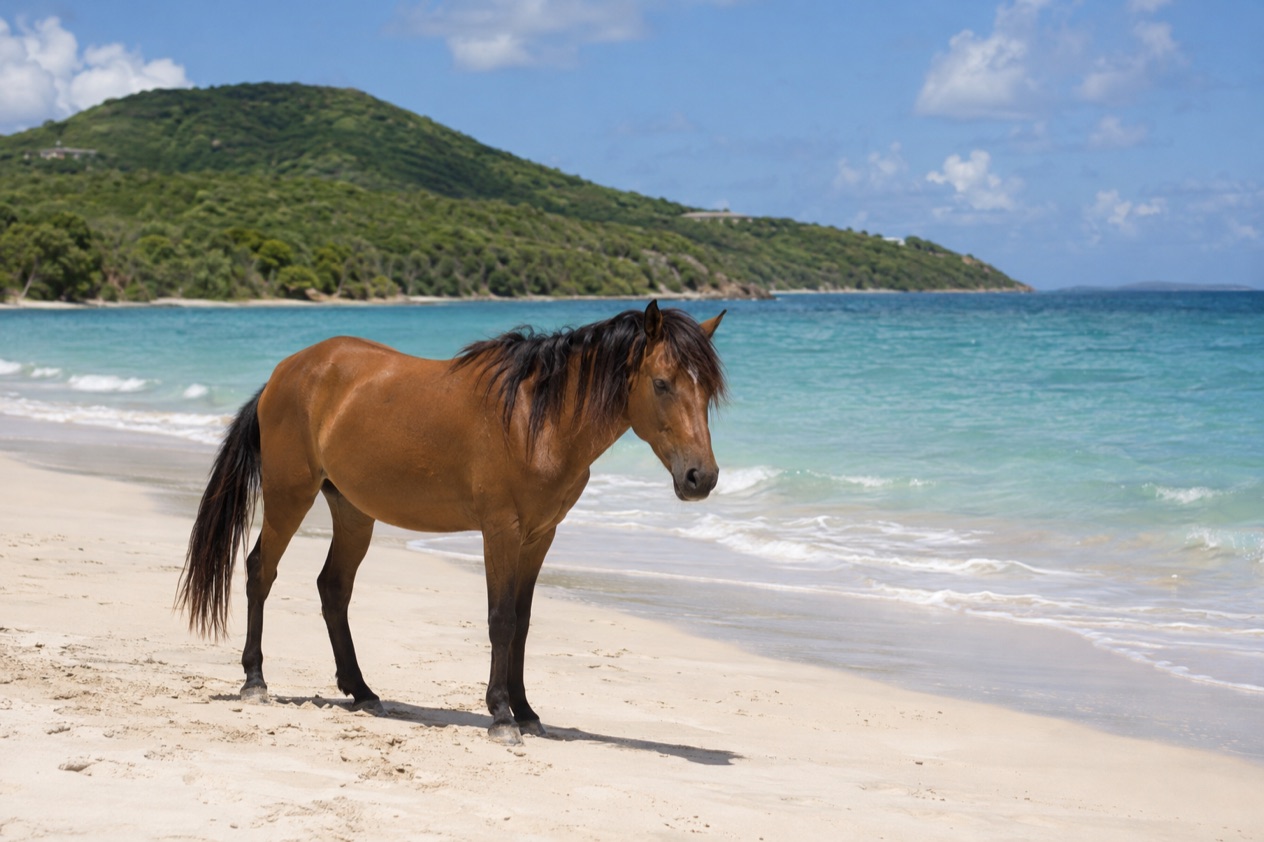
Beach-first travelers should look at the stretch of the south shore around Sun Bay, a long crescent of sand with a park behind it where wild horses often wander out of the trees. Lodging here is mostly vacation houses and apartments, which suits groups and families who want a kitchen, a porch and their own schedule. You trade the village buzz for open sky and the sound of the surf.
The east end is for people who came to disappear. Much of the land there was once part of the Navy range and is now wildlife refuge, which kept it undeveloped.
Travelers come for the beaches called Red, Blue and Caracas, and places to stay around here are villas spread out and quiet rentals hidden in the hills. A major part of the eastern refuge remains closed to the public because of unexploded ordnance, so your options here are the open beaches rather than wandering at will.
How the areas differ comes down to what you want within walking distance. Esperanza gives you restaurants, a social evening and tours that leave from the waterfront. Isabel Segunda gives you the ferry dock, groceries and everyday island life.
The south shore and the east end give you sand, silence and starry nights, but you will eat and shop on a more deliberate schedule. None of them is a bad choice, and the island is small enough that a day trip to any other corner is never a stretch.
One more thing shapes the decision: the mood you want at night. Esperanza stays gently lively after dark, with music drifting from open-air bars and people strolling the waterfront. Elsewhere, evenings are about the dark itself. Without city light, the stars are dense, the chorus of tree frogs is loud, and moonless nights are also the best ones for the bioluminescent bay, so a quiet base and a glowing night go together well.
The best areas to stay in Vieques
Esperanza
Esperanza is a laid-back waterfront village on the south coast, and for most visitors it is the heart of a Vieques stay. A single road runs along the water, lined with guesthouses, small boutique hotels, apartments above shops and open-air restaurants where the menu leans on fresh fish, tostones, and cold drinks with the bay in view. A pier in front of the village, a small beach and a boardwalk give the evenings a gentle rhythm.
The lodging is mostly small. Expect family-run guesthouses with a handful of rooms, a few boutique inns with pools and gardens, and vacation apartments for longer stays.
There are no big resort towers here, which is a large part of why the place feels the way it does. Most things you need, from breakfast to a sunset drink, are a stroll away, and tours to the bioluminescent bay are easy to arrange from the village.
It suits couples, friends, first-timers and anyone who likes to leave the car keys alone for a few hours. The beach in the village itself is modest, so the great sand lies a short ride east. A tip: the bars and restaurants are the social life of the place, so ask for a room a little back from the music if you sleep lightly.
Isabel Segunda
The ferry town on the north coast, and the island’s practical center, is Isabel Segunda, which most people simply call Isabel. A malecon runs along the water, an old Spanish fort stands on a rise above town, and the main square sits a few blocks inland with the church, bakeries and hardware stores. This is where the ferry from Ceiba lands, which makes it the easiest place to arrive.
Lodging is simpler here: a few guesthouses, small hotels and apartments, usually with a more local, less polished feel than Esperanza. Dining runs from bakeries and lunch counters serving rice and beans and fried snacks to a few sit-down restaurants with views of the water. The beaches are not the reason you come, so plan to head across the island to the sand each day.
Isabel suits travelers who want to be near the ferry, those who like seeing everyday life, and anyone who plans to move around the island instead of settling on one beach. It is also a sensible pick for a short stay with an early departure. Its evenings are quieter than Esperanza’s, so consider it a base for exploring, not a place to linger after dinner.
Sun Bay and the south shore
East of Esperanza, the road follows a long arc of sand around Sun Bay, one of the most visited beaches on the island. Behind the beach, palms and sea grape shade a park with picnic spots, and wild horses frequently graze near the edge of the sand. The water is open to the Caribbean, so conditions change from day to day, and where a sign or flag is posted you follow it.
Lodging here is mostly vacation houses and apartments, many with porches, kitchens and gardens, plus a few small inns. It is the right setting for families and groups that want to cook some meals, buy groceries on the way back from the beach and keep the days unhurried. Evenings are quiet and dark, and the sound of the sea fills the gaps.
The trade-off is distance from the restaurants. You are close enough to Esperanza for dinner out and a night tour, but you will go there on purpose instead of strolling. Sargassum seaweed can reach south and east coasts in some springs and summers, so it is worth asking the host what the shoreline has been like lately before you book.
The east end and the refuge coast
The eastern end of the island is the wildest part, where former Navy land is now national wildlife refuge, the largest in the Caribbean. This is the home of Red Beach, Blue Beach and Caracas Beach, long and mostly undeveloped stretches of sand with seagrass, scrub forest and the occasional horse. Birdwatchers come in winter, when migratory peregrine falcons are present, and the refuge is open year-round without an entrance fee.
Places to sleep are few and spread out: private villas, quiet rentals and a handful of small properties that rely on the island’s character. Most are best for couples or small groups who want privacy and are content with a simple routine of beach, reading and an early night. Services are fewer than in the villages, so stock up before you arrive.
Unexploded ordnance from the Navy years keeps part of the eastern refuge off limits, so stick to the open beaches and marked areas. Drones are prohibited on the refuge. If you want to be among the first to the sand in the morning, this is the area for it, and the quiet is the point.
Vieques areas compared
| Area | Best for | Feel | Getting around |
|---|---|---|---|
| Esperanza | First visit, couples, nightlife, tours | Laid-back waterfront village with open-air restaurants and guesthouses | Walkable along the waterfront, beaches a short ride away |
| Isabel Segunda | Ferry arrivals, simple stays, local life | Working island town with a fort, a square and a malecon | Walkable in town, beaches across the island |
| Sun Bay and the south shore | Beach days, families, groups with a kitchen | Open, breezy and quiet, with a long beach and wild horses | Close to the beach, dinner out takes a short ride |
| East end and refuge coast | Solitude, long beaches, birdwatchers | Remote and undeveloped, mostly villas and rentals | Based in one spot, beaches reached from there |
Sun Bay and the east end put the sand at your door, but the evening meal and the coffee shop are farther away. Esperanza and Isabel Segunda put people, food and tours around you, and you leave the village to swim. Esperanza gives you the best mix of the two for a first trip.
The second trade-off is quiet against nightlife. Esperanza carries a soft buzz after dark, with live music at a few bars and a crowd strolling the waterfront. Everywhere else is dark and still.
If you are choosing between two places and cannot decide, ask yourself whether you would rather hear a band or the tree frogs when you fall asleep. Many travelers split a longer stay, a few nights in the village and a few by the beach, and the island is small enough to make that easy.
Isabel Segunda sits somewhere between the two. It is not a beach base and not a party base, but it is the most practical for arrivals and errands. It also gives you a look at the island that the more polished corners leave out, with Sunday families in the plaza, lunch counters full of regulars and a fort that gives the town a view of the water.
How to choose your hotel in Vieques
Start by deciding whether you want Esperanza’s walkable restaurants or a quieter rental that requires planning each ride. Vieques is mostly a place of small hotels, guesthouses and rentals, and the island’s whole identity rests on being sleepy and unspoiled.
If you want everything in one place, look for properties with an on-site restaurant and pool. If you prefer to eat out, a guesthouse in Esperanza or an apartment with a kitchen gives you more flexibility and a better taste of the island.
Beachfront and bayside are different experiences. A room right on the sand puts the surf in your ears and the sunrise in your window, and it ties you to that one beach’s conditions.
A place along a quiet bay or lagoon edge feels calmer and greener, with birds and breezes, but you will need a short trip to reach the open water. Neither is better, so pick the one that matches how you like to spend your mornings.
Think about the calendar before you book. The island is small and the number of rooms is limited, so holiday weeks, long weekends and the busiest winter stretch fill up early. For Mosquito Bay, the darkest nights without a moon give you the finest experience, and since guests arrive there by kayak or by electric boat alongside a guide, those who care most about the glow should set their dates by the new moon and lock in a place to stay before anything else.
The Atlantic hurricane season runs from June 1 to November 30, with the peak in September. Reserving a room usually proves easy if your dates fall beyond that stretch, but between June and November, watch the National Hurricane Center along with local official alerts, and look over your host’s cancellation policy before you book. Forecasts can change fast, and flexibility is worth more than a small discount.
Families should look for a kitchen, a bit of outdoor space and a short walk or ride to a beach. Wild horses on the roads and beaches are a delight for kids, though they are wild animals and best watched from a distance. Travelers with mobility needs should ask hosts directly about steps, paths from the room to the road, and bathroom layout, since many small properties sit on hillsides or have garden paths.
Before you book, check three practical things. First, noise: ask whether the property is near a bar, a road or a rooster-heavy neighbor.
Second, the shoreline: sargassum seaweed can pile up on east and south coasts in some springs and summers, so ask what the nearest beach has looked like recently. Third, getting around: the public ferry out of Ceiba or a small plane will bring you to the island, so ask your host how guests typically travel from the dock or airstrip to the door and whether they can help set it up.
Good to know before you go
You can get to Vieques either on the public ferry out of Ceiba, with several departures each day, or by taking a quick hop on a small propeller plane from San Juan or Ceiba. For U.S. citizens, neither a passport nor a visa is required, and everything is paid for in U.S. dollars. Many small guesthouses and restaurants are run by families, so a few words of Spanish go a long way, and a friendly greeting is always returned.
Sources
- U.S. Fish and Wildlife Service, Vieques National Wildlife Refuge (https://www.fws.gov/refuge/vieques), checked October 8, 2026
- Wikipedia, Vieques (https://en.wikipedia.org/wiki/Vieques,_Puerto_Rico), checked October 8, 2026
- Wikipedia, Ceiba (https://en.wikipedia.org/wiki/Ceiba,_Puerto_Rico), checked October 8, 2026
- Wikipedia, Caja de Muertos Island (https://en.wikipedia.org/wiki/Caja_de_Muertos_Island), checked October 8, 2026
- NOAA National Hurricane Center, Climatology (https://www.nhc.noaa.gov/climo/), checked October 8, 2026
To plan your stay
- Best Time to Visit Vieques: Weather by Month, Beaches, Crowds and Festivals
- Things to Do in Vieques: Mosquito Bay, Wild Beaches and Esperanza Evenings
- Vieques from San Juan: Ceiba Ferry, Small Planes and a Day on the Island
- Know Before You Go to Vieques: Ferry and Flights, Refuge Rules, the Bioluminescent Bay and Sun