
On Sunday mornings in March, the streets around the Plaza Grande close to traffic and fill with families on bicycles, folk dancers in embroidered terno dresses and vendors selling fresh coconut from the shell. The sun is already strong by ten, so the city moves early and lingers in shade at lunch. March in Merida is the last easy month before the true heat arrives, a time for courtyards, markets and the spring equinox just down the road.
What is the weather like in Merida in March?
March is hot and mostly dry in Merida, with sunny days, warm nights and only the occasional brief shower.
| Month | Average high (°F) | Average low (°F) | Rain (in) | Rain days | Daylight on the 15th |
|---|---|---|---|---|---|
| February | 88.9 | 63.1 | 1.01 | 3.9 | 11 hours 30 minutes |
| March | 91.8 | 64.4 | 0.82 | 2.7 | 12 hours 4 minutes |
| April | 95.7 | 67.6 | 1.28 | 2.4 | 12 hours 41 minutes |
Mornings are the pleasant window, soft enough for a long walk before the sun climbs. By early afternoon the pavement radiates heat and the shade of a courtyard or an air-conditioned museum becomes the plan.
Evenings cool into a comfortable range for dinner outdoors without a jacket. Rain is rare enough that you can plan days without a backup, and the sky stays clear for most of the month. The city is inland, so nothing here tempers the heat the way a coast would.
What to do in Merida in March
The equinox at Chichén Itzá
Around March 20, the spring equinox draws crowds to Chichén Itzá, where the afternoon sun casts a zigzag of light and shadow that seems to slither down the stairway of the Kukulcán pyramid. The effect is the reason people plan March trips around the Yucatán, and the plaza fills with visitors dressed in white, drummers and people who come simply to watch the light.
From Merida it is a day trip by car or organized tour, and the road runs east across flat scrubland and small Maya villages. Go early, because the site has little shade and the midday heat is strong. It suits anyone who likes ruins and spectacle, and less so travelers who dislike crowds on the equinox weekend itself.
Mornings on foot, afternoons indoors
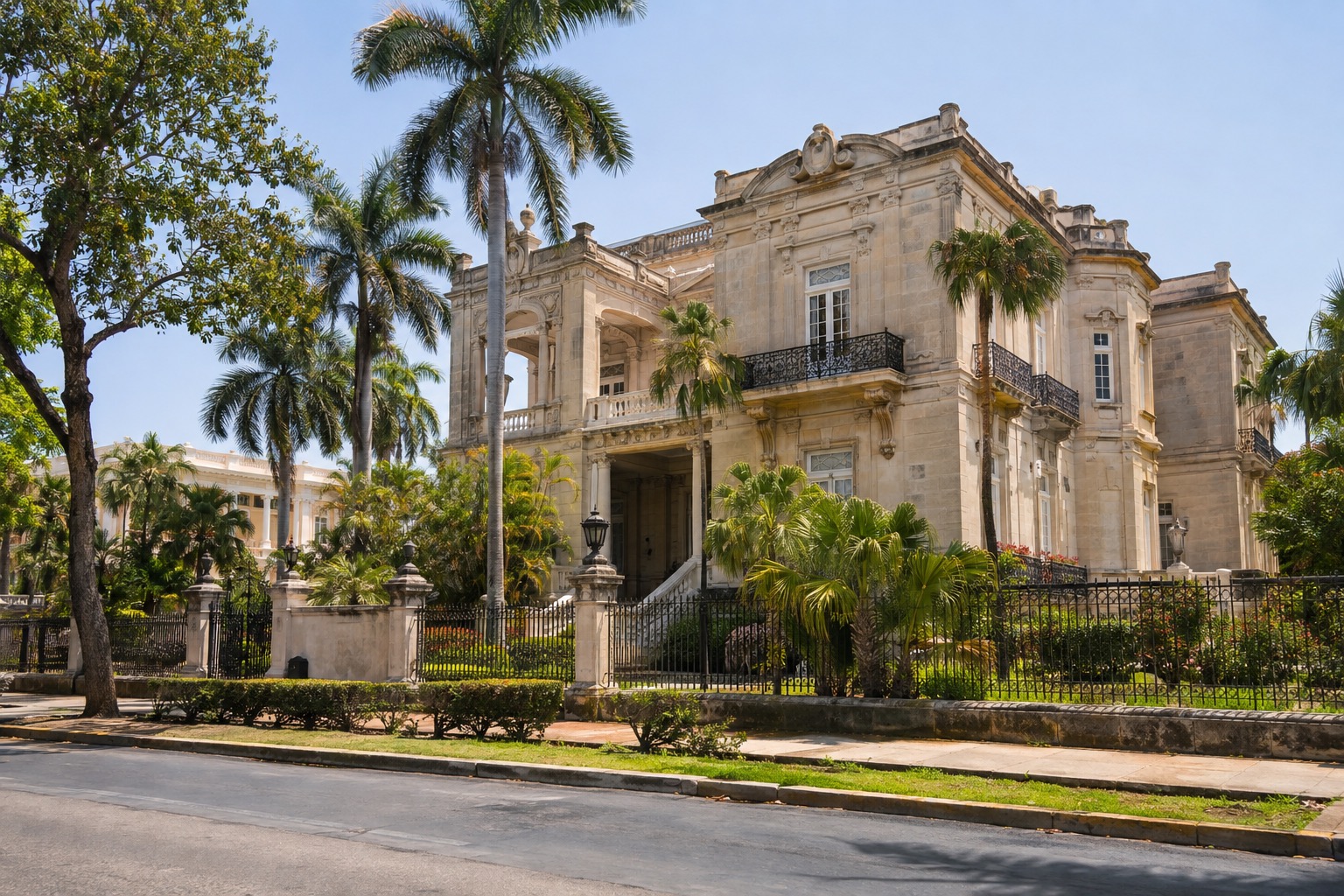
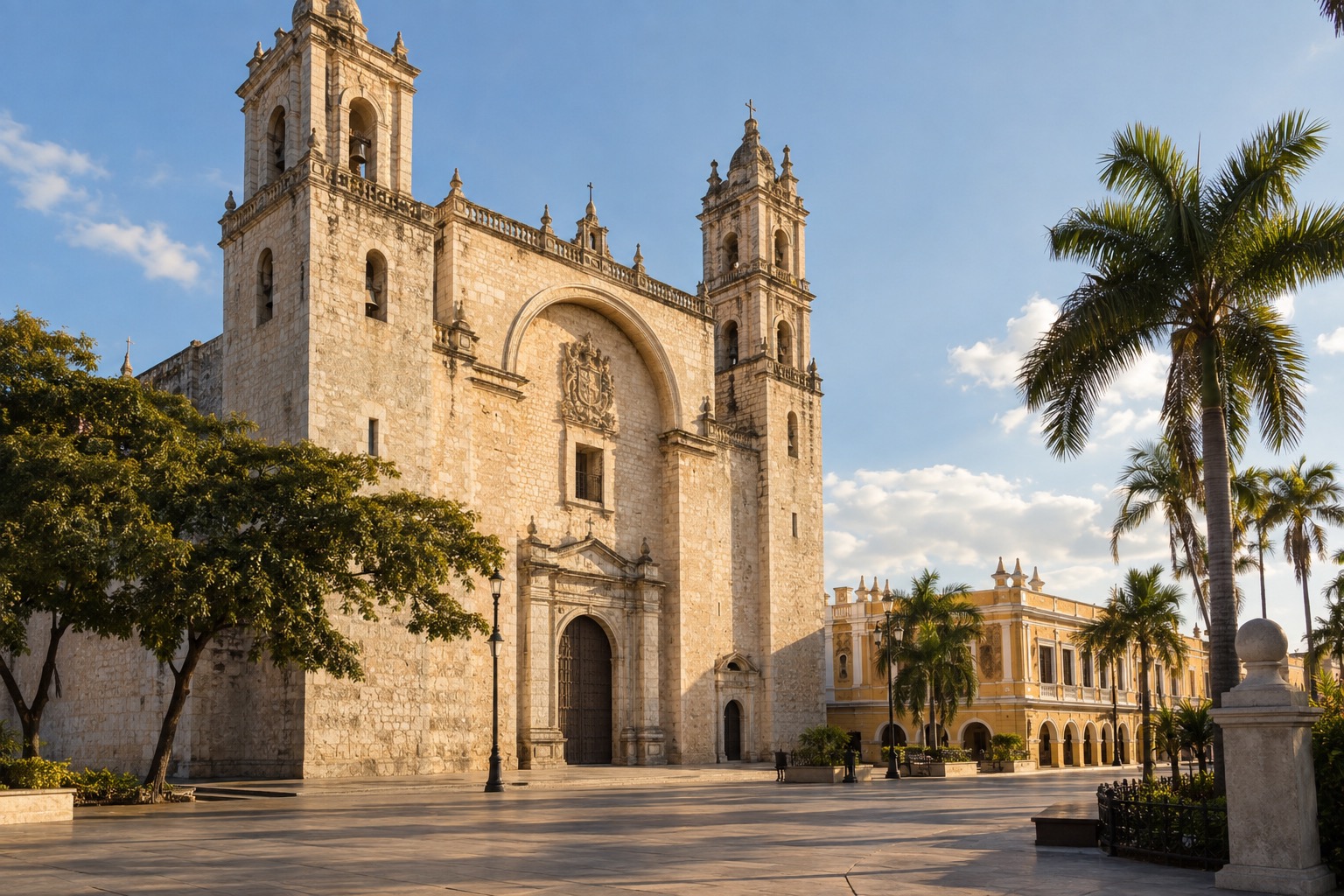
Start on Paseo de Montejo, the broad boulevard of grand mansions built when henequen made the region rich. The trees give some shade, and the early light flatters the facades. Then drift toward the Plaza Grande, where the cathedral faces the old government palace and its murals of Yucatecan history.
When the sun gets heavy, the Gran Museo del Mundo Maya is a cool, well-lit refuge with ceramics, jade and carved stone that give context to the sites. The museum pairs well with a late lunch, after which the city goes quiet until the evening breeze returns. The Mercado Lucas de Gálvez is another good morning stop, loud with produce, flowers and fried snacks.
What to eat when the heat builds
March heat calls for something cold. Order a tall glass of fresh juice, a scoop of coconut or sour orange ice cream, or agua de chaya, the green drink blended with lime. For lunch, poc chuc, grilled pork with sour orange and charred onion, is a Yucatecan staple, and salbutes, puffy fried tortillas topped with turkey and avocado, make a lighter stop.
At night, the squares come alive. Families gather for marquesitas, rolled crepes with cheese, and open-air concerts and dance nights are common in the parks. It is an easy month to eat outside after dark, which is not always true later in spring.
Is Merida busy in March?
March is moderately busy: the tail of the winter season keeps hotels and restaurants active, but the city never feels crowded outside a few peak moments.
Visitors from the U.S. and Canada are still around, and spring break brings more families toward the end of the month, especially to the main sights. The equinox weekend is the busiest moment at Chichén Itzá. In the city itself, the central plazas and popular restaurants fill at dinner, while neighborhoods away from the center stay calm. Rooms are generally easy to find, though booking ahead around the equinox is wise.
What to pack for Merida in March
Think light, breathable and sun-ready, with something modest for churches.
- Loose cotton or linen clothing for hot afternoons
- Sunscreen and a cap or hat for the ruins
- Comfortable sandals or walking shoes for cobblestones
- A light layer for strong air conditioning in museums and restaurants
- A refillable water bottle
Good to know before you go
The U.S. State Department rates the state of Yucatan Level 1, ‘Exercise normal precautions’.
March in Merida falls outside the official Atlantic hurricane season, which runs June 1 through November 30, so tropical weather is usually quieter than the season’s mid-August to mid-October peak. The main thing to plan around is the sun: schedule outdoor visits for the morning and leave the middle of the day for shade, meals and rest.
Is March a good time to visit Merida?
Yes, March suits almost every traveler who wants sunshine, outdoor dining and ruins without the extreme heat to come.
February is a little cooler and a touch rainier, which suits those who prefer long walks at midday. April is clearly hotter, and afternoons become harder to enjoy outside. March sits in the sweet spot between the two, with warm evenings and manageable days. What makes the month memorable is the equinox: a shadow of a serpent on an ancient staircase, followed by a night of music in a Yucatecan plaza.
Sources
- Servicio Meteorologico Nacional (CONAGUA), normales climatologicas 1991-2020, estacion 31097 (Merida (Conagua), Mérida), checked September 29, 2026
- sunrise-sunset.org, sunrise and sunset on the 15th of the month, checked September 8, 2026
- Wikipedia, "Merida, Yucatan", en.wikipedia.org, checked September 29, 2026 (source secondaire ; distincte de tout classement generaliste de 'ville la plus sure', non retenu faute de source primaire datee)
- U.S. Department of State, Bureau of Consular Affairs, Mexico Travel Advisory, travel.state.gov, checked September 29, 2026
- NOAA National Hurricane Center, checked September 29, 2026