
On a weekend afternoon, families from Mérida spread across the Progreso Malecón, kids chase the waves while plates of fried fish and ceviche cross the tables, and far out on the horizon a cruise ship sits at the end of the longest pier in the Gulf. Progreso is the beach town that Yucatán’s capital calls its own, easygoing, local and unpretentious. It suits travelers who want a walkable seaside town with good seafood and a few quiet beach villages next door.
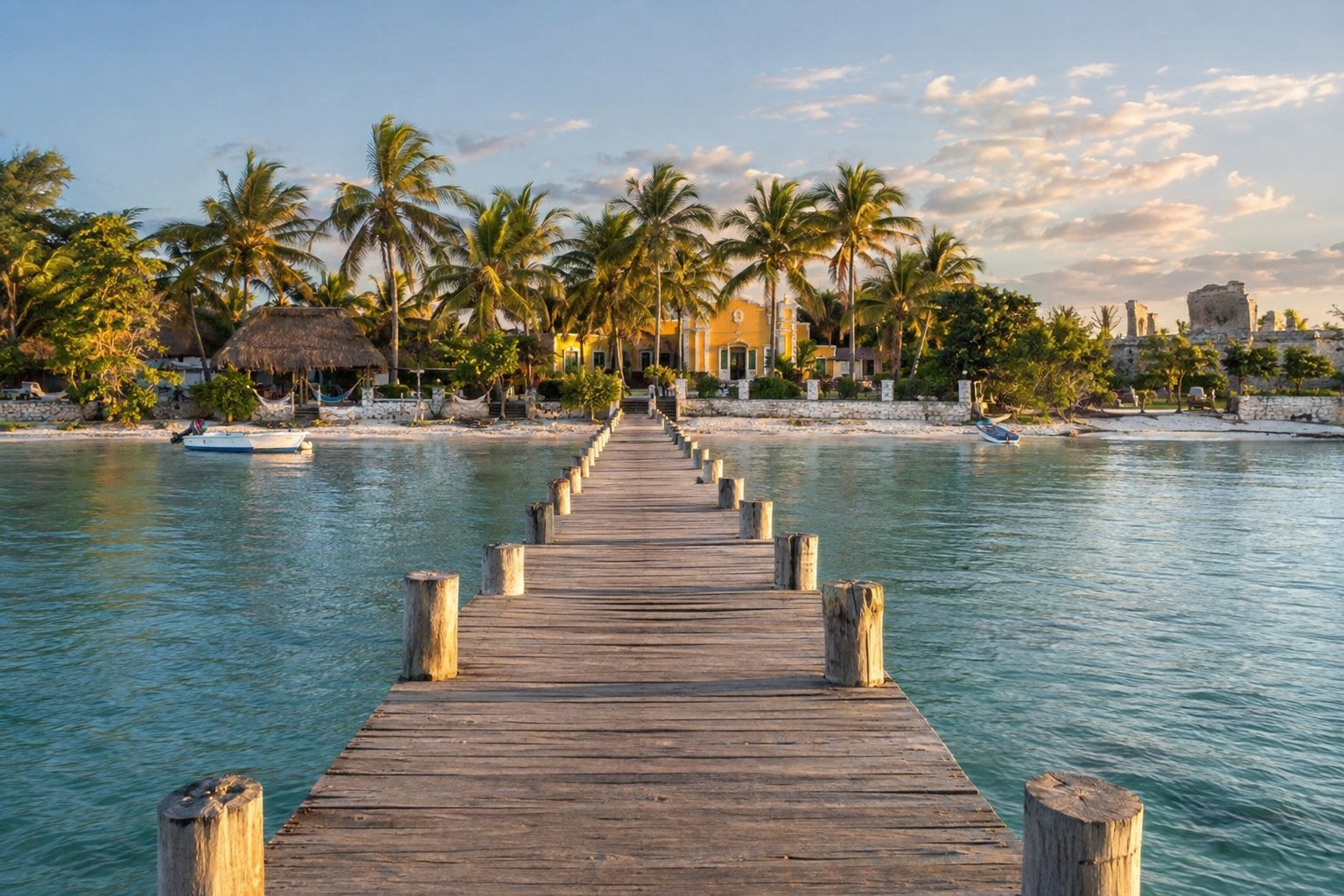
Where is Progreso and what is it like?
Progreso sits on the Gulf of Mexico in northern Yucatán, a short highway drive north of Mérida, and it is both a beach resort town and a working port. Founded in the 19th century to give Mérida a sea port closer than the older harbor at Sisal, it still has the feel of a port that became a seaside escape.
The center is lively without being a resort zone. The Malecón runs along a sandy, Gulf-front beach lined with seafood restaurants and bars, the water is usually shallow and gentle, and the pace is Mexican rather than packaged. Weekends bring crowds from the capital, weekdays are noticeably calmer.
Families, couples and budget travelers will feel at home here, especially those who like to walk to dinner. If you want large all-inclusive resorts, big nightlife or dramatic surf, Progreso is not that kind of place.
What is there to do in Progreso?
Progreso is about slow beach days, seafood, and a few surprisingly deep layers of history within easy reach. What sets it apart from other Yucatán coast stops is how local it feels, and how close it sits to both a big city and the site of a world-changing event.
The Malecón and the beach
The promenade is the heart of town. You walk along the seafront, stop for a cold drink at a beach bar, and settle in at one of the many seafood restaurants where fish, shrimp and octopus come out in every style. The sand is easy to reach from the walkway, and the water is often calm, though the beach flags are worth a glance on windier days.
Go late in the afternoon, when the heat softens and the light turns golden over the pier. Weekdays are quieter and weekends are festive, so choose according to your mood. It suits families and couples equally well.
The long pier and the cruise port
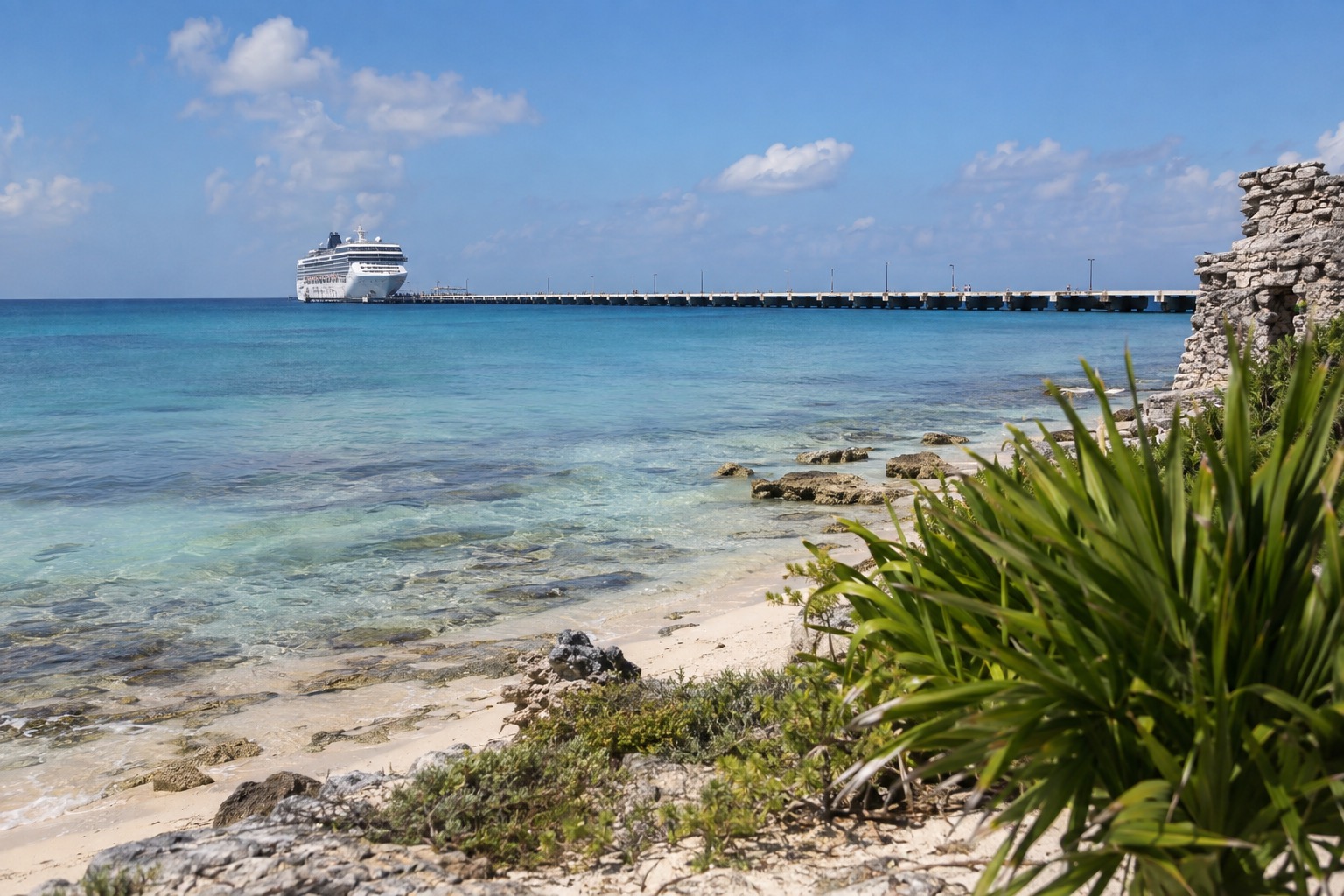
Progreso is also a cruise port. Large ships dock at a pier that reaches far into the Gulf because the coastal shelf is so shallow, which is why the ships look like they are floating on the horizon from the beach. The town fills with visitors on cruise days and returns to its rhythm once the ships leave.
From the Malecón, the pier makes for a striking backdrop at sunrise and sunset. It is a view to enjoy rather than an outing, but it explains the town’s double life as port and beach getaway.
Chicxulub Puerto and the meteor story
A short drive east, Chicxulub Puerto is a quiet beach community that sits almost exactly at the center of the buried crater left by the asteroid that helped end the age of the dinosaurs, some 66 million years ago. The town has opened a museum devoted to the impact, which gives a sleepy beach stop a surprising sense of scale.
The drive from central Progreso takes about 10 to 15 minutes by car or taxi. Come for the story and stay for a calm, shallow beach with almost no nightlife. It suits curious travelers and families, and it pairs well with a lazy lunch afterward.
Dzibilchaltún on the way from Mérida
The Maya site of Dzibilchaltún lies on the road between Mérida and Progreso, so it fits naturally on the way to or from the coast. You walk through an open archaeological zone, and it works best in the morning before the heat builds. The site’s own cenote and its Museum of the Maya People are both closed at the moment, so plan it as a walk through the ruins rather than a swim or a museum visit.
| Site | Open | Admission |
|---|---|---|
| Dzibilchaltún | Daily, 8:00 a.m. to 4:00 p.m. | $105 pesos federal fee, plus a state tariff of $223 pesos for foreign visitors |
How many days do you need in Progreso?
A long weekend is plenty for Progreso itself, and two or three nights let you enjoy the town without rushing.
In a short stay you walk the Malecón, spend a day on the beach, eat seafood at a table facing the water, and perhaps stop at Dzibilchaltún on the way in. Mornings are for the sand, afternoons for shade and a long lunch.
With more time, add Chicxulub Puerto and its meteor museum, then drift west toward the fishing village of Chelem. A full week works if you base yourself in one of the quieter beach villages and treat Mérida as a day trip, since the capital is only a short drive away.
Where to stay in Progreso
Progreso Centro, around the Malecón, is the easiest base. Lodging is mostly small hotels, guesthouses, vacation rentals and apartments, with no large all-inclusive resorts, and you can walk to restaurants and shops. It is a good fit for families, couples and budget travelers. Weekends and holidays fill up with residents of Mérida, so book ahead for those dates.
For something calmer, the neighboring villages offer a different pace. Chicxulub Puerto is a quiet residential beach community of rental houses and small guesthouses, good for families and longer stays, though having a car or bicycle helps because services are limited.
Chelem is a small fishing village with a relaxed local feel, modest guesthouses and a few camping options, and cash is useful there. Chuburná Puerto is the most secluded, near mangroves and natural areas, with vacation homes, cabañas and a few small eco-lodges, and you should bring your groceries with you.
How do you get to Progreso and get around?
Most visitors arrive through Mérida International Airport, and the drive or bus ride to Progreso Centro takes roughly 35 to 45 minutes. Progreso itself is about 30 minutes north of Mérida by highway, so it is also an easy hop from the capital.
Once there, the center is walkable, and taxis and local buses link the Malecón with the nearby beach towns. Chicxulub Puerto is about 10 to 15 minutes from the center by car or taxi, Chelem is about 15 to 20 minutes west along the coast road, and Chuburná Puerto is about 25 to 30 minutes away by car.
From the airport, expect about 45 to 55 minutes to Chicxulub Puerto, 50 to 60 to Chelem, and 60 to 70 to Chuburná Puerto. If you stay in a smaller village, your own car makes daily life easier.
When is the best time to visit Progreso?
Progreso is a beach town, so the choice comes down to sea days, weekends and storm season. The calmer, sunnier stretch of the year is the natural fit for long afternoons on the sand, while the Malecón is at its liveliest whenever the weekend crowds arrive from Mérida.
The Atlantic hurricane season runs from June 1 to November 30, with most activity between mid-August and mid-October. Outside those months you are outside the official hurricane season, and within it you should keep an eye on forecasts as your dates approach.
Weekends and holidays are the busy moments, when residents of the capital fill the beachfront hotels. For a quieter stay, choose weekdays, when the town returns to a calm local pace.
Good to know before you go
The U.S. State Department rates the state of Yucatan Level 1, ‘Exercise normal precautions’.
Pesos are the currency, and carrying some cash helps in the smaller villages, where ATMs and banking services are limited. In the quieter beach communities, stock up on groceries and supplies before you settle in, since shops are scarce. As anywhere, normal travel habits apply, and the beach flags are worth checking before you swim.
Sources
- Wikipedia, "Progreso, Yucatan", en.wikipedia.org, checked September 29, 2026 (source secondaire)
- common knowledge
- Wikipedia, "Chicxulub crater", en.wikipedia.org, checked September 29, 2026 (source secondaire, citant Renne et al. 2013 et Schulte et al. 2010)
- Wikipedia, "Chicxulub Puerto", en.wikipedia.org, checked September 29, 2026 (source secondaire)
- INAH, official for the Dzibilchaltun archaeological zone, inah.gob.mx/zonas/zona-arqueologica-de-dzibilchaltun, checked September 29, 2026
- U.S. Department of State, Bureau of Consular Affairs, Mexico Travel Advisory, travel.state.gov, checked September 29, 2026 (date issued May 29, 2026) (date issued May 29, 2026)
- NOAA National Hurricane Center, checked September 29, 2026