
On a March morning in Maui, a whale slaps its tail somewhere off Lahaina and the whole line of people along Front Street turns to look. The trade winds are soft, the sugarcane-green slopes of the West Maui Mountains are still wet from winter, and the beaches of Wailea and Kaanapali have room on the sand. March is the tail end of whale season and the start of spring on the island, a month for sea, hiking and slow afternoons.
What is the weather like in Maui in March?
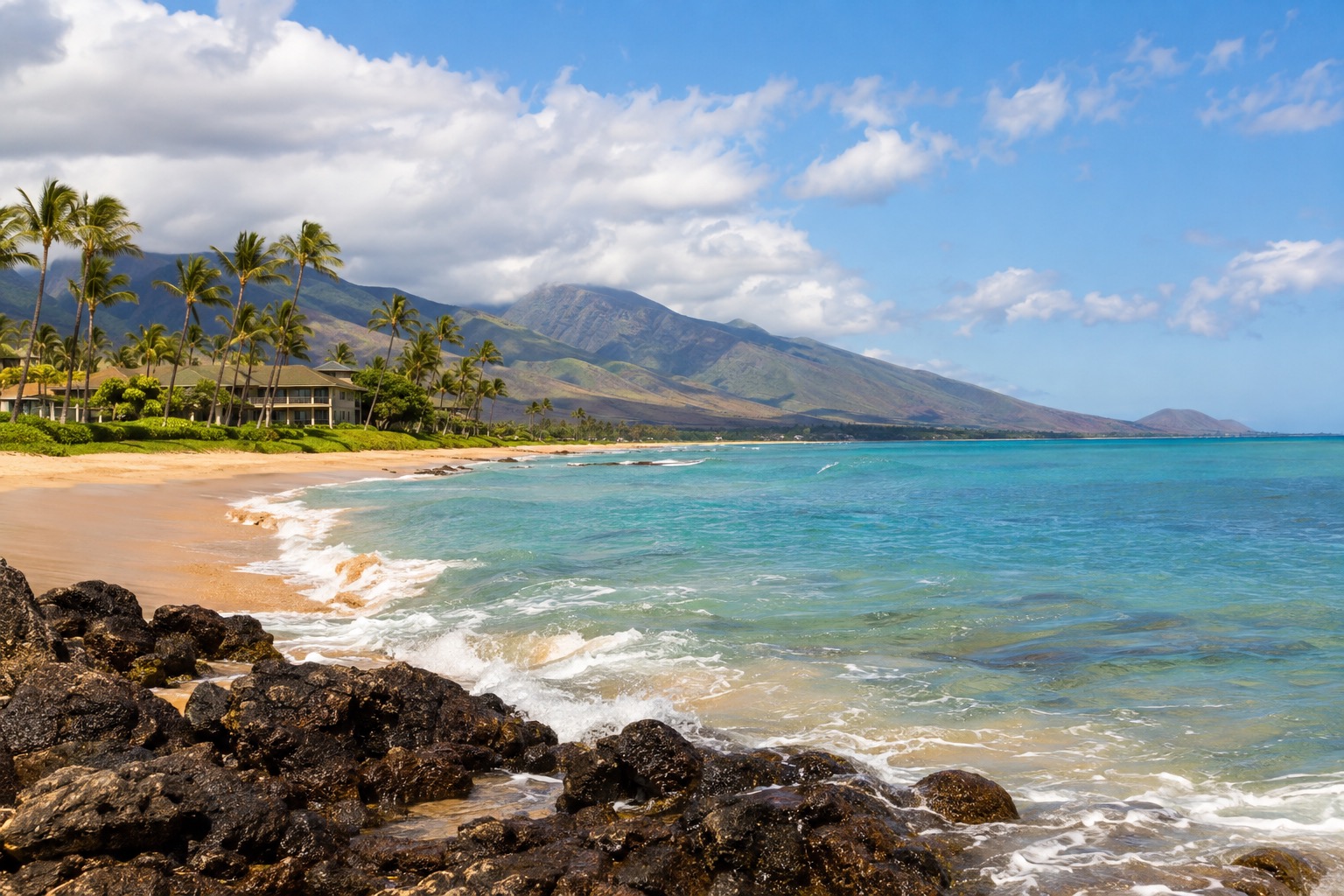
Maui in March stays warm and largely bright, with scattered brief rain, and the month still comes across as the tail end of the damp season instead of the beginning of the drier one. Beach hours are comfortable from mid-morning on, and the evenings need only a light layer.
| Month | Average high (°F) | Average low (°F) | Rain days | Sea (°F) |
|---|---|---|---|---|
| February | 82.2 | 63.8 | 3.8 | 76.1 |
| March | 82.9 | 65.1 | 4.5 | 75.5 |
| April | 84.5 | 66.6 | 2.5 | 76.1 |
Rain here depends on the side of the island. Passing showers tend to come in quick bursts and leave the road shining, and they land on the slopes above Haiku and the windward coast around Hana. The leeward resort coasts of Kihei, Wailea, Kaanapali and Lahaina stay sunny for most of the month, and a shower there is usually a brief cloud that blows through before you have found your towel.
Mornings are the clearest and calmest part of the day, with soft light over the water and little wind. Afternoons bring more breeze and some cloud building over the mountains, which is welcome shade on a hike. Evenings are mild enough for dinner outside, though a light sweater helps once the trades pick up.
Up high it is another climate altogether. At the top of Haleakala, conditions are much chillier than down at the shore, with frequent wind and clouds that sometimes close in, so bring winter morning clothing if you plan to go up, even if you walked out of the hotel wearing shorts. March is outside the official hurricane season, though winter swells and the occasional gray, showery spell still happen.
Can you swim in Maui in March?
Yes, the ocean is comfortable for a good swim in March, cool at first touch and pleasant after a minute, and you will want sun on your shoulders when you get out. Most visitors manage long snorkels without a wetsuit, though thin swimmers sometimes add a rash guard.
The south and west shores, from Kihei through Wailea to Kaanapali, are usually the gentler side in winter and spring, and they are where families tend to settle. The north shore around Ho’okipa and Honolua Bay can still carry big winter surf, which draws surfers and watchers but is not for casual swimmers. Conditions on the water may shift quickly from morning to afternoon, so check the signs and flags at the beach and do what the lifeguards say wherever they are on duty.
Snorkelers head for rocky points and reefs, and may see turtles and reef fish, though visibility varies with swell. Keep off the coral and give turtles room. Underwater, humpback whales sometimes sing, and you can occasionally hear it with your head below the surface. Bring a mask that fits, a rash guard, and mineral sunscreen to protect your skin and the reef.
What to do in Maui in March
The big draw of March is the humpback whales. Hawaii usually hosts them from November to April, with January through March bringing the biggest numbers, which means your trip falls at the tail end of that high point. The protected zone takes in the sea around Maui, Lanai, Molokai and Kahoolawe, and that sheltered channel is the spot where mothers and their calves pass the winter.
Whale watching from the shore and the water
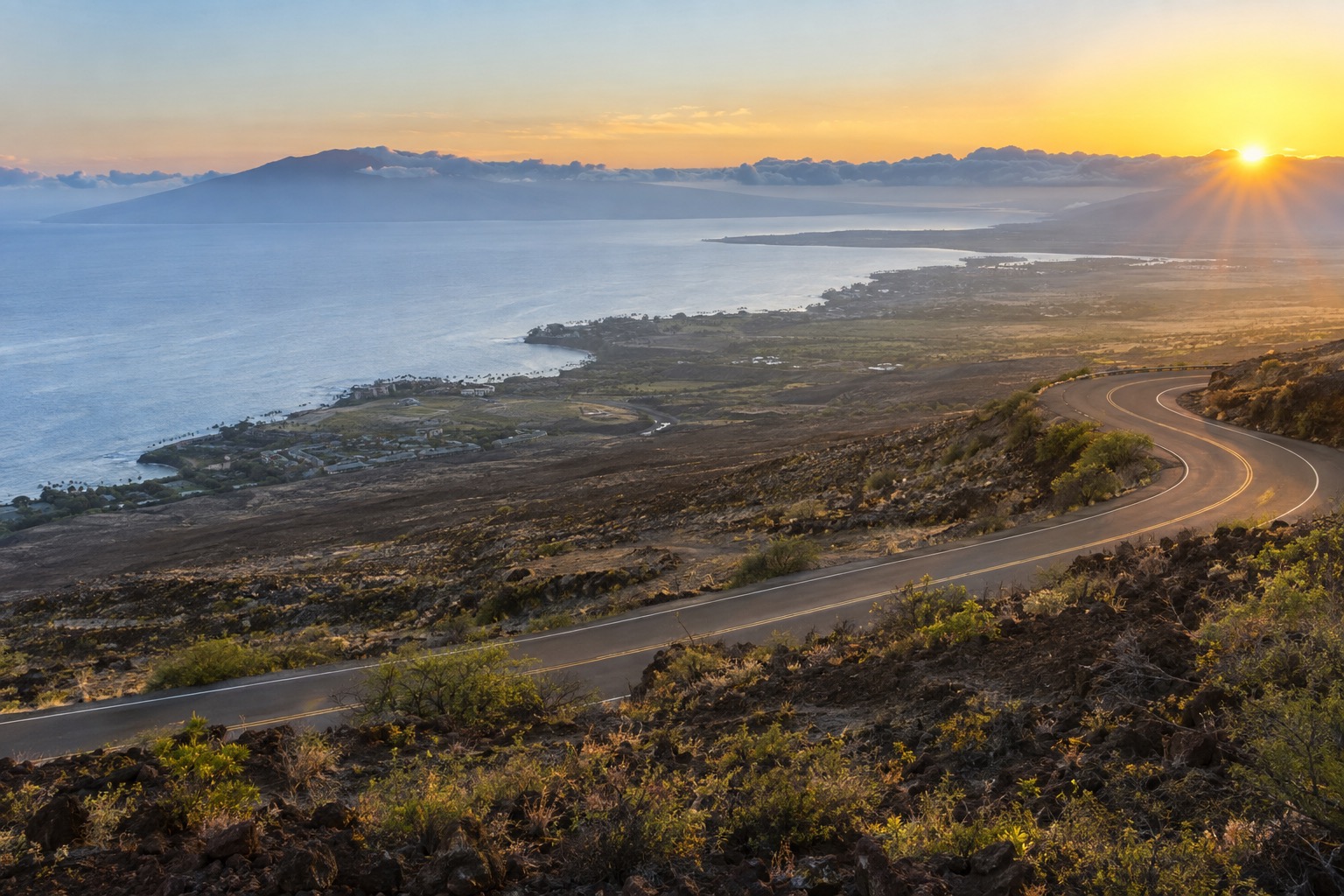
You can watch without a boat. Lookouts along the Honoapiilani Highway above Olowalu, the shore at Wailea, and the cliffs near Kapalua all give a sweeping view of the channel, and the best light is early morning when the water is flat and spouts are easy to spot. A pair of binoculars turns a dot into a breach, and sometimes the show is a tail slap, a pectoral fin wave or a calf practicing its first leaps.
Boat tours leave from Lahaina, Maalaea and Kihei harbors, and range from large catamarans to small rafts. Morning departures tend to be calmer, and sunset trips mix whales with golden light. Whatever you choose, boats are asked to keep more than 100 yards from the animals, and the same goes for swimmers and paddlers, so a good captain will wait for whales to come to the boat rather than chase them.
Haleakala and the high country
A trip to Haleakala is the island’s great outing, a drive through ranchland and cloud to a crater that looks like another planet. On the summit you look out over red cinder, silversword plants and sometimes a sea of clouds below your feet. The air is thin and cold, so allow time to adjust and take it easy on any walks.
Many people go for sunrise, and others prefer the less crowded late afternoon, when the light turns the crater walls rust and gold. On the way down, the cowboy town of Makawao and the upcountry lavender and protea farms around Kula make a gentle lunch stop. Rain and cloud can close the view completely, so treat the summit as a chance, not a promise.
The Road to Hana and the east side
The road along the windward coast winds through bamboo, past waterfalls, banana stands and black-sand coves. It is a slow, curvy day, best started early so you are not rushing at the end. Spring rain keeps the falls full and the jungle at its greenest, though it can also make the road slick and the stops muddy.
Roadside stalls sell banana bread, fresh coconut and grilled fish, and are a good reason to carry small bills. Stop at a few viewpoints rather than all of them, and treat private land and sacred sites with respect. The east side suits patient travelers who enjoy the drive itself, not those who want a quick beach day.
Back on the leeward coast, Molokini crater is a favorite snorkeling boat trip, Lahaina’s waterfront is good for an evening stroll, and the beaches at Kaanapali and Wailea are where you do nothing. Kuhio Day on March 26 is a state holiday honoring Prince Kuhio, so some offices close, and local families picnic at parks. Spring break also brings plenty of visitors, but the island absorbs them easily.
Food leans on the sea and the farm. Look for poke counters, plate lunches, shave ice, and farm stands in the upcountry. Local brewers and distillers pour tastings around Kula and Lahaina, and sunset mai tais are a fixture at beach bars. On a gray day, a cooking class, a farm tour or a long lunch beats forcing the beach.
A two-day itinerary for Maui in March
Day 1 starts on the water, when the sea is flattest and whales are easiest to spot. Take a morning whale or snorkel boat from Maalaea or Lahaina, then lunch on fish tacos or a plate lunch near the harbor. With a little over twelve hours of daylight, the afternoon is long enough for a swim at Kaanapali or Wailea, which stay sunny while the east gets clouds.
Late afternoon is for a slow walk along Front Street in Lahaina, with a shave ice in hand. Dinner is best near the water, where you can watch the sunset and, with luck, a final spout offshore. If the weather turns, switch to the museums and shops of town, or spend the afternoon at a lunch counter and a bookstore.
Day 2 is the upcountry day. Head up early toward Haleakala, wearing layers, and spend the morning at the crater rim, where clouds sometimes clear by mid-morning. Come down through the eucalyptus and ranchland of Kula for a farm stand or a café lunch, then browse the galleries of Makawao.
The afternoon can end at Paia, a surf town with beach bars, boutiques and Ho’okipa lookout, where you can watch surfers and turtles. Dinner is relaxed at a casual seafood place or a food truck. On a wet day, swap the crater for a distillery tasting, a lavender farm and a long, lazy lunch.
Is Maui busy in March?
Maui is moderately busy in March, busier than late spring but quieter than the winter holidays or midsummer. The month draws whale watchers, spring-break families and snowbirds escaping the mainland, so popular resort areas feel lively without being packed.
Rooms fill first around school breaks and Easter, which moves from year to year, and those weeks call for booking early. Rental cars follow the same pattern and can run short when flights arrive in waves, so reserve them along with your room. Outside the holiday weeks, you can often book a few weeks ahead and still find a choice.
Whale-watching boats and sunset dinner cruises are the first things to sell out, especially on weekends and school-break days. Restaurant tables near Lahaina, Wailea and Kaanapali at sunset are worth booking a day or two in advance, while casual lunch spots and food trucks rarely need planning. Morning is when the Road to Hana and the Haleakala summit see their biggest crowds, so getting going early means a quieter time at each.
Beaches stay uncrowded outside the resorts. Mornings are quiet, and by late afternoon the sand thins out. The north and east shores see fewer visitors, and the upcountry towns hum along gently at their own pace.
What to pack for Maui in March
Pack for a warm beach vacation with a few layers for the mountain and the odd shower. Light, quick-drying clothes work best, and a small day bag covers most outings.
- A light rain jacket, for showers on the Hana side and in the upcountry.
- A warm fleece or sweatshirt, because the Haleakala summit is cold and windy.
- Mineral sunscreen and a rash guard, for long hours in the water.
- Reef shoes and a snorkel mask that fits, for rocky entries and clear views.
- Binoculars, for spotting whales from shore.
- Walking shoes with grip, for muddy waterfall trails and the crater.
Good to know before you go
March sits outside the Central Pacific hurricane season, which runs from June 1 to November 30, though winter surf and passing rain can still change a plan. A rental car makes the island easy to explore, and the main roads are well signed, but the Hana road and the Haleakala climb are slow, so leave extra time. Book whale tours, rooms and cars first, and leave the rest of the days loose.
| Fee | Amount | Who pays |
|---|---|---|
| State transient accommodations tax | 11% | Guests of hotels and other lodging on Maui |
| Maui County transient accommodations tax | 3% | Guests of hotels and other lodging on Maui |
Maui in March vs February and April
Moving the trip a month earlier puts you in the heart of whale season, when sightings are most frequent and the winter surf on the north shore is at its biggest. The air is a touch cooler and the nights a little fresher, and showers are about as likely. February also draws more visitors, with the holiday-weekend crowds, so rooms and boats go faster.
A month later, April is drier and a bit warmer, and the whales are thinning out as they begin the journey north. The seas are generally gentler for swimming, the greens are still lush, and the spring-break rush has eased, though Easter weeks can bring a burst of travelers. It is a good compromise for beach days with fewer cloudy spells.
Choose February if whales are the main reason for the trip, and April if you want more sun and a quieter island. March sits comfortably in the middle, with good whale chances, warm water and the green of the wet season still on the hillsides.
Is March a good time to visit Maui?
March really is a great month for a Maui trip, above all for anyone hoping for whales, balmy water and bright beaches while steering clear of the midwinter and summer throngs. Families, couples, hikers and snorkelers all find something to do, and the weather is kind to most plans.
It suits less those who want guaranteed dry weather on the east side or perfect calm on every shore, since showers and winter swell still appear. Surfers will find plenty of waves on the north, while swimmers should stick to the south and west beaches and watch the flags.
On arrival, book a whale tour, collect the car and head to the shore at the first clear morning for a look at the channel. Then settle into a pace of beach hours, farm stands and sunset drinks. What is special about March here is the sight of a humpback calf rolling beside its mother, framed by green hills and a warm blue sea.
Sources
- NOAA NCEI, monthly normals 1991-2020, station USW00022516, checked September 8, 2026
- Open-Meteo Marine API, average 2015-2024, checked September 8, 2026
- sunrise-sunset.org, sunrise and sunset calculated for the 15th of the month, checked September 8, 2026
- NOAA, Hawaiian Islands Humpback Whale National Marine Sanctuary, pages Responsible Recreation and About, checked September 25, 2026
- Hawaii Department of Taxation, Announcement 2025-03 ; County of Maui, TAT Announcement 2021-01 (mauicounty.gov/2537), checked September 25, 2026
- NWS Honolulu / Central Pacific Hurricane Center, « 2026 Central Pacific Hurricane Season Outlook », weather.gov/hfo/hurricaneOutlook2026, checked September 24, 2026