
In April, the last humpback whales are still slapping their tails off Lahaina and Maalaea, and the roadside stands along the Hana Highway sell banana bread still warm from the oven. The winter rush has thinned, the trade winds are soft, and the island settles into a long run of sunny days. It is a month for people who want warm beaches, a late whale sighting and a little more room on the trails.
What is the weather like in Maui in April?
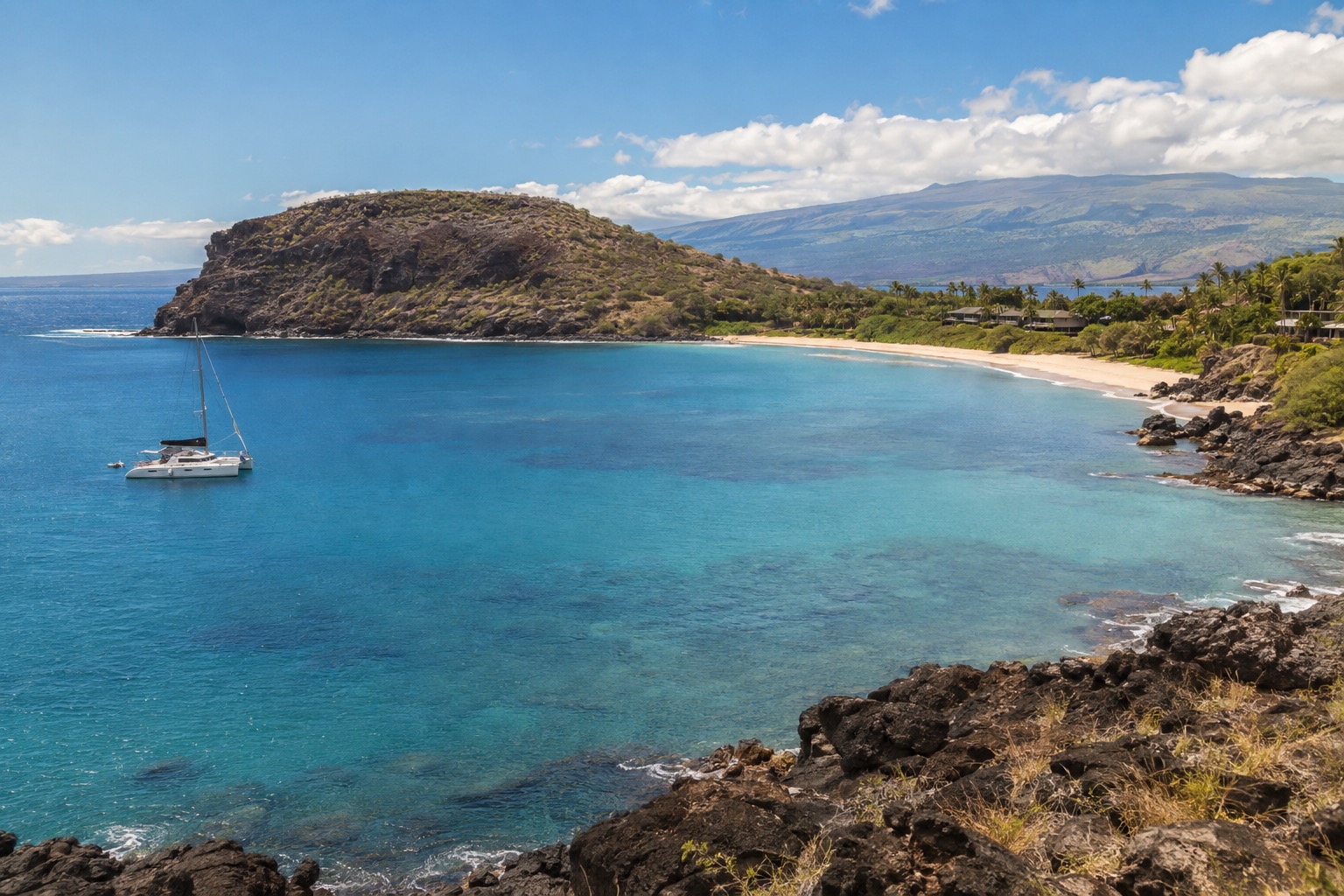
April is warm, sunny and mostly dry on the leeward coasts, with a few short showers that rarely last. April feels like a warm, easy middle ground between its neighbors.
| Month | Average high (°F) | Average low (°F) | Rain days | Sea (°F) |
|---|---|---|---|---|
| March | 82.9 | 65.1 | 4.5 | 75.5 |
| April | 84.5 | 66.6 | 2.5 | 76.1 |
| May | 86.5 | 67.7 | 1.7 | 76.8 |
Mornings are fresh and bright, ideal for a hike or a drive before the sun climbs. By midday the beaches of Wailea, Kaanapali and Kihei are properly hot, and a breeze from the trade winds keeps it comfortable. Evenings stay mild enough for dinner outside in a light shirt, though a thin layer helps once the wind picks up.
Rain in April comes as brief passing showers, mostly on the windward side around Hana and the slopes of the mountains, where the rainforest stays green and the waterfalls keep running. The dry coast around Lahaina, Kihei and Wailea sees little of it.
A day with a full inch of rain is rare. Daylight lasts about twelve and a half hours in mid-month, so there is time for a full day out and a sunset on the beach.
Up at the top of Haleakala, you are in a completely different climate. It is cold and often windy before sunrise, even when the beach below is warm, so bring real layers if you go up.
Can you swim in Maui in April?
Yes, you can swim for a long time in that sea, which feels a bit cooler than bathwater yet suits most people fine with no wetsuit.
The south and west shores, from Kihei down to Wailea and up to Kaanapali, usually have the gentler water in spring, since the big winter swells fade on those coasts. Snorkelers head to the rocky edges and coves, such as the reefs off Kaanapali Beach and the crescent beaches of Wailea, where fish are often easy to spot in the morning before the wind rises. Families tend to like the long, sandy stretches of Kihei for wading and sandcastles.
The north shore beaches near Paia and Honolua can still carry surf and strong currents at this time of year, and the windward coast around Hana has its own rough water. Because conditions shift daily, look over the posted warnings, note the flag colors and heed the lifeguards prior to entering the water.
Nervous swimmers do best on the lifeguarded stretches. Bring a rash guard, mineral sunscreen and a mask of your own if you plan to snorkel often.
What to do in Maui in April
April sits at the close of whale season, and that fact defines the month. The months of November through April typically bring humpback sightings, with the highest numbers from January through March, which means April offers fewer chances though they are still real, particularly in the calm waters between Maui, Lanai and Molokai.
Morning boat trips out of Lahaina and Maalaea are the classic way to look. You may also spot a blow or a breach from the shore at sunrise, particularly along the Lahaina coast, the Maalaea harbor and the cliffs near Wailea. Boats and swimmers must stay more than 100 yards from the animals.
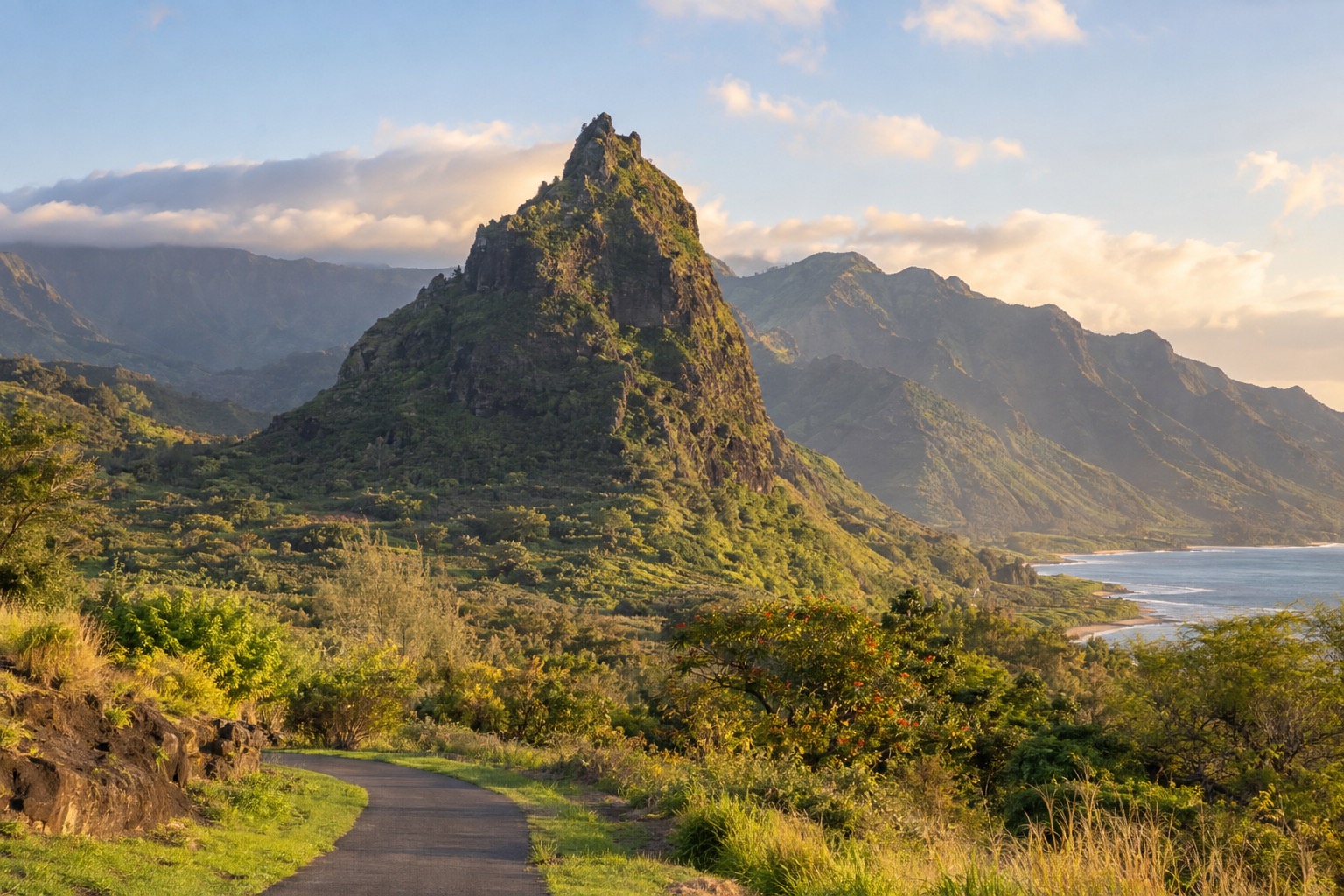
The rest of the month is about green hillsides and easy weather. Spring flowers brighten the upcountry, the rainforest is lush after the winter rains, and the heat of the dry season has not yet arrived. It is a pleasant time for walking, driving and long beach afternoons.
The Road to Hana
The winding road east from Paia is a full day, with narrow bridges, waterfalls, black sand and fruit and banana bread stands. In April, the rain on the windward side is light and short, which keeps the falls full and the jungle bright. Start early to get ahead of the traffic and give the curves time.
Stops people love include the lava tube and rocky coast near Hana, the black sand of Waianapanapa State Park and the pools of Oheo Gulch at the far end. Waianapanapa asks for a reservation, so plan that before the drive. Bring snacks, a swimsuit and a light rain jacket, and be ready to turn a sunny morning into a drizzly hour without fuss.
Haleakala at sunrise and in the daytime
The crater rim above the clouds is one of the great views of the Pacific. At sunrise, the sky goes from deep blue to orange over a landscape that looks like another planet. It is cold and breezy up there, and the sunrise visit requires a reservation, so book it ahead.
If you do not want a pre-dawn drive, the park is just as striking in the afternoon, with trails into the crater, silversword plants and a sky that often clears in April. Sunset and stargazing are quieter alternatives, and a warm jacket is essential for either.
Lahaina, Kaanapali and the west side
The west coast is where April’s dry weather shows best. Mornings suit a snorkel or a stroll along the Kaanapali beachwalk, afternoons suit a long beach lounge, and evenings are for sunset dinners facing the island of Lanai. Shops, galleries and casual restaurants along the shore serve fresh fish, poke and shave ice.
Food is part of the pleasure. Look for poke bowls, fish tacos, plate lunches, pineapple and coconut treats, and farmstand stops in the upcountry for fruit and fresh bread. Local farmers markets in Kihei and Paia are easy places to taste the island without a restaurant bill.
A two-day itinerary for Maui in April
Day 1 starts on the dry west and south sides. Go to a calm beach in Kaanapali or Wailea in the early morning, when the water is clear and the wind has not picked up, and snorkel along the rocks. Have a late breakfast at a bakery or cafe, then spend midday in the shade, with a walk through Lahaina’s waterfront or a browse of galleries.
In the afternoon, take a boat trip from Maalaea or Lahaina to look for the last whales of the season, or simply rest on the sand. Dinner at a casual spot by the water suits the evening, and the sun sets over Lanai at a pleasant hour. If rain arrives, a museum, a shop crawl or a long lunch indoors fills the time.
Day 2 is for the mountain or the road. Either go up Haleakala for a sunrise, with warm layers and a reservation, or start early for the Road to Hana. Both reward an early start, and both are better before the afternoon clouds build.
After the sunrise, come down for a late breakfast in Paia or Makawao and a quiet afternoon at the beach. If you chose Hana, stop at stands for fruit and banana bread on the way back and plan a simple dinner. On a rainy day, upcountry cafes, a farm stop or the lush gardens near Hana make good indoor-outdoor fallbacks.
Is Maui busy in April?
Moderately, with the busiest winter weeks behind it and a calmer pace on the beaches and roads.
Spring break and Easter weeks can bring families and a bump in demand, especially around the resort areas of Wailea and Kaanapali, while the weeks in between feel noticeably quieter. Rooms and rental cars are easier to find outside the holiday weeks, and restaurant tables in the popular spots still fill at dinner. Because Easter moves every year, the busiest stretch shifts with it.
A good habit is to book early for any trip that overlaps school breaks and Easter, and a little later for the quiet weeks. The reservations that matter most this month are the Haleakala sunrise and Waianapanapa State Park, which fill ahead of time, so set them up as soon as your dates are firm. Whale-watching boats are usually easiest to arrange a few days out, and the last-season trips often have more space than in February.
What to pack for Maui in April
Pack for warm beach days, a cool summit and the odd shower.
- Mineral sunscreen and a rash guard, for strong sun and long swims
- A warm jacket or fleece, for the cold of Haleakala before sunrise
- On the Hana side, pack a light rain jacket for those brief showers.
- Water shoes, for rocky entries and waterfall trails
- Your own snorkel mask, for easy morning swims
- Binoculars, for late whale sightings from shore
Good to know before you go
April falls well before the Central Pacific hurricane season, which runs from June 1 to November 30. The main planning job this month is reservations for the summit and for Waianapanapa, and renting a car early if you want to drive the Hana road or reach the upcountry. Distances look short on the map but roads are slow and winding, so leave room in each day.
| Fee | Amount | Who pays |
|---|---|---|
| State transient accommodations tax | 11% | Hotel guests |
| Maui County transient accommodations tax | 3% | Hotel guests |
Maui in April vs March and May
Moving the trip a month earlier brings more whales, since March is still near the peak of the season, along with a few more showers and slightly cooler water. It also tends to carry more spring break crowds, so the beaches and the trails feel busier.
A month later, in May, the whales have mostly left, the days turn a bit hotter and drier, and the sea warms a little more. The island feels quieter between the spring crowds and the summer family weeks, which suits travelers who care more about beaches and calm than about wildlife.
Choose March if whales are the priority, and May if you want the driest, warmest days. April is the middle path, with a last chance at whales and a settled, sunny feel.
Is April a good time to visit Maui?
Yes, especially for travelers who want warm beaches and gentle weather without the full winter crowds.
Beach lovers, families, snorkelers and drivers who like green landscapes will enjoy it most. Travelers set on big whale encounters may prefer an earlier month, and anyone who wants the hottest, driest days may lean to May. On arrival, confirm the reservations for the Haleakala sunrise and Waianapanapa, then pick a whale-watching morning while the season lasts. What makes April in Maui memorable is the overlap: a final humpback breaching off the Lahaina coast in the morning, and an unhurried afternoon on a warm beach with room to spread out.
Sources
- NOAA NCEI, monthly normals 1991-2020, station USW00022516, checked September 8, 2026
- Open-Meteo Marine API, average 2015-2024, checked September 8, 2026
- sunrise-sunset.org, sunrise and sunset calculated for the 15th of the month, checked September 8, 2026
- NOAA, Hawaiian Islands Humpback Whale National Marine Sanctuary, pages Responsible Recreation and About, checked September 25, 2026
- Hawaii Department of Taxation, Announcement 2025-03 ; County of Maui, TAT Announcement 2021-01 (mauicounty.gov/2537), checked September 25, 2026
- NWS Honolulu / Central Pacific Hurricane Center, « 2026 Central Pacific Hurricane Season Outlook », weather.gov/hfo/hurricaneOutlook2026, checked September 24, 2026