
On a March morning in Kona, the fishing boats slip out of the harbor while the first light turns Hualalai a soft rose, and the smell of fresh coffee drifts from the open doors along Alii Drive. The air is warm, the sky is mostly blue, and the pace is easy. This is a month for swimming, snorkeling and slow afternoons on the sunny west coast of the Big Island, for travelers who want warmth without the heat of late summer.
What is the weather like in Kona in March?
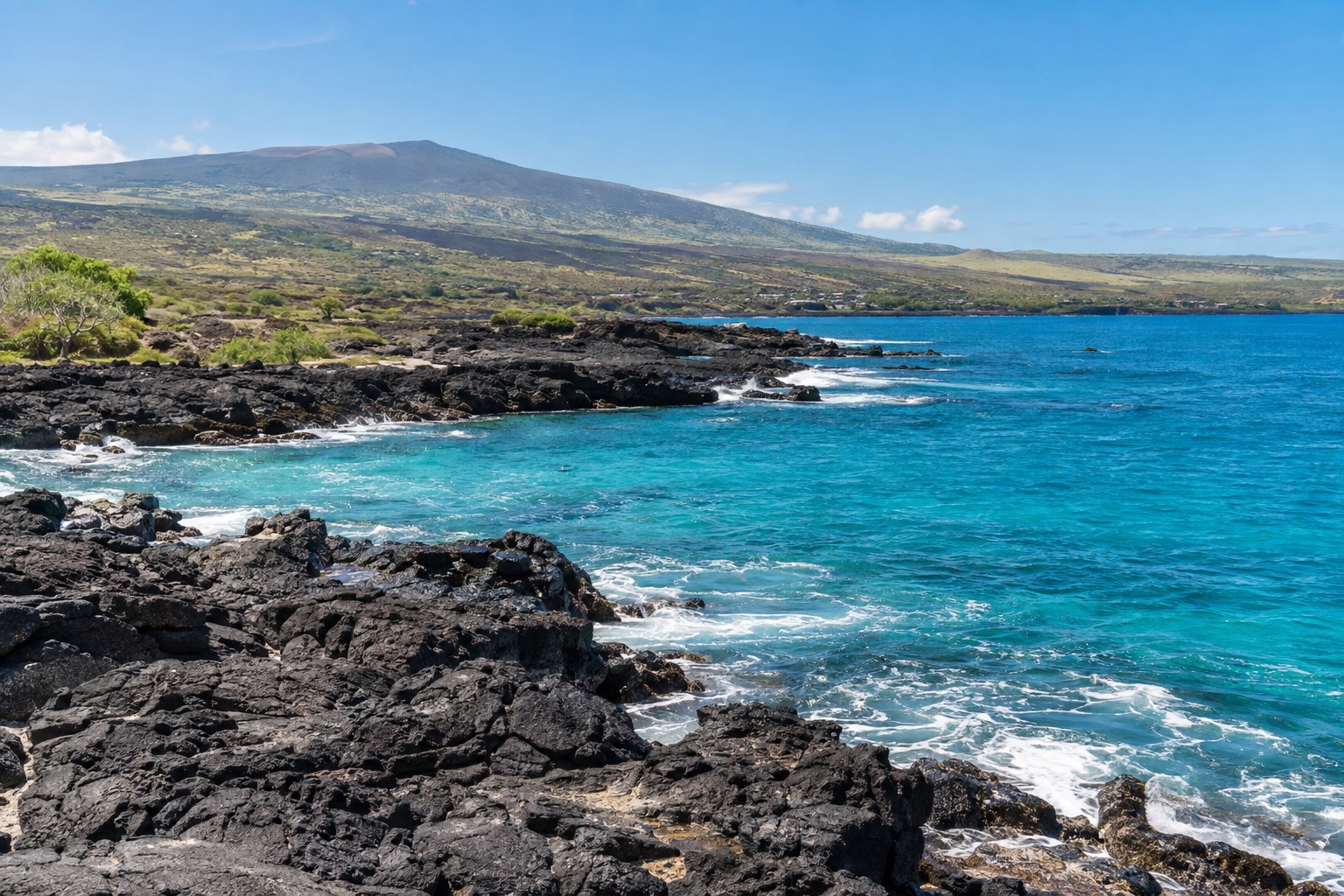
March in Kona is warm, sunny and mostly dry, with a short shower now and then. Because the volcanoes put the leeward coast in a rain shadow, clouds that drench Hilo on the island’s other side frequently break up before arriving at this shore.
| Month | Average high (°F) | Average low (°F) | Rain days | Sea (°F) |
|---|---|---|---|---|
| February | 81.5 | 68.4 | 1.5 | 77.9 |
| March | 82.2 | 69.7 | 1.9 | 77.6 |
| April | 83.2 | 71.1 | 1.5 | 78.1 |
Mornings start soft and clear, ideal for a walk along the oceanfront or a coffee on a lanai. By midafternoon the sun is strong enough that you will want a hat and shade, and clouds sometimes build over the slopes behind town, giving a brief shower that is over before you finish your drink. Rain is rare on the coast itself, and a wet day is the exception.
You can eat dinner outdoors in a T-shirt or light layer since evenings remain comfortably warm. The days are a little longer than the nights now, so sunset arrives after dinner reservations are usually set. The light is bright and clean, and the late afternoon glow over the water is one of the best things about the month.
If you head up the mountain, the picture changes. Volcano country and the high slopes of Mauna Kea are cooler and can be wet or windy, so a jacket belongs in the bag for any day that climbs out of town. Back at the shore, expect shorts weather and plenty of sunscreen.
Can you swim in Kona in March?
Sure, you can take a long swim in that warm water, and the majority of folks remain in it with no wetsuit and feel just fine. It feels refreshing on arrival and pleasant after a few minutes, especially in the afternoon sun.
The Kona coast is sheltered from the big northern swells that hit Oahu and Maui in winter, so the water along many beaches is often calmer than elsewhere in the islands. That makes bays like Kahaluu, Kealakekua and the beaches along the Kohala coast popular for snorkeling, where you may see reef fish and sometimes turtles. Conditions change by the day and by the beach, though, so a quick look at the signs and a word with the lifeguard matter more than any forecast.
Families with small children tend to favor the shallow, protected corners of the bays, while stronger swimmers and surfers look at the more exposed points. Pack a light shirt or rash guard for sun protection, plus mineral sunscreen, and bring fins and a mask along if you own them. Follow the flags and the beach signs, stay clear of the reef, and keep your distance from turtles and any other marine life you meet.
What to do in Kona in March
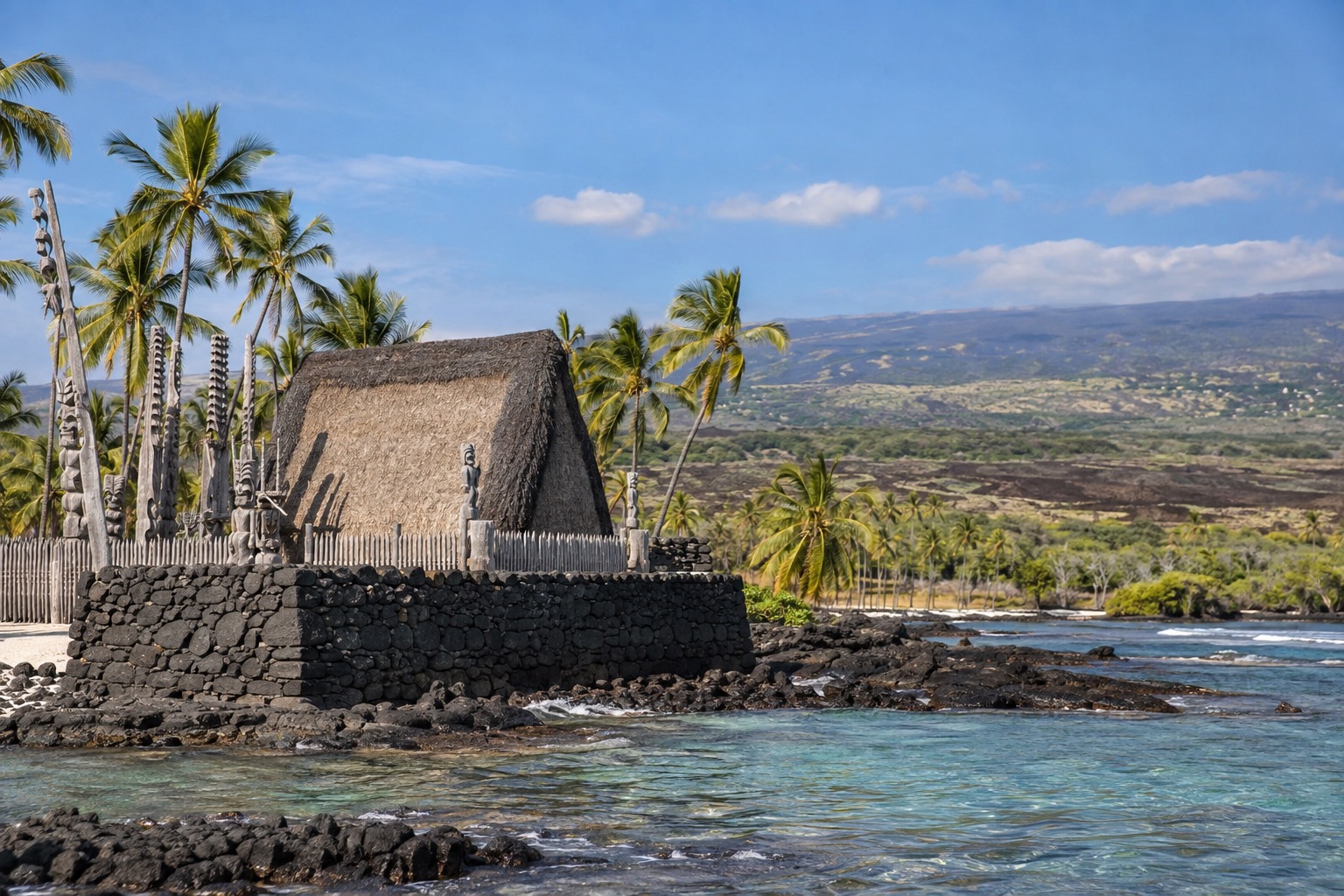
March is a good month to spend most of your time outdoors. The weather is settled, the water is inviting, and the coast gets lively without feeling packed. Easter and the Merrie Monarch hula festival in Hilo sometimes fall in or near this month depending on the year, so the island can feel festive in the days around them. Check when Easter falls, since the festival follows it by a week.
Snorkeling and boat trips along the coast
The calm mornings are the best time to get in the water, and the bays south of town are the classic outing. Kealakekua Bay, with its white monument at the far shore, is a favorite for snorkelers and kayakers, and boat tours leave from the harbors in the early part of the day. Closer to town, Kahaluu Beach Park has an easy entry and plenty of fish near the shore.
Go early, when the water is glassy and the crowds are thin, and plan your afternoon for shade or a long lunch. The trade winds usually pick up later in the day and can roughen the surface. Reef fish are the main show, and turtles sometimes drift through, so look without touching and keep a respectful distance.
Coffee country and Kailua village
Higher up the hill from town, cooler and cloudier conditions surround the Kona coffee farms, where tastings and tours of the roasting process are available at plenty of them. It is an easy, shaded outing that suits the middle of the day, when the coast is at its hottest. Expect small family farms, the smell of roasting beans and a cup that is usually served very fresh.
Back at sea level, Kailua village is the place for a walk along Alii Drive. Hulihee Palace and the old stone Mokuaikaua Church give a sense of the town’s history, and the seawall is where locals and visitors watch the sun go down. Shops, shave ice stands and open-air restaurants fill the street, and an evening stroll is easy and pleasant.
Lava landscapes and the night sky
A day trip to Hawaii Volcanoes National Park takes you from palm trees to a cool, damp crater rim, so bring a jacket and rain layer. The park is a different world from the beach, with steam vents, old lava fields and rainforest. Plan a full day, since the drive is long and the weather up there can turn quickly.
Mauna Kea is the other big outing, known for its star viewing after dark. The summit is cold and the air is thin, so dress warmly and take it slowly. Both trips suit travelers who want something beyond the beach and do not mind a long day behind the wheel.
For food, think poke from a local counter, fresh fish grilled over a simple plate, shave ice on a warm afternoon and a cup of Kona coffee wherever you can find it. Farmers markets and roadside stands sell tropical fruit, and many restaurants set tables on open lanais where you can eat with the breeze. The mood in town is relaxed, with surfers, divers and families sharing the waterfront.
A two-day itinerary for Kona in March
Day 1 is for the water and the village. Get to Kahaluu Beach Park at first light, while the ocean is calm and the glow is gentle, and explore the reef by snorkel ahead of the crowds. Return for a late breakfast at a café in Kailua, then retreat from the midday sun to a shaded spot or a museum.
In the afternoon, walk the seawall and the old church and palace area, stopping for shave ice. Dinner is a good time to try a waterfront restaurant with an open view, since sunset happens in the early evening and the day is just over twelve hours long. If clouds roll in, the shops and galleries along Alii Drive make an easy indoor fallback.
Day 2 heads uphill and south. Begin with a coffee farm tour in the cooler air of the slopes, then continue to the Kealakekua area for a view of the bay and, if the sea looks calm, a kayak or boat outing. Keep lunch simple, a plate lunch or a poke bowl from a local stand.
Return to the coast in the late afternoon and finish at a beach for the sunset. If rain settles over the slopes, shift the day to indoor stops such as a coffee mill, a small museum or a long lunch, and save the water for the next clear morning.
Is Kona busy in March?
Kona is moderately busy in March, with a steady flow of visitors but less crowding than the winter holidays or the peak of summer. Mainland spring breaks bring families and groups, and the weeks around Easter can feel fuller, with the beaches and restaurants lively but rarely overwhelming.
The harbor, the snorkel bays and the waterfront restaurants are where you will notice other people most, especially in the morning and at sunset. Away from those spots, the coastline and the coffee farms stay calm. Quieter weeks outside the school breaks leave more room on the sand and shorter waits for tables.
Reserve your lodging and your rental car well ahead for the weeks of spring break and Easter, then somewhat closer in for the calmer periods. Popular dinner spots and boat tours fill first, so reserve those once your dates are set. Some sites in the islands ask for advance reservations, so check the rules for any park or trail you plan to visit before you go.
What to pack for Kona in March
Pack light for sun and water, with one warm layer for the mountains. The coast is warm all day, and the cooler air appears only when you climb.
- Swimsuit and a rash guard, for long hours of snorkeling in the sun
- Mineral sunscreen and a wide-brimmed hat, since the light is strong
- Snorkel and mask, if you prefer your own fit
- A light jacket or fleece, for volcano country and evenings up the slope
- Water shoes, for rocky entries to beaches and bays
- A compact rain shell, for a passing shower
Good to know before you go
March sits outside the official hurricane season, which runs from June 1 to November 30. Because the sights scatter along the coast and up the mountain, the simplest way to get around is a rental car. Book the things that fill first, such as boat tours and popular dinners, and keep the beach signs and lifeguards in mind each time you enter the water.
| Fee | Amount | Who pays |
|---|---|---|
| State Transient Accommodations Tax | 11.00% | Guests on lodging |
| County of Hawaii Transient Accommodations Tax | 3% | Guests on lodging |
| General Excise Tax pass-on (maximum, including county surcharge) | 4.7120% | Customers of businesses |
Kona in March vs February and April
Moving the trip to February brings slightly cooler air and a sea a touch warmer on paper, but the feel is much the same. It is also the heart of humpback whale season in Hawaii, which makes it a good pick if watching whales matters to you. The crowds can be a little more winter than spring.
April is a little warmer and a bit drier, with the sea creeping up in temperature. The spring break rush eases, and the feel is more settled and summery. Easter and the hula festival may land in this month depending on the year, which adds events to the calendar.
If whales are your priority, lean toward February. If you want the warmest water and slightly lighter crowds, choose April. March sits comfortably between the two and suits travelers who want balanced weather, an active coast and an easy booking window.
Is March a good time to visit Kona?
Absolutely, March suits travelers seeking sunshine, warm water, and a coast that feels lively yet relaxed. Snorkelers, families, coffee lovers and anyone who likes to spend the day outside will enjoy it.
It suits less well anyone chasing a quiet, empty island or hoping for cool, rainy days to hike in the mist. If that is you, another time of year may fit better. On arrival, start with the water: get in early at a bay, then plan the rest of the days around the sun.
What makes March in Kona special is the balance. The mornings are clear, the sea is warm, the coffee is fresh and the light on the water at day’s end is soft and golden, all before the heat of summer arrives.
Sources
- NOAA NCEI, monthly normals 1991-2020, station USW00021510, checked September 8, 2026
- Open-Meteo Marine API, average 2015-2024, checked September 8, 2026
- sunrise-sunset.org, sunrise and sunset calculated for the 15th of the month, checked September 8, 2026
- Hawaii Department of Taxation, Tax Announcement No. 2025-03 (Transient Accommodations Tax Law Changes from 2025 Legislative Session), files.hawaii.gov/tax/news/announce/ann25-03.pdf, checked September 24, 2026
- County of Hawaii, Department of Finance, Transient Accommodations Tax (TAT) page, hawaiicounty.gov/departments/finance/transient-accommodations-tax-tat (live returned HTTP 403 on request, read via Internet Archive Wayback Machine snapshot dated August 14, 2026, same official content), checked September 25, 2026
- Hawaii Department of Taxation, County Surcharge on General Excise and Use Tax page, tax.hawaii.gov/geninfo/countysurcharge/, checked September 25, 2026
- NOAA NCEI, monthly normals 1991-2020, station USW00021504
- NOAA NCEI, monthly normals 1991-2020, station USC00511303
- NWS Honolulu / Central Pacific Hurricane Center, « 2026 Central Pacific Hurricane Season Outlook », weather.gov/hfo/hurricaneOutlook2026, checked September 24, 2026