
Early in the morning in Corozal, fishermen are already out on the flat water of the bay, and the smell of fresh bread and frying johnnycakes drifts along the streets near the plaza. Spanish is the language you hear most at the market stalls, and pickup trucks loaded with sugar cane roll past the park. This is Belize’s northernmost town, a Mestizo bayside place with a Maya past under its streets, and it suits travelers who like slow days, local food and a base for the ruins, the bay and the Mexican side of the border.
What are the best things to do in Corozal?
The best things to do in Corozal are the quiet ones: stroll the bayfront, learn the town’s story in the House of Culture, visit the Maya ruins at Santa Rita and Cerros, eat Mestizo cooking, and use the town as a launch pad for the bay and for Mexico. Nothing here is hurried, and the pleasure comes from letting the day unfold at the pace of the water.
- The bayfront, where the town meets the Caribbean Sea and the air smells of salt and mangroves, is the place to start and end a day.
- The Santa Rita Archaeological Site, a Maya ceremonial center whose foundations lie right under the town, brings the ancient past into the streets.
- The House of Culture and its mural tell the story of Corozal’s people, from the Maya to the Mestizo families who rebuilt after the storm.
- Cerros, another Maya site tied to the bay, rewards anyone who likes ruins with a waterside setting.
- Fishing excursions in the calm bay put you on the water with people who know it well.
- Bird and wildlife tours explore the wetlands, lagoons and forest edges of the northern district.
- A trip across the border to Chetumal brings shopping, Mexican street food and a boardwalk of its own.
- Maximum Water Park gives families a splashy afternoon away from the ruins and the heat of the plaza.
A good first day pairs the bayfront with the House of Culture in the morning and keeps the evening for dinner at a family-run kitchen. A second day can go to Santa Rita and the market, then a third to Cerros or the bay. Corozal rewards a long weekend, and it fits neatly into a trip that continues south toward Orange Walk, Belize City or the cayes.
Because the town sits so close to Mexico, many of its pleasures have a Yucatán accent. You hear it in the cooking, in the Spanish spoken at the counter and in the way the evening crowd gathers around the plaza. That blend of Belizean and Mexican habits is the real character of the place, and it is easy to taste and see without going far.
Sights and landmarks in Corozal
Corozal’s landmarks are modest in scale and rich in story. Hurricane Janet flattened an estimated 90% of the town in 1955, and most of what you see today was built afterward, so the streets feel more like a rebuilt coastal town than a colonial center. What survived, and what lies underneath, is the Maya story.
Santa Rita Archaeological Site
The town of Corozal lies on the foundations of Santa Rita, an ancient Maya ceremonial center whose history reaches back to 2000 BC. The mounds sit on the edge of town, with houses and fields close by, which gives the visit a quiet, almost domestic feel. You see grassy platforms, the remains of structures and a long view across rooftops toward the bay.
Santa Rita is a modest site compared with the giants of the Cayo District, and that is part of its appeal. There are no crowds and no sense of a checklist, just a place where a Maya trading and ceremonial city once stood beside the water. It suits anyone curious about how the Maya used this coast, and it pairs well with a morning at Cerros or a stop in the House of Culture afterward.
| Site | Open |
|---|---|
| Santa Rita Archaeological Site | Daily, 8:00 a.m. to 5:00 p.m. |
The House of Culture and its mural
Corozal is predominantly Mestizo, with Spanish the everyday language, and the town’s history is told in a mural in the House of Culture. It is a good first stop for the whole region, because it gives faces and events to the names you will meet on the road: the Maya, the refugees who came north, the sugar farms and the storm that remade the town.
Take your time in front of the mural and look for the details, the boats, the fields, the clothing and the buildings that no longer stand. Then step back outside and the plaza, the bay and the market make more sense. It is a small stop with a large payoff, and it works well on a day when the sun is strong or a rain shower sends everyone indoors.
Cerros and the bay’s Maya past
Cerros, together with Santa Rita, is one of the Maya ruins that Corozal serves as a base for. It stood on the shore of the bay, in a landscape of water, mangrove and open forest, and its large temple structures were built to be seen from the water. Maya traders and travelers once moved along this coast, and the setting makes it easy to picture them.
The site rewards slow looking more than speed. You may notice birds in the trees around the plazas, a breeze coming off the bay and the way the temples rise from flat ground. It is a good choice for travelers who like ruins with a sense of place, and it fits naturally into a day that also includes a fishing or birding outing on the bay.
The plaza, the market and the old town streets
The central park is the town’s living room. Around it you find small shops, bakeries, hardware stores and the municipal buildings that frame daily life.
The market is where Corozal’s Mestizo character shows most plainly. Look for tables of fruit, tortillas, spices, fresh fish and household goods, and listen to the mix of Spanish, English and Belizean Creole. Along the waterfront, a seawall and a promenade give you open views of the bay, and the old Fort Barlee area marks a chapter from the days of the Caste War refugees who settled the town.
Beaches and outdoor things to do in Corozal
Corozal’s outdoors is about water, wetlands and open sky rather than classic sandy beaches. The town lies on the Caribbean Sea at the head of a wide bay, and the shoreline is more mangrove, seawall and grass lawn than white sand. What you get instead is a broad, calm-looking horizon, birds, boats and a gentle pace.
The bayfront and the waterside parks
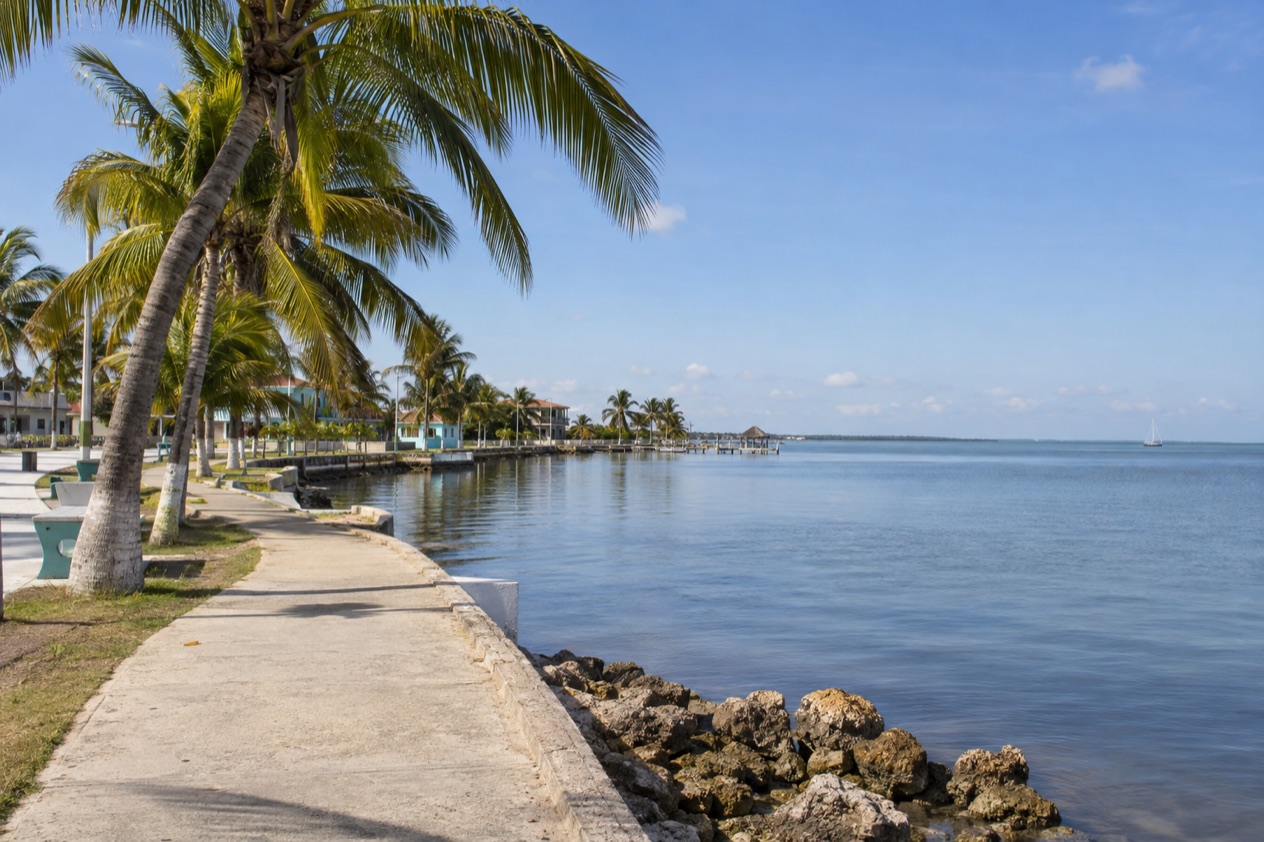
The bayfront is the town’s great open space. A paved promenade runs beside the water, with palms, benches and wide views toward the far shore, and in the early hours people jog, walk dogs and watch the light change. Pelicans, frigatebirds and terns work the water, and small fishing skiffs come and go.
This is not a beach in the sense of sunbathing and surf, and nothing here promises swimming. It is a place to sit, to read, to watch the bay and to meet the town. Bring a hat for the sun, and treat the promenade as a morning and evening habit, when the air is gentler and the town comes out to enjoy it.
Fishing excursions on the bay
Corozal is a good base for fishing excursions in the calm bay. The shallow, sheltered water has long supported small-scale fishing, and local captains know the flats, the channels and the mangrove edges. A day on a skiff gives you a close look at the bay’s wildlife, from wading birds to the occasional jumping fish.
Fishing here is a quiet, patient pastime, and it suits travelers who prefer a boat and a line to a tour bus. Even if you do not fish, the time on the water shows you the shape of the coast, the mangroves and the village life that depends on them. Ask local captains and guesthouse staff about what the bay is offering and what a trip includes.
Bird and wildlife tours
Northern Belize is a quiet corner for birders. Corozal’s wetlands, lagoons and forest edges attract herons, egrets, kingfishers, jacanas and raptors, and bird and wildlife tours from town head out to look for them. Expect patient scanning, binoculars and the pleasure of a bird appearing exactly where a guide said it might.
These outings are chances, not promises. Wildlife depends on the light, the water level and a little luck, but the setting is lovely in any case. The tours suit travelers who enjoy slow nature, and they combine well with a ruin visit, since both take you out of town into the countryside around it.
Maximum Water Park and other ways to cool off
When the sun is high, Maximum Water Park is the town’s answer to the heat. It gives families and groups a place to splash, slide and spend an afternoon in the shade of the park’s grounds, and it has become a local hangout as much as a visitor stop.
Beyond the water park, cooling off in Corozal often means a cold drink in the plaza, a seat under a tree or a breeze along the promenade. Plan the more active parts of the day early or late, and let the middle hours be for lunch, shade and a slow wander through the market.
Day trips from Corozal
The day trips from Corozal reach in three directions: north across the border into Mexico, east and south around the bay to fishing villages, and out to the islands and reserves of the cayes. Each gives a different taste of the region, and together they show how connected this corner of Belize is to its neighbors.
Chetumal, Mexico
Chetumal, the capital of the Mexican state of Quintana Roo, lies just across the border, which is 9 miles from Corozal Town. It sits on the western side of Chetumal Bay near the mouth of the Río Hondo, which forms the boundary between the two countries. The city is much larger than Corozal, and Corozal makes a good base for shopping trips there.
In Chetumal you find a waterfront boulevard, big markets, supermarkets, taquerías and the evening snack stalls selling marquesitas, the crisp rolled crepes filled with cheese and sweet toppings. The city also has an international airport with commercial service. From its maritime terminal, the San Pedro Belize Express Water Taxi runs to Belize City, Caye Caulker and San Pedro on Ambergris Caye, so the city works as a gateway as well as a day out.
Bacalar and its fortress
Bacalar, in Mexico, is the other great draw across the border. It began as a Maya city called Sian Ka’an Bakhalal, founded in 415 A.D., and in 1545 Gaspar Pacheco established the Spanish town of Salamanca de Bacalar. Its centerpiece is the Fortress de San Felipe, completed in 1729, which you may visit today.
The town is relaxed, with a shaded plaza, small cafés and lakeside terraces. It suits travelers who like history with a view, and it rounds out a Corozal stay with a very different landscape.
Sarteneja
Sarteneja is a small coastal village at the mouth of the Bay of Chetumal. It is the largest fishing community in Belize and the second largest village, with a population of about 3,500, and it lives mainly from fishing, away from the main tourist crowds. Its Maya name, Tza-ten-a-ha, points to water and rock, and to the many wells found across the area.
Spend your time here watching the boats, wandering the village streets and looking at the waterfront where fishing is the rhythm of the day. Sarteneja has long been known for its wooden boats and seafaring families, and the village feels like a working place rather than a showcase. Its church was the one building spared when a hurricane destroyed the village in 1956, a detail locals still point out.
Bacalar Chico and the reef side
For a look at the reef coast, Bacalar Chico National Park and Marine Reserve occupies the northern end of Ambergris Caye, from Chetumal Bay in the west to the Caribbean Sea in the east. It was designated in 1996 and covers 28,169 acres, and it is one of seven sites in the Belize Barrier Reef System World Heritage Site.
Corozal is just a short hop from San Pedro on Ambergris Caye, which makes the reef part of the same trip rather than a separate holiday. The Belize Barrier Reef is the second largest in the world, and this reserve gives a feel for its mangrove, lagoon and sea habitats. It suits travelers who want to pair a quiet bayside stay with a taste of the cayes.
What to eat in Corozal
Eating in Corozal means Mestizo cooking with a strong Yucatán accent, built on corn tortillas, chicken, pork, fresh fish and a table of hot sauces. The food reflects the town’s population and its closeness to Mexico, and you taste it in the market, the small family kitchens and the street stalls around the plaza.
Mestizo classics
Start with the small fried things. Panades are crisp corn shells stuffed with fish or beans, salbutes are puffy fried tortillas topped with shredded chicken, lettuce and pickled onion, and garnaches are crunchy tortillas with beans, cheese and cabbage. These are everyday snacks, eaten standing up or at a plastic table, with a little hot sauce.
For a sit-down meal, look for escabeche, a tangy onion and chicken soup spiced with vinegar and black pepper, and relleno negro, the dark, smoky stew that comes from the Yucatán tradition. Tamales wrapped in banana leaf, stewed chicken with rice and beans and fresh tortillas round out the table. Many of these dishes turn up at family celebrations as well as in restaurants.
Fish and seafood from the bay
Being on the bay, Corozal naturally has fresh fish on the menu. Look for whole fried fish with rice and beans, fish in a coconut sauce, shrimp cooked simply with garlic and conch in its many forms, from fritters to ceviche. Ceviche here arrives bright with lime, cilantro, onion and pepper, served with crackers or tortilla chips.
Seafood is a good order at a small waterside place where the catch comes in nearby. The pleasure is in the simplicity: a plate of fish, a few limes and a cold drink. Ask what came in that day, and you will often be pointed toward the best option.
Breakfasts, bakeries and drinks
Breakfast in Corozal tends toward the hearty. Fry jacks, the puffy fried dough served with beans, eggs and cheese, share the table with johnnycakes, fresh tortillas and coffee, and local bakeries sell sweet breads and pastries through the morning. A fresh fruit juice, whether orange, watermelon or limeade, is a refreshing way to start a warm day.
Later on, a cold Belikin, the national beer, and a splash of local rum are the usual evening drinks, along with sodas and licuados. Cooks often keep a bottle of Marie Sharp’s hot sauce close at hand, and a little goes a long way. Sugar cane is a major crop in the north, and you may spot fresh cane juice or sweets made from it.
Eating across the border
A trip to Chetumal opens up another menu. Taquerías serve tacos al pastor and cochinita pibil, and the evening snack stalls offer marquesitas, tortas and fresh fruit cups with chile and lime. The mix of Belizean and Mexican cooking makes Corozal a rewarding stop for anyone who likes to taste two cuisines in one trip.
Back in town, the market remains the best classroom. Walk the stalls, see what is in season and try a few small things instead of ordering one large meal. Each taste tells you something about the people who live here and the land and water that feed them.
Things to do in Corozal at night
Evenings in Corozal are quiet and social, centered on the plaza, the bayfront and a handful of bars and restaurants. This is not a nightlife town in the party sense, and the charm lies in how simple the night is: a stroll, a cold drink, a plate of food and the sound of the town winding down.
The plaza and the bayfront after dark
When the heat of the day eases, people drift toward the park. Families sit on the benches, children run between the trees, and vendors sell snacks and cold drinks. The bayfront promenade is a natural extension of the same habit, with a breeze coming off the water and lights reflecting on the dark surface of the bay.
Walking here at dusk is one of the most pleasant things to do in town. It gives you time to watch the neighborhood go about its evening, to listen to the Spanish conversation and to decide where to eat. It costs nothing, and many travelers make it a ritual before dinner.
Dinner, drinks and small bars
Evening meals are the best moment for Mestizo and seafood dishes, from a plate of stewed chicken to fish with rice and beans. Some restaurants sit along the water, which adds a view, while others are simple family kitchens where the cooking is the main attraction. Order a cold Belikin or a rum and soda and settle in.
There are small bars in town where locals gather for a drink, and some hotels and guesthouses have their own terraces. Music, when it plays, is often a mix of Latin pop, cumbia, reggaeton and Belizean favorites. It suits travelers who like a relaxed night and a conversation more than a club scene.
Quiet nights and the northern sky
With few bright lights and a wide bay, the sky over Corozal can be lovely on a clear night. Stars may appear above the water, and the sound of the sea and the insects fills the dark. A terrace, a hammock or a seat on the seawall makes a good observatory.
If you want something livelier, a trip to Chetumal offers a bigger choice of restaurants, bars and evening stalls, with a lively boulevard along the water. For most travelers, though, the best nights in Corozal are the slow ones, with a good meal, good company and an early start the next morning for the bay or the ruins.
Things to do in Corozal with kids
Kids in Corozal are best served by space, water and animals. Maximum Water Park, which opened to the public in April 2021, is the clearest family stop, and the rest of the town offers parks, boats, ruins and a market full of new things to look at. It is a gentle destination that suits families who like to go slowly.
Maximum Water Park
The water park gives children a place to splash, run and burn off energy, and it gives parents a chance to sit in the shade. It is one of the few purpose-built family attractions in the area, and it has become a local favorite for birthday parties and weekend outings.
Go early or late in the day to avoid the strongest sun, and bring hats, sunscreen and water. Children often want to stay all afternoon, so plan a snack stop or a cold treat afterward from a nearby vendor. It pairs well with a slow evening in the plaza.
Ruins, boats and the bayfront
Older children may enjoy Santa Rita, where grassy mounds and stories of Maya life spark the imagination, and where the open space lets them move around. Cerros adds a bay setting and a feeling of discovery. A little preparation helps, such as a few facts about the Maya and a field guide for birds.
The bayfront promenade is a good place for kids to run, scoot and watch pelicans and fishing boats. A boat outing on the bay gives them a view of the shore from the water, and a wildlife tour may deliver herons, egrets and perhaps something more unusual. Always keep a close eye on children near the water, and remember that nothing here suggests the bay is a place for swimming.
Food, heat and pacing
Children tend to like the simple Corozal staples: tortillas, rice and beans, fried chicken, fry jacks and fresh fruit juices. The market is a sensory adventure of colors, smells and sounds, and a few small purchases make children feel part of the experience. Plain dishes are easy to find at most kitchens.
Heat and sun are the main challenges. Build the day around early mornings and late afternoons, with a long lunch and a rest in the middle, and carry water, hats and sunscreen. The town is spread out but compact, and a relaxed pace suits small travelers better than a packed schedule.
Good to know before you go
The U.S. State Department rates Belize Level 2, “Exercise increased caution”, because of crime, and says the south side of Belize City has historically had the highest concentration of violent crime.
Corozal Town lies about 84 miles from Belize City, in the northernmost district of the country, and it is a natural stop on the way to or from Mexico. Prices and payments in Belize use the Belize dollar, and a little local currency is handy at the market and the small kitchens. The Atlantic hurricane season runs from June 1 to November 30, and the town’s history, including the destruction of 1955, is a reminder of why that calendar matters.
Plan your days around the ruins, the bay and the market, and keep the middle of the day for shade and a long lunch. Spanish is the language of daily life here, and a few words go a long way at the stalls and the bakeries.
Sources
- Wikipedia, Corozal Town (https://en.wikipedia.org/wiki/Corozal_Town), checked October 11, 2026
- Wikivoyage, Corozal (https://en.wikivoyage.org/wiki/Corozal), checked October 11, 2026
- Wikipedia, Corozal District (https://en.wikipedia.org/wiki/Corozal_District), checked October 11, 2026
- Wikipedia, Sarteneja (https://en.wikipedia.org/wiki/Sarteneja), checked October 11, 2026
- Wikivoyage, Sarteneja (https://en.wikivoyage.org/wiki/Sarteneja), checked October 11, 2026
- Wikipedia, Chetumal (https://en.wikipedia.org/wiki/Chetumal), checked October 11, 2026
- San Pedro Belize Express Water Taxi, Chetumal (https://belizewatertaxi.com/destinations/chetumal/), checked October 11, 2026
- Tropic Air, Corozal (https://www.tropicair.com/corozal-czh/), checked October 11, 2026
- Maya Island Air, Corozal flights (https://www.mayaislandair.com/belize-flights-corozal/), checked October 11, 2026
- Wikipedia, Bacalar (https://en.wikipedia.org/wiki/Bacalar), checked October 11, 2026
- Belize Fisheries Department, Bacalar Chico Marine Reserve (https://fisheries.gov.bz/bcmr/), checked October 11, 2026
- Wikipedia, Tourism in Belize (https://en.wikipedia.org/wiki/Tourism_in_Belize), checked October 11, 2026
- U.S. Department of State, Belize Travel Advisory, Level 2, March 11, 2026 (https://travel.state.gov/), checked October 11, 2026
- NOAA National Hurricane Center, Climatology (https://www.nhc.noaa.gov/climo/), checked October 11, 2026
To plan your stay
- Best Time to Visit Corozal: Weather by Month, Sea Temperatures and Festivals
- Where to Stay in Corozal: Corozal Town, Sarteneja, Hotel Licenses and the Lodging Tax
- Corozal from Belize City: By Road, by Air, and a Day on the Bay of Chetumal
- Know Before You Go to Corozal: Entry Rules, Money, Roads and Health