
Mornings on Ambergris Caye start with the whir of golf-cart motors and the clink of boats along the San Pedro shoreline. Snorkelers head out toward the barrier reef, and the smell of fry jacks and coffee drifts from small breakfast spots.
It is an easygoing island, and that ease is why people ask how careful they need to be. The honest answer has a few layers: a relaxed town, a country with real crime concerns, and medical care that is thin once you leave the cities.
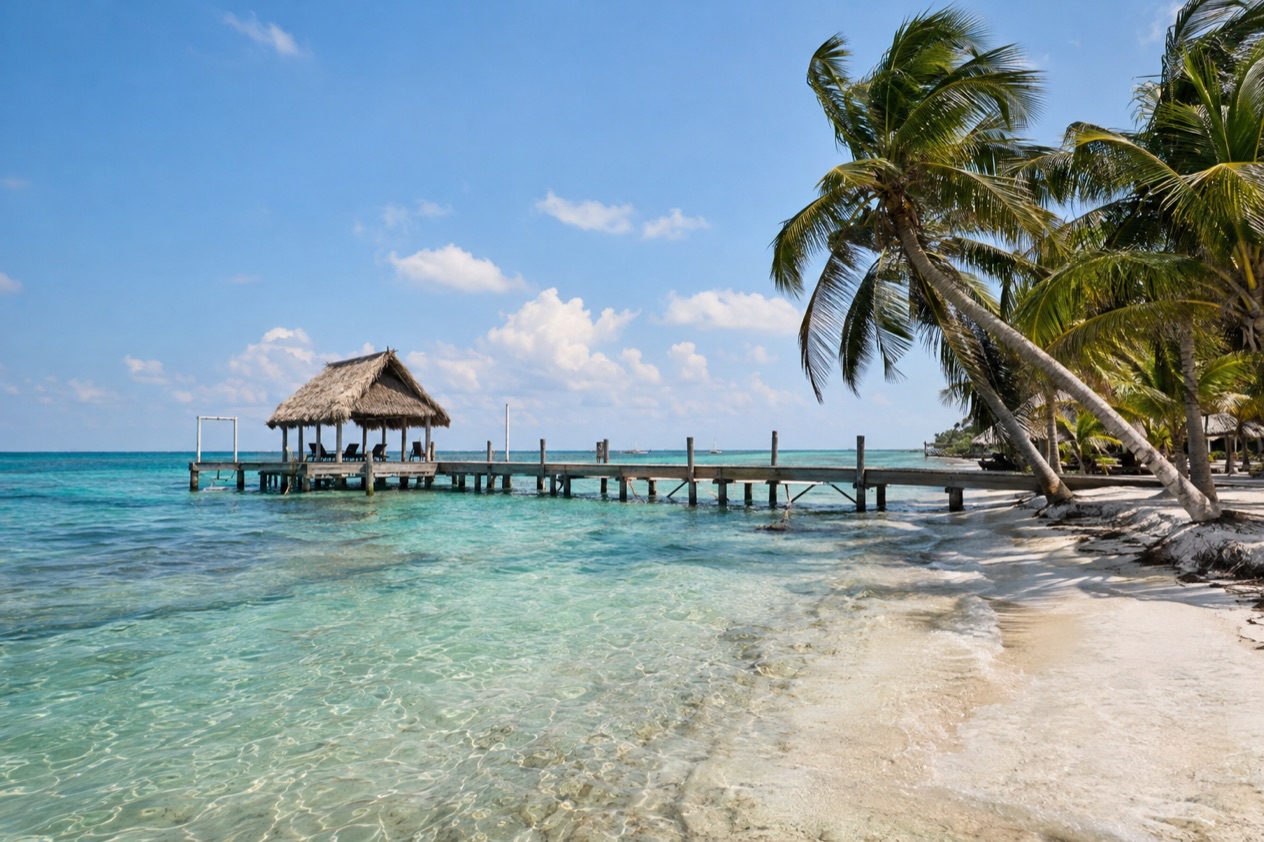
Is Ambergris Caye and San Pedro safe to visit?
Isolated incidents of violent crime can happen even during the day and in tourist areas. Belize has a high crime rate and one of the highest per capita murder rates in the world. The State Department says isolated incidents of violent crime can happen even during the day and in tourist areas.
What matters for a visitor is the kind of crime and the kind of response. Crimes in Belize include sexual assault, home invasions, armed robberies and murder, and much of the violence is linked to gangs. Violent crime is historically concentrated in the Southside of Belize City, which is not on the island but is the place many travelers pass through on the way.
The second half of the picture is what happens afterward. Local police lack the resources and training to respond effectively to serious crimes, and most crimes remain unresolved and unprosecuted. That is a reason to take small habits seriously: keep valuables out of sight, stay aware of your surroundings and treat a quiet beach road the way you would treat any unfamiliar street at home.
If something does happen, dial 911 for the local police. The U.S. Embassy can be reached at +501 822-4011, and it can help replace a stolen or lost passport. U.S. citizens who are victims of domestic violence are encouraged to contact the embassy as well.
Women traveling alone or in small groups are described as targets for sexual assault in Belize, even in tourist areas, and sexual harassment or assault of people traveling alone or in small groups has been reported. None of this means staying home. It means that a solo traveler on a lively island still benefits from the habits you would keep in any busy resort town.
Safety by area in Ambergris Caye and San Pedro
San Pedro Town
San Pedro is the town on the southern part of the island, in the Belize District, and it is where the hotels, restaurants, dive shops and boat docks gather. Daytime here means crowds of snorkelers, diners and strollers, which is a different feel from the rest of Belize.
Crime still happens in tourist areas, including by day, so the town’s cheerful look is no guarantee. Credit card fraud rings are believed to be active in Belize, particularly in San Pedro, which makes how you pay one of the more practical safety questions in town. Real estate pitches also show up in resort areas (more on that in the scams section).
For LGBTQ+ travelers, the State Department describes tourist-friendly areas, including San Pedro Town, as relatively open and welcoming. Outside such areas, same-sex couples, especially men, are reluctant to show affection in public, because verbal and physical assaults have been reported. Human rights organizations say police have at times refused to accept reports of crimes targeting people because of their sexual orientation.
The rest of Ambergris Caye
The island runs about 25 miles from north to south and is roughly a mile wide, so beyond the town you find stretches of beach and reef-side lodges rather than a city grid. The north holds Bacalar Chico, a protected area, and to the south lies Hol Chan Marine Reserve, 4 miles from San Pedro, along with Shark Ray Alley.
Away from the town, the main concern is distance from help. First responders may not be available outside major cities for urgent medical care, and emergency services are usually unavailable or significantly delayed. First responders may not be available outside major cities for urgent medical care, and emergency services are usually unavailable or significantly delayed.
Belize City on the way
Many trips pass through Belize City before reaching the island, and the State Department’s warnings concentrate there. It advises reconsidering travel to Southside Belize City because of crime, and strongly discourages U.S. government employees from traveling to the south side from the Haulover Creek Canal to Fabers Road. Violent crime there is gang related.
A flight from Belize City to Ambergris Caye takes about 20 minutes, so the mainland is a stop on the route rather than part of the island stay. Knowing where the concern lies helps you read any map of the city with the right caution.
Common scams and how to avoid them
The scam most specific to San Pedro involves cards. Several credit card fraud rings are believed to be active in Belize, particularly in San Pedro.
The simple defense is to watch your card at every restaurant, bar and shop, never let it leave your sight if you can avoid it, and look over each statement after the trip. A card alert from your bank while you are still on the island is worth acting on right away.
The second trap is the sales pitch. Real estate investment scams have been reported in Belize, with false promises of amenities and misleading sales tactics, and a sunny island with beachfront lots is exactly where such pitches appear. The way around it is plain: a promise of amenities that you cannot see on the ground is a promise to treat with suspicion, and no pressure to decide on the spot should move you.
Souvenirs carry a different risk once you head home. If you bring counterfeit or pirated goods back to the United States, you may be subject to fines and may have to give them up. A carved piece or a printed shirt from a known maker is a better buy than a suspiciously cheap copy of a brand-name item.
If a scam or theft does hit you, report it by dialing 911 for the local police. Keep a note of what happened, where and when, since that is what those parties will ask for.
Getting around safely
A flight from Belize City to Ambergris Caye takes about 20 minutes. Once there, the town and the shoreline are laid out along a single strip of land, and the water is the other road, with boats heading to the reef and the marine reserves.
Drivers keep to the right side of the road. Valid U.S. or international driver’s permits are accepted only for three months after initial entry. Road conditions range from two-lane paved roads to dirt or gravel tracks, so a route that looks simple on a map can be rougher in person.
Driving at night is strongly discouraged in Belize, and roadside assistance is frequently unavailable. Put those two together and the sensible plan is to be at your destination before dark, particularly if it is a long way from town. A breakdown after sunset on an empty stretch is the situation the warning is about.
On foot, the usual habits apply. Stay on lit, populated streets after dark, and keep to the same caution you would use on a late walk in any resort town.
People with limited mobility should know that the law does not provide for accessibility for persons with disabilities, and most public and private buildings and transportation are not accessible.
Beach, water and weather safety
The draw of Ambergris Caye is the Belize Barrier Reef, the second largest in the world after Australia’s Great Barrier Reef, along with its beaches. Time in and on the water is the heart of the trip, and it is also where help can be far away. Emergency medical services in Belize are usually unavailable or significantly delayed, and serious injuries or illnesses normally require evacuation to another country.
That is why insurance matters more here than at a mainland beach resort at home. The State Department strongly recommends supplemental insurance to cover medical evacuation from Belize. Most hospitals and doctors do not accept U.S. health insurance, and U.S. Medicare and Medicaid do not apply overseas. Neither the Department of State nor U.S. embassies pay medical bills for U.S. citizens.
The hurricane season runs from June 1 to November 30, so a trip in the fall falls inside it, while December through May lies outside the official season. A storm can change plans for flights and boats, and the practical habit is to follow the forecast in the days before you leave.
Mosquito-borne illness is part of the health picture. The CDC identifies Belize as a Zika risk area, and dengue fever is among the diseases prevalent in the country, along with malaria, leishmaniasis, diarrheal illness and New World screwworm. Insect repellent and long sleeves in the evening are ordinary precautions for a coastal trip like this one.
One last, quieter hazard is indoors. Many hotels and other lodgings in Belize are not equipped with carbon monoxide detectors, even if they contain sources of this potentially lethal gas. A small battery-powered detector in your luggage is a cheap answer for anyone staying somewhere with a gas appliance.
Good to know before you go
The U.S. State Department rates Belize Level 2, “Exercise increased caution”, because of crime, and says the south side of Belize City has historically had the highest concentration of violent crime.
Pack what you need in medicines, because specialized prescription medications may be completely unavailable in Belize, and advanced medical treatment is scarce even in Belize City and Belmopan. Appropriate care for injuries is typically available only in or near major cities, and in rural and remote areas even basic care is hard to find. Take the card habits from above with you, keep the embassy number saved on your phone, and make sure your insurance covers evacuation before you leave home.
Sources
- U.S. Department of State, Belize Travel Information, Travel Advisory (Level 2) (https://travel.state.gov/), checked October 11, 2026
- U.S. Department of State, Belize Travel Information, Safety and security (https://travel.state.gov/), checked October 11, 2026
- U.S. Department of State, Belize Travel Information, Local laws and special circumstances (https://travel.state.gov/), checked October 11, 2026
- U.S. Department of State, Belize Travel Information, Health (https://travel.state.gov/), checked October 11, 2026
- U.S. Department of State, Belize Travel Information, Traveling and transportation (https://travel.state.gov/), checked October 11, 2026
- U.S. Department of State, Belize Travel Advisory, Level 2, March 11, 2026 (https://travel.state.gov/), checked October 11, 2026
- Wikipedia, Ambergris Caye (https://en.wikipedia.org/wiki/Ambergris_Caye), checked October 11, 2026
- Wikipedia, San Pedro Town (https://en.wikipedia.org/wiki/San_Pedro_Town), checked October 11, 2026
- Wikivoyage, Ambergris Caye (https://en.wikivoyage.org/wiki/Ambergris_Caye), checked October 11, 2026
- NOAA National Hurricane Center, Climatology (https://www.nhc.noaa.gov/climo/), checked October 11, 2026
To plan your stay
- Best Time to Visit Ambergris Caye and San Pedro: Dry Months, Sea Temperatures, Hurricane Season and Festivals
- Things to Do in Ambergris Caye and San Pedro: Reef Snorkeling, Hol Chan, Bacalar Chico and Island Dining
- Where to Stay in Ambergris Caye and San Pedro: Beach Resorts, Town Stays and a Private Island
- Ambergris Caye and San Pedro from Belize City: Water Taxi, Flight and Getting There