
On a March evening in San Pedro, the sand streets smell of grilled fish and fresh lime, reggae drifts out of open-air bars, and pelicans settle along the docks as the light turns pink over the lagoon side. That is the high season, when the island is at its liveliest.
From early summer into autumn the days turn hotter, wetter and slower, and the town goes quiet in a different way. Ambergris Caye and San Pedro change character with the calendar, and each stretch of it suits a different kind of trip.
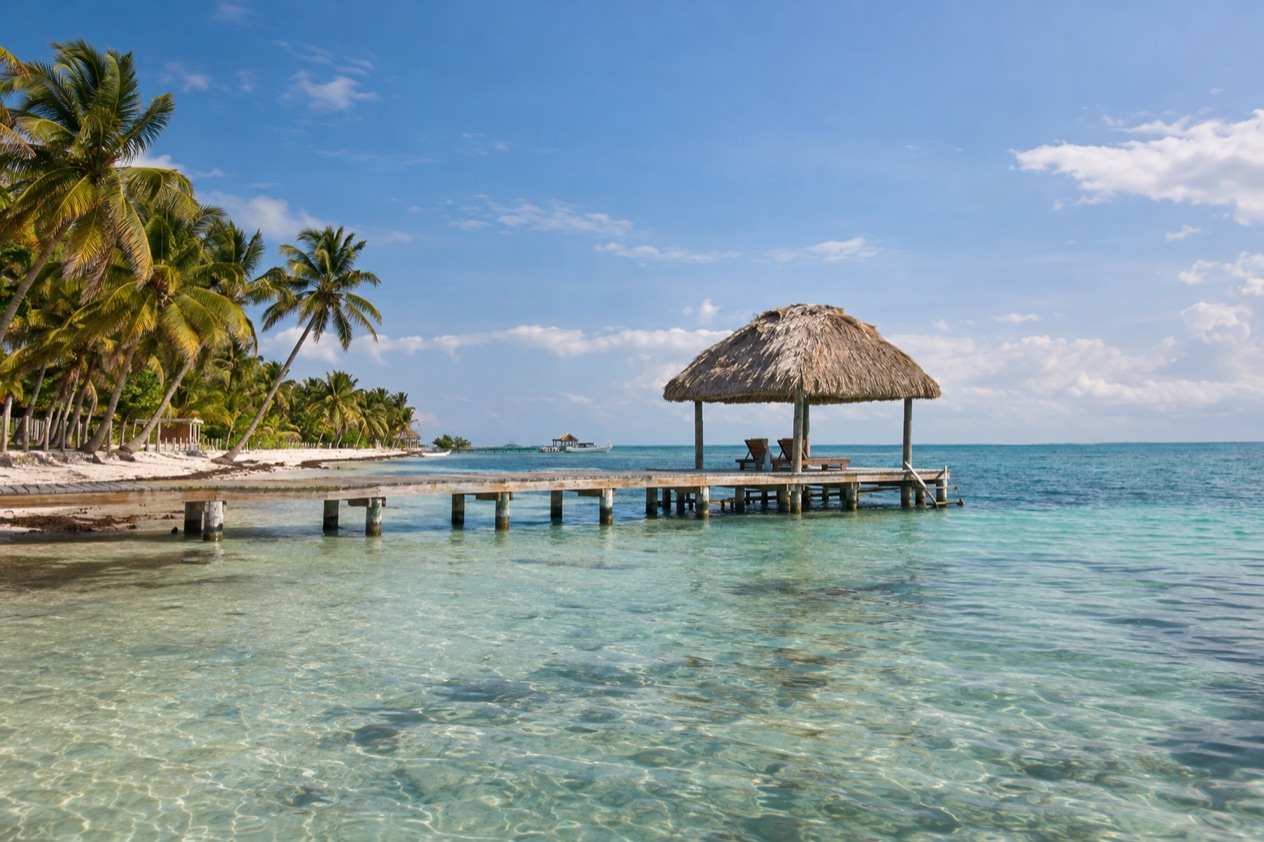
When is the best time to visit Ambergris Caye and San Pedro?
The best time for most travelers runs from about February through May, when the rain days are fewest, the sea is warm and the days stretch out, with December and January adding a festive mood and a little more rain.
For the beach and the sea, late winter and spring are the natural choice.
Hol Chan is described as a snorkeler’s dream, and its shallow water suits novice divers as well. By May the sea has warmed noticeably, and the island feels properly tropical.
For sightseeing, the same months work well. You can pair reef days with Bacalar Chico National Park and Marine Reserve at the northern end of the island, or take a flight over from Belize City to start a longer trip through the country.
Travelers chasing quiet and lower prices tend to look at the wetter months, from about September to November, when the beaches thin out and rooms are easier to find. The trade-off is more rain and the peak of the hurricane season.
Families should know that March brings spring break, and the island gets louder, with crowded bars, music late into the night and a younger, party-minded crowd on the main strip. If you want the dry weather without that energy, February or April usually feel calmer. Summer suits families who prefer an easygoing town and do not mind heat and the odd downpour.
Ambergris Caye and San Pedro weather by month
The sea around San Pedro stays warm in every month, and the length of the day shifts by only a couple of hours between winter and early summer.
| Month | Sea at Ambergris Caye and San Pedro (°F) | Daylight on the 15th (hours and minutes) |
|---|---|---|
| January | 81.4 | 11 h 13 min |
| February | 80.9 | 11 h 36 min |
| March | 81.6 | 12 h 05 min |
| April | 82.6 | 12 h 36 min |
| May | 84.7 | 13 h 01 min |
| June | 86.6 | 13 h 14 min |
| July | 85.7 | 13 h 08 min |
| August | 86.7 | 12 h 46 min |
| September | 87.4 | 12 h 16 min |
| October | 86.5 | 11 h 46 min |
| November | 84.1 | 11 h 19 min |
| December | 82.4 | 11 h 06 min |
The sea is at its coolest in February, a soft, comfortable warmth that still feels like the tropics, and it climbs steadily through spring to reach bathwater temperatures in late summer and early autumn. Daylight follows a similar arc. December evenings fall early, so dinner on the beach comes with the sunset already behind you, while in June the light lingers well into the evening and gives long days on the water.
For the air, look to Belize City: its highs run from the low 80s in January to around 90°F in September, and March logs only a few rain days while October logs more than a dozen. Winter cold fronts can bring a few gray, breezy days, and summer and autumn rain tends to come with the heavier tropical weather.
What is there to do in Ambergris Caye and San Pedro in each season?
Every season on the island revolves around the water, but what you do on it changes with the weather, the crowds and the mood in town.
Winter and spring: reef days and beach evenings
From December to May the reef is the main event. Boats head out to Hol Chan Marine Reserve, about four miles south of San Pedro, and to Shark Ray Alley, where nurse sharks and rays glide beneath the hull. Hol Chan covers coral, seagrass beds and mangrove, and the name is Maya for little channel. Guides also run trips toward Bacalar Chico at the northern end of the island.
On shore, these months are for slow breakfasts of fry jacks and eggs, long lunches of ceviche and conch fritters, and evenings at the beach bars. The island is long and narrow, so the beaches on the sea side give you wide horizons and sunrise light. This is also the time for sunset cruises and for the lively March crowd if that is what you came for.
Summer: hot days, lobster and local flavor
From June the sea runs at its warmest and the days are long, so the water is where you want to be. Mornings suit a boat out to the reef, and the rest of the day belongs to shade, a cold drink and a hammock. Lobster comes onto menus in early summer, and San Pedro marks the season with its lobster festival, with grills and street stalls in town.
Summer is also when many families from the region take their own school vacation, so the island has a relaxed, local rhythm. Showers come with the heat, so keep a flexible plan: an afternoon of rain is a good moment for a long lunch, a visit to a gallery or a stroll through the shops of Front Street.
Autumn and the winter holidays
September and October bring the most rain and the peak of the hurricane season, and the island slows to a very quiet pace. This is a time for patient travelers who are happy to stay flexible and spend as much time on a porch as on a boat. By late November the town begins to wake up again, with decorations going up and visitors arriving for the holidays.
December is festive, with lights along the main street, Christmas parties and a New Year’s Eve that fills the bars and beaches. It is a good month for reef trips while the sea is still warm, though rooms and tables are in demand. If you prefer to avoid the crowds, the weeks just before Christmas feel gentler.
When is Ambergris Caye and San Pedro cheapest and least crowded?
The quietest stretch is the wet autumn, from about September through much of November, when many travelers stay home and the island settles into a slower mood.
The busiest weeks are easy to name. Christmas and New Year fill the island with holiday travelers, and holiday prices apply to many rooms.
Spring break in March brings crowds to the beach bars and the main docks, and Easter week, which falls in March or April depending on the year, draws families and groups from across the region. Mexican school vacation, from about early July to late August, also adds visitors, and the water taxis and beaches feel busier.
In the quiet months, rooms are easier to find, tables are free at the popular restaurants, and the stretches of sand outside town feel nearly private. Boats to the reef carry fewer people, and conversations with locals at the docks and cafes move at an unhurried pace. The price of that calm is the weather, with more rain and the hurricane season overhead.
If you want a middle path, the shoulder weeks at the edges of the high season are worth a look: late January, early February, and the weeks after Easter. The weather is still good, the sea is warm, and the island has room to breathe.
Which months should you avoid in Ambergris Caye and San Pedro?
If you want dependable beach weather, avoid September and October, when rain is heaviest and the Atlantic hurricane season is at its peak.
The Atlantic hurricane season runs from June 1 to November 30, and the peak falls in early September, with most activity between mid-August and mid-October. An average season brings a busy parade of named storms across the basin, and a tropical system can disrupt travel plans even when it never touches the island. October is also the wettest month in the Belize City record, with more than ten inches of rain.
Heat is the other factor. From May through September the air and the sea are both very warm, and midday sun on the open water can feel intense. Travelers who prefer cooler air will like February and early March better.
Sargassum is a brown algae that floats in sometimes mile-long clumps and gives off a rotten-egg smell when it washes ashore. It is a regular disappointment on Caribbean beaches, and it can reach Ambergris Caye in the warmer months, from spring into summer. Whether a given beach is clear on a given week is hard to predict, so treat it as a chance rather than a promise.
Winter cold fronts can bring a few gray, breezy days in December through February. They do not spoil a trip, but they can interrupt a boat day, and the sea may feel choppier for a while.
When can you swim in Ambergris Caye and San Pedro?
The sea here never turns cold, so temperature is not the question in any month, and what changes through the year is the weather and the seaweed.
In winter the water is at its coolest and feels refreshing rather than chilly, a gentle warmth in the low 80s. Through spring it warms steadily, and by early summer it sits in the mid-80s and climbs toward the upper 80s in September. From then it cools slowly again through November and December.
The beaches change with the seasons too. The island sits behind the barrier reef, which lies a 20-minute boat ride from San Pedro, and many people spend their time on the water around the reef rather than only on the beach. In the dry months, the water often looks clear and bright. After storms or in wet weather it can be cloudier, and sargassum can collect along the shore at certain times of year.
If swimming is the heart of your trip, spring is the best match for bright weather and warm water. Summer brings the warmest sea of all, with showers and heat to plan around.
Festivals and events in Ambergris Caye and San Pedro through the year
Winter holidays and Carnival
Christmas on December 25 is a big moment in San Pedro. Lights go up along the main street, boats are strung with decorations, and families gather for tamales, ham and rum punch. New Year’s Eve fills the beach bars and docks, and many restaurants run special evenings.
Carnival usually arrives in the weeks before Lent, with costumes, music and parades in the street. It fits neatly into the high season, when the island is full of visitors and the weather is most reliable. Easter week moves every year, usually falling in March or April, and brings processions, family beach days and a busy island.
Summer fiestas and the September Celebrations
In early summer, San Pedro hosts its lobster festival, a celebration of the season with grilled lobster, street food and music. It is one of the best times to taste local seafood at its freshest and see the town in a festive mood.
September is Belize’s national celebration month. St. George’s Caye Day falls on September 10 and Independence Day on September 21, and schools and communities mark them with parades, music and the national colors of blue and red. San Pedro joins in with street events, though the weather is at its wettest, so plans should stay flexible.
Nature seasons on the reef
The barrier reef is the main natural draw all year, with Hol Chan Marine Reserve and Shark Ray Alley close to town. In the quiet months of autumn and the calmer spells of winter, the reef gets fewer boats, and you may see rays, nurse sharks and schools of fish on a morning outing.
The mangroves and lagoons of Bacalar Chico, at the northern end of the island, give a different side of the caye. Migratory birds spend the cooler months in the region, so winter is a good time to look for them along the shore. Natural spectacles are never guaranteed, so treat a sighting as a pleasant surprise.
Sources
- Open-Meteo Marine API, average 2015-2024, checked October 11, 2026
- sunrise-sunset.org, sunrise and sunset calculated for the 15th of the month, checked October 11, 2026
- NOAA NCEI, GHCN-Daily station BHM00078583 (Philip S. W. Goldson International Airport, Belize City), normals 1991-2020 computed from the daily record (https://www.ncei.noaa.gov/access/services/data/v1?dataset=daily-summaries&stations=BHM00078583), checked October 11, 2026
- Wikipedia, Ambergris Caye (https://en.wikipedia.org/wiki/Ambergris_Caye), checked October 11, 2026
- Wikipedia, San Pedro Town (https://en.wikipedia.org/wiki/San_Pedro_Town), checked October 11, 2026
- Wikivoyage, Ambergris Caye (https://en.wikivoyage.org/wiki/Ambergris_Caye), checked October 11, 2026
- Wikivoyage, San Pedro (Belize) (https://en.wikivoyage.org/wiki/San_Pedro_(Belize)), checked October 11, 2026
- Wikipedia, Hol Chan Marine Reserve (https://en.wikipedia.org/wiki/Hol_Chan_Marine_Reserve), checked October 11, 2026
- Belize Fisheries Department, Hol Chan Marine Reserve (https://fisheries.gov.bz/hcmr/), checked October 11, 2026
- Belize Fisheries Department, Bacalar Chico Marine Reserve (https://fisheries.gov.bz/bcmr/), checked October 11, 2026
- Wikipedia, Belize Barrier Reef (https://en.wikipedia.org/wiki/Belize_Barrier_Reef), checked October 11, 2026
- San Pedro Belize Express Water Taxi, San Pedro (https://belizewatertaxi.com/destinations/san-pedro/), checked October 11, 2026
- Tropic Air, San Pedro (https://www.tropicair.com/san-pedro/), checked October 11, 2026
- Maya Island Air, San Pedro flights (https://www.mayaislandair.com/belize-flights-san-pedro/), checked October 11, 2026
- Belize Port Authority, San Pedro terminal (https://portauthority.bz/belize-port-facilities/san-pedro-terminal/), checked October 11, 2026
- Wikipedia, Caye Chapel (https://en.wikipedia.org/wiki/Caye_Chapel), checked October 11, 2026
- Wikipedia, Climate of Belize (https://en.wikipedia.org/wiki/Climate_of_Belize), checked October 11, 2026
- NOAA National Hurricane Center, Climatology (https://www.nhc.noaa.gov/climo/), checked October 11, 2026
- Belize Tourism Board, Sargassum resource (https://www.belizetourismboard.org/tourism-resources/sargassum-resource/), checked October 11, 2026
- U.S. Department of State, Belize Travel Advisory, Level 2, March 11, 2026 (https://travel.state.gov/), checked October 11, 2026
To plan your stay
- Things to Do in Ambergris Caye and San Pedro: Reef Snorkeling, Hol Chan, Bacalar Chico and Island Dining
- Where to Stay in Ambergris Caye and San Pedro: Beach Resorts, Town Stays and a Private Island
- Ambergris Caye and San Pedro from Belize City: Water Taxi, Flight and Getting There
- Know Before You Go to Ambergris Caye and San Pedro: Entry, Money, Getting Around and Health