
Out past the piers, boats idle toward the reef while pelicans work the water beside them. Ambergris Caye and its town, San Pedro, make up a reef island for snorkelers, divers, seafood lovers and anyone who wants the sea at the end of every street.
What are the best things to do in Ambergris Caye and San Pedro?
The best things to do here almost all involve the water: snorkeling the barrier reef, meeting the nurse sharks and rays, and sailing to the far ends of the island, with good meals and easy evenings in town in between. The island is built around its reef, and the rest of the visit follows from that.
- Snorkel Hol Chan Marine Reserve, the protected channel in the reef that gives snorkelers schools of fish close to the surface.
- Float with nurse sharks and stingrays at Shark Ray Alley, where the animals gather at a feeding point and come right up to the boat.
- Dive or snorkel along the barrier reef, the second largest in the world, a boat ride from the town pier.
- Go north to Bacalar Chico National Park and Marine Reserve, where the island turns into mangrove, forest and a Maya canal.
- Eat your way through fry jacks, ceviche, conch fritters and grilled lobster at beach bars and family kitchens.
- Walk the sand streets of San Pedro Town to see how a fishing village became a reef destination.
- Join a day on the water to Lighthouse Reef and the Great Blue Hole, the far-out dive site that Jacques Cousteau made famous.
- Spend an evening at a palapa bar with a Belikin beer, live music and a view of the lights on the water.
None of these needs a long list of plans. A good day here starts with a boat, ends with a table near the sea, and leaves room for drifting. The sections that follow say what each of these looks like on the ground.
Sights and landmarks in Ambergris Caye and San Pedro
The sights of Ambergris Caye are less a list of monuments than a handful of places that explain the island: the town on its southern end, the story of the families who settled it, and the long, thin land that stretches north toward the Mexican border. Few museums, plenty of atmosphere.
San Pedro Town and its waterfront
San Pedro sits on the southern part of the island, and the sea is always in sight. Streets of packed sand run between wooden houses painted in pastels, small grocery stores, dive shops, bakeries and the open-air restaurants that spill onto the sidewalk. The main road runs along the shore, so a stroll turns into a sequence of piers, boats being loaded and bars with their feet in the sand.
The town plaza and its church give the place a center, and the Spanish you hear alongside English and Kriol is a reminder of who built it. Walk early, when fishermen are back and the day’s first boats are heading out, and again as the light goes soft over the water. Carts and bikes are how people move here, and the pace on the street matches them.
A fishing town’s history
San Pedro was settled in the middle of the 19th century by fishermen and their families who left Yucatán during the Caste War. The fishing economy they built, with lobster and conch at its center, shaped the food, the boats and the surnames you see on shop signs. It is also why Spanish and Maya roots run so deeply through a place that now caters to travelers from everywhere.
The town was granted township status on November 27, 1984, and Gilberto Chico Gomez became its first mayor. That is recent history, within living memory for many families, and the older generation will often tell you the island once had no airstrip traffic to speak of. Ask at a small café or on the pier and the stories come easily.
Beyond town: the long, narrow island
Ambergris Caye is about 25 miles long and only about a mile wide, so a single road-like spine carries most of the island’s life. North of town, resorts and quiet houses thin out into mangrove and coconut grove. Maya sites such as Marco Gonzalez, on the island’s southern part, recall that traders paddled these waters long before hotels arrived.
At the far north the island reaches the national park of Bacalar Chico, where the landscape is wilder than anything near town. The Belize District administers the island, yet the closest point on the mainland belongs to the Corozal District, a geographic detail that explains why the north feels tied to the border country.
Smaller stops around the island
A few places reward a short wander: the airstrip, where small planes of Tropic Air and Maya Island Air land one after another and helicopters come and go for resorts, makes a lively place to watch the island’s comings and goings. The Saca Chispas Water Taxi Terminal in San Pedro Town also connects the island with Chetumal across the border, which gives the waterfront a quietly international feel. Both are as much scenes as sights.
Beaches and outdoor things to do in Ambergris Caye and San Pedro
Outdoor life on Ambergris Caye means the reef on one side, a mangrove lagoon on the other, and a long strip of island between them. The main attraction is the Belize Barrier Reef and its beaches, and the reef is the second largest in the world, which is why snorkelers and divers arrive from all over.
The beaches on the reef side
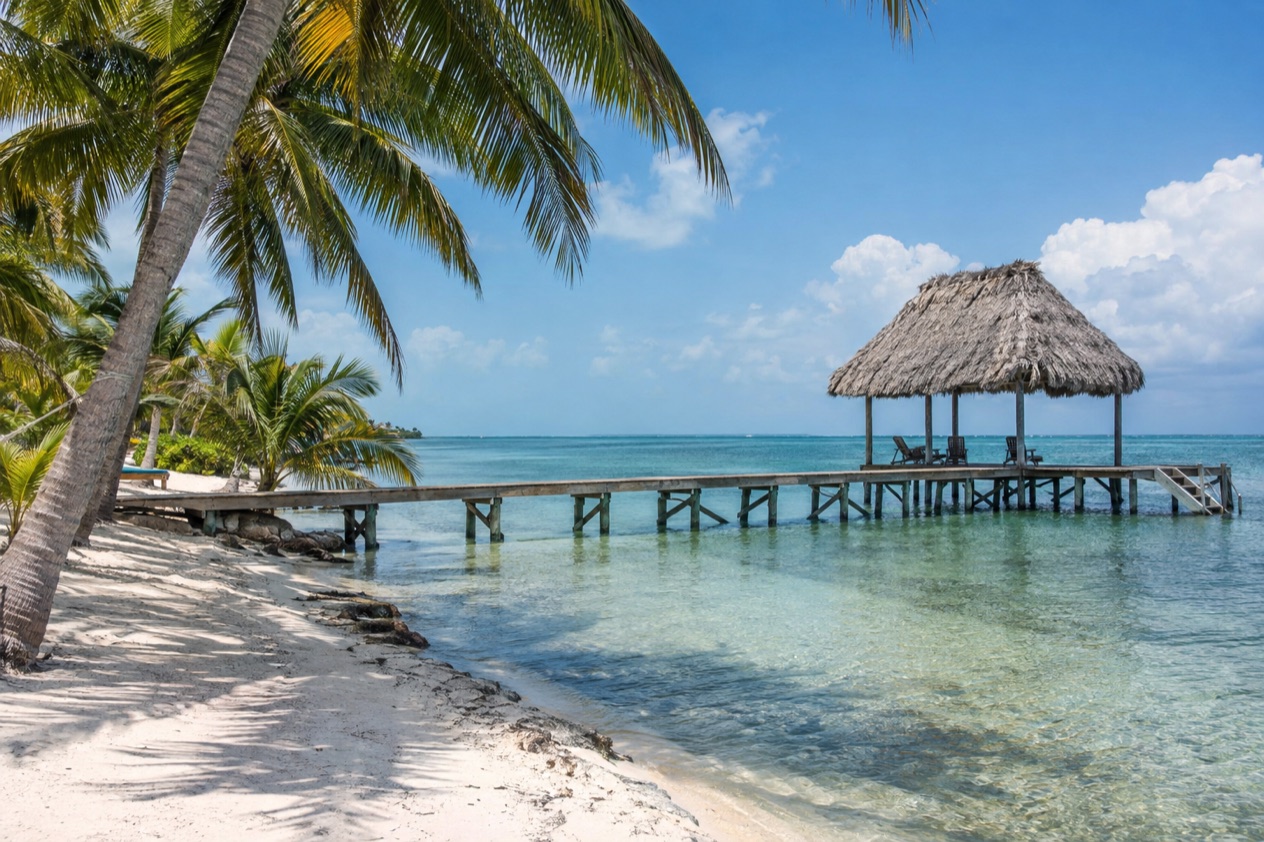
The island’s beaches face east toward the Caribbean and the reef beyond. They are strips of pale sand edged with palms, and piers reach out from almost every property. Instead of one grand beach, you get a string of small ones, each with its own bar, its own loungers and its own boats tied up at the end of the dock.
Mornings on this side are good for coffee with the sunrise over the water. Along the beach you will find hammocks, kayaks, paddleboards and snorkel gear to borrow or rent, depending on where you stay. The reef sits offshore, so what the sea does on a given day varies, and the quiet stretch near your hotel may look very different from the busy piers in town.
Snorkeling and diving along the reef
From San Pedro the barrier reef is a boat ride away, and that is where most of the underwater time happens. Divers drop into walls and coral gardens, and snorkelers float over brain coral, sea fans and the fish that gather around them. Dive shops line the waterfront and run trips out every day.
Farther out, the atolls of Turneffe, Glover’s Reef and Lighthouse Reef are part of the same reef system and give advanced divers more remote water. Pick a shop, talk to the crew about what you want to see, and let them match the dive to the day.
The lagoon side and the mangroves
On the west side of the island, the shoreline turns to mangrove and shallow lagoon. The scene changes: wading birds stand in the shallows, and the light on the water is gentler. Kayaks and small boats are the natural way to explore, and the mangroves are nursery habitat for many young fish and rays.
Birders, photographers and anyone who likes to move slowly will find this side rewarding. The sunsets look west over the water, and the island’s quieter mood is clearest here, away from the piers of the reef side. The reserve at the northern tip, covered with the day trips, is the largest stretch of this kind of landscape.
Water sports and other ways to spend a day
Beyond snorkeling and diving, the island offers sailing on small boats, kayaking, paddleboarding and fishing trips for those who like a line in the water. The fishing tradition is the oldest on the island, and a day with a local captain is a way to see the reef through the eyes of the families who have worked it for generations. Many resorts will arrange these outings, and the dive shops know the rest.
Day trips from Ambergris Caye and San Pedro
The best day trips from San Pedro leave by boat and head for protected water: a marine reserve to the south, a national park to the north, and a faraway reef for those who want a bigger adventure. Each is a different kind of day, so pick by mood rather than by checklist.
Hol Chan Marine Reserve and Shark Ray Alley
Hol Chan lies about 4 miles south of San Pedro, and the name is Maya for little channel, a nod to the cut in the reef that gives the reserve its character. It was established in July 1987 as the first marine protected area in the country, and it protects coral reef, seagrass and mangrove. Snorkelers float over schools of fish that seem unbothered by the visitors above.
Shark Ray Alley joined the reserve in 1999 to protect the sharks and rays that gather at the feeding point. Here you meet nurse sharks and stingrays up close, and the water is typically only eight feet deep, which one regional source calls a perfect place for snorkeling and swimming for the entire family. Boats from San Pedro usually combine the two stops in one outing, and dive shops and tour desks on the waterfront arrange it.
Bacalar Chico National Park and Marine Reserve
At the northern end of the island, Bacalar Chico reaches from Chetumal Bay in the west to the Caribbean Sea in the east, and covers 28,169 acres. It was designated in 1996 and is one of seven sites in the Belize Barrier Reef System World Heritage Site. This is the wild side of Ambergris Caye: mangrove channels, forest, and the reef offshore.
The park suits people who prefer birds, quiet water and landscape to crowds. There are Maya ruins within its boundaries, a reminder that the island was a trading route long before it was a resort. It is a day for a boat and a patient eye, and a good contrast with the busy waterfront of the south.
Lighthouse Reef and the Great Blue Hole
Lighthouse Reef is the most easterly diving area in Belize and home to the Great Blue Hole, made famous by Jacques Cousteau in 1970. From above, the hole is a deep blue circle in a ring of paler reef, one of the most recognizable images of the country. Divers go down into its walls, and visitors who prefer to stay dry see it from the air.
This is the biggest outing from San Pedro, an expedition more than an excursion, and it is built around the atoll’s remote waters. Talk to the dive shops about how they run it and what they offer. For those who want it, the payoff is a corner of the reef system far from any town.
Smaller outings and neighboring islands
Fishing trips and sailing days fill out the list, and the Saca Chispas terminal in San Pedro Town links the island to Chetumal for those headed across the border.
What to eat in Ambergris Caye and San Pedro
Eating on Ambergris Caye starts with the sea: lobster, conch, snapper and shrimp come to the table in every form, and are seasoned with a mix of Creole, Maya, Garifuna and Mexican traditions. The fishing families who settled the island carried recipes from Yucatán, and you taste that heritage in the street food and in the kitchens of small family restaurants.
Seafood, the island’s center of gravity
Ceviche arrives cold and bright, with fish or conch cured in lime and mixed with onion, tomato, cilantro and a bit of habanero. Conch fritters come hot and golden, and grilled lobster is a favorite when the season is open. Snapper is often served whole, fried or grilled, with rice and beans and a slice of fried plantain on the side.
Coconut shows up everywhere, in curries, in sauces and in the rice that goes under the fish. Order what the kitchen is excited about that day, and ask what came in on the boats. A beach bar with a plate of ceviche and a cold drink is a legitimate lunch plan.
Breakfast, snacks and street food
Morning starts with fry jacks, puffy fried dough served with beans, eggs, cheese or jam. Johnny cake, a dense bread, and fresh tropical fruit round out the table. The Mexican influence is clearest in the snacks: salbutes, which are puffed fried tortillas topped with chicken, cabbage and avocado, and garnaches, crisp tortillas with beans and cheese.
Panades, fried corn pockets filled with fish or beans, turn up at food stands and small shops around town. These are cheap, filling and made fresh, and they are exactly what people on the island eat between a dive and dinner. Look for the hand-lettered signs and the cooks working over a pan.
Home-style plates and drinks
For a taste of Belizean home cooking, look for stew chicken with rice and beans, a staple of kitchens across the country, served with coleslaw or potato salad. The Garifuna dish hudut, fish in a coconut broth with mashed plantain, is a more elaborate meal and one worth trying if you see it on a menu.
To drink, there is Belikin, the national beer, along with rum punch and fresh fruit juices from the stands. Coconut water appears on the beach, and bars mix their own versions of tropical drinks. Sit near the water, watch the boats, and let the meal run as long as it wants to.
Things to do in Ambergris Caye and San Pedro at night
Evenings in San Pedro are unhurried and built around the water: a table near the shore, a drink at a palapa bar, and music drifting from one place or another. The island is not a city of clubs, and the mood is relaxed rather than frantic, with diners lingering and boats lights bobbing in the dark.
Beach bars and live music
The classic evening is a beach bar with sand underfoot, a cold Belikin or a rum punch in hand, and a band or a speaker playing reggae, soca, punta or Latin sounds. The piers light up, and people drift between spots along the shore. Some bars have swings at the counter and tables on the sand, and the mood is easy and talkative.
Dive crews gather at the end of the day to compare what they saw, and travelers fall into conversation with strangers. It is a social island, and an evening at a bar is the quickest way to find out which dive site someone swears by, or which taco stand is worth the walk.
Dinner and late-night food
Dinner ranges from candlelit tables on the sand to open-air grills where lobster and fish come off the fire. Many restaurants line the waterfront, and the smell of grilling drifts over the street. After dinner, snack stands serve tacos, burritos and panades to people still hungry.
A scoop of ice cream or a fresh juice is a fine way to end the meal, and the stands near the plaza stay busy. Sit on a bench, watch the town go by, and let the evening wind down on its own schedule.
Quieter evenings
If you would rather skip the bars, a hotel pier is a perfect spot for sitting with a drink and watching the light fade. Away from the town center, the beaches are dim and the stars come out above the water. On the lagoon side, the sky opens wide over the mangroves.
A slow walk along the shore, a book in a hammock, or a quiet dinner at a small family restaurant all suit the island just as well. Tomorrow’s boat leaves in the morning, and the island rewards an early night as much as a late one.
Things to do in Ambergris Caye and San Pedro with kids
Kids take to Ambergris Caye quickly, because the island is a place of boats, sand and animals you can watch up close. The reef is the main attraction and the beaches are everywhere, so the days organize themselves around the water.
Meeting the sharks and rays
Shark Ray Alley is the outing children remember: nurse sharks and stingrays gather around the boat, and the water is typically only eight feet deep. A regional tourism source describes it as a perfect place for snorkeling and swimming for the entire family, and it is the stop that most often turns a hesitant child into an enthusiastic one.
Hol Chan, nearby, is described as a snorkeler’s dream with schools of fish, and its shallow water is considered a perfect place for novice snorkelers and divers by the same kind of source. Combined, the two stops give a young traveler a first real taste of the reef, with a boat crew to guide the way.
Beaches, piers and boats
Digging in the sand, jumping off a pier with an adult nearby and watching boats come and go keep children busy for hours. Many hotels have piers and beach furniture, and the shoreline is full of things to look at: hermit crabs, pelicans, fish gathering near the dock.
Kayaks and paddleboards give older kids a way to explore the water on their own terms, with an adult close at hand. A boat ride, any boat ride, is an event for a child, and the island offers plenty of them.
What to keep in mind with children
The island sits near the sea and the sun is strong, so hats, sun shirts and plenty of water matter. Distances are manageable because the town is compact, but the island is long, and a ride is the usual way to reach places farther along the shore.
Pace the days: a boat outing in the morning, a long lunch and a quiet afternoon by the hotel pier work better than a packed schedule. Ice cream, fresh fruit and fry jacks keep everyone happy, and the evening walk through town is its own small adventure.
Good to know before you go
The U.S. State Department rates Belize Level 2, “Exercise increased caution”, because of crime, and says the south side of Belize City has historically had the highest concentration of violent crime.
Most visitors reach the island by air: a flight from Belize City takes about 20 minutes, and Tropic Air and Maya Island Air serve the airstrip. The SPBE ferry from Belize City to San Pedro takes approximately 1 hour 30 minutes. Water in San Pedro is safe to drink, though bottled water is the choice on the mainland and smaller islands.
The Atlantic hurricane season runs from June 1 to November 30, so the calendar is worth a glance when you plan. Beyond that, the island is easy to settle into: a town on a sandy shore, a reef a boat ride away, and a long list of ways to spend a day on the water.
Sources
- Wikipedia, Ambergris Caye (https://en.wikipedia.org/wiki/Ambergris_Caye), checked October 11, 2026
- Wikipedia, San Pedro Town (https://en.wikipedia.org/wiki/San_Pedro_Town), checked October 11, 2026
- Wikivoyage, Ambergris Caye (https://en.wikivoyage.org/wiki/Ambergris_Caye), checked October 11, 2026
- Wikivoyage, San Pedro (Belize) (https://en.wikivoyage.org/wiki/San_Pedro_(Belize)), checked October 11, 2026
- Wikipedia, Hol Chan Marine Reserve (https://en.wikipedia.org/wiki/Hol_Chan_Marine_Reserve), checked October 11, 2026
- Belize Fisheries Department, Hol Chan Marine Reserve (https://fisheries.gov.bz/hcmr/), checked October 11, 2026
- Belize Fisheries Department, Bacalar Chico Marine Reserve (https://fisheries.gov.bz/bcmr/), checked October 11, 2026
- Wikipedia, Belize Barrier Reef (https://en.wikipedia.org/wiki/Belize_Barrier_Reef), checked October 11, 2026
- San Pedro Belize Express Water Taxi, San Pedro (https://belizewatertaxi.com/destinations/san-pedro/), checked October 11, 2026
- Tropic Air, San Pedro (https://www.tropicair.com/san-pedro/), checked October 11, 2026
- Maya Island Air, San Pedro flights (https://www.mayaislandair.com/belize-flights-san-pedro/), checked October 11, 2026
- Belize Port Authority, San Pedro terminal (https://portauthority.bz/belize-port-facilities/san-pedro-terminal/), checked October 11, 2026
- Wikipedia, Caye Chapel (https://en.wikipedia.org/wiki/Caye_Chapel), checked October 11, 2026
- Wikipedia, Tourism in Belize (https://en.wikipedia.org/wiki/Tourism_in_Belize), checked October 11, 2026
- U.S. Department of State, Belize Travel Advisory, Level 2, March 11, 2026 (https://travel.state.gov/), checked October 11, 2026
- NOAA National Hurricane Center, Climatology (https://www.nhc.noaa.gov/climo/), checked October 11, 2026
To plan your stay
- Best Time to Visit Ambergris Caye and San Pedro: Dry Months, Sea Temperatures, Hurricane Season and Festivals
- Where to Stay in Ambergris Caye and San Pedro: Beach Resorts, Town Stays and a Private Island
- Ambergris Caye and San Pedro from Belize City: Water Taxi, Flight and Getting There
- Know Before You Go to Ambergris Caye and San Pedro: Entry, Money, Getting Around and Health