
February on Grand Bahama begins with the smell of onions, sweet peppers and lime being folded into diced crawfish for a cold salad, served at lunch with the windows open. Out at Port Lucaya the boats rock at their slips, and the mornings feel like the first warm days of a northern spring. It is a month for beaches that are still half empty, mangrove paddling and long seafood lunches around Freeport and Lucaya.
What is the weather like in Freeport and Grand Bahama in February?
Mild and sunny, with days long enough to fill and a sea that is pleasant without being bathwater.
| Month | Sea at Freeport and Grand Bahama (°F) | Daylight on the 15th |
|---|---|---|
| January | 77.1 | 10 h 42 min |
| February | 76.7 | 11 h 19 min |
| March | 77.6 | 12 h 03 min |
In Nassau, February highs average about 80°F, and the nights stay mild enough for a light layer rather than a coat. That gives you the shape of a Bahamian winter day: a fresh start, a warm middle, a soft evening. Mornings on Grand Bahama suit coffee on a terrace or a walk on a nearly empty beach. By midday you will want a hat and some shade.
Rain tends to come as brief showers that pass quickly, and Nassau sees only a few rainy days in the month. The sea sits in the upper 70s, a touch cooler than in March, so a dip feels refreshing once the sun is up. Daylight stretches a little longer each week, which gives you more time on the water before dinner.
Evenings in Freeport and Lucaya suit a sweater over a sundress or a linen shirt on a restaurant patio. The light is soft and golden late in the afternoon, which is the hour photographers like at the beaches. Outside the official hurricane season, February still brings the occasional breezy day, so keep a light jacket handy for boat rides.
Can you swim in Freeport and Grand Bahama in February?
A dip is pleasant, though the sea is a few degrees short of summer warmth, so most people swim in short stretches between sunbathing.
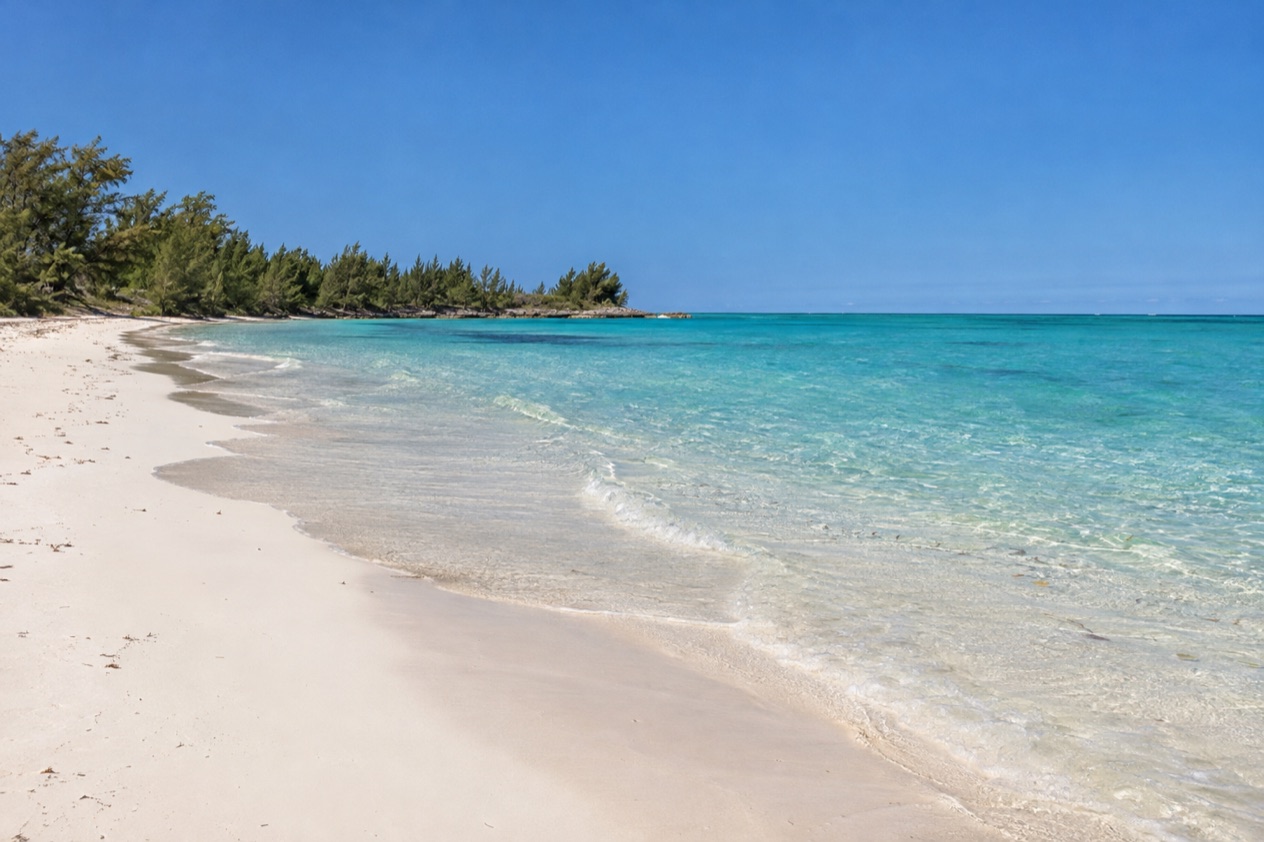
The island has a long run of white-sand shore on its south coast, from the hotel beaches at Lucaya to Taino Beach, which belongs to a park developed by the Freeport/Lucaya Council for Bahamians and visitors. Farther east, Gold Rock Beach sits inside Lucayan National Park, protected by the Bahamas National Trust. At low tide its shoreline reaches out into the sea, which is why it is called the island’s welcome mat.
Water conditions shift with the wind and from one beach to the next, so look at the sea itself before you wade in. A swim shirt takes the edge off a cool breeze, and a mask lets you look at the fish near rocks and reefs. Surfers and anyone chasing big waves should not count on them here, and a beach towel and a bottle of water belong in every beach bag.
What to do in Freeport and Grand Bahama in February
February is crawfish season in the Bahamas, which runs from August 1 to March 31, so the spiny lobster on the plate is fresh and the menus lean on it. Crawfish and lobster are often written interchangeably on Bahamian menus, and any other kind of lobster is named as such. Look for the crawfish salad, a mix of onions, sweet peppers, lime juice and diced lobster, served on greens or between two slices of bread as a sandwich.
The rest of the table follows the sea: grilled or fried fish, conch in salad or fritters, and cracked conch with peas and rice on the side. A cold Bahamian beer or a rum punch goes well with all of it, eaten outdoors in the cool of the evening. Winter is when visitors fill the restaurants of Lucaya and Freeport, and the dining rooms have a lively, unhurried feel.
Lucayan National Park
The park lies near Freeport and covers 40 acres, and its claim to fame lies under the ground: one of the largest underwater cave systems in the world. Above ground you walk through pine forest, mangrove and limestone country, with boardwalks and paths crossing wetter ground. It was established in March 1982 and gives you a look at the island as it was before the resorts.
February suits the park well, because the cooler air makes walking pleasant through the morning. The same visit can end at Gold Rock Beach, about 25 miles from Freeport, a wide, quiet stretch of sand inside the park boundary. Bring bug spray for the wooded parts, comfortable shoes and a camera. It suits curious travelers and families with older children who like a bit of nature between beach days.
Port Lucaya and the waterfront
Lucaya’s main industry is tourism, and Port Lucaya is where it shows. Boats line the marina, musicians play in the open square, and the shops and bars around the marketplace stay lively into the evening. Our Lucaya resort, with the Radisson and Reef Village properties, anchors the neighborhood, so you can step from the beach straight into the busiest strip of restaurants.
Late afternoon is the best moment to arrive, when the light turns warm and the first diners take their tables. Walk the docks, buy a craft or two, and settle into a patio for a seafood dinner. It suits couples, groups of friends and families who like a walkable evening with music in the air.
Taino Beach and Freeport
Taino Beach is a favorite for an unhurried beach afternoon, with a park leased from the Grand Bahama Port Authority for 99 years and kept up for locals and travelers alike. Weekends bring Bahamian families, music and grills, and the mood is relaxed and local. A beach lunch of fried fish or conch salad fits right in.
Freeport itself was set up as a free trade zone and spreads across a wide area, so it feels more like a spacious town than a compact center. The cool of the day is the best time for running errands or browsing local shops. Afterward, the beach is a short step from the hotel strip and a fine spot to watch the sun go down.
A two-day itinerary for Freeport and Grand Bahama in February
Day 1 starts in the morning in Lucayan National Park, while the air is at its coolest. Walk the trails through the woods and mangroves, then continue to Gold Rock Beach for a stroll along the sand while the tide lets the shoreline spread out. Pack water and snacks, because this stretch has few places to sit down and eat.
By early afternoon, head back toward Freeport for a crawfish salad or a plate of fried fish at a casual restaurant. The day is a bit over eleven hours long, so keep the afternoon free for a rest at the hotel or a swim in water that is usually warm and gentle, though conditions change from day to day and beach to beach. Come evening, dinner is in Port Lucaya, with a stroll along the docks as the lights come on.
Day 2 belongs to Taino Beach and the south shore. Arrive in the morning, when families and groups are just spreading out blankets. Plan a long lunch with fried fish, conch and a cold drink, then spend the afternoon on a lounger with a book and a few dips in the sea.
As the light turns golden, wander through Freeport for a look at its shops and local flavor, and pick a restaurant for dinner. If the weather turns gray or rainy, move the day indoors: a slow lunch, a visit to a marketplace shop or two, and a long dinner in Lucaya. Showers in February tend to pass, so the beach is often back by afternoon.
Is Freeport and Grand Bahama busy in February?
It is a lively winter month, with visitors escaping colder climates, though it feels less crowded than spring break.
Resort areas around Lucaya see the most guests, and the restaurants of Port Lucaya fill up in the evenings. The beaches, by contrast, tend to stay roomy, especially in the morning, and quieter stretches like Gold Rock Beach feel like a private find. Holiday weeks, such as the Valentine’s weekend and school breaks, bring more couples and families.
As a habit, book rooms early for holiday weeks and any dinners you care about on weekends, and keep ordinary weeks looser. Rental cars and tables at the busiest places are easier to arrange when you commit early. Midweek, the island slows down, and a late lunch on a patio is rarely a struggle.
What to pack for Freeport and Grand Bahama in February
Pack for warm days, cool evenings and a lot of time outdoors.
- A light sweater or jacket, for evenings and breezy boat rides.
- A swimsuit and a swim shirt, for a dip in a sea that is pleasant but not hot.
- A sun hat and sunscreen, because the midday sun is strong even in winter.
- Walking shoes, for the trails and boardwalks of Lucayan National Park.
- Bug spray, for the wooded and mangrove stretches of the park.
- A reusable water bottle, for long beach days.
Good to know before you go
The U.S. State Department rates the Bahamas Level 2, “Exercise increased caution”, and says most crime occurs in Nassau on New Providence and in Freeport on Grand Bahama.
February falls outside the official Atlantic hurricane season, which runs from June 1 to November 30. U.S. citizens arriving by air need a passport valid for at least six months, since the Bahamas Department of Immigration does not accept passport cards. A Bahamian visa is not required for a bona fide visit of up to eight months, but you must hold a return or onward ticket and may be asked to show enough money to support yourself during the stay.
Freeport and Lucaya are the places most visitors base themselves, with a wide spread of resorts, beaches and restaurants. Plan the trip around the sea and the park, and keep a few evenings open for Port Lucaya.
Freeport and Grand Bahama in February vs January and March
A month earlier, the water is a hair warmer on paper, but the days are shorter and the sun sets sooner. January brings the quietest stretch after the holidays, with mornings that suit hikers and walkers better than swimmers. If you want fewer people and a slower pace, January fits.
A month later, March brings longer evenings and a slightly warmer sea, which suits anyone who wants more beach time. Crawfish season ends on March 31, so late March is the last chance for the freshest lobster. Spring breaks also bring more families, and the beaches grow livelier.
If swimming is your main goal, lean toward March. If you prefer quiet trails, fresh crawfish and an unhurried pace, February is a good middle ground. Beach-and-sunset travelers will find a sweet spot between the two.
Is February a good time to visit Freeport and Grand Bahama?
Yes, for travelers who want mild weather, fresh seafood and room to explore without summer’s heat.
It suits walkers, couples, families with older children and anyone who likes a day split between trails and beaches. Seafood lovers will enjoy crawfish season, and photographers get gentle light on the south shore. Travelers who want long, hot swims should look at a later month.
On arrival, start with Lucayan National Park in the morning while the air is cool, then settle in for a seafood lunch near Freeport. Save Port Lucaya for the evening, when the docks light up and the music starts. February here is crawfish salad, sea breeze and a golden hour you spend on the sand.
Sources
- Open-Meteo Marine API, average 2015-2024, checked October 10, 2026
- sunrise-sunset.org, sunrise and sunset calculated for the 15th of the month, checked October 10, 2026
- NOAA NCEI, GHCN-Daily station BF000078073 (Nassau Airport), normals 1991-2020 computed from the daily record (https://www.ncei.noaa.gov/access/services/data/v1?dataset=daily-summaries&stations=BF000078073), checked October 10, 2026
- Bahamas Ministry of Tourism, crawfish season (https://www.bahamas.com/blog/its-crawfish-season), checked October 10, 2026
- Wikipedia, Freeport, Bahamas (https://en.wikipedia.org/wiki/Freeport,_Bahamas), checked October 10, 2026
- Wikipedia, Grand Bahama (https://en.wikipedia.org/wiki/Grand_Bahama), checked October 10, 2026
- Wikipedia, Lucaya (https://en.wikipedia.org/wiki/Lucaya,_Bahamas), checked October 10, 2026
- Bahamas Ministry of Tourism, Investments & Aviation (bahamas.com), Lucayan National Park (https://www.bahamas.com/natural-wonders/lucayan-national-park), checked October 10, 2026
- Bahamas Ministry of Tourism, Investments & Aviation (bahamas.com), Gold Rock Beach (https://www.bahamas.com/natural-wonders/gold-rock-beach), checked October 10, 2026
- Bahamas Ministry of Tourism, Investments & Aviation (bahamas.com), Taino Beach (https://www.bahamas.com/natural-wonders/taino-beach), checked October 10, 2026
- Wikipedia, Geography of the Bahamas (https://en.wikipedia.org/wiki/Geography_of_the_Bahamas), checked October 10, 2026
- Bahamas Ministry of Tourism, Investments & Aviation (bahamas.com), Island FAQ (https://www.bahamas.com/plan-your-trip/island-faq), checked October 10, 2026
- U.S. Department of State, The Bahamas Travel Information, Safety and security (https://travel.state.gov/), checked October 10, 2026
- Bahamas Department of Immigration, Entry requirements (https://www.immigration.gov.bs/entry-requirements/), checked October 10, 2026
- Bahamas Department of Immigration, Before your arrival (https://www.immigration.gov.bs/entry-requirements/before-your-arrival/), checked October 10, 2026
- U.S. Department of State, The Bahamas Travel Advisory, Level 2 (https://travel.state.gov/), checked October 10, 2026
- NOAA National Hurricane Center, Climatology (https://www.nhc.noaa.gov/climo/), checked October 10, 2026
To plan your stay
- Things to Do in Grand Bahama: Lucayan National Park, Diving, Beaches and Port Lucaya
- Where to Stay in Grand Bahama: Lucaya, Freeport, West End and How to Pick a Hotel
- Freeport and Grand Bahama from Miami: Ferry, Flights, Cruise Ships and a Day in Lucaya
- Know Before You Go to Grand Bahama: Entry, Money, Getting Around and Sun