
The first thing that greets you on Grand Bahama is the warm, salty air as you step out near Freeport, along with the sound of live music drifting across Count Basie Square in Port Lucaya. This is the northernmost island of the Bahamas, a place of resorts, pine and mangrove country, and long stretches of quiet coast. A few details about paperwork, money, driving on the left and the sun will make the trip smoother.
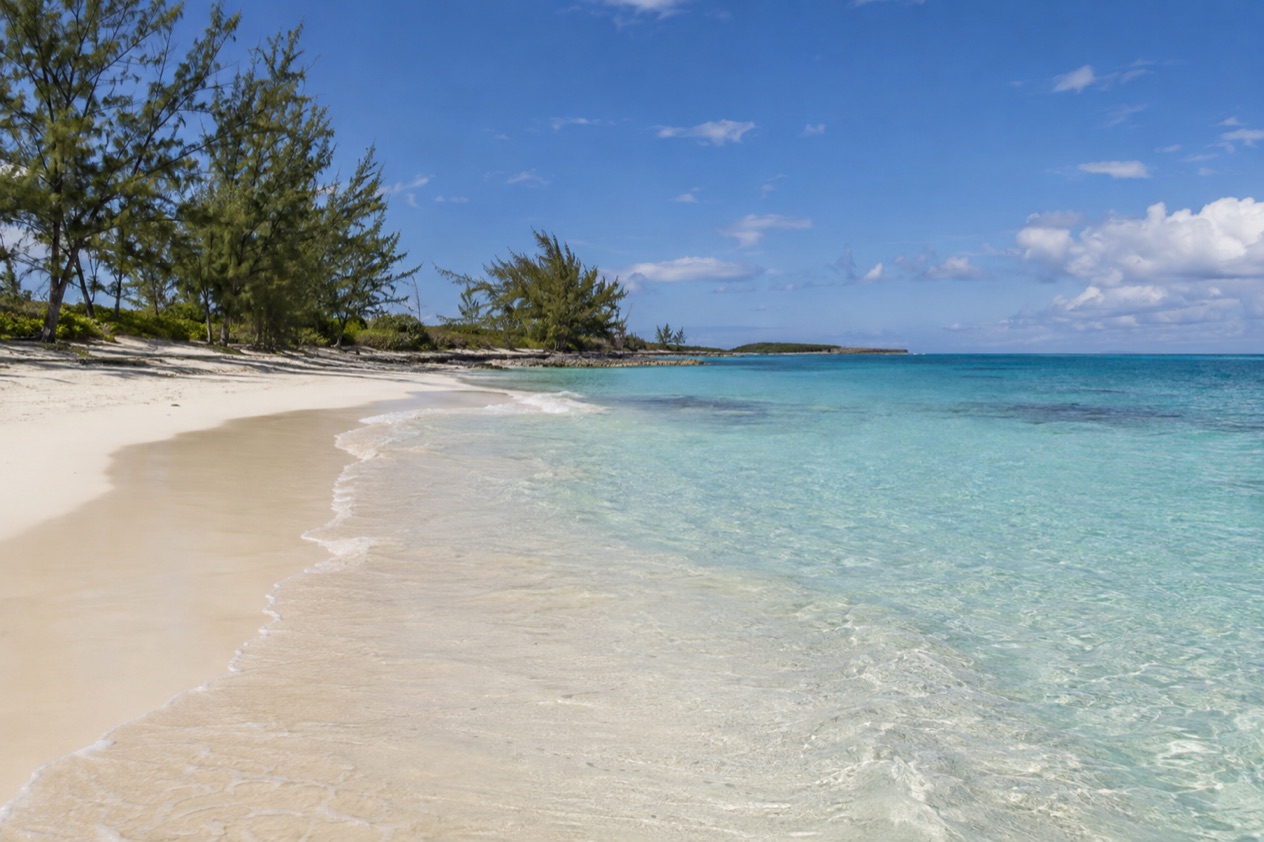
What should you know before visiting Grand Bahama?
Four things matter most here: a passport valid for at least six months, driving on the left, a sun that is stronger than it looks, and the fact that Bahamian and U.S. dollars are used side by side. Get those right and most of the rest takes care of itself.
What surprises first-time visitors is how different Grand Bahama feels from the postcard idea of the Bahamas. It is the third largest island in the chain and Freeport, its main city, was set up as a free trade zone, so the island has the spread-out feel of a place built around a harbor and a resort district rather than a single old town. Lucaya, a suburb of Freeport, is the center of tourism, with the Our Lucaya resort and the Port Lucaya Marketplace for shopping, dining and evening music.
Beyond the resorts, the island is surprisingly green. Lucayan National Park is the one place in the Bahamas where you can see all six of the island’s ecosystems, which gives a day outside the hotel a very different flavor.
Many visitors also expect a short hop from Florida and are pleasantly surprised that West End, the island’s westernmost town, sits only a little way off Palm Beach across the water. Finally, the island has a real rainy season, so a gray, wet afternoon in summer is part of the picture.
Entry, fees and paperwork
U.S. citizens need a passport to enter the Bahamas, and the Bahamas Department of Immigration says it must be valid for at least six months. Passport cards are not accepted. U.S. citizens visiting as bona fide visitors do not need a Bahamian visa for a stay of up to eight months, and the Bahamas Health Visa and pre-arrival COVID-19 testing have been eliminated, so all visitors can travel freely regardless of vaccination status.
Every traveler must present a completed Immigration Disembarkation/Embarkation Card. You also need a return or onward ticket, and U.S. citizens must show proof of anticipated departure. Immigration officers may ask for evidence of enough funds to support yourself during the stay. The period stamped in your passport can vary at the officer’s discretion, and anyone who wants to stay longer must seek permission from the Department of Immigration.
Arriving by cruise ship works differently for some nationalities. Travelers who would normally need a Bahamian visa must obtain one to cruise, including those who fly in to join a ship. Shoppers on Grand Bahama can also save on purchases: stores displaying the Global Blue Tax-Free Shopping sign offer VAT-free shopping, which saves up to 7% and also removes the service fee.
| Item | Detail | Who it applies to |
|---|---|---|
| Tax-free shopping minimum spend | More than $25 | Shoppers with a passport or valid ID |
| VAT saving | Up to 7% of the purchase price | Qualifying tax-free shoppers |
| Maximum visit | 8 months | U.S. citizens visiting as bona fide visitors |
One more local rule: marijuana, including CBD and THC products, is illegal in the Bahamas. A prescription or medical card does not exempt you, and drug violators are regularly arrested even for small quantities.
Money and cards
The Bahamian dollar is on par with the U.S. dollar, and both are accepted interchangeably on all islands, so you can spend the bills in your wallet without any conversion in your head. On Grand Bahama that makes everyday purchases simple, from a conch salad to a souvenir at the Port Lucaya Marketplace.
ATMs are available on Grand Bahama Island, as well as on Nassau and Paradise Island and most major Out Islands. Carrying cash is advised for the Out Islands, which matters if you plan to fly on to another island from Freeport. For tax-free shopping, keep your passport or a valid ID with you, since stores ask for it before they take off the VAT.
Getting around
Driving in the Bahamas is on the left-hand side of the road, which takes a little concentration for American drivers at first, especially at roundabouts and when pulling out of a parking lot. Road flooding occurs frequently in many areas, including Freeport, during and after rainstorms, so a wet afternoon in the rainy season can change a drive.
Grand Bahama lies a short way across the water from Florida. West End is 56 nautical miles east of Palm Beach, and Lucaya is roughly 105 miles east-northeast of Fort Lauderdale. The Bahamas is an archipelago of 16 islands, reached by flying into Nassau or directly into an Out Island.
To move between islands, travelers can fly on scheduled and chartered air service from certified domestic and international carriers. Bahamasair, for example, lists fares from Nassau to Fort Lauderdale starting at $172.99 and from Nassau to North Eleuthera starting at $80.50. Those fares give a sense of how interisland hops are priced, though they start from Nassau rather than Freeport.
Health and the sun
Medical care is available on Grand Bahama and New Providence, but serious illnesses or injuries might not be treatable locally. Serious health problems that require hospitalization or evacuation to the United States can cost tens of thousands of dollars in up-front costs, which is the reason many travelers look at medical evacuation insurance before leaving home. Ambulance service is available on the major islands, while the outer islands have only small clinics and limited care.
The sun is the everyday health matter. Sunscreen is really needed because the sun in the Bahamas is intense, and it burns quickly on a beach day even when clouds drift across. Women are advised to bring a hat, wide-brimmed or otherwise, to block the sun on the beaches, and men should pack standard swim trunks.
Grand Bahama has a hot, rainy season from May through October and a warm, dry season from November through April. Summer afternoons in Freeport are in the high 80s, while winter days are in the low 80s with cooler nights, so the sun still matters in the cooler months.
Local customs and etiquette
Bahamians are warm and courteous, and a greeting matters. Say good morning, good afternoon or good evening when you walk into a shop, a restaurant or a taxi, and expect one in return before any business begins. A smile and a bit of patience go a long way, because the pace on the island is unhurried and service in a small café or at a beachside stand is not meant to be rushed.
Dress is relaxed. Dining in a restaurant in flip-flops and cargo shorts is commonplace, and resort evenings call for light, comfortable clothes. Beachwear belongs on the beach and by the pool, so pull on a cover-up and shoes when you walk into a town shop or a bank. For a church service, which is an important part of Sunday life across the islands, dress neatly, with covered shoulders and knees.
At craft stands and straw markets, a friendly chat is part of buying something, and light haggling is a normal part of the exchange. Be polite and good-humored about it, and do not push when a vendor holds a price. Ask before you take a photo of someone, since many vendors and fishermen are happy to pose but appreciate the courtesy.
Meals tend to start later than in many U.S. towns, with relaxed lunches and dinners that stretch into the evening. Try conch in its many forms, fried snapper and the rich, peppery stews that locals cook on weekends. The People-to-People program also pairs travelers with volunteer locals, and its culinary experience ambassadors often invite visitors into their homes for an authentic Bahamian meal.
Good to know before you go
The U.S. State Department rates the Bahamas Level 2, “Exercise increased caution”, and says most crime occurs in Nassau on New Providence and in Freeport on Grand Bahama.
The Atlantic hurricane season runs from June 1 to November 30, and the Bahamas Ministry of Tourism and Aviation monitors tropical storms in the Atlantic. Travelers are encouraged to check the Bahamas.com hurricane page regularly for storm-related updates.
Keep your passport and return ticket together, and keep your receipts and ID when you shop tax-free. At Lucayan National Park, never leave belongings unattended, because thefts have been known to occur, and cave access there is seasonal since the caves also serve bat conservation.
Sources
- Bahamas Department of Immigration, Entry requirements (https://www.immigration.gov.bs/entry-requirements/), checked October 10, 2026
- Bahamas Customs and Excise, Conditionally duty-free items (https://www.bahamascustoms.gov.bs/imports-and-exports/conditionally-duty-free-items/), checked October 10, 2026
- U.S. Department of State, The Bahamas Travel Information, Health (https://travel.state.gov/), checked October 10, 2026
- U.S. Department of State, The Bahamas Travel Information, Traveling and transportation (https://travel.state.gov/), checked October 10, 2026
- U.S. Department of State, The Bahamas Travel Information, Local laws and special circumstances (https://travel.state.gov/), checked October 10, 2026
- Bahamas Ministry of Tourism, Investments & Aviation (bahamas.com), Island FAQ (https://www.bahamas.com/plan-your-trip/island-faq), checked October 10, 2026
- Bahamas Ministry of Tourism, Investments & Aviation (bahamas.com), People-to-People program (https://www.bahamas.com/plan-your-trip/people-to-people), checked October 10, 2026
- Bahamas Ministry of Tourism, Investments & Aviation (bahamas.com), travel blog, VAT-free shopping rules (https://www.bahamas.com/blog/taking-advantage-of-value-added-tax-free-shopping-in-the-bahamas), checked October 10, 2026
- Bahamas Ministry of Tourism, Investments & Aviation (bahamas.com), travel blog, dress code and what to wear (https://www.bahamas.com/blog/how-to-dress-during-your-visit-to-the-bahamas), checked October 10, 2026
- Bahamas Ministry of Tourism, Investments & Aviation (bahamas.com), Sustainability (https://www.bahamas.com/plan-your-trip/sustainability), checked October 10, 2026
- Bahamas Department of Immigration, Before your arrival (https://www.immigration.gov.bs/entry-requirements/before-your-arrival/), checked October 10, 2026
- U.S. Department of State, The Bahamas Travel Information, Entry and exit requirements (https://travel.state.gov/), checked October 10, 2026
- Bahamas Ministry of Tourism, Investments & Aviation (bahamas.com), Hurricane and storm information (https://www.bahamas.com/hurricane-storm-information), checked October 10, 2026
- Bahamas Ministry of Tourism, Investments & Aviation (bahamas.com), Freeport and Grand Bahama Island (https://www.bahamas.com/islands/freeport-grand-bahama-island), checked October 10, 2026
- Wikipedia, Grand Bahama (https://en.wikipedia.org/wiki/Grand_Bahama), checked October 10, 2026
- Wikivoyage, Grand Bahama travel guide (https://en.wikivoyage.org/wiki/Grand_Bahama), checked October 10, 2026
- Wikipedia, Freeport, Bahamas (https://en.wikipedia.org/wiki/Freeport,_Bahamas), checked October 10, 2026
- Wikipedia, Lucaya (https://en.wikipedia.org/wiki/Lucaya,_Bahamas), checked October 10, 2026
- Bahamas Ministry of Tourism, Island hopping (https://www.bahamas.com/getting-here/island-hopping), checked October 10, 2026
- Bahamasair, home (https://www.bahamasair.com/), checked October 10, 2026
- U.S. Department of State, The Bahamas Travel Advisory, Level 2 (https://travel.state.gov/), checked October 10, 2026
- NOAA National Hurricane Center, Climatology (https://www.nhc.noaa.gov/climo/), checked October 10, 2026
To plan your stay
- Best Time to Visit Freeport and Grand Bahama: Weather, Sea Temperatures, Seasons and Events
- Things to Do in Grand Bahama: Lucayan National Park, Diving, Beaches and Port Lucaya
- Where to Stay in Grand Bahama: Lucaya, Freeport, West End and How to Pick a Hotel
- Freeport and Grand Bahama from Miami: Ferry, Flights, Cruise Ships and a Day in Lucaya