
The city is still gray and quiet at dawn when the first buses pull out of the terminals, and within an hour or two the highway gives way to maize fields, volcano views and pyramids catching the early sun. Mexico City sits in the middle of a remarkable amount of country: ancient avenues, canals painted in bright colors, colonial towns of silver and tile, a mountain village with a temple on the cliff. An early departure turns any of them into a very full day.
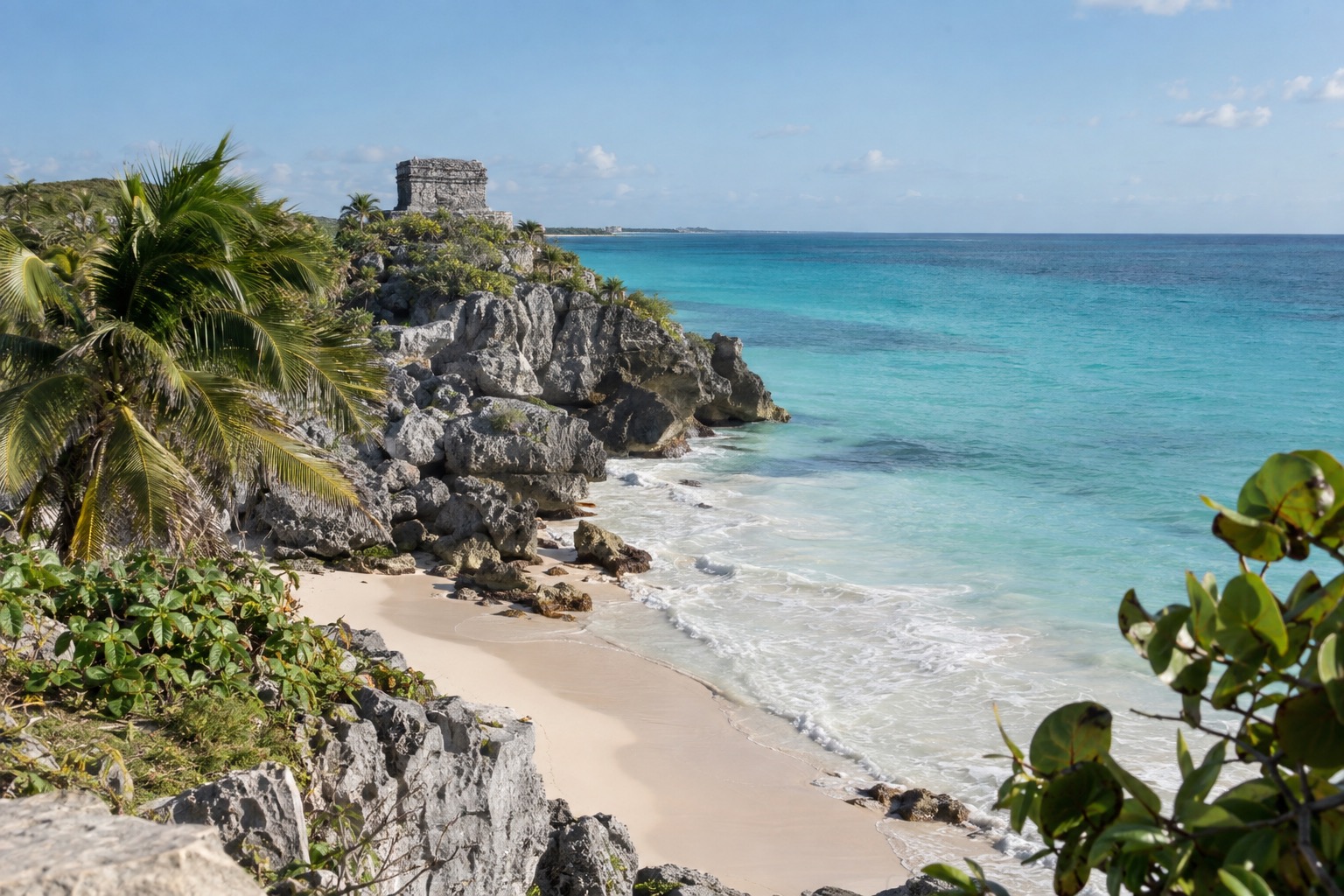
What are the best day trips from Mexico City?
The best day trips from Mexico City are Teotihuacan for the pyramids, Xochimilco for the canals, Puebla and Cholula for food and churches, Tepoztlán for hiking, and Taxco for silver and cobblestones.
- Teotihuacan: the Avenue of the Dead and the great pyramids, a short ride from the city.
- Xochimilco: a slow trajinera ride past chinampas, with music and food floating alongside.
- Puebla and Cholula: a colonial city with a cathedral, mole poblano, and a pyramid topped by a church.
- Tepoztlán: a craft-market village below a steep trail to a hilltop temple.
- Taxco: a whitewashed hillside town known for its baroque church and silver shops.
- Coyoacán: a leafy, bohemian neighborhood of plazas, markets and the Casa Azul.
The best day trips from Mexico City
Teotihuacan
Teotihuacan remains the classic escape, a pre-Hispanic metropolis whose population once exceeded 100,000 and has carried the UNESCO World Heritage Site designation since 1987. From Terminal del Norte, ADO buses run to the archaeological zone, and driving the Mexico-Pachuca highway is another way to get there. Either way it takes about 1 to 1.5 hours each way.
The visit is a long walk across open ground. The pyramids are seen from ground level, since climbing them is prohibited. A half day is enough, though the vastness of the place invites lingering.
It is a good fit for history buffs and families with older kids, though the terrain is uneven and the sun beats down hard. There is little shade, so bring water, a hat and sunscreen. Arriving at opening time keeps the walk comfortable.
| Site | Open | Admission |
|---|---|---|
| Teotihuacan | Daily, 8 a.m. to 5 p.m. (last entry 4:30 p.m.) | 210 pesos (105 pesos for Mexican nationals and foreign residents) |
Xochimilco
Xochimilco is the easiest escape here, close enough to fit into a single afternoon. From central Mexico City, ride Metro Line 2 to Tasqueña, transfer to the Tren Ligero, and get off at Xochimilco station, or grab a taxi or Uber instead. By car it takes about 45 minutes to 1.5 hours depending on traffic.
At the dock you rent a bright, flat-bottomed trajinera, then float by chinampas, the raised garden plots of Aztec times, often mistakenly called floating gardens. Other boats circulate with food, drinks and mariachi bands you can hire for a song or two. Two or three hours on the water is plenty.
Weekends are livelier, with music and families, while weekdays are quieter and better for a relaxed ride. The boats are rented by the hour per boat, not per person, so it suits groups and families. Bring cash in small bills and agree on the price before boarding.
Puebla and Cholula
Puebla is the longest ride of the day trips, so it works best as a very early start and a late-afternoon return. From TAPO or Terminal del Norte, ADO buses make the trip to Puebla CAPU in roughly 2 to 2.5 hours. From there, a local bus or taxi takes you to Cholula in about 20 to 30 minutes.
In Puebla, visit the cathedral and the Biblioteca Palafoxiana, then admire the gilded Capilla del Rosario before eating in the historic center. Mole poblano is the dish to order, and in season chiles en nogada, available from July to September, are the local showpiece. In Cholula, the Great Pyramid carries a church on top and is honeycombed with archaeological tunnels.
It suits history and architecture lovers. The church hill at Cholula means steep steps at altitude, which can be tiring after a morning of walking. Plan the pyramid for the cooler part of the afternoon.
Tepoztlán
Tepoztlán sits in a cliff-ringed valley, reached by bus from Terminal del Sur (Taxqueña) in about 1.5 to 2 hours. The village has a long-standing reputation for craft stalls and a bohemian spirit, and it feels very different from the capital.
You can visit the Ex-Convento de la Natividad, walk the craft market along the main street, and hike to the Tepozteco pyramid, about an hour uphill. The trail is steep and rocky, so it suits hikers and nature lovers rather than young children or people with mobility issues. Wear sturdy shoes and bring water.
Start the hike early to dodge the heat and afternoon rain, and choose a weekday to avoid weekend crowds. Before you climb, verify that the Tepozteco site is open, since Mondays or bad weather can shut it.
Taxco
Taxco takes about 2.5 to 3 hours each way by ADO bus from Terminal del Sur, so leave early. The reward is a hillside town of steep cobblestone streets, white houses and red-tiled roofs, all organized around the zócalo.
The Parroquia de Santa Prisca is the centerpiece, and the Casa Borda sits nearby. The zócalo and the lanes that ring it are packed with silver shops. Morning light is best on the church, and the town is less crowded then. In December, festive lights and markets add to the charm.
It suits shoppers and architecture lovers, but the steps and slopes are tiring for people with limited mobility. White Volkswagen taxis climb the hills for you. Plan to bring cash in pesos, because a number of small stores and food stands won’t accept cards.
Coyoacán and the Casa Azul
Coyoacán, a half-day escape within the city, is reached by taxi in roughly 20 to 30 minutes or by Metro Line 3 to Coyoacán station. It feels like a colonial village, with plazas, a church and a market where you eat tostadas and churros.
You walk Plaza Hidalgo and Jardín Centenario, see the San Juan Bautista Church, and visit the Frida Kahlo Museum. This area shines during morning hours and again late in the day, while the weekend market has a reputation for street food and crafts.
It suits art lovers and families. Casa Azul sells tickets only on its website and gives every one a set entry time, so reserve early, because those timed slots are gone days in advance. On Mondays it stays shut, and on Thursday evenings it has a late opening for its Noches Azules.
| Site | Open | Admission |
|---|---|---|
| Museo Frida Kahlo (Casa Azul) | Closed Mondays; late openings on Thursday evenings (Noches Azules) | 320 pesos, online timed tickets only |
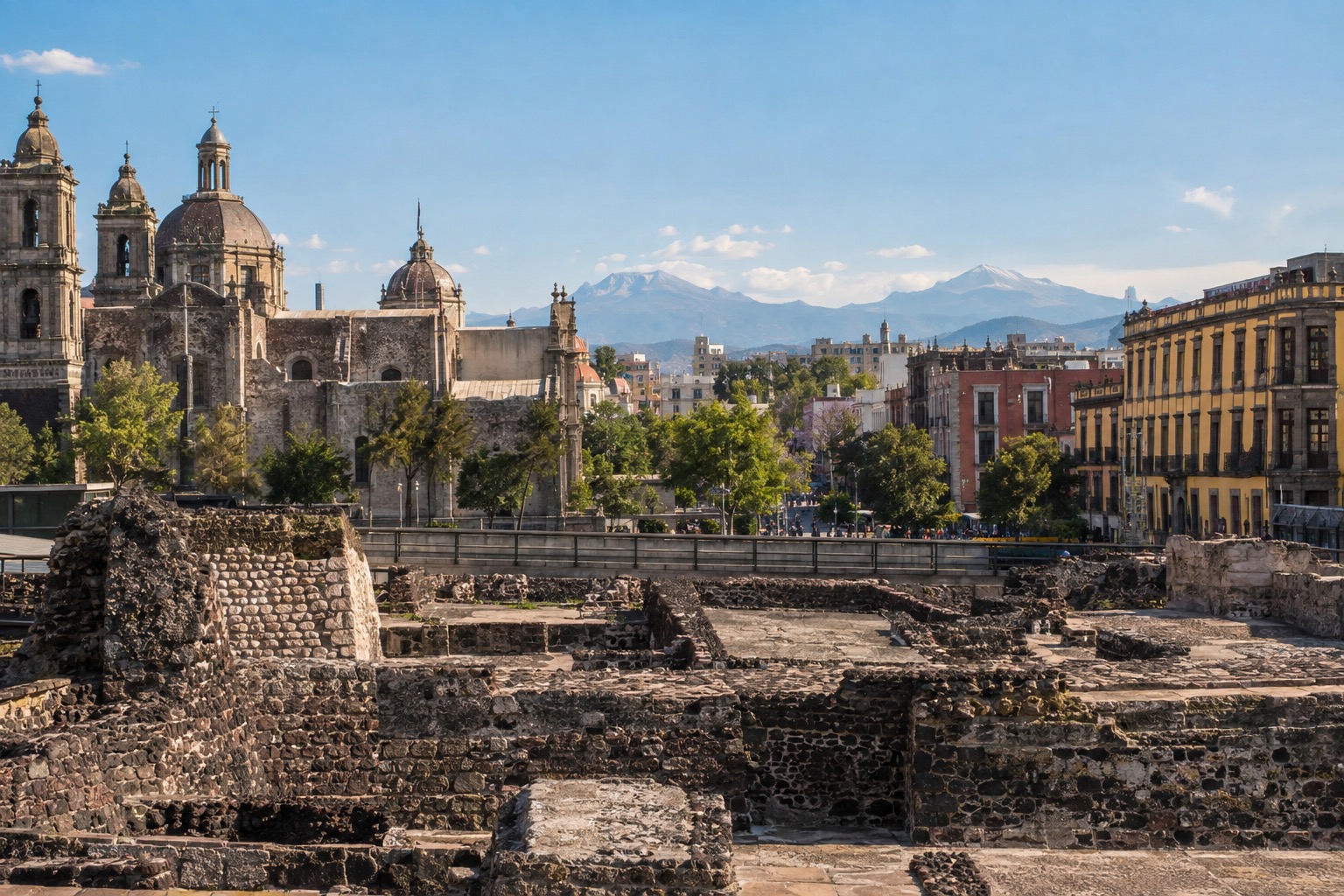
Day trips from Mexico City compared
| Trip | Time each way | Best for | How to go |
|---|---|---|---|
| Teotihuacan | About 1 to 1.5 hours | Pyramids and history | ADO bus from Terminal del Norte or drive |
| Xochimilco | About 45 minutes to 1.5 hours | Families and groups | Metro Line 2 and Tren Ligero, taxi or Uber |
| Puebla and Cholula | About 2 to 2.5 hours | Food, churches and a pyramid | ADO bus from TAPO or Terminal del Norte |
| Tepoztlán | About 1.5 to 2 hours | Hikers and craft browsing | Bus from Terminal del Sur |
| Taxco | About 2.5 to 3 hours | Silver shopping and architecture | ADO bus from Terminal del Sur |
| Coyoacán | About 20 to 30 minutes | Art, markets and plazas | Metro Line 3 or taxi |
With one day, Teotihuacan is the safest choice for first-timers, and Xochimilco suits a lazy afternoon with a group. If you want food and architecture, Puebla rewards the longer ride. Tepoztlán is for people who like to hike, and Taxco for those who like to shop and wander steep streets.
Tour or on your own?
A tour makes sense for Teotihuacan if you want someone to explain the site and handle the transport, and for Xochimilco if you would rather not sort out the Metro and light rail. Long drives to Puebla or Taxco are easier when someone else does the driving, and guided visits add context to the pyramids and churches.
The bus is the better choice for Puebla, Tepoztlán and Taxco, since ADO routes leave from the city terminals and let you set your own pace. A rental car gives flexibility at Teotihuacan along the Mexico-Pachuca highway, but traffic leaving the city can be heavy. Before booking, check what is included, how long you actually have at each stop, and the return time so you are not rushed.
Good to know before you go
The U.S. State Department rates Mexico City Level 2, Exercise Increased Caution, the same baseline level as most of the country.
Carry pesos in small bills for boats, snacks, market stalls and silver shops, since many small vendors do not take cards. Mexico City sits at altitude, and the sun is strong at open sites such as Teotihuacan and Cholula, so water and a hat help. The Atlantic hurricane season can bring heavy rain to the Puebla and Morelos side of the trips, and October is often showery in the afternoons, so start early and keep a light rain layer handy.
Sources
- INAH, Zona Arqueologica Templo Mayor (inah.gob.mx/zonas/zona-arqueologica-templo-mayor), checked September 29, 2026
- Sistema de Informacion Cultural (sic.gob.mx), MNA sheet of 28/07/2026, checked October 3, 2026
- INAH, Museo Nacional de Antropologia, checked September 29, 2026
- INAH, Museo Nacional de Historia, Castillo de Chapultepec (inah.gob.mx/museos/museo-nacional-de-historia-castillo-de-chapultepec), checked September 29, 2026
- INAH, meme page, checked September 29, 2026
- INAH, Zona Arqueologica de Teotihuacan (inah.gob.mx/zonas/23-zona-arqueologica-de-teotihuacan), checked September 29, 2026
- Museo Frida Kahlo, museofridakahlo.org.mx (« NO CONTAMOS CON VENTA EN TAQUILLA », entrada general $320) et boletos.museofridakahlo.org.mx, checked October 3, 2026
- U.S. Department of State, Mexico Travel Advisory (travel.state.gov, date issued May 29, 2026), checked October 3, 2026
- ADO
- INAH lugares.inah.gob.mx
- Secretaría de Turismo de la Ciudad de México
- Secretaría de Turismo de Puebla
- Secretaría de Turismo de Guerrero
- Frida Kahlo Museum
- Arena México
- Servicio Meteorologico Nacional (CONAGUA), normales climatologicas 1991-2020, estacion 09048 (Tacubaya Central (Obs), Miguel Hidalgo), checked September 29, 2026
- sunrise-sunset.org, sunrise and sunset on the 15th of the month, checked September 8, 2026
To plan your stay
- Best Time to Visit Mexico City: Dry Season, Rainy Summers, Día de Muertos and Festivals
- Where to Stay in Mexico City: Roma, Condesa, Polanco, Coyoacán and the Historic Center
- Mexico City Airport to City: Metro, Taxis and Travel Times to the Center, Roma and Polanco
- Know Before You Go to Mexico City: Getting Around, Money, Altitude and Local Customs